
The Edvocate

Top Menu

Main Menu

  • Start Here
    • Our Brands
    • Governance
      • Lynch Education Consulting, LLC.
      • Dr. Lynch’s Personal Website
      • Careers
    • Write For Us
    • Books
    • The Tech Edvocate Product Guide
    • Contact Us
    • The Edvocate Podcast
    • Edupedia
    • Pedagogue
    • Terms and Conditions
    • Privacy Policy
  • PreK-12
    • Assessment
    • Assistive Technology
    • Best PreK-12 Schools in America
    • Child Development
    • Classroom Management
    • Early Childhood
    • EdTech & Innovation
    • Education Leadership
    • Equity
    • First Year Teachers
    • Gifted and Talented Education
    • Special Education
    • Parental Involvement
    • Policy & Reform
    • Teachers
  • Higher Ed
    • Best Colleges and Universities
    • Best College and University Programs
    • HBCU’s
    • Diversity
    • Higher Education EdTech
    • Higher Education
    • International Education
  • Advertise
  • The Tech Edvocate Awards
    • The Awards Process
    • Finalists and Winners of The 2026 Tech Edvocate Awards
    • Finalists and Winners of The 2025 Tech Edvocate Awards
    • Finalists and Winners of The 2024 Tech Edvocate Awards
    • Finalists and Winners of The 2023 Tech Edvocate Awards
    • Finalists and Winners of The 2021 Tech Edvocate Awards
    • Finalists and Winners of The 2022 Tech Edvocate Awards
    • Finalists and Winners of The 2020 Tech Edvocate Awards
    • Finalists and Winners of The 2019 Tech Edvocate Awards
    • Finalists and Winners of The 2018 Tech Edvocate Awards
    • Finalists and Winners of The 2017 Tech Edvocate Awards
    • Award Seals
  • Apps
    • GPA Calculator for College
    • GPA Calculator for High School
    • Cumulative GPA Calculator
    • Grade Calculator
    • Weighted Grade Calculator
    • Final Grade Calculator
  • The Tech Edvocate
  • Post a Job
  • AI Powered Personal Tutor

logo

The Edvocate

  • Start Here
    • Our Brands
    • Governance
      • Lynch Education Consulting, LLC.
      • Dr. Lynch’s Personal Website
        • My Speaking Page
      • Careers
    • Write For Us
    • Books
    • The Tech Edvocate Product Guide
    • Contact Us
    • The Edvocate Podcast
    • Edupedia
    • Pedagogue
    • Terms and Conditions
    • Privacy Policy
  • PreK-12
    • Assessment
    • Assistive Technology
    • Best PreK-12 Schools in America
    • Child Development
    • Classroom Management
    • Early Childhood
    • EdTech & Innovation
    • Education Leadership
    • Equity
    • First Year Teachers
    • Gifted and Talented Education
    • Special Education
    • Parental Involvement
    • Policy & Reform
    • Teachers
  • Higher Ed
    • Best Colleges and Universities
    • Best College and University Programs
    • HBCU’s
    • Diversity
    • Higher Education EdTech
    • Higher Education
    • International Education
  • Advertise
  • The Tech Edvocate Awards
    • The Awards Process
    • Finalists and Winners of The 2026 Tech Edvocate Awards
    • Finalists and Winners of The 2025 Tech Edvocate Awards
    • Finalists and Winners of The 2024 Tech Edvocate Awards
    • Finalists and Winners of The 2023 Tech Edvocate Awards
    • Finalists and Winners of The 2021 Tech Edvocate Awards
    • Finalists and Winners of The 2022 Tech Edvocate Awards
    • Finalists and Winners of The 2020 Tech Edvocate Awards
    • Finalists and Winners of The 2019 Tech Edvocate Awards
    • Finalists and Winners of The 2018 Tech Edvocate Awards
    • Finalists and Winners of The 2017 Tech Edvocate Awards
    • Award Seals
  • Apps
    • GPA Calculator for College
    • GPA Calculator for High School
    • Cumulative GPA Calculator
    • Grade Calculator
    • Weighted Grade Calculator
    • Final Grade Calculator
  • The Tech Edvocate
  • Post a Job
  • AI Powered Personal Tutor
  • 9 Ways to Keep Students With Disabilities Safe From Bullying

  • Baffling: 72% of Gen Z Still Financially Dependent on Parents — Here’s Why It’s a Crisis

  • The Staggering $172 Billion Crisis: Why Your Child Care Costs Are Exploding

  • This Unbelievable AI Minor Program Is Quietly Reshaping Every Student’s Future

  • Millions Face Repayment Chaos: Your Student Loan Plan Is Disappearing — Here’s What You MUST Do Now

  • Why I Believe Special Ed Teachers Have Superpowers

  • The Brutal Truth: Why Your Kids’ Screen Time Limits Just Got Blown Apart

  • Florida’s Bold AI Move: The Controversial Rules That Could Reshape Education

  • Baffling New Studies Reveal the TRUTH About Screen Time Effects on Children

  • The Astonishing Reason CXOs Are Rushing to Master AI Now

Uncategorized
Home›Uncategorized›Kaiser Mental Health Pros Strike in 2026 Over AI Fears

Kaiser Mental Health Pros Strike in 2026 Over AI Fears
By Matthew Lynch
March 19, 2026
0
Spread the love

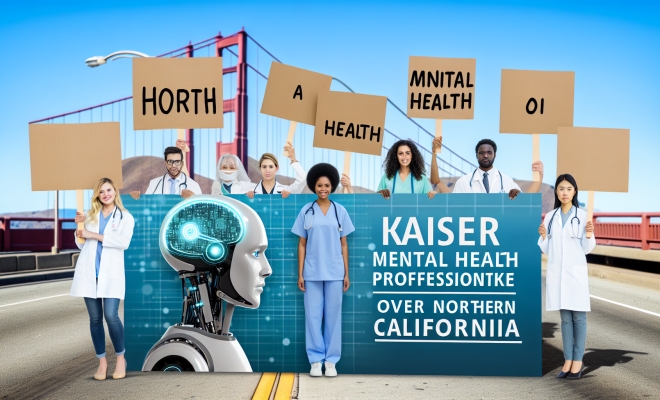
In a significant display of concern over the future of mental health care, approximately 2,400 mental health professionals at Kaiser Permanente participated in a one-day strike on March 18-19, 2026. These professionals, including social workers and psychologists, provide care to an estimated 4.6 million patients across Northern California. Their primary concern revolves around the integration of artificial intelligence (AI) in therapeutic practices, with fears of potential job displacement.

Context of the Strike

The strike received substantial support from over 23,000 nurses affiliated with the California Nurses Association, amplifying the call for greater transparency regarding the role of AI within the healthcare ecosystem. Mental health professionals are advocating for assurance that AI will not replace the vital human connection in therapy but will instead serve as a supportive tool to enhance patient care.

The Role of AI in Mental Health Care

AI technology has made significant inroads into various sectors, including healthcare, where it promises to streamline operations and improve patient access. Kaiser management maintains that AI is intended to assist in practice management rather than replace human therapists. They argue that the implementation of AI tools aims to optimize scheduling, reduce administrative burdens, and ultimately enhance the patient experience.

Management’s Perspective

Kaiser representatives assert that the introduction of AI is a step toward better resource allocation, allowing mental health professionals to focus more on patient care rather than administrative tasks. The organization has also committed to hiring additional mental health workers to meet the growing demand for services. This move aligns with their broader strategy to expand mental health resources and address the mental health crisis exacerbated by the COVID-19 pandemic.

Concerns Among Mental Health Professionals

Despite management’s reassurances, many mental health professionals remain skeptical about AI’s role in their field. The strikers express fears that the reliance on AI could lead to a depersonalization of care, undermining the therapeutic relationships that are essential for effective treatment. The following points encapsulate the primary concerns:

  • Job Security: Workers worry that increasing reliance on technology may lead to job cuts and reduced demand for human therapists.
  • Quality of Care: Critics fear that AI lacks the empathy and understanding necessary for effective mental health treatment.
  • Transparency: There is a call for clearer communication from Kaiser about how AI will be integrated into mental health services.

The Broader Implications for Mental Health Care

The strike at Kaiser is emblematic of a larger debate about the role of technology in healthcare. As mental health care continues to face challenges such as a shortage of providers and increasing patient demand, the introduction of AI is seen by some as a necessary evolution. However, the concerns raised by mental health professionals highlight the need for a balanced approach that prioritizes patient-centered care.

Public Response and Future Outlook

The public’s response to the strike has been largely supportive, with many acknowledging the importance of human interaction in mental health treatment. As discussions continue about the integration of AI in healthcare, stakeholders must consider the implications for both patients and providers. The potential for AI to enhance care exists, but it must not come at the expense of human connection and empathy.

Conclusion

The Kaiser mental health professionals’ strike is a pivotal moment in the ongoing dialogue about the future of mental health care in the age of technology. As AI continues to evolve, it is crucial for healthcare organizations to engage with mental health workers, patients, and the public to ensure that the integration of technology enhances rather than diminishes the quality of care. Striking a balance between innovation and the human touch will be essential for fostering trust and maintaining the integrity of mental health services.


Previous Article

Kaiser Permanente Faces Strike Over AI Patient ...

Next Article

Social Media’s Hidden Dangers: 2026 Happiness Report ...

Matthew Lynch

Related articles More from author

  • Uncategorized

    25 Game-Changing Social Media Marketing Tools for 2026

    May 14, 2026
    By Matthew Lynch
  • Uncategorized

    Creating a Generation of Independent Thinkers

    March 27, 2019
    By Chris Piehler
  • Uncategorized

    Retatrutide: New Drug Rivals Bariatric Surgery for Severe Obesity

    July 28, 2026
    By Matthew Lynch
  • Uncategorized

    Best iPad Games for Kids of All Ages

    July 5, 2026
    By Matthew Lynch
  • Uncategorized

    Top 10 Mountains Facts for Kids

    June 28, 2026
    By Matthew Lynch
  • Uncategorized

    Unlock Learning: Benefits of VR in K-12 Education

    March 8, 2026
    By Matthew Lynch

Search

Registration and Login

  • Log in
  • Entries feed
  • Comments feed
  • WordPress.org

Newsletter

Signup for The Edvocate Newsletter and have the latest in P-20 education news and opinion delivered to your email address!

RSS feed: Matthew on Education Week Matthew on Education Week

  • Au Revoir from Education Futures November 20, 2018 Matthew Lynch
  • 6 Steps to Data-Driven Literacy Instruction October 17, 2018 Matthew Lynch
  • Four Keys to a Modern IT Approach in K-12 Schools October 2, 2018 Matthew Lynch
  • What's the Difference Between Burnout and Demoralization, and What Can Teachers Do About It? September 27, 2018 Matthew Lynch
  • Revisiting Using Edtech for Bullying and Suicide Prevention September 10, 2018 Matthew Lynch

About Us

The Edvocate was created in 2014 to argue for shifts in education policy and organization in order to enhance the quality of education and the opportunities for learning afforded to P-20 students in America. What we envisage may not be the most straightforward or the most conventional ideas. We call for a relatively radical and certainly quite comprehensive reorganization of America’s P-20 system.

That reorganization, though, and the underlying effort, will have much to do with reviving the American education system, and reviving a national love of learning.  The Edvocate plans to be one of key architects of this revival, as it continues to advocate for education reform, equity, and innovation.

Newsletter

Signup for The Edvocate Newsletter and have the latest in P-20 education news and opinion delivered to your email address!

Contact

The Edvocate
910 Goddin Street
Richmond, VA 23230
(601) 630-5238
[email protected]
  • situs togel online
  • dentoto
  • situs toto 4d
  • situs toto slot
  • toto slot 4d
Copyright (c) 2026 Matthew Lynch. All rights reserved.