Boost Focus: Top Phone Blockers for a Study-Friendly Classroom
“`html
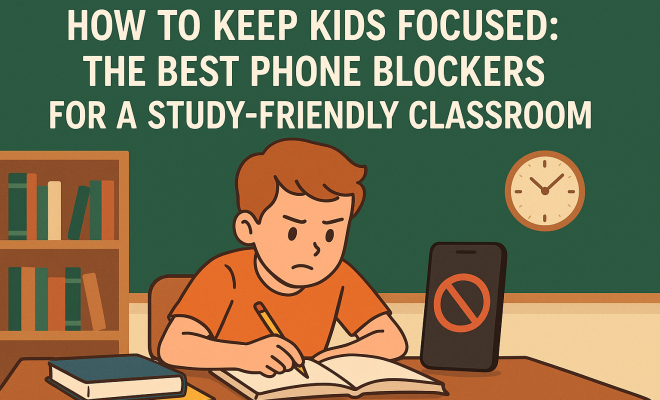
In a world where smartphones have become an essential part of daily life, the debate around their use in classrooms has gained significant traction. U.S. Senator Elissa Slotkin recently ignited a firestorm of discussion on social media by advocating for a total ban on cell phones in K-12 schools across America. She argues that unrestricted access to smartphones during school hours is linked to rising mental health issues among children, including anxiety, depression, and self-harm. As this conversation continues to unfold, many parents are left wondering how to ensure their kids can focus during class without the constant lure of their devices. One effective solution? Investing in the best phone blockers for kids.
1. The Need for Phone Blockers
The rise of smartphones in classrooms has transformed the educational landscape, but it’s not all positive. Studies suggest that the presence of phones can severely disrupt students’ attention spans and learning capabilities. A survey conducted by the American Psychological Association highlights that 67% of teachers have observed a decline in students’ attention due to phone usage. With this context in mind, phone blockers can serve as a critical tool in curtailing distractions.
In light of Senator Slotkin’s campaign, many parents are even more motivated to take action. The question remains: how can parents find the best phone blockers for kids? Understanding their features, effectiveness, and pricing is essential for making a well-informed decision.
2. Types of Phone Blockers
When it comes to keeping kids focused in class, phone blockers can be broadly categorized into two types: apps and physical devices. Each has its own set of features that can cater to varying needs, making it imperative for parents to understand their options.
Apps like Forest and Stay Focused allow parents to set limits on phone usage and provide rewards for screen-free time. These apps often come with analytics that track progress, helping parents and kids to stay motivated. On the other hand, physical devices such as Yondr provide a more immediate solution by locking phones away until school is over. These are particularly popular in schools that have adopted a strict no-phone policy, reinforcing the idea that learning comes first.
3. Top Phone Blocking Apps
In the realm of mobile applications, several contenders stand out as the best phone blockers for kids. Here are some of the most effective options:
- Forest: This innovative app allows users to grow a virtual tree as they stay focused. If they use their phone before the time is up, the tree dies, creating a sense of urgency to remain off the phone.
- Stay Focused: This app enables parents to block distracting apps and websites, creating tailored settings for school hours. Its user-friendly interface makes it easy for both kids and parents to configure.
- Cold Turkey: This is a robust option for those who need a little more restriction. It allows users to block apps and websites for a set duration, making it harder to buckle under peer pressure.
4. Benefits of Phone Blockers
Using phone blockers offers numerous benefits that extend beyond merely limiting phone use. First and foremost, they foster a healthier learning environment. By reducing distractions, these tools can improve academic performance significantly. A study published in the Journal of Educational Psychology found that students who attended classes with restricted phone access scored an average of 20% higher on tests than those who used their devices freely.
Additionally, phone blockers can enhance mental well-being. The correlation between smartphone overuse and mental health issues is well-documented. By limiting screen time, parents can help their children develop better coping mechanisms, improve focus, and nurture healthier social interactions.
5. Physical Phone Blockers: A Practical Solution
While apps provide flexibility, physical phone blockers can be a more reliable solution in school settings. Devices like Yondr enable schools to easily implement phone-free policies without relying solely on students’ willpower. These pouches lock phones away securely and can only be opened in designated areas, ensuring that phones are entirely out of reach during class.
Schools across the U.S. are increasingly adopting such measures. For instance, schools in California reported a 30% decrease in classroom distractions after implementing Yondr. This approach not only removes phones but also encourages students to engage more with their peers and teachers, creating a more conducive learning atmosphere. (See: CDC Youth Risk Behavior Survey.)
6. Cost Considerations
When evaluating the best phone blockers for kids, cost is a crucial factor. Most apps come with a range of pricing options, from free versions with limited features to premium subscriptions that unlock advanced functionalities.
For instance, Forest operates on a freemium model, where basic features are free, but users can purchase virtual coins to unlock additional trees and sounds. Stay Focused is also free, but its premium version allows for more comprehensive scheduling and tracking capabilities. On the other hand, physical blockers like Yondr can require an upfront investment, but schools often find that the benefits in terms of improved attention and reduced anxiety far outweigh the costs. For more context, see best classroom snack ideas.
7. Choosing the Right Phone Blocker
Making the right choice among the best phone blockers for kids depends on several factors: age, tech-savviness, and school policies. For younger children, user-friendly apps that reward good habits may be more effective. Conversely, older children might require more stringent measures, such as physical blockers, to curb their distractions during class.
It’s also essential to involve your child in the decision-making process. Discuss with them the reasons behind using a phone blocker and how it can benefit their education. This not only empowers them but can also make them more likely to stick to the plan.
8. Addressing Concerns About Privacy
One of the significant concerns surrounding the use of monitoring apps is privacy. Parents understandably want to keep tabs on their children’s phone usage, but it’s essential to strike a balance between safeguarding their mental well-being and respecting their privacy. Apps like FamilyTime and Qustodio offer comprehensive monitoring features while allowing parents to set boundaries that protect their children’s autonomy.
Transparency is key—having open discussions about why monitoring is necessary can help alleviate privacy concerns. Explain the importance of focusing in school and how these tools can assist rather than hinder their personal freedom.
9. Future of Phone Blockers in Education
As the conversation around cell phone usage in schools continues to evolve, the future of phone blockers will likely change as well. With the increased focus on mental health, schools may start to adopt broader policies that go beyond just phone restrictions. They could incorporate mental health education as part of the curriculum, helping students understand the implications of smartphone overuse.
Moreover, the technology behind phone blockers is also likely to develop. We might see more sophisticated apps that not only block usage but also promote mindfulness and healthy tech habits through engaging activities.
10. The Road Ahead: Engaging Parents and Schools
The rising trend of phone blockers reflects a larger societal shift towards prioritizing children’s mental health and academic success. As parents and educators grapple with the implications of smartphone use in schools, it’s crucial to engage in open discussions. Schools should consider policies that embrace a partnership with parents, allowing for tailored solutions that cater to the diverse needs of students.
Ultimately, while the best phone blockers for kids can be effective in reducing distractions, they should be one piece of a larger strategy aimed at combating the mental health crisis facing today’s youth. By working together, parents and schools can create an environment that supports students’ growth and well-being.
11. Statistics on Phone Usage Among Kids
Understanding the statistics surrounding smartphone usage among children can help contextualize the need for phone blockers. According to a 2022 report from the Pew Research Center: (See: New York Times article on cell phones in schools.)
- 95% of teenagers have access to a smartphone, and around 45% admit to being online “almost constantly.”
- About 54% of teens say they spend too much time on their phones, leading to feelings of anxiety and pressure.
- Increased academic distraction has been reported, with 68% of teachers stating that phone usage negatively impacts student performance.
- Social media platforms, where many teens spend their time online, have been linked to feelings of inadequacy and anxiety, further underlining the importance of monitoring and limiting screen time.
12. Expert Perspectives on Phone Blockers
Experts in child psychology and education have weighed in on the topic of phone usage and the effectiveness of phone blockers. Dr. Amanda Gummer, a child development expert, emphasizes the importance of balance. “While technology is an integral part of modern life, children need boundaries to develop healthy habits. Phone blockers can facilitate this by reducing temptation and helping kids focus on their education.”
Similarly, educator Mark McDonald states, “The challenge we face is not about banning phones altogether but about teaching children how to manage their time and attention. Tools like phone blockers can serve as a valuable training ground for self-discipline.” For more context, see apps for special needs students.
13. Comparing Various Phone Blockers
When choosing the best phone blockers for kids, it can be helpful to compare their features:
| Phone Blocker | Type | Key Features | Cost |
|---|---|---|---|
| Forest | App | Gamified tree growth, usage analytics, customizable focus timers | Free with in-app purchases |
| Stay Focused | App | Customized blocking, usage tracking, easy-to-use interface | Free with premium options |
| Cold Turkey | App | Complete blocking of distractions, scheduling, customizable timers | $39 for the Pro version |
| Yondr | Physical Device | Secure phone pouch, school-wide implementation, immediate access restriction | $15-$30 per pouch |
14. FAQ: Addressing Common Questions
What are phone blockers?
Phone blockers are tools designed to limit or manage smartphone usage. They can be apps that restrict access to certain features or websites or physical devices that securely hold phones away from users.
Are phone blockers effective for all age groups?
While phone blockers can be beneficial, their effectiveness can vary by age group. Younger children may respond better to gamified apps, while older teens may require stricter measures to combat distractions.
Do phone blockers invade privacy?
Many parents worry about privacy when using phone blockers. It’s essential to choose tools that allow for transparency and open communication, ensuring children understand the reasons for monitoring their usage.
How can I convince my child to use a phone blocker?
Engaging your child in a discussion about the reasons for using a phone blocker can help. Explain how it can support their academic success and well-being and involve them in selecting the right tool.
Can phone blockers help with social skills?
Yes! By limiting screen time, phone blockers can encourage children to engage more with their peers and participate in face-to-face interactions, ultimately fostering better social skills.
How do I choose the right phone blocker for my child?
Consider factors such as your child’s age, their tech-savviness, and the school’s policies on phone use. Involve your child in the decision-making process to find a solution that works for everyone.
Is it okay to use both apps and physical blockers?
Using a combination of both can be very effective. For instance, an app can manage daily usage while a physical blocker can reinforce restrictions during school hours. For more context, see best science websites for students.
15. Real-life Experiences with Phone Blockers
Stories from parents and educators reveal how implementing phone blockers can lead to significant improvements in focus and academic performance. For instance, Julie, a mother of two, shares how her children benefitted from using the Forest app. “Initially, they were resistant to the idea, but once they saw how much more they could accomplish without distractions, they embraced it. Their grades improved, and they felt more accomplished.”
Teachers also share similar sentiments. Mr. Thompson, a high school teacher, implemented Yondr pouches in his classroom. “The change was immediate. I noticed that students were more engaged and participated more actively in discussions. It was refreshing to see them interacting with each other rather than their screens.”
16. Long-term Impacts of Phone Blockers
The long-term effects of using phone blockers may extend beyond academic performance. By teaching kids how to manage their device usage, parents are instilling valuable life skills. Experts suggest that children who learn to set boundaries on their screen time are more likely to carry these habits into adulthood. This could mean healthier relationships with technology, leading to improved overall well-being.
Furthermore, the reduction in screen time can lead to more physical activity, improved sleep habits, and stronger interpersonal relationships. As families engage in more screen-free time together, they foster closer bonds and create lasting memories.
17. Challenges in Implementing Phone Blockers
Implementing phone blockers isn’t without its challenges. Resistance from children is common, especially for teenagers who feel that their autonomy is being threatened. Open communication is key. Parents may need to explain why they believe reducing screen time is crucial for their child’s development. It’s also essential for parents to model healthy phone habits themselves. If kids see their parents constantly glued to their devices, they may be less likely to adhere to phone restrictions.
Another challenge is the potential for students to find ways around the restrictions, particularly with physical blockers. Schools need to foster an environment of trust, encouraging students to understand the purpose behind these measures rather than viewing them as punitive.
18. Conclusion: Building a Supportive Environment
The conversation surrounding phone usage and the need for effective blockers is ongoing. By exploring all options, parents and educators can work together to ensure that children develop not only academically but also socially and emotionally. The best phone blockers for kids can be a vital part of this strategy, promoting mindfulness and focus in an age dominated by digital distractions. When approached thoughtfully, phone blocking can lead to a healthier balance and a more fulfilling educational experience for our children.
“`
Trending Now
Frequently Asked Questions
What are the best phone blockers for kids in the classroom?
The best phone blockers for kids include both apps and physical devices. Popular apps such as Forest and Stay Focused help limit phone usage while providing rewards for screen-free time. Physical devices can block signals or lock phones away during class hours, ensuring students stay focused on their studies.
How do phone blockers help kids concentrate in school?
Phone blockers help kids concentrate by eliminating distractions from smartphones, which are linked to decreased attention spans. By restricting access to devices during class, these tools promote a more focused learning environment, allowing students to engage better with their lessons and reduce anxiety related to constant notifications.
Are there apps that can block phone usage during school hours?
Yes, there are several apps designed to block phone usage during school hours. Apps like Forest and Stay Focused allow parents to set usage limits, track screen time, and encourage kids to spend more time on their studies rather than on their devices, fostering a more productive classroom experience.
What features should I look for in a phone blocker?
When choosing a phone blocker, look for features such as customizable usage limits, analytics to track phone use, and rewards systems for screen-free time. Additionally, consider whether you prefer an app or a physical device to effectively meet your child's needs in maintaining focus during class.
What impact do smartphones have on children's learning?
Smartphones can negatively impact children's learning by causing distractions, leading to decreased attention spans. A survey by the American Psychological Association found that 67% of teachers reported a decline in student attention due to phone usage, highlighting the need for effective solutions like phone blockers to enhance focus.
Agree or disagree? Drop a comment and tell us what you think.