The Best Swim Floaties For Toddlers
“`html
As summer approaches, many parents eagerly anticipate fun-filled days at the pool, beach, or lake. However, ensuring your toddler’s safety while they enjoy the water is paramount. One of the best ways to do this is by using swim floaties designed specifically for young children. In this article, we’ll explore the best swim floaties for toddlers, looking at their features, benefits, and what to consider when choosing the right one for your little swimmer.
1. Swim Wings: Freedom and Safety Combined
Swim wings are a popular choice among parents for toddlers learning to float independently. These inflatable arm bands provide buoyancy while allowing children to paddle and move freely in the water. Swim wings are designed to keep your child’s head above water while also giving them the confidence to explore their swimming skills.
One of the significant advantages of swim wings is that they come in various sizes and designs, often featuring colorful characters that appeal to young toddlers. However, it’s crucial to monitor your child closely, as swim wings do not replace adult supervision. Brands like Intex and Bestway offer reliable options that are easy to inflate and deflate, making them ideal for on-the-go family outings.
2. Life Jackets: Safety First
If you are looking for something that provides more comprehensive safety, a certified life jacket is an excellent option. These jackets are designed to keep your toddler afloat even if they fall into the water unexpectedly. Unlike floaties that may slip off or deflate, life jackets are worn securely and provide full-body support.
When choosing a life jacket, ensure it is U.S. Coast Guard-approved and fits your toddler properly. Popular brands like Stearns and O’Brien offer jackets specifically designed for toddlers, featuring bright colors and fun designs. It’s recommended to check the weight and age guidelines to ensure a comfortable fit, as this will enhance safety and buoyancy.
3. Inflatable Pool Floats: Fun and Relaxation
Inflatable pool floats come in various shapes and sizes, providing an excellent way for toddlers to relax and play in the water. From unicorns to sharks, these playful designs often attract children, making pool time even more enjoyable. Most inflatable floats also come equipped with safety features like built-in handles to help your toddler stay secure.
While inflatable pool floats are generally fun, parents should choose options designed specifically for toddlers and check the weight limits before purchase. Brands like SwimSchool and PoolCandy create toddler-friendly floats that combine safety and fun. These floats are perfect for lounging around and can help toddlers get accustomed to the water.
4. Swim Vests: Comfortable and Secure
Swim vests are another fantastic option when searching for the best swim floaties for toddlers. These vests offer a snug fit and allow for more freedom of movement than traditional life jackets. They typically feature adjustable straps, so you can ensure a secure fit for your child.
Many swim vests are designed with fun graphics and bright colors to keep toddlers engaged. Additionally, they provide essential flotation while allowing little ones to practice their swimming skills. Brands like Speedo and Zeroll are known for their excellent swim vests that combine safety, style, and comfort. (See: water safety tips from CDC.)
5. Floating Rings: Classic but Effective
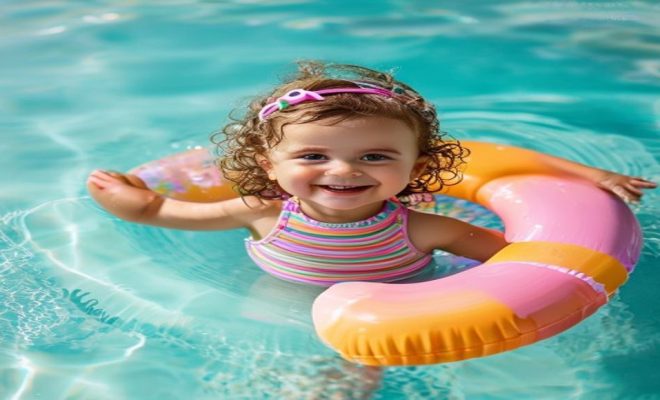
Floating rings, also known as swim rings, are a classic choice for young children. They come in various sizes, and many have added safety features like a built-in mesh seat for extra security. Floating rings can be great for helping toddlers get comfortable in the water, allowing them to wiggle and splash around in a controlled manner.
However, parents should always keep a close watch, as floating rings can sometimes tip over if kids lean too far. Brands like Intex and Little Tikes offer reliable float rings that are designed explicitly for toddlers, ensuring they can have fun safely.
6. Arm Floaties: A Step Towards Independence
Arm floaties, also referred to as inflatable armbands, can provide the perfect balance between safety and independence for toddlers. These small inflatable bands slip over the child’s arms, giving them buoyancy while allowing them to paddle and kick freely, mimicking swimming movements.
When selecting arm floaties, look for products made from durable materials that provide a secure fit. Brands like Bestway and Swimways have options that are bright and attractive to little ones while ensuring safety. These floaties can help toddlers gain confidence as they start to learn how to swim independently.
7. Convertible Floaties: Versatile Options for Growing Kids
In today’s market, convertible floaties are gaining popularity for their versatility. These floaties can adjust as your child grows, making them a cost-effective solution for parents. Many convertible floaties start as a supportive seat for younger toddlers and can transform into arm floaties as your child learns to swim.
These innovative designs not only save money but also ensure that parents get lasting use from their investment. Brands like Baby Shark and SwimSafe provide convertible options that are colorful and engaging, making them a fantastic choice for active toddlers. Consider investing in a convertible floatie to ensure your child has the support they need, no matter their swimming level.
Choosing the Right Swim Floatie for Your Toddler
With so many options available, it’s essential to choose the right floatie for your toddler. Here are some key factors to consider:
- Age and Weight: Check the manufacturer’s guidelines to ensure the floatie is appropriate for your child’s age and weight.
- Material Quality: Look for durable, puncture-resistant materials that can withstand rough play and won’t easily deflate.
- Safety Features: Ensure that the floatie has safety features, such as secure straps, handles, and bright colors for visibility.
- Ease of Use: Opt for floaties that are easy to inflate and deflate for convenience and portability.
- Comfort: Choose floaties with soft materials that won’t irritate your toddler’s skin or hinder their movement.
The Importance of Supervision
No matter how safe your chosen floatie may be, nothing replaces the need for vigilant adult supervision when toddlers are in or around water. Drowning can happen quickly and silently, so it’s crucial to keep a watchful eye on your child while they’re enjoying their time in the water. Experts recommend maintaining close proximity and being within arm’s reach of your toddler when they are swimming or playing.
Additionally, it’s essential to teach your child water safety rules, such as not running by the pool, understanding the importance of waiting for adult assistance, and avoiding diving or jumping into shallow areas. These precautions can help establish a foundation for safe water play and better prepare your toddler for swimming lessons in the future. (See: NIH water safety guidelines.)
Understanding Different Swimming Environments
When choosing floaties, consider the environment where your toddler will be swimming. Different settings like pools, lakes, and oceans each have unique safety concerns and requirements. For instance, while a pool may have controlled conditions, lakes and oceans can be unpredictable with waves and currents. In these cases, a life jacket is often the best choice, as it provides the necessary buoyancy and support.
On the other hand, if you’re at a pool, swim wings or inflatable pool floats can be more appropriate for play and relaxation. Always assess the surroundings and adjust your choice of floaties accordingly to ensure maximum safety and enjoyment.
Popular Features of Today’s Floaties
Modern swim floaties come packed with features designed to enhance safety and enjoyment. Some of the most popular include:
- Anti-Inflation Technology: Many brands now offer floaties with built-in anti-deflation features, ensuring they stay inflated during use.
- UV Protection: Some floaties are made with UV-resistant materials to protect your child from sunburn while they float.
- Comfort Padding: Look for floaties with extra padding or soft materials to provide comfort and prevent chafing.
- Adjustable Straps: Floaties with adjustable straps help secure the fit, accommodating growing toddlers.
- Visibility Enhancements: Bright colors and reflective materials increase visibility in the water, making it easier to spot your child even from a distance.
Common Misconceptions About Swim Floaties
There are several misconceptions surrounding the use of swim floaties for toddlers. It’s essential to clarify these to ensure parents make informed decisions:
- Floaties Can Replace Supervision: Many parents mistakenly believe that using floaties allows them to take their eyes off their child. In reality, supervision is still crucial, regardless of the floatie’s safety features.
- All Floaties are the Same: Not all floaties offer the same level of safety or quality. It’s important to choose those specifically designed for toddlers and meet safety standards.
- Floaties Can Teach Swimming Skills: While floaties help with buoyancy, they don’t teach children how to swim. Enrolling in swimming lessons is the best way for toddlers to learn swimming techniques safely.
Frequently Asked Questions about Swim Floaties for Toddlers
Here are some common questions parents have about swim floaties for toddlers:
What is the best age to start using swim floaties?
Generally, toddlers can start using swim floaties once they are comfortable in the water, usually around 2 to 3 years old. However, it’s vital to consider each child’s comfort level and readiness.
Are inflatable floaties safe?
Inflatable floaties can be safe when used correctly and under adult supervision. Always check for punctures or leaks before each use and ensure they fit securely.
Can my child use swim floaties in the ocean?
While swim floaties can be used in the ocean, they may not provide enough safety due to waves and currents. A U.S. Coast Guard-approved life jacket is recommended for ocean use. (See: WHO drowning prevention facts.)
How often should I inspect swim floaties?
Inspect swim floaties before each use for any signs of wear and tear. Look for punctures, deflation, or loose straps to ensure they are safe for your child to use.
What’s the difference between a life jacket and floaties?
Life jackets are designed to keep a person afloat in emergencies and must meet safety standards, while floaties are more for leisure and may not provide the same level of buoyancy or security.
Additional Tips for Safe Water Fun
To ensure a safe and enjoyable experience in the water, consider these additional tips:
- Check Water Conditions: Before allowing your toddler to enter the water, ensure that the conditions are safe. Look for any strong currents, waves, or debris that could pose a hazard.
- Introduce Water Gradually: If it’s your toddler’s first time in the water, consider introducing them gradually. Start with shallow areas and allow them to get used to the sensation of being in the water.
- Teach the Basics: Consider teaching your child basic swimming skills, even at a young age. Teaching them how to kick, float, and hold their breath can build confidence and safety awareness.
- Use a Pool Barrier: If you have a pool at home, make sure to use childproof barriers to keep toddlers away from the water when not supervised.
- Have a Water Safety Kit: Keep a kit nearby with essential safety items like a first aid kit, flotation devices, and a whistle to signal for help if needed.
Understanding the Benefits of Swim Floaties
Swim floaties do more than just keep toddlers afloat; they also provide several developmental benefits:
- Confidence Building: As toddlers learn to float and paddle, they build confidence in their abilities, which can foster a love for swimming.
- Physical Activity: Staying active in the water promotes physical fitness and coordination, which can be beneficial to toddlers’ overall development.
- Social Skills: Swimming often occurs in group settings, allowing children to interact with their peers and develop social skills while having fun.
- Learning Water Safety: Early exposure to water activities teaches children the importance of safety, making them more aware of their surroundings.
The Environmental Impact of Swim Floaties
When choosing swim floaties, it’s worth considering their environmental impact. Many swim floaties are made from PVC, which is not biodegradable and can contribute to plastic pollution. Here are some eco-friendly alternatives and practices to consider:
- Biodegradable Materials: Some brands are beginning to produce floaties made from biodegradable materials. These options can significantly reduce environmental impact.
- Recycling Programs: Look for companies that offer recycling programs for used floaties, ensuring they don’t end up in landfills.
- Durability Matters: Investing in high-quality, durable floaties means they’ll last longer, reducing the need for frequent replacements.
- Secondhand Options: Consider purchasing secondhand floaties. This practice not only saves money but also contributes to reducing waste.
Conclusion: Make Water Play Safe and Fun
Finding the best swim floaties for toddlers is a crucial step toward ensuring a fun and safe experience in the water. With the variety of options available, from swim wings to life jackets, there’s something to fit your needs. Always prioritize safety and supervision as you introduce your child to the joys of swimming. By considering the recommendations and brands mentioned in this article, you’ll be well-equipped to make informed choices that foster your toddler’s love for the water.
“`
Trending Now
Frequently Asked Questions
What are the best swim floaties for toddlers?
The best swim floaties for toddlers include swim wings and life jackets. Swim wings provide buoyancy and allow freedom of movement, while life jackets offer comprehensive safety and are U.S. Coast Guard-approved. Brands like Intex, Bestway, Stearns, and O’Brien are popular choices.
Are swim wings safe for toddlers?
Swim wings are generally safe for toddlers as they provide buoyancy and help them learn to float. However, they should not replace adult supervision. It's essential to monitor your child closely while using swim wings to ensure their safety in the water.
How do I choose a life jacket for my toddler?
When choosing a life jacket for your toddler, ensure it is U.S. Coast Guard-approved and fits properly according to weight and age guidelines. Look for designs that are comfortable and appealing to your child, and brands like Stearns and O’Brien offer reliable options.
Can floaties replace adult supervision in the water?
No, floaties should never replace adult supervision in the water. While they provide buoyancy and support, constant adult oversight is crucial to ensure your toddler's safety during swimming activities.
What features should I look for in toddler swim floaties?
When choosing swim floaties for toddlers, look for features like buoyancy, secure fitting, bright colors, and fun designs. Ensure they are easy to inflate and deflate for convenience, and consider options that allow for freedom of movement while keeping safety in mind.
Have you experienced this yourself? We’d love to hear your story in the comments.