Cell Phone Bans in Schools: Protecting Student Mental Health?
“`html
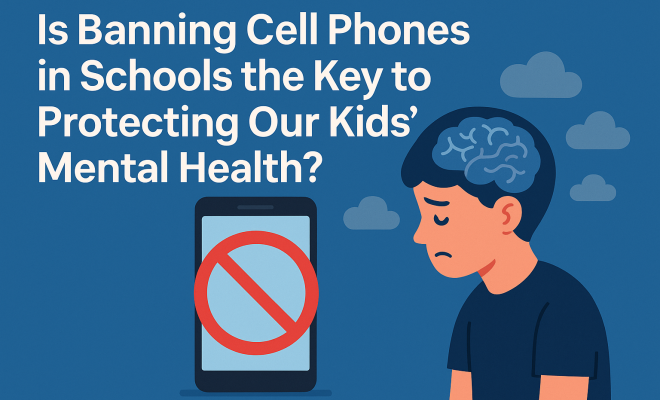
The debate surrounding cell phones vs mental health in schools has gained significant traction in recent years, especially as educators and parents grapple with the implications of smartphone usage in classroom settings. U.S. Senator Elissa Slotkin recently sparked a viral conversation on this topic, advocating for a complete ban on cell phones in K-12 classrooms. Her argument is compelling: as smartphone access increases, so do alarming rates of depression, anxiety, and self-harm among children. But does restricting cell phone access genuinely lead to improved mental well-being for students? Let’s explore this complex issue through various studies and expert opinions.
1. The Rise of Smartphone Usage Among Students
Smartphone usage has exploded in recent years, with over 95% of teens in the U.S. owning a smartphone. This pervasive presence of technology has shifted the dynamics of learning and social interactions within schools. While mobile devices can provide educational resources and facilitate communication, they also pose significant distractions that can hinder academic performance and emotional health.
In the classroom, the allure of social media, games, and messaging apps can divert students’ attention from their studies. This distraction not only affects individual learning outcomes but also influences the overall classroom environment, making it challenging for teachers to maintain focus. The question arises: Is the convenience of smartphones worth the potential decline in students’ mental health?
2. Link Between Smartphone Use and Mental Health Issues
Numerous studies have explored the correlation between smartphone usage and mental health issues among adolescents. According to a study published in the journal JAMA Psychiatry, teenagers who spend more than three hours per day on their smartphones are at a higher risk for mental health disorders, including depression and anxiety. This alarming statistic underscores the urgency of addressing smartphone usage in schools.
Furthermore, the American Psychological Association has reported a troubling increase in self-harm among teens, coinciding with the rise of smartphone access. Social media platforms often exacerbate feelings of inadequacy and loneliness, which can lead to detrimental mental health outcomes. By restricting smartphone access in schools, we may be able to create a more supportive environment for students’ emotional well-being.
3. Case Studies: Phone-Free vs. Phone-Friendly Environments
To better understand the impact of cell phones on mental health, several schools have conducted case studies comparing phone-free environments with those that allow smartphone usage. One notable example is a school in New York City that implemented a complete ban on cell phones in classrooms. According to reports, students’ grades improved significantly, and teachers noted a more engaged and focused classroom atmosphere.
Conversely, schools that permit cell phone usage often report higher instances of behavioral issues and distractions. This contrast illustrates the potential benefits of a phone-free policy, not only for academic performance but also for students’ emotional health. The challenges of balancing technology use with mental health needs are evident in these case studies.
4. Parental Perspectives on Cell Phone Policies
Parents naturally want what’s best for their children, and the growing concern over mental health has led many to support stricter policies regarding smartphone use in schools. The fear of missing out on their children’s well-being drives discussions around implementing bans on cell phones. Parents who are informed about the negative impacts of smartphone usage tend to advocate for phone-free environments.
Moreover, parents often express their frustrations with the distractions posed by smartphones during school hours. Many worry that their children are not only missing out on learning opportunities but are also exposed to harmful online content. The collective concern among parents adds weight to the argument for restricting cell phone access in schools.
5. Expert Opinions: What Psychologists Say
Psychologists and mental health professionals have weighed in on the cell phones vs mental health in schools debate. Many experts agree that the continuous exposure to social media and online interactions can lead to heightened anxiety levels among students. Dr. Jean Twenge, a psychologist and author of iGen, emphasizes the detrimental effects of smartphones on adolescents, stating that increased screen time correlates with declining mental health.
Experts also advocate for creating tech-free zones within schools to foster healthier interactions and focus on learning. By limiting smartphone access, schools can help reduce feelings of isolation and promote face-to-face communication among peers. This shift could be integral to improving students’ mental health and overall school experience. (See: CDC Youth Risk Behavior Survey.)
6. Balancing Technology and Education
While the discussion largely centers around banning cell phones, it’s essential to consider the role of technology in modern education. Smartphones, when used appropriately, can be powerful tools for learning. Access to educational apps and resources can enhance the learning experience, making it more interactive and engaging.
Teachers are encouraged to find a balance between utilizing technology and minimizing its distractions. Implementing structured guidelines for smartphone usage, such as allowing phones only during specific educational activities, can help maintain focus while still integrating technology into the classroom. This dual approach may allow schools to harness the benefits of smartphones while mitigating their negative impacts. For more context, see Best Public Middle Schools in America.
7. Successful Models: Schools That Got It Right
Several schools across the globe have successfully implemented policies that prioritize mental health while incorporating technology. For instance, a school in Finland has adopted a model where students are encouraged to leave their phones in designated areas during class. This policy has resulted in improved concentration and increased academic performance, underscoring the potential benefits of a phone-free environment.
Additionally, schools that provide mental health resources alongside technology integration have seen positive outcomes. Programs that teach students about responsible smartphone usage can empower them to make better choices about their screen time, reducing some of the negative mental health implications associated with excessive smartphone access.
8. Legislative Efforts and Policy Changes
Senator Elissa Slotkin’s campaign to ban cell phones in K-12 classrooms reflects a growing recognition of the need for legislative action surrounding this issue. As mental health crises become more prevalent, policymakers are beginning to take notice. Slotkin’s stance has sparked discussions among educators and parents alike, prompting many to advocate for similar initiatives in their own districts.
Legislation aimed at regulating smartphone use in schools could pave the way for healthier learning environments. As more states consider similar proposals, a national conversation about the intersection of technology and mental health in education is likely to unfold.
9. Moving Forward: Strategies for Parents and Schools
As the conversation surrounding cell phones vs mental health in schools continues, both parents and educators must work collaboratively to address the challenges posed by smartphone usage. Schools can implement policies that create tech-free zones and promote mental health resources. Parents can engage in conversations with their children about responsible smartphone use and its impact on their well-being.
Ultimately, the goal should be to foster a learning environment that prioritizes mental health without sacrificing the educational benefits that technology can offer. By working together, we can create supportive spaces for students to thrive academically and emotionally.
In this digital age, finding a balance between cell phone usage and mental health is paramount. As the debate evolves, the potential for positive change—through policies, parental involvement, and educational strategies—remains within reach. Are we ready to take the necessary steps to protect our children’s mental well-being in the classroom? For more on this, see exploring childhood mental health.
10. The Role of Social Media in Shaping Mental Health
Social media platforms are an integral part of many adolescents’ lives. While they can offer positive connections and support networks, they can also contribute to feelings of inadequacy and anxiety. A recent study from the Pew Research Center found that 69% of teens feel pressure to post content that will get a lot of likes and comments, which can lead to distress when the response falls short. The constant comparison with peers can be detrimental to self-esteem and overall mental health.
Some educators and psychologists suggest incorporating lessons on social media literacy into school curriculums. Teaching students how to critically analyze social media content and understand the implications of online interactions could help mitigate some negative effects. Schools could offer workshops focusing on the psychological impacts of social media, equipping students with skills to navigate the digital landscape more healthily.
11. Statistics on Mental Health in Schools
The statistics surrounding mental health in schools are striking. The National Institute of Mental Health reports that nearly 1 in 5 adolescents aged 13-18 have, or will have, a serious mental illness. This staggering figure highlights the need for proactive measures in schools, especially with the increasing presence of smartphones. Moreover, a survey from Common Sense Media revealed that 47% of teens feel overwhelmed by the pressure to be online and respond quickly to messages and posts. (See: New York Times on teens and smartphones.)
In light of these statistics, schools must consider the potential implications of smartphone access on their students’ mental health. Implementing policies to reduce smartphone use could be a critical step in addressing this ongoing crisis. By fostering a healthier environment, schools can focus on providing the support students need to thrive both academically and emotionally.
12. The Impact of Peer Relationships on Mental Health
Peer relationships play a crucial role in adolescent development. Healthy friendships can provide support and improve mental health, whereas negative interactions can lead to increased anxiety and depression. Smartphones often mediate these peer interactions, for better or worse. The ability to communicate instantly can be beneficial, yet the anonymity of online platforms sometimes leads to cyberbullying and exclusion, which significantly impact mental well-being. For more context, see Best Apps and Tools for Special Needs Students.
Schools could benefit from programs aimed at fostering positive peer relationships. Initiatives that encourage collaboration, group activities, and face-to-face communication can help build a supportive community within schools. By promoting strong interpersonal skills and emotional intelligence, schools can help mitigate some of the negative effects associated with smartphone usage.
13. Creating a Comprehensive Policy Framework
As the discourse surrounding smartphone use and mental health continues, schools need to establish comprehensive policies that address these issues holistically. A well-rounded policy framework would not only incorporate bans on phone usage but also include mental health resources, educational programs about responsible tech use, and a clear communication strategy involving parents, students, and educators.
Such a framework could involve creating a task force that includes teachers, mental health professionals, and parents to regularly review the policy’s effectiveness and make necessary adjustments. Active engagement and feedback from all stakeholders can ensure that the policies reflect the needs and concerns of the school community while promoting a healthier learning environment.
14. Frequently Asked Questions (FAQ)
What are the main mental health issues associated with smartphone use in schools?
Common mental health issues linked to excessive smartphone use include anxiety, depression, and feelings of isolation. Adolescents may struggle with constant social comparison and cyberbullying, which can exacerbate these conditions.
How can schools effectively implement cell phone bans?
Schools can introduce cell phone bans gradually, starting with designated tech-free zones and clear guidelines on when phones can be used. Involving students in the discussion about the policies can also increase buy-in and adherence to the rules.
Are there any benefits to smartphone use in education?
Yes, when used responsibly, smartphones can enhance learning through educational apps, research tools, and communication platforms. It’s about finding the right balance between education and distraction.
How can parents support their children’s mental health regarding smartphone use?
Parents can engage in open conversations with their children about their smartphone use, set boundaries, and encourage outdoor activities and face-to-face interactions. Being an involved and understanding parent can significantly impact a child’s mental well-being.
Is there any evidence that banning cell phones improves academic performance?
Research indicates that schools that have implemented cell phone bans often see improvements in academic performance and classroom engagement. This suggests that reducing distractions can lead to better learning outcomes. For more context, see The Best Science Websites for Elementary School Students.
15. In-Depth Analysis: The Effects of Screen Time
Understanding the nuanced effects of screen time on mental health is crucial in this ongoing conversation. Research indicates that not all screen time is created equal. For example, active engagement on educational platforms or video calls with friends may have less negative impact than passive consumption of social media or gaming. A study from the University of Michigan highlighted that high levels of passive use were linked to greater feelings of depression and social anxiety, while more interactive uses had a neutral or even positive effect on mental well-being.
For educators and parents, this means the focus should not solely be on the quantity of screen time, but rather on its quality. Encouraging students to engage in meaningful digital interactions could help foster mental resilience. Schools might consider implementing programs that encourage students to use their devices for collaborative projects, thus promoting positive interactions and learning while still utilizing technology.
16. Examples of Schools Implementing Positive Technology Use
Some educational institutions have taken innovative approaches to integrate technology positively. For instance, in California, some schools have launched pilot programs where students are taught digital citizenship alongside traditional curricula. These programs often include workshops on managing online interactions, recognizing online toxicity, and building healthy online communities. The outcomes have shown that students participating in these programs reported lower levels of anxiety related to online engagement.
In another example, a high school in Oregon initiated a “tech-break” policy, where students are encouraged to take breaks from their devices during class. This has resulted in improved attention spans and classroom behavior, with students reporting feeling less overwhelmed by constant notifications and distractions.
17. Future Directions: Technology Integration in Education
As we look to the future, the challenge for schools will be to balance the benefits and drawbacks of technology in education. One potential avenue is the adoption of “smart” classrooms that use technology to enhance learning while managing distractions. For example, adaptive learning technologies that tailor educational content to individual student needs can help educators meet the diverse requirements of their students without constant smartphone use.
Future policy discussions may also focus on how to leverage technology for social and emotional learning, promoting tools that support mental health directly through apps and online resources designed specifically for students. Engaging students in discussions about their digital lives and the impact of smartphones on their mental health is crucial. This collaborative approach can empower students to take charge of their well-being while still benefiting from the educational tools available through technology.
18. Conclusion: Striking a Balance
The dialogue surrounding cell phones vs mental health in schools is far from settled, but it is clear that meaningful changes are necessary. Striking a balance between leveraging technology for educational advancement while safeguarding students’ mental health is paramount. As the landscape of education continues to evolve, schools, parents, and students must work together to foster environments that prioritize mental health and effective learning.
“`
Trending Now
Frequently Asked Questions
Does banning cell phones in schools improve mental health?
Banning cell phones in schools may lead to improved mental health for students by reducing distractions and the temptation of social media. Studies suggest that limiting smartphone use can decrease anxiety and depression rates among adolescents, as it allows for more focused learning and social interactions.
What are the effects of smartphone usage on students?
Smartphone usage among students can lead to significant distractions in the classroom, impacting academic performance and emotional health. Increased screen time is linked to higher risks of mental health disorders, including anxiety and depression, particularly for those using smartphones for over three hours daily.
Why do schools want to ban cell phones?
Schools are considering banning cell phones to mitigate distractions, enhance focus, and protect students' mental health. The pervasive use of smartphones has been associated with rising rates of anxiety, depression, and self-harm among teenagers, prompting educators to seek solutions that foster a healthier learning environment.
How prevalent is smartphone ownership among teens?
Smartphone ownership among teens is extremely high, with over 95% of teenagers in the U.S. owning a smartphone. This widespread access has transformed learning dynamics and social interactions, raising concerns about its impact on mental health and academic performance. See also essential tips for social media safety.
What studies link smartphone use and mental health issues?
Research, including studies published in JAMA Psychiatry, indicates a strong correlation between excessive smartphone use and mental health issues in adolescents. Teenagers spending more than three hours on their devices daily are at a significantly higher risk for developing disorders like depression and anxiety.
What did we miss? Let us know in the comments and join the conversation.