Yellowstone Eruption 2026: Travel Chaos & Mass Evacuations
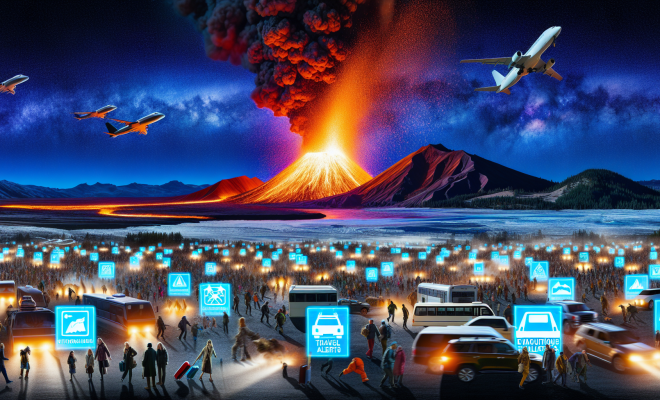
On May 9, 2026, the world was rocked by an unprecedented natural disaster as the Yellowstone supervolcano erupted unexpectedly. This catastrophic event sent ash clouds soaring up to 30,000 feet into the air, grounding flights and triggering Yellowstone eruption travel alerts that impacted over 500,000 travelers across the US West Coast. The seismic shockwaves from the explosion, recorded as a VEI-5 (Volcanic Explosivity Index), were felt as far as 1,000 miles away, causing widespread panic and immediate evacuations in surrounding towns.
The Immediate Aftermath of the Eruption
The eruption prompted an urgent response from various federal agencies. FEMA Director Elena Vasquez declared a national emergency, mobilizing resources to assist affected areas. Evacuations were swiftly enacted in towns like West Yellowstone and Jackson Hole, providing a stark reminder of the volatility of one of America’s most iconic natural wonders.
Travel Chaos Unfolds
The implications of this eruption were immediately felt in the travel industry. With flights canceled and routes disrupted, industry leaders forecasted losses soaring to $10 billion. Social media platforms lit up, with TikTok and X (formerly Twitter) buzzing with a staggering 2.5 million shares within just 24 hours. Users flooded feeds with shocking live videos showcasing lava flows and ash accumulation, prompting fears of a “doomsday scenario” that could close iconic parks indefinitely.
Public Reaction and FOMO
The eruption not only sparked fear but also a sense of urgency among adventure-seekers. Searches for phrases like ‘Yellowstone safe to visit’ surged a jaw-dropping 1,200% on Google Trends, reflecting a blend of excitement and anxiety. The Fear of Missing Out (FOMO) was palpable as millions flocked to social media, sharing their thoughts on what this eruption could mean for both travel and the environment.
Environmental Impact and Safety Measures
The US Geological Survey (USGS) reported that the volcanic activity could lead to long-term changes in the area’s ecology. The ash fallout, coupled with lava flows, poses significant health risks, prompting health officials to issue advisories about air quality. As a result, park officials have monitored the situation closely, emphasizing safety for both residents and visitors.
Travel Alerts and Advice for Visitors
In light of the eruption, travelers are advised to heed Yellowstone eruption travel alerts from the National Park Service and local authorities. Here are vital safety tips for those planning to visit:
- Stay Informed: Regularly check updates from the USGS and National Park Service.
- Avoid Contaminated Areas: If ash is present, avoid outdoor activities.
- Follow Evacuation Orders: Pay attention to local alerts and evacuate if instructed.
- Prepare for Delays: Anticipate travel disruptions and plan accordingly.
While the current situation is dire, the resilience of travel and tourism in the face of such natural events could lead to recovery efforts that reshape the industry in the years to come.
The Road Ahead
As the dust settles—literally—after this eruption, the focus will shift to recovery and restoration. Experts predict that the tourism landscape may evolve, with potential shifts in how people engage with national parks. The desire for adventure remains strong, but safety will undoubtedly take precedence in the hearts and minds of travelers.
With Yellowstone being a cornerstone of American natural beauty and wilderness exploration, the hope is that this incident will lead to better preparedness and awareness for future events. As we monitor the aftermath, it’s crucial to remember the lessons learned from this eruption: nature is unpredictable, and respect for its power is paramount.