Spirit Airlines Shutdown 2026: What Travelers Need to Know
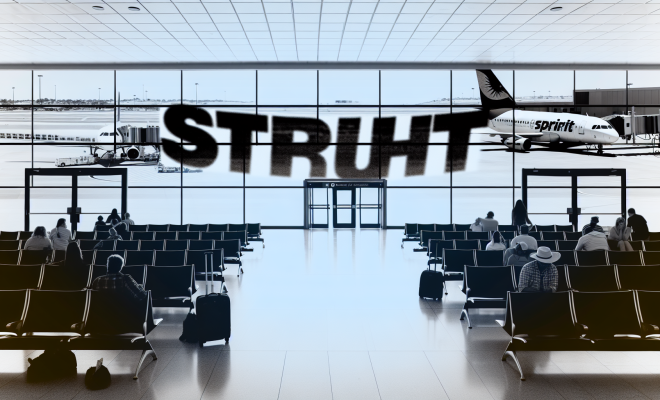
The Spirit Airlines shutdown on May 2, 2026, marked an unprecedented moment in the aviation industry, ending a 34-year journey for the ultra-low-cost carrier. Following a series of failed mergers and ongoing financial challenges, Spirit Airlines has officially ceased operations, raising numerous questions for travelers and industry observers alike.
What Led to the Spirit Airlines Shutdown?
Spirit Airlines’ abrupt closure can be traced back to a combination of factors. Over the years, the airline struggled with various financial issues, which were exacerbated by unsuccessful attempts to merge with larger airlines. These merger attempts aimed to stabilize the company but ultimately failed, leaving Spirit in a precarious position.
According to reports, a majority of Americans, approximately 72%, will remain unaffected by the Spirit Airlines shutdown. This statistic suggests that the majority of travelers either do not rely on Spirit or have other travel options available, highlighting the competitive nature of the airline industry.
Liquidation Process and Minimal Travel Disruption
As part of the liquidation process, Spirit Airlines is expected to handle its assets and debts in a manner that minimizes disruption for its customers. Many travelers may be concerned about their existing bookings and any potential refunds. Fortunately, travel industry experts have indicated that most Spirit customers should not experience significant issues.
Furthermore, airlines that are likely to benefit from this shutdown are already being identified. Notably, United Airlines has emerged as a frontrunner, with a reported 63.6% consideration rate among former Spirit users looking for alternative flights. Other airlines expected to gain traction include American Airlines and Delta Air Lines, both of which stand to absorb a portion of the displaced Spirit clientele.
Impact on Travelers: Alternatives to Consider
In the aftermath of the Spirit Airlines shutdown, many travelers are turning to alternative airlines for their travel needs. With the competitive landscape in the airline industry, options abound for those seeking affordable flights. Some of the prominent alternatives include:
- United Airlines – With a robust network and numerous flight options, United is positioned well to capture former Spirit customers.
- American Airlines – Known for its extensive route network, American is another viable option for those looking to fill the void left by Spirit.
- Delta Air Lines – Delta’s reputation for customer service and reliability makes it a strong contender for Spirit’s former passengers.
- Southwest Airlines – Famous for its no-frills service and low fares, Southwest remains a popular choice for budget travelers.
- JetBlue Airways – With a focus on the customer experience, JetBlue offers a comfortable alternative for those seeking affordable flights.
Public Reaction: The Debate Rages On
The news of the Spirit Airlines shutdown has sparked an outpouring of reactions on social media platforms, with Reddit threads and Quora discussions buzzing with opinions and debates. Many travelers are expressing a sense of loss, while others reflect on the challenges faced by budget airlines in today’s market.
Travelers are increasingly searching for alternatives, driven by Google spikes on queries related to the Spirit Airlines shutdown. This indicates a growing concern among consumers about their travel options and the future landscape of affordable air travel.
The Future of Ultra-Low-Cost Carriers
The Spirit Airlines shutdown raises significant questions about the future of ultra-low-cost carriers. As the airline landscape continues to evolve, industry experts are keenly observing whether other budget airlines can adapt to market pressures and consumer expectations.
With the closure of Spirit, there is speculation about whether similar airlines might face challenges down the line or if new entrants will emerge to fill the gap left by Spirit. The potential for consolidation in the industry could also alter the competitive dynamics, prompting existing airlines to rethink their strategies to cater to price-sensitive travelers.
Conclusion: Navigating the Post-Spirit Landscape
As travelers adjust to the reality of the Spirit Airlines shutdown, the emphasis shifts to finding reliable alternatives and ensuring a smooth transition. The competitive airline market offers a plethora of options, and former Spirit customers are encouraged to explore these choices.
Whether flying with United, American, Delta, or other carriers, the key takeaway for travelers is to stay informed and adaptable as the industry continues to evolve. The Spirit Airlines shutdown serves as a reminder of the volatile nature of the airline industry and the importance of understanding travel options in an ever-changing landscape.