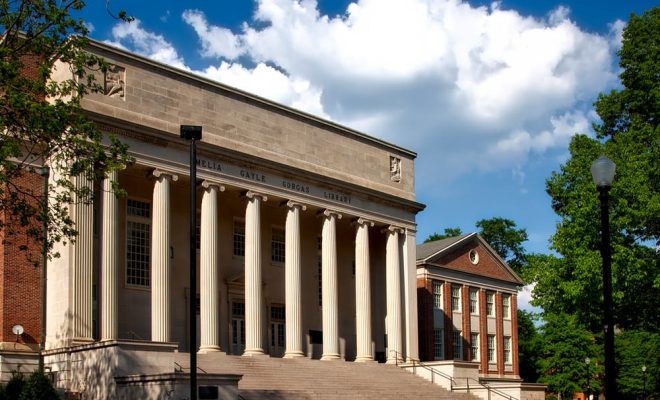
How Teachers Can Conquer Their Cement Classroom Walls

Introduction: Breaking Down Barriers in Education
In the modern educational landscape, teachers often find themselves grappling with various constraints that limit their effectiveness in the classroom. Among these barriers, the metaphorical “cement walls” of traditional classroom structures can stifle creativity, engagement, and collaboration. These walls represent not only the physical boundaries of the classroom but also the mental blocks that inhibit innovative teaching practices. This article explores strategies that educators can employ to overcome these challenges, fostering a more dynamic and engaging learning environment.
Innovative Teaching Strategies: Embracing Change
To effectively conquer the metaphorical cement walls, teachers must embrace innovative teaching strategies that go beyond traditional methods. The following approaches can help educators break free from conventional constraints:
Project-Based Learning: In this approach, students engage in real-world projects that require critical thinking, collaboration, and creativity. By working on tangible projects, students can see the relevance of their learning, making it more engaging.
Flipped Classroom: This method involves reversing the traditional teaching model. Students watch lectures at home and engage in hands-on activities in the classroom. This shift allows for more interactive and personalized learning experiences.
Gamification: Incorporating game elements into the learning process can enhance student motivation and engagement. By creating a competitive yet fun environment, teachers can inspire students to participate actively in their education.
Collaborative Learning: Encouraging group work and peer-to-peer learning fosters a sense of community in the classroom. Collaborative projects allow students to learn from one another, enhancing their understanding of the material.
Integrating Technology: Utilizing technology can help teachers connect with students in meaningful ways. By incorporating tools such as interactive whiteboards, educational apps, and online resources, educators can create a more engaging and interactive learning environment.
Flexible Learning Spaces: Redesigning the Classroom Environment
The physical layout of a classroom can significantly impact the learning experience. Traditional classroom setups often contribute to a rigid and uninspiring atmosphere. To conquer their cement walls, teachers can consider the following strategies to create more flexible learning spaces:
Redesigning Furniture: Utilizing movable furniture can facilitate different learning arrangements. By incorporating tables, chairs, and other furniture that can be easily rearranged, teachers can create spaces that accommodate various teaching styles and activities.
Creating Zones: Establishing different zones within the classroom can cater to various learning needs. For example, a quiet reading nook, a collaborative work area, and a technology station can provide students with options that suit their learning preferences.
Incorporating Natural Elements: Bringing the outdoors inside can create a more inviting and stimulating environment. Plants, natural light, and outdoor learning experiences can enhance students’ well-being and focus.
Personalizing the Space: Allowing students to contribute to the classroom decor can foster a sense of ownership and pride. By displaying student work and creating a welcoming atmosphere, teachers can encourage a positive learning environment.
Professional Development: Continuous Growth and Learning
For teachers to effectively break down the barriers of traditional education, ongoing professional development is essential. Engaging in continuous learning opportunities can empower educators to refine their skills and adapt to new teaching methods. The following professional development strategies can be beneficial:
Participating in Workshops: Attending workshops and training sessions focused on innovative teaching techniques can provide teachers with fresh perspectives and practical tips for enhancing their practice.
Joining Professional Learning Communities: Collaborating with colleagues in professional learning communities allows educators to share experiences, resources, and ideas. This collaborative approach fosters a culture of continuous improvement.
Seeking Mentorship: Connecting with experienced educators can provide valuable insights and guidance. Mentorship relationships can help teachers navigate challenges and explore new teaching strategies.
Staying Informed: Keeping up with the latest research and trends in education can help teachers stay relevant and informed. Subscribing to educational journals, blogs, and podcasts can provide ongoing inspiration and ideas for classroom implementation.
Building Relationships: Fostering a Supportive Community
Effective teaching extends beyond the classroom walls; it involves building strong relationships with students, parents, and the community. By fostering a supportive environment, teachers can enhance student engagement and motivation. Here are some strategies to consider:
Engaging with Parents: Establishing open lines of communication with parents can help build a supportive network for students. Regular updates, parent-teacher conferences, and involvement in school events can strengthen the home-school connection.
Creating a Positive Classroom Culture: Cultivating a positive and inclusive classroom culture can make students feel safe and valued. Encouraging respect, empathy, and collaboration among peers fosters a sense of belonging.
Involving the Community: Collaborating with local organizations, businesses, and community members can enrich the educational experience. Guest speakers, field trips, and community service projects can provide students with real-world connections to their learning.
Encouraging Student Voice: Providing students with opportunities to express their opinions and ideas can empower them to take ownership of their education. Encouraging student feedback and involvement in decision-making fosters a sense of agency.Building Resilience: Teaching Students to Overcome Challenges
In a world filled with uncertainties, teaching students resilience is crucial. By instilling a growth mindset, educators can help students view challenges as opportunities for growth rather than insurmountable obstacles. Here are several effective strategies to promote resilience in students:
Modeling Resilience: Teachers can demonstrate resilience through their own responses to challenges. By sharing personal stories of perseverance and success, educators can inspire students to adopt similar attitudes when faced with difficulties.
Encouraging Reflection: Providing students with time to reflect on their experiences can foster resilience. Journaling or group discussions about challenges faced and lessons learned can help students process their emotions and develop coping strategies.
Setting Realistic Goals: Guiding students in setting achievable goals can empower them to work towards their aspirations while managing setbacks. Celebrating small victories along the way reinforces their sense of accomplishment and encourages persistence.
Promoting Problem-Solving Skills: Encouraging students to brainstorm solutions when faced with challenges can develop their critical thinking and problem-solving skills. Teaching them to analyze situations and consider multiple perspectives can enhance their ability to navigate difficulties effectively.
Diverse Learning Experiences: Broadening Horizons Beyond Academics
To truly conquer the confines of traditional education, teachers should provide diverse learning experiences that extend beyond standard academic curricula. This holistic approach can engage students more deeply and foster a love for lifelong learning. Here are some avenues educators can explore:
Arts Integration: Incorporating the arts into various subjects can enhance creativity and critical thinking. Teachers can use music, visual arts, and drama to enrich lessons, helping students grasp complex concepts through different modes of expression.
Service Learning: Connecting classroom learning with community service projects can provide students with practical applications for their knowledge. This experiential learning fosters empathy, civic responsibility, and a sense of purpose, allowing students to see the impact of their education on the world around them.
Cultural Awareness: Introducing students to diverse cultures and perspectives can broaden their understanding of the world. By celebrating cultural diversity through events, literature, and discussions, teachers can help students develop respect and appreciation for different backgrounds.
Outdoor Education: Taking learning outside the classroom can provide fresh perspectives and experiences. Nature-based learning and field trips can enhance students’ connection to the environment and promote hands-on learning opportunities that are often more memorable than traditional classroom lessons.
Leveraging Student Interests: Personalizing Learning Experiences
Understanding and leveraging student interests can significantly enhance engagement and motivation. When students see their passions reflected in classroom activities, they are more likely to participate actively in their education. Here are methods to personalize learning experiences:
Interest Surveys: Conducting surveys to gauge student interests can help teachers tailor lessons that resonate with their class. By incorporating topics that intrigue students, educators can create more engaging and relevant learning experiences.
Choice Projects: Allowing students to select their projects or topics for research fosters autonomy and ownership of their learning. When students can choose what they want to learn about, they are more likely to invest time and effort into their work.
Real-World Connections: Integrating real-world applications into lessons can help students see the significance of their studies. Connecting academic content with current events, local issues, or personal experiences can create a more meaningful learning experience.
Flexible Assessment Methods: Adapting assessment methods to suit individual learning styles and preferences can also promote engagement. Offering options for projects, presentations, or written assignments allows students to demonstrate their understanding in ways that best showcase their strengths.
Peer Mentoring: Building a Collaborative Learning Environment
Peer mentoring can be a powerful tool in breaking down traditional classroom walls. By fostering collaboration and mutual support among students, teachers can enhance learning outcomes and create a sense of community. Here’s how to implement peer mentoring effectively:
Pairing Students: Pairing students with complementary skills can create opportunities for collaboration. For instance, a student who excels in writing can assist a peer who struggles with written assignments, promoting teamwork and understanding.
Structured Peer Feedback: Encouraging students to provide constructive feedback on each other’s work can enhance their critical thinking and communication skills. This process not only helps students learn from one another but also fosters a culture of respect and support.
Encouraging Leadership: Providing students with opportunities to lead group activities or discussions can build confidence and leadership skills. By taking on mentoring roles, students can deepen their understanding of the material while helping their peers succeed.
Creating a Safe Space for Sharing: Establishing a classroom environment where students feel safe to share their ideas, questions, and experiences can enhance peer mentoring. Encouraging open dialogue and valuing diverse perspectives allows for meaningful interactions and learning.
Fostering a Lifelong Learning Mindset: Encouraging Curiosity and Exploration
To truly conquer the cement walls of traditional education, teachers must instill a lifelong learning mindset in their students. Encouraging curiosity and exploration can lead to a love for learning that extends beyond the classroom. Here are effective strategies to promote this mindset:
Encouraging Questions: Creating an environment where questioning is welcomed can spark curiosity. Teachers should encourage students to ask questions and explore topics in depth, fostering a culture of inquiry that values understanding over rote memorization.
Promoting Exploration: Allowing time for exploration of topics of interest can enhance student engagement. Whether through independent research projects or exploratory activities, giving students the freedom to pursue their passions can lead to deeper learning.
Celebrating Failures as Learning Opportunities: Teaching students to view failures as stepping stones to success can foster resilience and a growth mindset. When educators normalize setbacks as part of the learning process, students become more willing to take risks and embrace challenges.Conclusion: Embracing Change in Education
In conclusion, teachers have the power to break down the metaphorical cement walls of traditional classrooms by embracing innovative teaching strategies, fostering collaboration, and instilling a lifelong love for learning in their students. By creating engaging and supportive environments, educators can inspire curiosity and critical thinking, ultimately transforming the educational experience. As teachers adopt these practices, they not only enhance their students’ learning journeys but also contribute to a more dynamic and adaptable educational landscape.