AI Chatbots & Teen Mental Health: Good, Bad, & Future
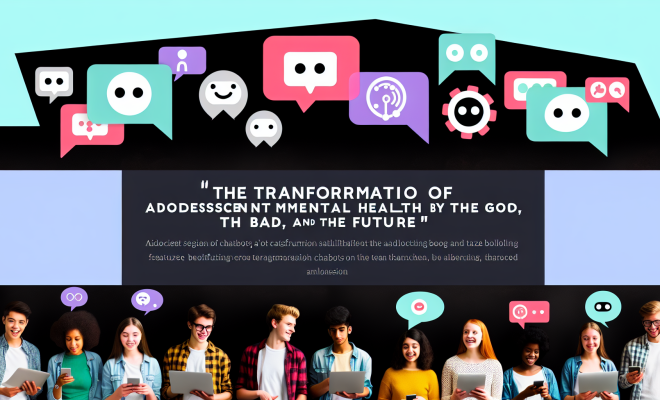
The landscape of mental health support for adolescents is rapidly evolving, with technology playing a pivotal role. Among the most significant advancements in this realm are AI chatbots, which are increasingly being integrated into mental health interventions. The intersection of chatbots and adolescent mental health presents both exciting opportunities and alarming challenges.
Understanding the Rise of Chatbots in Mental Health
In an era where mental health issues among adolescents are on the rise, the demand for accessible, affordable, and immediate support has never been greater. According to recent statistics, about 1 in 5 adolescents experience a mental health disorder, yet many do not receive the necessary care. This gap has led to the proliferation of AI chatbots designed to offer emotional support and mental health resources to young users.
AI chatbots function through algorithms and machine learning to interact with users in a conversational manner, providing a semblance of human-like interaction. They can help monitor emotional states, offer coping strategies, and even guide users through relaxation techniques. The underlying appeal is clear: these digital companions can be available 24/7, providing immediate support when traditional resources may be inaccessible.
Benefits of Chatbots for Adolescent Mental Health
The integration of chatbots into mental health services offers several notable benefits:
- Accessibility: Chatbots are often more accessible than traditional therapy, requiring no appointments or travel. This is especially important for adolescents who may feel uncomfortable seeking help in person.
- Anonymity: Many young people are reluctant to discuss their feelings with adults due to fear of judgment. Chatbots provide a confidential means of expressing their thoughts and emotions.
- Immediate Support: Chatbots can respond to users at any time, offering timely support that can be crucial during moments of crisis.
- Cost-Effectiveness: Many chatbot services are free or low-cost compared to traditional therapy, making mental health support more attainable for those without financial resources.
Research Findings on Chatbots and Mental Health Outcomes
A comprehensive review of the existing literature on chatbots and adolescent mental health reveals mixed outcomes regarding their effectiveness. Some studies indicate that chatbot interventions can lead to reduced anxiety symptoms among adolescents. For instance, a study published in a reputable mental health journal found that adolescents using a specific chatbot reported lower levels of anxiety and improved coping mechanisms.
However, not all findings are positive. Researchers have expressed concerns regarding the potential for dependency on these digital tools. In vulnerable adolescents, reliance on chatbots for emotional support may delay seeking professional help, leading to worsening mental health conditions. This dichotomy highlights the need for careful consideration when integrating chatbots into mental health interventions.
The Risks of Over-Reliance on Chatbots
While chatbots offer numerous advantages, they also come with significant risks that must be acknowledged:
- Delayed Professional Help: A concerning trend has emerged where adolescents might choose to confide in chatbots rather than reaching out to mental health professionals. This can delay the onset of necessary treatments for serious conditions.
- Distorted Emotional Development: Interactions with a non-human entity may hinder the development of emotional intelligence and social skills that often come from human interactions.
- Inappropriate Responses: Chatbots are designed to assist, but they lack the nuanced understanding of human emotions. Misinterpretations could lead to dangerous situations where users do not receive appropriate guidance.
Adolescents and the Shift Toward Digital Support
The shift towards using chatbots for mental health support among adolescents has also sparked a significant cultural discussion. Many young people feel more comfortable discussing their feelings with a chatbot than with a human therapist. This trend raises important questions about the future of mental health care and the role of technology in shaping emotional development.
Social media platforms have become a breeding ground for discussions about the effectiveness and implications of using chatbots for mental health. Some adolescents express a sense of FOMO (fear of missing out) regarding the engagement with AI tools in their mental health journeys, creating a divide between those who use these technologies and those who prefer traditional forms of therapy.
Global Perspectives on Chatbot Usage
This phenomenon is not limited to a single region; it is a global issue. Researchers from various countries are examining the implications of chatbot use in adolescent mental health, resulting in a rich tapestry of insights. For instance:
- North America: Many adolescents in the U.S. are turning to chatbots for quick emotional check-ins and support, reflecting a cultural acceptance of digital solutions.
- Europe: European researchers have highlighted the need for regulation, suggesting guidelines that prevent over-reliance on chatbots while still promoting their benefits.
- Asia: In countries with high technological adoption rates, chatbots are being integrated into formal health systems to bridge gaps in mental health services.
The Role of Regulation in Chatbot Development
As the use of chatbots in adolescent mental health continues to grow, the call for regulation has become increasingly urgent. Experts argue that without proper oversight, there is a risk that vulnerable adolescents may misuse these technologies or fall victim to inappropriate content.
Regulating the chatbot industry involves establishing standards for:
- Content Appropriateness: Ensuring that chatbots provide accurate, safe, and helpful responses to users.
- Data Privacy: Protecting the personal information and emotional data of adolescents who interact with chatbots.
- Professional Oversight: Involving mental health professionals in the development of chatbot algorithms to ensure they are effective and supportive.
The Future of Chatbots in Mental Health Support
Looking ahead, the future of chatbots and adolescent mental health seems promising yet complex. As technology advances, chatbots may become increasingly sophisticated, potentially offering more personalized and effective support. However, it is essential to balance this innovation with a focus on human interaction.
As mental health professionals grapple with these changes, the importance of integrating chatbots into a broader framework of mental health care becomes evident. Rather than replacing human therapists, chatbots can serve as a supplementary tool, offering additional support to adolescents in need.
Final Thoughts: Navigating the Intersection of Technology and Mental Health
The integration of chatbots into adolescent mental health is a double-edged sword. While they have the potential to provide crucial support in a time of need, there are also significant risks that must be managed. As this technology continues to evolve, ongoing research and dialogue will be essential to ensure that we harness the benefits of chatbots while safeguarding the emotional well-being of adolescents.
As we move forward, it is crucial for parents, educators, and mental health professionals to remain informed about the implications of using chatbots in mental health support. By fostering a balanced approach, we can ensure that adolescents receive the comprehensive care they deserve in an increasingly digital world.