The Brutal Truth: Why University Strikes Are Exploding Across the UK
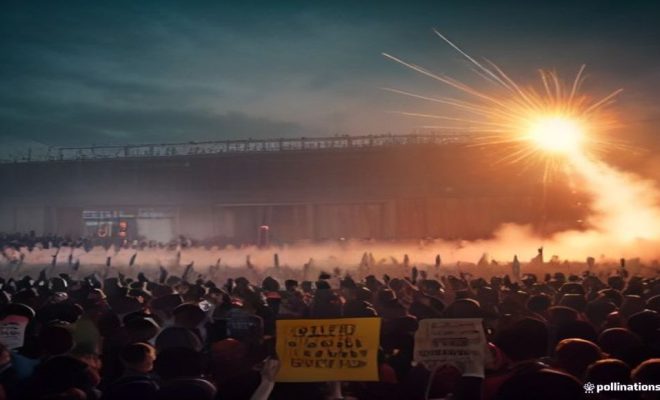
We’re witnessing something truly unsettling unfold across the United Kingdom’s higher education landscape: a wave of university strikes that signals deep-seated issues far beyond mere pay disputes. For anyone invested in the future of education – whether you’re a student, a parent, an educator, or just someone who believes in the power of public institutions – what’s happening right now should be a major concern. It’s not just about a few disgruntled employees; it’s about the very fabric of our universities being stretched to its breaking point.
The latest news, which honestly feels more like a dire prediction, is that eight universities, including some prestigious Russell Group institutions, are gearing up for industrial action in the 2026/2027 academic year. This isn’t just a minor skirmish; it’s a full-blown battle over budget cuts and compulsory redundancies that are gutting departments and leaving thousands of dedicated professionals without a livelihood. And let’s be clear: when we talk about university strikes, we’re talking about a ripple effect that touches everything from research breakthroughs to the quality of student experience. It’s a complex, emotionally charged situation, and it demands our attention. Let’s delve into the specific flashpoints and understand the forces at play.
1. The University of Dundee’s Fight for Survival: A Precedent for University Strikes
When you look at the situation unfolding at the University of Dundee, it’s hard not to feel a sense of dread for the wider sector. This isn’t just a localized dispute; it’s a stark illustration of the intense pressure points that are leading to so many university strikes. Staff at Dundee have already been on strike for a grueling five weeks since November 2024, and for good reason. The university has already slashed an astonishing 675 jobs, and if that wasn’t enough, they’re planning to eliminate another 200 positions. Think about that for a moment: nearly 900 people losing their livelihoods at a single institution. It’s devastating.
The interim vice-chancellor at Dundee has painted a truly grim picture, describing the current financial crisis as the worst since World War II. While that might sound like hyperbole, the numbers speak for themselves. These aren’t minor adjustments; they’re existential cuts that fundamentally alter the character and capacity of the university. For the faculty and staff who remain, morale must be in tatters, and the pressure to deliver the same quality of education with drastically fewer resources is immense. This scenario at Dundee isn’t an anomaly; it’s a canary in the coal mine for what many other institutions are facing, making the prospect of widespread university strikes all the more real.
2. Edinburgh’s £140 Million Crisis and Program Purge: The Cost of Cuts
Moving north to the Scottish capital, the University of Edinburgh, a highly respected Russell Group institution, is also bracing for significant industrial action. The scale of the cuts here is simply breathtaking: £140 million. To put that into perspective, that’s a sum that could fund entire research initiatives, build new facilities, or significantly invest in student support services. Instead, it’s being cut, leading directly to the projected loss of 1,800 jobs. Eighteen hundred people. That’s not just a number on a spreadsheet; it’s eighteen hundred lives, families, and careers upended.
Perhaps even more concerning for the academic integrity of the university and the future of its students is the decision to scrap 90 degree programs starting from autumn 2027. Ninety degree programs gone. This isn’t just about efficiency; it’s about narrowing the scope of knowledge, limiting student choice, and potentially undermining the university’s reputation as a comprehensive center for learning. Students who enrolled expecting a certain breadth of offerings might find their chosen fields disappearing. These kinds of drastic measures are precisely what ignite university strikes, as educators and staff fight to protect the very essence of their institutions and the quality of education they provide.
3. The Broader Context: A Systemic Erosion of Higher Education
It would be easy, though incorrect, to view these university strikes as isolated incidents. What we’re witnessing is a symptom of a much larger, systemic issue plaguing the higher education sector in the UK. Universities, once seen as pillars of public good and engines of social mobility, have increasingly been pushed towards a market-driven model, often with insufficient funding from the government. This shift has created an environment where financial pressures dictate academic decisions, leading to a precarious situation for both staff and students.
The impact of years of underfunding, coupled with rising operational costs and, in some cases, a reliance on international student fees that can be volatile, has created a perfect storm. When institutions face such significant financial headwinds, the first areas often targeted for cuts are staffing and programs. This isn’t just about making ends meet; it’s about a fundamental re-evaluation of what a university is and what it should offer. The current wave of university strikes is, in many ways, a desperate cry for help and a demand for a different vision for higher education.
4. The Human Cost: Beyond the Balance Sheets
While the numbers – millions in cuts, hundreds of jobs lost, dozens of programs scrapped – are staggering, it’s crucial not to lose sight of the profound human cost behind these university strikes. These aren’t just statistics; they are individuals with careers, mortgages, families, and aspirations. Losing a job, especially one you’ve dedicated years or even decades to, is a devastating experience. It impacts mental health, financial stability, and a sense of purpose. Imagine being an academic who has poured their life into developing a specific degree program, only to see it unceremoniously cut.
Furthermore, the pressure on remaining staff intensifies dramatically. They are left to pick up the slack, often working longer hours with fewer resources, leading to burnout and a decline in job satisfaction. This, in turn, can affect the quality of teaching, research, and student support. And what about the students? They face uncertainty about their chosen courses, potentially larger class sizes, and a palpable sense of instability within their learning environment. These human elements are precisely why university strikes are so emotionally charged and garner such significant public attention. (See: impact of university strikes in the UK.)
5. The Russell Group’s Dilemma: Elite Institutions Under Pressure
The fact that three Russell Group universities are among those planning university strikes is particularly telling. The Russell Group comprises 24 leading UK universities, often considered research-intensive and globally renowned. Traditionally, these institutions have enjoyed a certain level of prestige and, often, more robust funding streams compared to other universities. When even these academic powerhouses are facing such severe financial constraints that they’re resorting to widespread redundancies and program cuts, it sends a chilling message about the state of the entire sector. For more context, see employment rights during university strikes.
It suggests that the financial pressures are so pervasive and deep-seated that no institution, regardless of its reputation or historical standing, is immune. This isn’t just about struggling regional universities; it’s about the very top tier of UK higher education grappling with unprecedented challenges. The involvement of Russell Group universities in these university strikes elevates the conversation, highlighting that these issues aren’t marginal but central to the future health and global competitiveness of UK academia.
6. The Role of Unions and Collective Action: Fueling University Strikes
Behind every major industrial action, there’s the tireless work of trade unions, advocating fiercely for their members. In the context of university strikes, unions like the University and College Union (UCU) play a pivotal role. They are the voice of faculty, lecturers, researchers, and professional services staff, pushing back against what they perceive as unfair cuts, unsustainable workloads, and a devaluation of their contributions. Their actions are not taken lightly; calling for a strike is always a last resort, a powerful statement that all other avenues of negotiation have been exhausted.
The decision by staff at these eight universities to engage in university strikes demonstrates a collective determination to protect jobs, defend academic standards, and ensure fair working conditions. It’s a testament to the power of collective action when individuals feel their voices aren’t being heard. While strikes can be disruptive, they are often the most potent tool available to employees to force management and policymakers to take their concerns seriously. The sheer number of institutions preparing for strikes indicates a strong, unified front across the sector.
7. Impact on Students: Disruption and Uncertainty
Let’s not forget the students, who often find themselves caught in the middle of these disputes. University strikes inevitably lead to disruption: cancelled lectures, delayed assignments, and uncertainty about assessment and graduation timelines. For students who are paying significant tuition fees, this can be incredibly frustrating and anxiety-inducing. They’ve invested time, money, and effort into their education, and when that education is interrupted, it’s a legitimate cause for concern.
Beyond the immediate disruption, the broader implications of these cuts and job losses can impact the quality of their educational experience in the long term. Fewer staff can mean less personalized attention, larger class sizes, and a reduced range of optional modules or specialized support services. Students might also worry about the value of their degree if programs are being cut and the university’s reputation is under strain. It’s a difficult position for students, who often sympathize with staff but also want to ensure their own academic progression isn’t unduly hampered.
8. Financial Fallout and Monetization Opportunities: Navigating the Crisis
The financial ramifications of these university strikes extend far beyond the universities themselves. For affected employees, managing income loss during periods of industrial action becomes a pressing concern. This creates a significant need for resources in personal finance – advice on budgeting, emergency funds, and navigating periods of reduced income. Financial planners and advisors specializing in such situations could find a new audience, offering guidance to those grappling with unexpected financial instability.
Moreover, the legal aspects of union rights and employment law become highly relevant. Employees might seek advice on their rights to strike, protections against unfair dismissal, or understanding their collective bargaining agreements. This opens up opportunities for legal services to provide specialized counsel. And for students seeking continuity or staff looking to reskill, online education platforms could see increased demand. When traditional learning pathways are disrupted, flexible and accessible online alternatives become incredibly appealing, offering a lifeline for those looking to continue their studies or pivot their careers. The crisis, while deeply unfortunate, does highlight areas where targeted support and services become vital.
9. The Path Forward: What Happens Next?
So, where do we go from here? The prospect of widespread university strikes in 2026/2027 suggests that a resolution is not immediately in sight. These disputes are complex, involving deep-seated financial issues, government funding policies, institutional management decisions, and the fundamental rights of employees. For any meaningful progress to occur, there needs to be a serious dialogue involving all stakeholders: university leadership, trade unions, government officials, and even student representatives.
It’s clear that simply cutting jobs and programs isn’t a sustainable long-term solution. It erodes the quality of education, damages morale, and ultimately diminishes the standing of UK universities on the global stage. There needs to be a re-evaluation of how higher education is funded and valued in the UK, moving beyond short-term fixes to a more strategic, long-term vision. Without it, we’re likely to see more university strikes, more disruption, and a continued decline in what was once a world-leading sector. (See: recent university strikes and their causes.)
10. The Global Picture: UK Higher Ed in Context
It’s worth taking a moment to zoom out and look at how the UK’s situation compares to other major players in global higher education. Are university strikes and funding crises unique to the UK, or are they part of a wider trend? We often see similar struggles in places like the United States, where state funding for public universities has steadily declined over decades, pushing institutions to rely more on tuition fees and private donations. This can lead to similar pressures on faculty, staff, and program offerings.
However, the UK’s funding model, particularly the reliance on high tuition fees for domestic students and increasingly, international student revenue, creates its own distinct vulnerabilities. When international student numbers fluctuate due to global events, visa policies, or economic shifts, universities that have grown dependent on those fees can find themselves in immediate financial peril. This reliance can also create a disconnect between the public good mission of a university and its perceived role as a market-driven entity. Comparing these challenges helps us understand that while specific contexts vary, the underlying tension between public funding, market pressures, and the value of higher education is a worldwide issue. For more context, see Dundee University strike reveals financial scars.
11. The Impact on Research and Innovation
Beyond teaching and student experience, these university strikes and the cuts that trigger them have a profound, often overlooked, impact on research and innovation. UK universities are global leaders in numerous fields, contributing groundbreaking discoveries that drive economic growth, improve public health, and advance human knowledge. When departments are gutted, researchers are laid off, and funding for programs is slashed, that innovative engine slows down.
Think about the long-term projects that require sustained funding and dedicated teams. When staff face uncertainty, or research support roles are eliminated, it’s not just about losing a person; it’s about losing institutional memory, expertise, and the collaborative networks essential for cutting-edge work. This ultimately impacts the UK’s competitiveness on the world stage. Other countries are heavily investing in research and development, and if the UK’s universities are constantly battling financial instability and widespread strikes, they risk falling behind. It’s a national asset we’re jeopardizing.
12. Expert Perspectives: What Academics Are Saying
I’ve had countless conversations with academics over the years, and the sentiment right now is overwhelmingly one of frustration and exhaustion. Many faculty members feel caught between a rock and a hard place: a deep commitment to their students and research, but also an increasing sense of being undervalued and overworked. They often describe a “marketization” of higher education where metrics and financial targets overshadow pedagogical and research excellence.
Professors I know often talk about the increasing administrative burden, the pressure to secure external funding, and the shrinking time available for actual teaching and mentoring. When strikes occur, it’s not because academics want to disrupt their students’ learning; it’s because they feel they have no other recourse to defend the integrity of their profession and the quality of the education they provide. They see these cuts as short-sighted, damaging the very foundations of what makes a university great, and they’re willing to take a stand, even at personal cost.
13. The Role of Government Policy: A Missing Piece?
It’s impossible to discuss university strikes and financial crises without bringing government policy into the conversation. Many educators and union representatives argue that the root of these problems lies in successive governments’ approaches to higher education funding. The shift from primarily public funding to a student-loan-based system, coupled with caps on domestic student numbers and a freeze on tuition fees that hasn’t kept pace with inflation, has created an unsustainable model.
Universities are essentially asked to do more with less, while also competing fiercely for students and research grants. There’s a strong argument that a national, strategic vision for higher education is desperately needed – one that re-evaluates student funding, ensures adequate public investment, and recognizes the broader societal benefits of a thriving university sector. Without a fundamental shift in governmental approach, universities will continue to be caught in a cycle of financial instability and industrial unrest.
Frequently Asked Questions About University Strikes
Q1: What exactly causes university strikes?
University strikes are usually a last resort when negotiations between university management and staff unions break down. The main causes often involve disputes over pay (especially when wages haven’t kept up with inflation), working conditions (like excessive workloads, precarious contracts, or lack of job security), pension rights, and, as we’re seeing now, significant budget cuts leading to compulsory redundancies and program closures. Staff feel their concerns aren’t being adequately addressed through dialogue alone. For more context, see online reskilling programs for university lecturers. (See: university strikes and budget cuts.)
Q2: How do university strikes impact students?
Students are definitely caught in the middle. Strikes can lead to cancelled lectures, seminars, and office hours, which means disruption to their learning. Assessments might be delayed, and there can be uncertainty about graduation dates. In the long term, if cuts are severe and lead to permanent staff reductions or program closures, students might experience larger class sizes, fewer course options, and potentially a decline in the overall quality of their educational experience. It’s a tough situation for everyone involved.
Q3: What are the main demands of staff unions during these strikes?
The specific demands can vary by institution and strike, but generally, unions like the UCU are pushing for better pay that matches inflation, improved working conditions (like an end to casualized contracts and manageable workloads), protection of pension benefits, and, crucially in the current climate, a halt to compulsory redundancies and program cuts. They want universities to prioritize staff and academic integrity over purely financial considerations.
Q4: Are university strikes common in the UK?
Unfortunately, they’ve become increasingly common in recent years. While industrial action isn’t new to the sector, the frequency and scale of university strikes have escalated significantly since the mid-2010s. This reflects the growing pressures on higher education institutions and the increasing frustration among staff about pay, pensions, and job security.
Q5: What is the Russell Group, and why is their involvement significant?
The Russell Group is a self-selected association of 24 leading UK public research universities, including institutions like Oxford, Cambridge, Edinburgh, and Manchester. They’re generally considered elite, research-intensive universities with strong international reputations. Their involvement in university strikes is significant because it shows that the financial and systemic issues aren’t confined to smaller or less prestigious institutions; even the most well-resourced universities are feeling the pinch and facing severe challenges.
Q6: Can striking staff lose their jobs?
Legally, in the UK, employees who take part in official, lawful strike action are generally protected from dismissal for striking. However, employers can withhold pay for the days an employee is on strike. The threat of redundancy related to budget cuts, rather than the act of striking itself, is a separate but often intertwined issue that fuels these disputes.
Q7: What can students do if their university is affected by strikes?
Students should first and foremost stay informed by checking official university communications and updates from their student union. They can also engage with their student union to voice their concerns, as student bodies often play a role in mediating or advocating during disputes. While it’s disruptive, understanding the reasons behind the strikes can also help students empathize with staff’s predicaments, who are often fighting for better conditions that ultimately benefit the student experience too.
The current climate in UK higher education is precarious, to say the least. These looming university strikes are not just about wages or working conditions; they are a profound statement about the future of our educational institutions. As someone who has dedicated their career to education, I find this trend deeply troubling. We need to remember that universities are not just businesses; they are vital public goods, engines of knowledge, innovation, and social progress. When they are in crisis, we all suffer. It’s time for a serious national conversation about how we support and sustain them, before the damage becomes irreversible.
Trending Now
- our breakdown of this free classroom goals calendar will help you set a positive tone
- the complete explanation
- Unbelievable: Supreme Court Just Made This Shocking Ruling on Surrogacy Legal Rights
- Jaw-Dropping Bill Could Finally Count PSLF…
- NYC’s AI Ban for Young Students: A Reckless Gamble With Their Future?
Frequently Asked Questions
Why are universities in the UK going on strike?
Universities in the UK are going on strike due to deep-seated issues such as budget cuts and compulsory redundancies. These strikes reflect broader concerns about the quality of education and the future of public institutions, affecting staff job security and student experiences.
What impact do university strikes have on students?
University strikes can significantly disrupt student experiences, affecting classes, research opportunities, and overall educational quality. The strikes highlight concerns over job security for faculty and staff, which can lead to a diminished learning environment for students.
Which universities are currently facing strikes?
Currently, eight universities in the UK, including some prestigious Russell Group institutions, are preparing for industrial action in the 2026/2027 academic year. This includes the University of Dundee, which has already experienced prolonged strikes due to severe job cuts.
What are the main reasons for the University of Dundee's strike?
The University of Dundee's strike is primarily driven by significant job cuts, with 675 positions already eliminated and plans to cut an additional 200. This situation underscores the intense pressures that universities are facing, leading to widespread discontent among staff.
How do university strikes reflect broader issues in higher education?
University strikes reflect broader issues in higher education, including financial constraints, job security, and the quality of education. They signal systemic problems that go beyond individual disputes, indicating a crisis in how universities are funded and managed.
What's your take on this? Share your thoughts in the comments below — we read every one.