Polarized Elections & Mental Health: The Unseen Toll in 2024
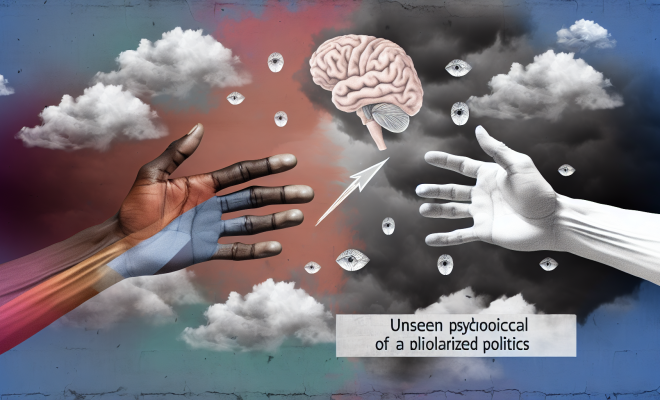
In a country increasingly defined by division, polarized elections mental health has emerged as a crucial talking point. A recent study sheds light on a troubling phenomenon: the 2020 and 2024 U.S. presidential elections have significantly worsened the mental health of many Americans. The implications of this research are profound, revealing the emotional stakes that accompany polarized political climates.
The Study’s Findings
According to the study, the 2024 election alone led to an increase of nearly 0.5 additional days of poor mental health on average (P < .05). This statistic is alarming in itself, but it becomes even more concerning when considering the experiences of particular groups. For example, likely losing partisans and those fearing health policy losses under a potential Trump reelection reported experiencing up to an entire additional day of poor mental health. These findings highlight the relationship between political outcomes and mental well-being, suggesting that the emotional stakes of elections are more significant than many might realize.
The Role of Anxiety
One of the most concerning trends observed in this study is the amplification of anxiety surrounding elections. As the political landscape becomes more polarized, the emotional toll on individuals grows heavier. Anxiety is especially pronounced among policy-vulnerable groups, who fear the implications of potential policy changes on their lives. This anxiety often translates into a broader societal phenomenon often referred to as “election depression.”
Election depression can manifest in various forms, including heightened stress levels, feelings of hopelessness, and a sense of disillusionment with the political process. In the wake of the recent elections, there has been a notable increase in online searches for mental health resources related to politics. This surge indicates a growing recognition of the connection between mental health and electoral politics.
Politics-Related Mental Health Searches
The study also revealed a significant uptick in politics-related mental health searches online, particularly in connection with the aftermath of the elections. Individuals seeking help for their mental health concerns often turn to the internet for answers. This trend underscores the urgent need for mental health professionals to address the unique challenges posed by polarized elections.
Who is Affected?
The emotional repercussions of polarized elections do not affect all groups equally. Research indicates that marginalized communities, including racial and ethnic minorities, are particularly vulnerable to the impacts of political polarization. These groups often experience an exacerbation of existing stressors related to systemic inequalities, making the stakes of elections feel even more profound.
- Racial and Ethnic Minorities: These groups often experience heightened anxiety regarding potential political outcomes that may directly affect their rights and wellbeing.
- Women and LGBTQ+ Communities: Concerns about reproductive rights, healthcare access, and anti-discrimination policies create significant stress during elections.
- Low-Income Individuals: Economic policies and social safety nets are frequently at stake, raising fears about basic living conditions and access to services.
In the context of polarized elections, these groups often feel marginalized, further intensifying their mental health struggles. As a result, the emotional stakes are not merely about who wins or loses, but how these outcomes can profoundly affect people’s lives.
Understanding the Emotional Stakes
As the divisions within the nation grow deeper, the emotional stakes tied to elections become increasingly critical. For many, the outcome of an election can feel like a matter of life and death, particularly for those in vulnerable positions. The study’s findings indicate that the emotional toll is not just a fleeting reaction; it has lasting implications for mental health, shaping the way individuals experience and respond to the political climate.
The Rise of ‘Election Depression’
The term “election depression” has gained traction in recent years, particularly in the wake of the 2020 and 2024 elections. This phenomenon encompasses a range of feelings, including sadness, anxiety, and frustration, directly linked to the political landscape. Individuals may feel overwhelmed by the barrage of political news, social media discussions, and the general atmosphere of tension surrounding elections.
For many, the emotional fallout from the elections can lead to a cycle of despair, where the anticipation of elections becomes a source of dread rather than excitement. This cycle can perpetuate mental health issues, creating a feedback loop that further entrenches feelings of hopelessness.
Social Media and Mental Health
Social media plays a significant role in shaping the discourse around elections and, consequently, their impact on mental health. As platforms become battlegrounds for political debate, the constant influx of information can heighten anxiety levels. The comparison culture that thrives on social media often leads individuals to feel inadequate or overwhelmed, particularly when their views clash with those of their peers.
The rise of disinformation and polarizing content on social media further complicates the situation. Users may find themselves trapped in echo chambers, where their beliefs are constantly reinforced but never challenged. This lack of exposure to differing viewpoints can contribute to a sense of alienation, making individuals feel even more isolated during elections.
The Importance of Mental Health Resources
In light of the findings from the study, there is an urgent need for mental health resources that specifically address the unique challenges posed by polarized elections. Mental health professionals must be equipped to help individuals navigate their feelings during these tumultuous times. This includes providing support for anxiety, depression, and other emotional disorders that may arise in response to political events.
Community organizations can play a vital role by offering workshops, support groups, and educational resources aimed at fostering resilience in the face of political challenges. Additionally, mental health campaigns that focus on promoting awareness of election-related mental health issues can help reduce stigma and encourage individuals to seek help.
Conclusion
The link between polarized elections mental health is undeniable, as evidenced by the significant findings from the recent study. As political divisions deepen, the emotional toll on individuals cannot be ignored. By understanding the unique challenges posed by polarized elections, we can begin to address the mental health crisis that accompanies these events. It is imperative that we prioritize mental health resources and support systems to help individuals cope with the anxiety and depression that often arise during elections.
As we move forward into a politically charged future, it is crucial to keep the conversation about election-related mental health alive. Only through open dialogue and robust support systems can we hope to mitigate the emotional impact of polarization and foster a healthier political discourse.