AI in Higher Education: Transforming Classrooms & Igniting Debate
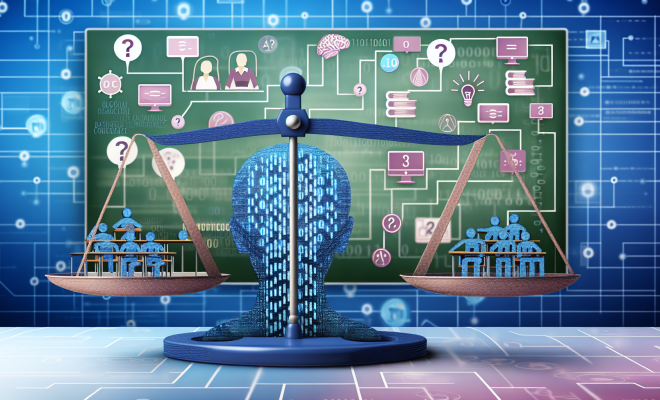
As the digital landscape evolves, AI in higher education is taking center stage, reshaping how classrooms operate. Colleges and universities are moving beyond mere readiness initiatives; they are now actively integrating artificial intelligence into their teaching practices. This shift marks a pivotal change in pedagogical approaches, as educators harness AI tools to foster student engagement and enable personalized instruction. The implications are vast and complex, generating significant discussion among students, educators, and parents alike.
The Shift from Theory to Practice
In the past, discussions surrounding AI in higher education often revolved around theoretical frameworks and potential applications. However, institutions are now implementing these technologies into real classroom settings. Professors are discovering innovative ways to utilize AI to enhance learning experiences, making lessons more interactive and tailored to individual student needs.
This transition from theoretical discussions to practical applications is crucial. It demonstrates a commitment to not just understanding AI but fully integrating it into educational practices. Institutions are beginning to publish case studies showcasing both successful implementations and cautionary tales, further fueling the debate surrounding the efficacy of AI in education.
Enhancing Student Engagement
One of the most significant benefits of AI in higher education is its ability to enhance student engagement. Traditional teaching methods often struggle to capture students’ attention, especially in a world filled with digital distractions. AI tools provide dynamic and interactive learning environments that keep students motivated and involved.
- Interactive Learning Platforms: Many universities are now incorporating AI-driven platforms that adapt to students’ learning styles, allowing for a more personalized approach to education.
- Real-Time Feedback: AI can analyze students’ performance and provide immediate feedback, helping them understand their strengths and weaknesses more effectively.
- Collaborative Learning: AI facilitates collaborative projects among students, encouraging teamwork and communication, essential skills for the modern workforce.
The Debate Over Academic Integrity
While the potential benefits of AI in higher education are substantial, the integration of AI tools also raises concerns about academic integrity. As students use AI to assist with assignments, questions arise about the authenticity of their work. Are they truly learning, or are they simply relying on AI to do the heavy lifting?
This debate has ignited passionate discussions across social media platforms, with parents expressing concern over the quality of education and students questioning the boundaries of acceptable AI usage. The nuance of this debate highlights the need for institutions to develop clear guidelines that address AI’s role in academic work and define what constitutes cheating versus legitimate assistance.
Global Perspectives on AI Integration
The implementation of AI in higher education is not limited to institutions in the United States. Around the globe, universities are exploring how AI can be integrated into their pedagogical frameworks. From Europe to Asia, educators are experimenting with AI technologies to improve learning outcomes and enhance the overall educational experience.
- European Universities: Many European institutions are investing in AI research and development to create cutting-edge learning tools that align with their educational goals.
- Asian Institutions: Countries like China and Singapore are leading the charge in AI integration, focusing on using technology to prepare students for the demands of the global job market.
- Collaborative Initiatives: International collaborations are emerging, where institutions share best practices and research findings related to AI applications in education.
The Future of Traditional Teaching Methods
The rise of AI in higher education has led to critical discussions about the future of traditional teaching methods. As AI continues to evolve, educators are challenged to rethink their pedagogical approaches. The question arises: will AI enhance traditional teaching methods, or will it render them obsolete?
While some argue that AI could undermine critical thinking skills by providing immediate answers to complex problems, others believe it can be an invaluable tool for educators. AI, when applied thoughtfully, can complement traditional teaching strategies, fostering a more enriched learning environment.
Case Studies: Successes and Challenges
As universities navigate the complexities of AI in higher education, they are documenting their experiences through case studies that reveal both successes and challenges. These examples provide valuable insights into the practical applications of AI in the classroom.
- Success Stories: Many institutions have reported improved student engagement and performance through the integration of AI tools. For instance, data analytics has been used to track student progress, enabling educators to identify at-risk students early and provide targeted support.
- Cautionary Tales: Conversely, some universities have encountered challenges, such as issues with data privacy and the need for significant investment in technology infrastructure.
- Policy Development: The varied experiences of different institutions underscore the need for comprehensive policies that guide the ethical use of AI in education.
The Rush to Innovate
The competitive landscape of higher education has intensified, with institutions eager to showcase their technological advancements. The fear of missing out (FOMO) drives universities to adopt AI in higher education rapidly, sometimes without fully understanding its implications.
This rush to innovate can lead to hasty implementations that may not prioritize student learning outcomes. As a result, educational leaders must balance the desire to be on the cutting edge with the need to assess how AI integration aligns with their institutional missions.
Preparing Students for the Job Market
Employers are increasingly seeking graduates who possess not only academic knowledge but also the ability to adapt to a rapidly changing technological landscape. The incorporation of AI into higher education curricula aims to prepare students for this reality.
- Skill Development: AI tools can help students develop critical skills such as data analysis, problem-solving, and digital literacy, all of which are essential for success in the modern workforce.
- Real-world Applications: By engaging with AI technologies, students gain hands-on experience that can set them apart in the job market.
- Collaboration with Industry: Partnerships between universities and industry leaders are becoming more common, allowing students to work on real-world projects that leverage AI technologies.
Conclusion: Navigating the Future of AI in Higher Education
The integration of AI in higher education is not a passing trend; it is a transformation that holds the potential to reshape pedagogical approaches for years to come. As institutions grapple with the implications of AI on academic integrity, critical thinking, and traditional teaching methods, they must also embrace the opportunities that come with this technology.
Ultimately, the success of AI in education will depend on how well institutions can balance innovation with the core mission of education: to foster learning and cultivate critical thinkers. As the conversation continues, students, educators, and parents will play a pivotal role in shaping the future of AI in higher education, ensuring that it enhances, rather than undermines, the learning experience.