The Edvocate

Top Menu

Main Menu

  • Start Here
    • Our Brands
    • Governance
      • Lynch Education Consulting, LLC.
      • Dr. Lynch’s Personal Website
      • Careers
    • Write For Us
    • Books
    • The Tech Edvocate Product Guide
    • Contact Us
    • The Edvocate Podcast
    • Edupedia
    • Pedagogue
    • Terms and Conditions
    • Privacy Policy
  • PreK-12
    • Assessment
    • Assistive Technology
    • Best PreK-12 Schools in America
    • Child Development
    • Classroom Management
    • Early Childhood
    • EdTech & Innovation
    • Education Leadership
    • Equity
    • First Year Teachers
    • Gifted and Talented Education
    • Special Education
    • Parental Involvement
    • Policy & Reform
    • Teachers
  • Higher Ed
    • Best Colleges and Universities
    • Best College and University Programs
    • HBCU’s
    • Diversity
    • Higher Education EdTech
    • Higher Education
    • International Education
  • Advertise
  • The Tech Edvocate Awards
    • The Awards Process
    • Finalists and Winners of The 2026 Tech Edvocate Awards
    • Finalists and Winners of The 2025 Tech Edvocate Awards
    • Finalists and Winners of The 2024 Tech Edvocate Awards
    • Finalists and Winners of The 2023 Tech Edvocate Awards
    • Finalists and Winners of The 2021 Tech Edvocate Awards
    • Finalists and Winners of The 2022 Tech Edvocate Awards
    • Finalists and Winners of The 2020 Tech Edvocate Awards
    • Finalists and Winners of The 2019 Tech Edvocate Awards
    • Finalists and Winners of The 2018 Tech Edvocate Awards
    • Finalists and Winners of The 2017 Tech Edvocate Awards
    • Award Seals
  • Apps
    • GPA Calculator for College
    • GPA Calculator for High School
    • Cumulative GPA Calculator
    • Grade Calculator
    • Weighted Grade Calculator
    • Final Grade Calculator
  • The Tech Edvocate
  • Post a Job
  • AI Powered Personal Tutor

logo

The Edvocate

  • Start Here
    • Our Brands
    • Governance
      • Lynch Education Consulting, LLC.
      • Dr. Lynch’s Personal Website
        • My Speaking Page
      • Careers
    • Write For Us
    • Books
    • The Tech Edvocate Product Guide
    • Contact Us
    • The Edvocate Podcast
    • Edupedia
    • Pedagogue
    • Terms and Conditions
    • Privacy Policy
  • PreK-12
    • Assessment
    • Assistive Technology
    • Best PreK-12 Schools in America
    • Child Development
    • Classroom Management
    • Early Childhood
    • EdTech & Innovation
    • Education Leadership
    • Equity
    • First Year Teachers
    • Gifted and Talented Education
    • Special Education
    • Parental Involvement
    • Policy & Reform
    • Teachers
  • Higher Ed
    • Best Colleges and Universities
    • Best College and University Programs
    • HBCU’s
    • Diversity
    • Higher Education EdTech
    • Higher Education
    • International Education
  • Advertise
  • The Tech Edvocate Awards
    • The Awards Process
    • Finalists and Winners of The 2026 Tech Edvocate Awards
    • Finalists and Winners of The 2025 Tech Edvocate Awards
    • Finalists and Winners of The 2024 Tech Edvocate Awards
    • Finalists and Winners of The 2023 Tech Edvocate Awards
    • Finalists and Winners of The 2021 Tech Edvocate Awards
    • Finalists and Winners of The 2022 Tech Edvocate Awards
    • Finalists and Winners of The 2020 Tech Edvocate Awards
    • Finalists and Winners of The 2019 Tech Edvocate Awards
    • Finalists and Winners of The 2018 Tech Edvocate Awards
    • Finalists and Winners of The 2017 Tech Edvocate Awards
    • Award Seals
  • Apps
    • GPA Calculator for College
    • GPA Calculator for High School
    • Cumulative GPA Calculator
    • Grade Calculator
    • Weighted Grade Calculator
    • Final Grade Calculator
  • The Tech Edvocate
  • Post a Job
  • AI Powered Personal Tutor
  • This Student Needs Your Help Collecting Holiday Cards for Seniors

  • EU Kids Act targets social media’s impact on children’s mental health

  • Stunning Crisis: Sacramento State Reveals Urgent Battle for Student Minds

  • San Francisco’s AI Gamble: Are Schools Sacrificing Critical Thinking for Tech?

  • Devastating Truth: Your Legal Rights During Higher Ed Budget Cuts Are Being Ignored

  • The Brutal Truth: Why Academics Need Online Career Counseling Now More Than Ever

  • Devastating Cuts: 10 Essential Steps to Navigate Job Loss in Higher Education

  • Faculty Outcry: This Is How College Budget Cuts Are Devastating Academia

  • Don’t Miss Out: The Crucial Tax Break Early Childhood Educators Deserve

  • Why Every Early Childhood Educator Needs to Know About This Game-Changing Tax Law Now

Uncategorized
Home›Uncategorized›Is Your Child Using AI for Homework? 7 Steps for Parents (2025)

Is Your Child Using AI for Homework? 7 Steps for Parents (2025)
By Matthew Lynch
May 6, 2026
0
Spread the love

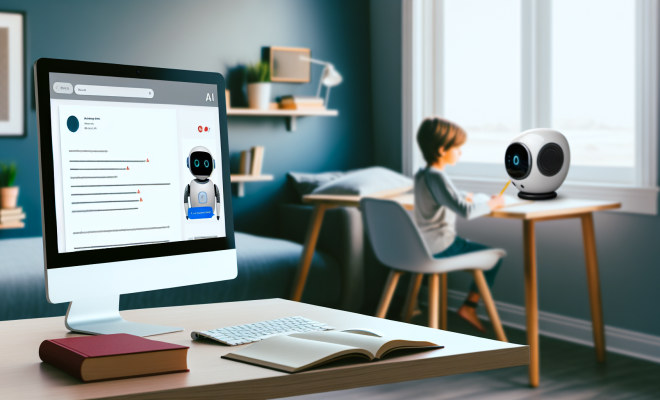
The landscape of education is changing dramatically, with artificial intelligence (AI) becoming a tool that many students use to complete their homework. In a recent report, RAND data indicated a staggering increase in AI usage among middle school and high school students, rising from 48% in May 2025 to 62% in December 2025. This shift has left many parents feeling anxious about their children’s academic integrity and the overall quality of their education. In this article, we will explore how to check if your child is using AI for homework, provide effective conversation strategies for discussing AI with your child, and delve into the importance of teaching responsible AI use.

Understanding the Rise of AI in Education

The integration of AI in homework assignments is not merely a passing trend; it reflects a profound change in how students approach learning. As AI technologies become more accessible, students are increasingly turning to these resources for assistance with their schoolwork. While some may argue that this trend can enhance learning, others express concerns about its implications on students’ academic development.

The Impact on Learning and Skill Development

Parents are rightfully concerned that reliance on AI could hinder their children’s ability to think critically and solve problems independently. The dramatic 14-point increase in AI usage over just a few months is alarming and creates a sense of urgency. This trend not only raises eyebrows about academic performance but also about the ethical implications surrounding plagiarism and academic honesty.

Why Parents Should Be Concerned

The shift toward AI use in homework presents several concerns for parents:

  • Academic Integrity: Many students might be tempted to submit AI-generated content as their own, which raises issues related to honesty and integrity in academic settings.
  • Skill Development: Relying too heavily on AI may impede the development of essential skills, such as critical thinking, problem-solving, and effective communication.
  • Technology Dependence: An over-reliance on technology can lead to a lack of self-sufficiency in students, as they may struggle to complete assignments without AI support.
  • Pressure and Anxiety: The competitive nature of modern education could lead children to feel pressured to use AI as a shortcut to keep up with peers.

Setting the Stage for an Open Conversation

As a parent, it’s crucial to approach the conversation about AI with an open mind. Accusatory language can lead to defensiveness, making it less likely that your child will be honest about their homework practices. Instead, consider initiating the dialogue in a supportive and understanding manner.

How to Check If Your Child Is Using AI for Homework

To effectively check if your child is using AI for homework, consider the following steps:

1. Monitor Their Work Quality

Pay attention to the quality and style of your child’s work. If there’s a sudden improvement in their writing or problem-solving skills that seems inconsistent with their previous performance, it might be worth investigating further. Are they using complex vocabulary or advanced concepts that they haven’t been taught yet?

2. Ask Open-Ended Questions

Engage your child in discussions about their assignments. Ask open-ended questions like, “How did you come up with that solution?” or “What was the most challenging part of your homework?” This can give you insights into their thought process and whether they relied on AI.

3. Check Their Sources

If your child shares their assignments with you, take a look at the sources they cite. AI-generated content may lack proper references or include sources that are not credible. Encourage your child to verify their sources and understand their material.

4. Conduct a Plagiarism Check

Utilize plagiarism detection software to check if the content submitted by your child matches AI-generated outputs. Many AI tools create text that can be identified by these programs, providing a clear indication of whether your child is using AI assistance.

5. Set Up Regular Homework Check-Ins

Establish routine times for homework check-ins where you can discuss what your child is working on. This not only helps you stay informed about their assignments but also demonstrates your interest in their education.

6. Encourage Reflection on AI Use

Encourage your child to reflect on their use of AI. Questions like “What do you think about using AI for homework?” can help you gauge their understanding of AI’s role in their studies and whether they see it as a shortcut or a learning tool.

7. Foster a Growth Mindset

Promote a growth mindset by emphasizing the importance of learning from mistakes and approaching challenges with resilience. Assure your child that it’s okay to struggle with their homework, as overcoming challenges is part of the learning process.

Leading by Example: Responsible AI Use

As parents, it’s important to model responsible AI use. Incorporate discussions about the ethical implications of technology in everyday conversations. By doing so, you can instill values of honesty and integrity in your child’s academic journey.

Teaching Honest Disclosure

Encourage your child to be transparent about their use of AI. Establish a family agreement regarding technology use in homework, wherein your child feels comfortable discussing when they’ve sought help from AI. This transparency fosters trust and ensures that AI is used as a supplementary tool rather than a crutch.

Promoting Healthy Technology Habits

Help your child find a balance in their technology use. Limit screen time and encourage offline activities that stimulate creativity and critical thinking. This can help reduce the reliance on AI and encourage natural learning processes.

Conclusion: Navigating the Future of AI in Education

As technology continues to evolve, it is imperative for parents to stay informed and proactive about their children’s education. By learning how to check if your child is using AI for homework, engaging in open conversations, and promoting responsible AI usage, you can help ensure your child develops the necessary skills to succeed in an increasingly digital world.

The rapid rise in AI usage among students is not something to be ignored. Instead, it presents an opportunity for parents to educate themselves and their children about the responsible use of technology. By fostering a supportive environment that values honesty and integrity, we can guide our children toward becoming informed and capable learners in this new age of AI.

Previous Article

AI in Higher Education: Transforming Classrooms & ...

Next Article

Empower Kids: The Family Vacation Pitch Tradition

Matthew Lynch

Related articles More from author

  • Uncategorized

    How to Request a 504 Plan Evaluation for Your Child

    June 14, 2026
    By Matthew Lynch
  • Uncategorized

    How to Parent According to Your Child’s Temperament Type

    June 16, 2026
    By Matthew Lynch
  • Uncategorized

    Top Informal Writing Apps for Engaging Learners

    January 2, 2025
    By Matthew Lynch
  • Uncategorized

    AI Local Search: Reshaping Business Visibility & Google’s 3-Pack

    May 8, 2026
    By Matthew Lynch
  • Uncategorized

    10 Best Paper Cutters for Teachers

    June 27, 2026
    By Matthew Lynch
  • Uncategorized

    The LAUSD vs. County Takeover: 10 Urgent Realities for Your Job Security

    August 6, 2026
    By Matthew Lynch

Search

Registration and Login

  • Log in
  • Entries feed
  • Comments feed
  • WordPress.org

Newsletter

Signup for The Edvocate Newsletter and have the latest in P-20 education news and opinion delivered to your email address!

RSS feed: Matthew on Education Week Matthew on Education Week

  • Au Revoir from Education Futures November 20, 2018 Matthew Lynch
  • 6 Steps to Data-Driven Literacy Instruction October 17, 2018 Matthew Lynch
  • Four Keys to a Modern IT Approach in K-12 Schools October 2, 2018 Matthew Lynch
  • What's the Difference Between Burnout and Demoralization, and What Can Teachers Do About It? September 27, 2018 Matthew Lynch
  • Revisiting Using Edtech for Bullying and Suicide Prevention September 10, 2018 Matthew Lynch

About Us

The Edvocate was created in 2014 to argue for shifts in education policy and organization in order to enhance the quality of education and the opportunities for learning afforded to P-20 students in America. What we envisage may not be the most straightforward or the most conventional ideas. We call for a relatively radical and certainly quite comprehensive reorganization of America’s P-20 system.

That reorganization, though, and the underlying effort, will have much to do with reviving the American education system, and reviving a national love of learning.  The Edvocate plans to be one of key architects of this revival, as it continues to advocate for education reform, equity, and innovation.

Newsletter

Signup for The Edvocate Newsletter and have the latest in P-20 education news and opinion delivered to your email address!

Contact

The Edvocate
910 Goddin Street
Richmond, VA 23230
(601) 630-5238
[email protected]
  • situs togel online
  • dentoto
  • situs toto 4d
  • situs toto slot
  • toto slot 4d
Copyright (c) 2026 Matthew Lynch. All rights reserved.