Startup Marketing: Navigating a 25% Search Volume Drop by 2026
“`html
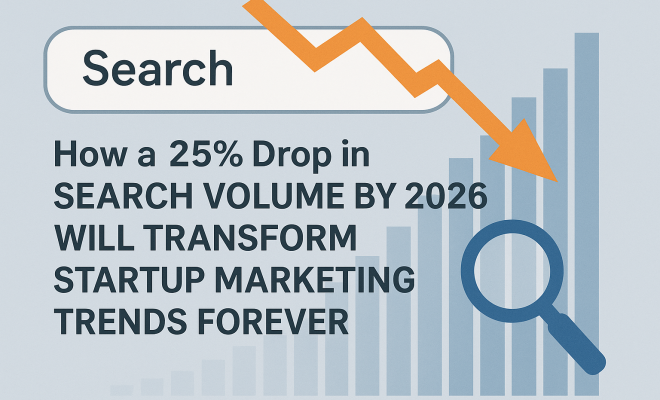
The landscape of startup marketing is on the brink of a seismic shift. A recent projection from Gartner indicates that traditional search volume is set to plummet by 25% by 2026, a staggering rate that is four times faster than what we’ve seen with standard organic search trends. This revelation has sent ripples through the entrepreneurial community, sparking discussions about the future of customer acquisition and engagement. In this article, we’ll explore the implications of this decline, the urgent need for startups to pivot their marketing strategies, and the emerging trends that could define the next era of startup marketing.
The Surprising Revelation from Gartner
Traditionally, businesses have relied on keyword-based discovery methods to reach potential customers. The logic is straightforward: customers search for products or services using specific keywords, and businesses optimize their content to capture this traffic. However, Gartner’s findings challenge this long-standing assumption. A projected 25% decline in traditional search volume signifies a dramatic shift in consumer behavior.
This finding is especially alarming for startups, where marketing budgets are often limited, and every lead counts. If customers are indeed searching less, or in different ways, the implications for customer acquisition funnels could be catastrophic. How can entrepreneurs navigate this new reality? The answers lie in understanding the underlying causes of this change.
Understanding the Shift in Consumer Behavior
Several factors contribute to the projected drop in traditional search volume. First, the rise of voice-activated devices and AI-driven assistants means that customers are increasingly interacting with technology in conversational ways rather than typing in keywords. A report from Statista indicated that over 55% of households are expected to own smart devices by 2025, a trend that points to a more interactive digital experience.
Furthermore, social media platforms are evolving into robust discovery channels. Consumers, particularly younger demographics, are turning to platforms like Instagram, TikTok, and Pinterest to find and recommend products. This shift represents a growing reliance on visual content and community-driven recommendations rather than traditional search methods. As startups wrestle with these changes, they must consider how to adapt their marketing strategies accordingly to remain relevant.
The Impacts on Startup Marketing Strategies
The implications of a 25% drop in search volume are profound. For startups that have heavily invested in SEO and PPC campaigns, the impending changes could spell disaster. Traditional marketing strategies that worked in the past may suddenly become ineffective, leaving entrepreneurs scrambling to find new channels for customer engagement.
Startups that rely solely on keyword-driven tactics may find themselves at a significant disadvantage. To survive, they must pivot to alternative discovery channels. This could include a greater emphasis on content marketing that aligns with the emotional and experiential aspects of their brands, rather than just focusing on search terms.
Embracing AI-Driven Recommendations
One of the most promising avenues for startups is the adoption of AI-driven recommendations. With advancements in machine learning and data analytics, businesses can tailor their offerings to individual consumer preferences more accurately than ever before. Companies like Netflix and Spotify have demonstrated the power of personalized recommendations, and now startups can leverage similar technologies.
By analyzing consumer behavior, startups can deliver tailored experiences that resonate with audiences on a deeper level. Instead of waiting for customers to search for specific keywords, they can proactively engage potential customers through personalized content and targeted ads. This marks a significant departure from traditional methods and presents a compelling opportunity for innovative marketing strategies.
Community-Led Growth: A Game-Changer for Startups
Alongside AI-driven recommendations, community-led growth is emerging as a vital trend in startup marketing. As social media platforms continue to foster connections among users, startups are beginning to recognize the power of community in driving customer engagement.
Communities built around shared interests can serve as authentic platforms for brand advocacy. By nurturing a loyal customer base, startups can leverage word-of-mouth marketing and organic reach, reducing their dependency on traditional search methods. Engaging with consumers through social media, forums, or dedicated community spaces allows startups to build trust and credibility—an essential factor in today’s marketplace. (See: AP News on startup marketing trends.)
Analyzing the Competitive Landscape
As the digital marketing landscape evolves, startups must also consider how their competitors will adapt to these changes. A decline in traditional search volume might seem like a daunting challenge, but it also opens the door for companies willing to innovate.
Startups that recognize the need for agility and adaptability will be better positioned to succeed. The competitive landscape will likely see a sharp divide; those who cling to outdated marketing practices may falter, while those who embrace new trends will thrive. Conducting a SWOT analysis (Strengths, Weaknesses, Opportunities, Threats) can help entrepreneurs identify their unique position in this shifting environment.
Investing in Content Marketing
With traditional search methods declining, startups should prioritize content marketing as a key strategy. By creating valuable, engaging content, businesses can attract and retain customers without relying solely on search engines. This approach not only enhances brand visibility but also fosters customer loyalty.
Content marketing can manifest in various forms: blogs, videos, podcasts, and social media posts. By focusing on storytelling and authentic engagement, startups can cultivate an emotional connection with their audience, encouraging them to share their experiences with others. This organic reach can be incredibly powerful in a world where traditional search is waning.
Prioritizing Mobile Optimization
As consumer behavior evolves, so does the way people access content. Mobile optimization is no longer optional; it’s a necessity. With a growing number of consumers using smartphones to browse, shop, and interact with brands, startups must ensure that their digital experiences are seamless across all devices.
Neglecting mobile optimization could mean missing out on a significant portion of potential customers. In fact, a report by Statista revealed that mobile devices accounted for over 50% of global website traffic as of 2021. This trend is only expected to grow, underscoring the need for startups to invest in mobile-friendly designs, fast-loading pages, and responsive content.
Rethinking Customer Acquisition Funnels
In light of these shifts, the traditional customer acquisition funnel may need a complete overhaul. Startups should rethink how they approach customer journeys, from awareness to conversion. With search volume declining, businesses can no longer rely on a linear, keyword-driven funnel.
Instead, adopting a more holistic approach that encompasses various touchpoints—such as social media engagement, content marketing, and community building—can create a more robust acquisition strategy. By understanding the non-linear paths that consumers take today, startups can craft experiences that resonate with their audience at multiple levels.
Emerging Startup Marketing Trends
As we assess the future, several emerging marketing trends are likely to gain traction. Adapting to these trends could be pivotal for startups aiming to establish a strong foothold in their respective markets.
1. User-Generated Content (UGC)
User-generated content is becoming a cornerstone for authentic engagement. This trend capitalizes on the idea that consumers trust their peers more than traditional advertisements. Startups can encourage customers to share their experiences through reviews, testimonials, or social media posts. Platforms like Instagram and TikTok have seen businesses grow exponentially by promoting and sharing this type of content.
For instance, a fashion startup could run campaigns encouraging customers to post photos wearing their products, offering incentives or featuring the best content on their official pages. This not only promotes brand authenticity but also builds a community around the brand, enhancing customer loyalty and engagement.
2. Sustainability and Ethical Marketing
Today’s consumers are increasingly concerned with sustainability and ethical practices. Startups that prioritize eco-friendly products and transparent practices will find a loyal customer base eager to support brands aligned with their values. This trend is particularly strong in industries like fashion, food, and beauty.
Consider a startup that produces biodegradable packaging or sources materials ethically. Highlighting such practices in marketing campaigns can attract attention and foster a connection with environmentally conscious consumers. A report from Nielsen indicates that 66% of global consumers are willing to pay more for sustainable brands, emphasizing the importance of integrating these values into marketing strategies.
3. The Rise of Live Shopping
Live shopping, where companies host real-time shopping events through social media, is becoming an innovative way to engage consumers. This trend gained significant momentum during the pandemic and is expected to continue its trajectory as consumers enjoy the interactive experience of shopping live.
Startups can capitalize on this by hosting live events on platforms like Facebook, Instagram, or TikTok, showcasing products while engaging with viewers in real-time. This not only creates urgency but also allows for immediate interaction and feedback from potential customers, improving conversion rates.
4. Data Privacy and Personalization
With increasing awareness of data privacy, startups must balance personalization with ethical marketing practices. Consumers are more cautious about how their data is used, prompting businesses to adopt transparent practices regarding data collection while still delivering personalized experiences.
Startups should communicate clearly about how they use customer data and offer options for users to manage their preferences. Demonstrating respect for customer privacy can enhance brand trust, leading to stronger customer relationships and loyalty.
5. The Growing Importance of Video Marketing
Video content continues to dominate the marketing landscape, with platforms like YouTube, Instagram Reels, and TikTok leading the way. According to a report by Wyzowl, 86% of businesses use video as a marketing tool, and 93% of marketers say that video helps increase user understanding of their products or services.
Startups should consider incorporating video into their marketing strategies to capture audience attention more effectively. Whether through tutorials, behind-the-scenes glimpses, or customer testimonials, video can significantly enhance engagement and conversion rates. Creating shareable and relatable video content can also broaden reach and visibility.
Statistics to Note
To better understand the evolving landscape, let’s look at some key statistics related to startup marketing trends:
- According to a report from HubSpot, 70% of marketers say that content marketing has increased their engagement rates.
- Research from Statista shows that global social media advertising spending is projected to reach $175 billion by 2023, indicating a shift in marketing budgets towards social platforms.
- A survey by Hootsuite found that 54% of consumers want to see more video content from brands they support, highlighting the importance of utilizing diverse content formats.
- As per a McKinsey report, companies that use data-driven marketing are six times more likely to be profitable year-over-year.
- Additionally, a study by Cisco predicts that by 2022, 82% of all consumer internet traffic will come from video streaming and downloads.
FAQs about Startup Marketing Trends
What are the most important marketing trends for startups in 2023?
Some of the most important trends include user-generated content, sustainability, live shopping, and the integration of artificial intelligence in personalization. Startups are also focusing on data privacy and transparent marketing practices to build consumer trust.
How can startups effectively utilize social media for marketing?
Startups can effectively utilize social media by creating engaging content, leveraging influencers, and actively engaging with their audience. Running targeted ads on platforms where your target demographic spends time can enhance visibility and engagement.
What role does content marketing play in startup growth?
Content marketing is crucial for startup growth as it helps establish authority, drive organic traffic, and foster customer loyalty. By providing valuable and relevant content, startups can engage their audience and differentiate themselves from competitors.
Why is mobile optimization critical for startups?
Mobile optimization is critical because more than half of web traffic comes from mobile devices. If your website isn’t mobile-friendly, you risk losing potential customers who may have a poor experience navigating your site.
How can startups create a strong community around their brand?
Startups can create a strong community by engaging with customers on social media, providing forums for discussion, hosting events, and encouraging user-generated content. Building relationships and fostering communication are key to developing a loyal community.
How can startups measure the success of their marketing efforts?
Startups can measure the success of their marketing efforts through various metrics such as website traffic, conversion rates, social media engagement, and overall ROI. Utilizing tools like Google Analytics can provide insights into customer behavior and campaign effectiveness.
What should startups do if they have a limited marketing budget?
Startups with limited marketing budgets should focus on digital marketing strategies that provide the highest return on investment. Tactics such as content marketing, social media engagement, and leveraging organic reach can often be more cost-effective than traditional advertising methods.
Conclusion: Adapting to the New Reality
The implications of Gartner’s projection are staggering, and the urgency for startups to adapt cannot be overstated. As traditional search methods wane, businesses must pivot towards innovative marketing strategies that embrace AI-driven recommendations and community-led growth. This is not just a matter of survival; it’s an opportunity for startups to redefine how they engage with their audiences.
By investing in content marketing, optimizing for mobile, and rethinking customer acquisition funnels, startups can not only weather the impending storm but emerge stronger in the new landscape. The key to success will lie in agility, creativity, and a willingness to embrace change. The future of startup marketing trends is here—are you ready to adapt?
“`
Trending Now
Frequently Asked Questions
What does a 25% drop in search volume mean for startups?
A 25% drop in search volume signifies a fundamental change in how consumers find products and services. Startups will need to adapt their marketing strategies to focus more on alternative channels and methods of engagement, as traditional keyword-based search may become less effective.
How will consumer behavior change by 2026?
By 2026, consumer behavior is expected to shift towards more interactive and conversational methods of engagement, largely due to the rise of voice-activated devices and AI-driven assistants. This means people will search less using traditional keywords and more through voice queries and personalized interactions.
What marketing strategies should startups adopt in response to declining search volume?
Startups should pivot towards content marketing, social media engagement, and personalized customer experiences. Emphasizing conversational marketing and leveraging AI tools will also be crucial for reaching customers effectively as traditional search methods decline.
Why is the decline in search volume particularly concerning for startups?
The decline in search volume is concerning for startups because they often operate with limited marketing budgets. A reduced ability to attract customers through traditional search means every lead becomes even more critical, necessitating a swift adaptation to new marketing approaches.
What are the implications of reduced search volume on customer acquisition?
Reduced search volume could lead to significant challenges in customer acquisition for startups. As the traditional pathways to reach potential customers diminish, startups must find innovative ways to engage and attract their target audience through alternative marketing channels.
Agree or disagree? Drop a comment and tell us what you think.