Boost Kids’ Self-Esteem: Develop a Growth Mindset
“`html
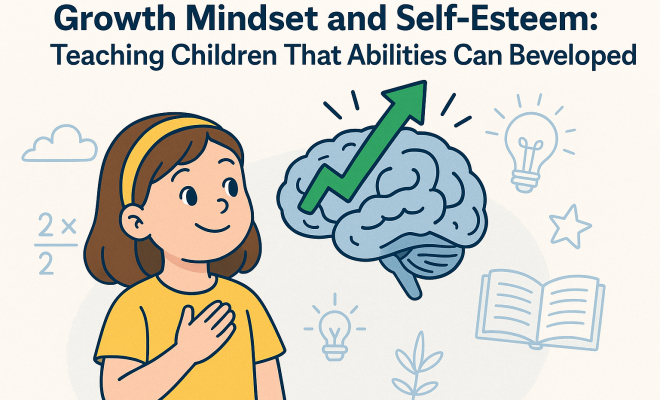
In today’s rapidly changing world, the concepts of growth mindset and self-esteem have become increasingly important for children. The way children perceive their abilities can significantly influence their approach to challenges, learning, and personal growth. What if you could teach your child that their abilities can be developed over time? This article delves deep into the essence of a growth mindset for children, its relationship with self-esteem, and practical ways to instill this powerful perspective.
Understanding Growth Mindset
The term “growth mindset” was popularized by psychologist Carol Dweck in her seminal book, “Mindset: The New Psychology of Success.” At its core, a growth mindset is the belief that intelligence and abilities can be developed through effort, experience, and perseverance. This contrasts with a fixed mindset, where individuals believe their talents are static and cannot change.
Children with a growth mindset view challenges as opportunities for learning. They are more likely to embrace difficulties rather than shy away from them. Dweck’s research highlighted that children who adopt a growth mindset tend to achieve higher levels of success and persistence, as they are motivated by improvement rather than fear of failure.
The Link Between Growth Mindset and Self-Esteem
Self-esteem refers to the way individuals perceive their worth or value. When children possess a growth mindset, their self-esteem is often bolstered by their understanding that mistakes and setbacks are part of the learning process. Instead of feeling defeated by failure, they recognize it as a stepping stone toward success.
A child with a healthy self-esteem believes in their capability to face challenges. By linking self-esteem with a growth mindset, parents and educators can help children develop resilience and a strong sense of self-worth. This connection is crucial because self-esteem can influence various aspects of a child’s life, including academic performance, relationships, and mental health.
Key Components of a Growth Mindset
Several key components contribute to fostering a growth mindset in children:
- Belief in Development: Encouraging children to see their abilities as skills that can be improved over time.
- Emphasis on Effort vs. Outcome: Reinforcing the idea that hard work and persistence are more valuable than merely achieving a certain grade or result.
- Valuing Feedback: Teaching children to view feedback as constructive rather than judgmental.
- Celebrating Mistakes: Helping children understand that mistakes are learning opportunities rather than failures.
Practical Strategies to Foster a Growth Mindset
Implementing a growth mindset in children requires intentional strategies from parents, educators, and caregivers. Here are some effective approaches:
Model Growth Mindset Behaviors
Children learn by observing the adults in their lives. When parents and teachers demonstrate a growth mindset through their actions and language, children are more likely to internalize these beliefs. Discuss your own challenges and how you tackle them. Share stories of perseverance and improvement.
Encourage Effort and Process
Instead of praising children solely for their achievements, focus on the effort they put in. For example, rather than saying, “You got an A on your test!”, you might say, “I’m proud of how hard you studied for that test!” This helps children associate their effort with their success, reinforcing the growth mindset.
Teach Resilience Through Challenges
Provide children with age-appropriate challenges and encourage them to persevere despite difficulties. Instead of rescuing them when they struggle, guide them to find solutions and celebrate their attempts, regardless of the outcome. This builds resilience and confidence over time.
Creating an Environment That Supports Growth
Creating a supportive environment is crucial for developing a growth mindset. Here’s how to cultivate such an atmosphere:
Establish a Safe Space for Learning
Children need to feel safe to express their thoughts and make mistakes. Establishing an environment where they can take risks without fear of harsh judgment encourages experimentation and learning. This psychological safety boosts self-esteem and fosters a growth mindset. (See: Understanding growth mindset concept.)
Encourage Teamwork and Collaboration
Engaging children in collaborative activities allows them to learn from peers and understand different perspectives. Working together on group projects or problem-solving tasks reinforces the idea that everyone has something to contribute and that learning is a shared journey.
Positive Language and Its Impact
The language used when discussing abilities, challenges, and growth can significantly shape a child’s mindset. Positive and encouraging language promotes a growth mindset, while negative language can instill a fixed mindset.
Use Growth-Focused Language
Incorporate phrases that emphasize development, such as “You’re improving every day!” or “Keep trying; you’ll get there!” This type of language reinforces the belief that abilities can grow and encourages children to embrace challenges.
Acknowledge Efforts, Not Just Results
Reinforcing effort over results contributes to a child’s self-esteem. Recognize and praise the actions taken to tackle challenges, even if the outcome wasn’t what they hoped for. This approach nurtures a love for learning and minimizes the fear of failure.
Growth Mindset in Education
Educators play a pivotal role in instilling a growth mindset in children. Schools that adopt growth mindset principles can create a culture of learning that significantly impacts students’ lives.
Curriculum Development
Integrating growth mindset practices into the curriculum allows students to learn about resilience and persistence in various subjects. Project-based learning, where students tackle real-world problems, encourages them to explore solutions and reflect on their learning process.
Teacher Training
Training teachers to recognize and foster a growth mindset can lead to transformative changes in classrooms. Educators who understand the principles of growth mindset can better support their students and build a learning environment that encourages risk-taking and exploration.
Measuring Progress and Success
To truly harness the power of a growth mindset, it’s essential to measure growth, not just in academic terms but in personal development as well. Recognizing progress can motivate children and enhance their self-esteem.
Set Personal Goals
Encourage children to set their own learning goals based on their interests and strengths. By tracking their progress toward these goals, they’ll begin to appreciate their growth over time. This practice teaches children to celebrate small victories and build confidence.
Reflect on Learning Experiences
Implement regular reflection sessions where children can discuss what they learned from challenges and how they can apply these lessons in future situations. Reflecting on experiences solidifies learning and reinforces the idea that growth is an ongoing journey.
Current Relevance and Future Implications
As we move further into an unpredictable future, the importance of instilling a growth mindset in children cannot be overstated. Today’s children will face numerous challenges in their lives, from academic pressures to evolving job markets. Teaching them that their abilities can develop is a vital skill that will serve them throughout their lives.
Moreover, in a world where mental health concerns are on the rise, a growth mindset can act as a protective factor. Children who believe in their ability to grow are often more resilient to stress and anxiety, which can significantly impact their overall well-being.
Frequently Asked Questions about Growth Mindset for Children
Understanding how to effectively implement a growth mindset in children can raise various questions for parents and educators. Here are some common queries:
What age is best to start teaching a growth mindset?
A growth mindset can be introduced at a very young age. Research suggests that even preschoolers can understand basic concepts of effort and improvement. As children grow, these concepts can be expanded and deepened according to their cognitive development.
How can I tell if my child has a growth mindset?
Watch for their reactions to challenges and failures. Children with a growth mindset often express curiosity and a desire to learn from their mistakes, rather than show frustration or give up. They may ask questions like, “What can I do differently next time?” and seek feedback on how to improve.
Can a growth mindset be taught at home?
Absolutely! Parents play a crucial role in fostering a growth mindset at home. Use everyday situations, like homework or sports, to model growth-focused behavior. Discuss your own challenges and frame your discussions around effort and learning.
What are some activities to promote a growth mindset?
Activities can include journaling about daily challenges and learning experiences, setting personal goals, and engaging in team sports. Arts and crafts projects can also encourage creativity and problem-solving, allowing children to see the value in the process rather than just the final product.
Are there any resources or books you recommend?
Some excellent resources include Carol Dweck’s “Mindset: The New Psychology of Success,” as well as children’s books like “The Most Magnificent Thing” by Ashley Spires and “Your Fantastic Elastic Brain” by JoAnn Deak. Online courses and workshops on growth mindset can also be beneficial for both parents and educators.
Success Stories of Growth Mindset Implementation
Real-world examples can illuminate the powerful impact of adopting a growth mindset. Here are a couple of success stories that highlight transformation through the principles of growth mindset:
Case Study: A Classroom Transformation
At a local middle school, teachers implemented growth mindset principles over the course of a semester. They initiated a program where students were encouraged to set personal academic goals and track their progress. Teachers began providing feedback that emphasized effort and improvement rather than solely grades. By the end of the semester, students reported feeling more motivated, engaged, and less fearful of making mistakes. The school saw a notable increase in overall classroom participation.
Case Study: Sports and Growth Mindset
A youth soccer team adopted a growth mindset philosophy at practice. Instead of focusing solely on winning, the coach emphasized skill development and teamwork. Players were encouraged to learn from each game, regardless of the outcome. Over the season, not only did the team improve their skills, but they also developed stronger interpersonal relationships, leading to enhanced teamwork on the field.
The Lasting Impact of a Growth Mindset
Embedding a growth mindset into a child’s belief system can have lasting effects well into adulthood. Studies show that individuals who carry a growth mindset into their careers tend to embrace challenges, seek feedback, and persist in the face of adversity. They are also more likely to foster positive relationships and collaborate effectively with others.
As society continues to evolve, children equipped with a growth mindset will be better prepared to navigate future challenges, adapt to change, and thrive in various environments. This mindset is not merely an educational tool but a lifelong skill that can shape how individuals approach life and its complexities.
Enhancing Growth Mindset Through Technology
In our increasingly digital world, technology can play a significant role in fostering a growth mindset in children. Various online platforms and apps promote learning through adaptive challenges and personalized feedback, which can further enhance the growth mindset principles.
Educational Apps and Games
Apps like ClassDojo and Khan Academy provide opportunities for children to learn at their own pace. These platforms often incorporate elements that encourage perseverance and resilience, tracking progress and allowing for reflection on improvement over time. Gamified learning experiences can also motivate children to tackle difficult subjects as they receive immediate feedback and rewards for their efforts.
Online Communities and Forums
Joining online forums and communities can provide children with a sense of belonging where they can discuss their academic challenges and share strategies. These platforms allow children to connect with peers who are navigating similar experiences, and they can learn from each other’s successes and setbacks. Engaging with diverse perspectives can significantly enhance their understanding of growth mindset concepts.
Research and Statistics on Growth Mindset
Understanding the impact of growth mindset on children’s development is supported by various research studies. Here are some significant findings:
The Impact on Academic Performance
A study published in the Journal of Personality and Social Psychology revealed that students with a growth mindset performed better academically than their peers with a fixed mindset. Specifically, students in the growth mindset group improved their grades by an average of 0.3 GPA points over a semester compared to a decline of 0.2 GPA points in the fixed mindset group.
Long-term Psychological Benefits
Research from Stanford University indicates that children who develop a growth mindset are better equipped to handle stress and anxiety. They demonstrate higher resilience levels and are more likely to engage in problem-solving strategies when confronted with challenges. This not only affects their academic performance but also their overall mental health.
Creating a Growth Mindset Culture in the Family
While schools play a pivotal role in teaching children a growth mindset, families are equally important in creating a supportive atmosphere. Here are some effective ways to cultivate a growth mindset culture at home:
Family Discussions
Encourage open conversations about challenges and failures during family gatherings. Share personal experiences where effort led to improvement. This helps normalize the idea that everyone faces difficulties and can grow through them.
Growth Mindset Activities
Engage in family activities that require problem-solving, such as building a puzzle together or cooking a new recipe. These shared experiences can foster collaboration and reinforce the value of effort and teamwork.
Encouraging Curiosity
Promote curiosity by exploring new hobbies together as a family, whether it’s learning an instrument, gardening, or coding. Emphasizing the learning process over the end result helps strengthen the growth mindset.
Conclusion: A Lifelong Journey
The journey of cultivating a growth mindset for children is not just about academic achievement—it’s about nurturing well-rounded individuals who understand the value of effort, resilience, and personal growth. By embracing the principles of a growth mindset, parents, educators, and caregivers can empower children to face challenges head-on and develop a strong sense of self-esteem. As they navigate life’s obstacles, these children will carry with them the invaluable lesson that they can always learn, grow, and improve.
“`
Trending Now
Frequently Asked Questions
What is a growth mindset in children?
A growth mindset in children is the belief that their intelligence and abilities can be developed through effort, experience, and perseverance. This perspective encourages them to view challenges as opportunities for learning and fosters resilience, ultimately leading to greater success and personal growth.
How does a growth mindset affect self-esteem?
A growth mindset positively impacts self-esteem by helping children understand that mistakes and setbacks are part of the learning process. This perspective allows them to view failures as opportunities to improve, thereby enhancing their self-worth and resilience in facing challenges.
Why is teaching a growth mindset important?
Teaching a growth mindset is important because it equips children with the belief that they can develop their abilities through effort. This mindset fosters resilience, encourages a love for learning, and helps children navigate challenges without fear of failure, leading to higher levels of success.
What are practical ways to encourage a growth mindset in children?
Practical ways to encourage a growth mindset include praising effort rather than intelligence, teaching children to embrace challenges, discussing the value of mistakes, and modeling a growth mindset in everyday situations. These strategies help children internalize the belief that they can improve through practice and perseverance.
How can parents support their child's self-esteem?
Parents can support their child's self-esteem by fostering a growth mindset, encouraging them to face challenges, and providing constructive feedback. Celebrating their efforts and progress, rather than just outcomes, helps children build resilience and a strong sense of self-worth.
Have you experienced this yourself? We’d love to hear your story in the comments.