Facts About Africa For Kids

Introduction: Exploring the Wonders of Africa
Africa is a continent full of diverse cultures, breathtaking landscapes, and fascinating wildlife. It is the second-largest and second-most populous continent in the world, offering a wealth of knowledge for children eager to learn about geography, history, and biology. This article presents an engaging look at some remarkable facts about Africa that are perfect for kids. Through these insights, young readers can gain a deeper understanding of this vibrant continent and its significance in the world.
Geography: The Size and Diversity of Africa
Africa is incredibly vast, covering about 30.2 million square kilometers, which is approximately 20% of the Earth’s total land area. Here are some geographical highlights:
Landforms: Africa boasts a variety of landforms, including mountains, deserts, rainforests, and savannahs. The Sahara Desert, the largest hot desert in the world, spans 9.2 million square kilometers across northern Africa.
Countries: There are 54 countries in Africa, each with its unique culture and heritage. Some of the most well-known countries include Egypt, Nigeria, South Africa, and Kenya.
Rivers: The Nile River, flowing through northeastern Africa, is the longest river in the world, stretching over 6,650 kilometers. Other significant rivers include the Congo River and the Zambezi River.
Climate: Africa has diverse climates, ranging from tropical in central Africa to arid in the Sahara. This variety supports different ecosystems and wildlife.
Wildlife: The Rich Biodiversity of Africa
Africa is home to an incredible array of wildlife, making it one of the best places for animal lovers. Here are some notable aspects of African wildlife:
Big Five: The term “Big Five” refers to five of the most iconic animals found in Africa: lions, leopards, elephants, buffalo, and rhinoceroses. These animals are known for their size and strength and are often sought after by tourists on safari.
Unique Species: Africa is home to species that can only be found on the continent, such as the African elephant, the giraffe, and the hippopotamus. The continent’s diverse habitats allow for a wide variety of animal life.
Conservation Efforts: Many organizations work hard to protect Africa’s wildlife and natural habitats. National parks such as Kruger National Park in South Africa and Serengeti National Park in Tanzania are crucial for conservation efforts and provide safe havens for many species.
Cultural Diversity: A Tapestry of Traditions
Africa is renowned for its rich cultural diversity, with thousands of ethnic groups and languages. Here are some key points about Africa’s cultural landscape:
Languages: More than 2,000 languages are spoken across Africa, making it one of the most linguistically diverse regions in the world. Some widely spoken languages include Swahili, Arabic, and Hausa.
Ethnic Groups: Africa is home to over 3,000 distinct ethnic groups, each with its traditions, customs, and beliefs. This diversity contributes to a rich tapestry of festivals, music, and art.
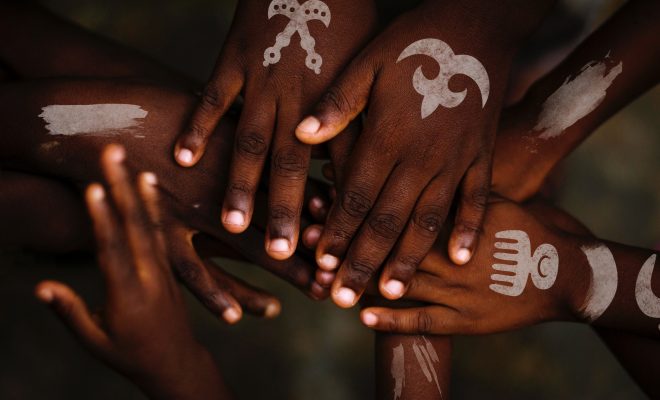
Traditional Clothing: Each culture in Africa has its unique style of clothing, often made from colorful fabrics and adorned with intricate patterns. Traditional attire is often worn during ceremonies and celebrations.
Festivals and Celebrations: Africa hosts numerous festivals throughout the year, celebrating everything from harvests to music and dance. Events like the Harare International Festival of the Arts in Zimbabwe showcase the continent’s artistic talent.
Historical Significance: The Birthplace of Humanity
Africa holds a unique place in global history as the birthplace of humanity. Here are some historical facts that highlight its significance:
Early Civilizations: Ancient civilizations, such as Egypt, Nubia, and Carthage, flourished on the African continent. The pyramids of Egypt remain one of the most famous symbols of ancient engineering.
Archaeological Discoveries: Fossils of early human ancestors, such as “Lucy” and other hominids, have been found in Africa. These discoveries provide crucial insight into human evolution and our shared history.
Colonial History: Many African countries experienced colonization during the late 19th and early 20th centuries. This period greatly impacted the continent’s political and social structures and led to movements for independence.
Independence Movements: Throughout the 20th century, many African nations fought for and gained independence from colonial powers. This struggle has shaped modern African identities and governance.
Economy: The Resources and Industries of Africa
Africa’s economy is diverse, with a mix of agriculture, mining, and tourism providing livelihoods for millions. Here are some key aspects of Africa’s economy:
Natural Resources: Africa is rich in natural resources, including precious metals like gold and diamonds, as well as oil and natural gas. These resources play a vital role in the economies of several African nations.
Agriculture: Many African countries rely heavily on agriculture, producing crops such as coffee, cocoa, and maize. Agriculture is a significant source of employment and sustenance for millions of people.
Tourism: Africa’s natural beauty and cultural heritage attract millions of tourists each year. Iconic destinations like Victoria Falls, the Serengeti, and the Great Pyramids of Giza draw visitors from around the globe.
Technology and Innovation: In recent years, Africa has seen a surge in technological advancements, particularly in mobile communications and digital solutions. This growth is helping to drive economic development across the continent.Cultural Heritage: The Rich Traditions of African Art
Africa’s art scene is as diverse as its cultures, reflecting the continent’s rich history and traditions. Here are some noteworthy aspects of African art:
Visual Arts: African visual arts encompass a wide range of forms, including sculpture, painting, and textiles. Traditional sculptures, often made from wood, clay, or stone, serve various purposes, from religious significance to decoration.
Music and Dance: Music is an integral part of African culture, with each region having its unique styles and instruments. Traditional instruments include drums, flutes, and thumb pianos. Dance often accompanies music, playing a vital role in celebrations and rituals.
Storytelling: Oral traditions are a key aspect of African culture, with storytelling serving as a means to pass down history, morals, and cultural knowledge. Griots, or traditional storytellers, are respected members of many communities who keep these traditions alive.
Craftsmanship: Many African communities are known for their craftsmanship, producing beautiful handmade goods such as pottery, beadwork, and woven baskets. These crafts often reflect local customs and are sold in markets or used in daily life.
Educational Opportunities: Learning About Africa
Understanding Africa’s diverse culture, geography, and history is crucial for children. Here are some ways kids can learn about Africa:
Books and Documentaries: There are numerous children’s books and documentaries that explore various aspects of African life, wildlife, and cultures. These resources can provide engaging storytelling and visual insights.
Cultural Exchange Programs: Schools and organizations often facilitate cultural exchange programs, allowing children to interact with peers from Africa. Such experiences can foster understanding and appreciation for different ways of life.
Art and Music Workshops: Participating in art and music workshops that focus on African traditions can be a fun way for children to learn about the continent’s rich heritage. Creating art inspired by African styles or learning traditional dances can enhance their appreciation.
Field Trips: Visiting museums or cultural centers that feature African exhibits can provide children with hands-on learning experiences. Many museums offer interactive programs designed specifically for kids to engage with African culture and history.
Environmental Awareness: Africa’s Ecosystem and Conservation
As home to some of the world’s most unique ecosystems, educating children about Africa’s environment is essential. Here are some key points about Africa’s ecological significance:
Endangered Species: Many species in Africa are threatened due to habitat loss, poaching, and climate change. Educating kids about endangered species, such as the African elephant and the white rhinoceros, can inspire them to advocate for wildlife conservation.
National Parks: Africa’s national parks play a crucial role in preserving biodiversity. Parks like the Serengeti and Kruger not only protect wildlife but also educate visitors about the importance of conservation efforts.
Sustainable Practices: Teaching children about sustainable practices, such as protecting natural habitats and reducing waste, can help them become responsible stewards of the environment. Initiatives that promote eco-friendly tourism can also be highlighted.
Community Involvement: Engaging kids in local conservation efforts, such as tree planting or wildlife monitoring programs, can instill a sense of responsibility and awareness about the importance of protecting Africa’s diverse ecosystems.
In Conclusion: The Importance of Understanding Africa
Learning about Africa is not just an educational endeavor; it is a way for children to appreciate diversity, history, and the interconnectedness of our world. By exploring the continent’s geography, wildlife, cultures, and challenges, children can develop a broader perspective and a sense of global citizenship.
Through this knowledge, they can grow into informed individuals who respect and celebrate the uniqueness of different cultures and contribute positively to the world around them. As we continue to explore Africa’s wonders, may we inspire the next generation to cherish and protect this magnificent continent and all that it represents.Conclusion: Embracing Africa’s Rich Heritage and Future
Understanding Africa is essential for fostering respect and appreciation for its diverse cultures, wildlife, and landscapes. By educating children about the continent’s history, ecosystems, and challenges, we can inspire them to become responsible global citizens who cherish and protect our shared world. Ultimately, this knowledge empowers the next generation to celebrate the rich heritage of Africa and contribute to its future sustainability and growth.