Elliot Page’s ‘Second Nature’ & Top Documentaries of the 2020s
“`html
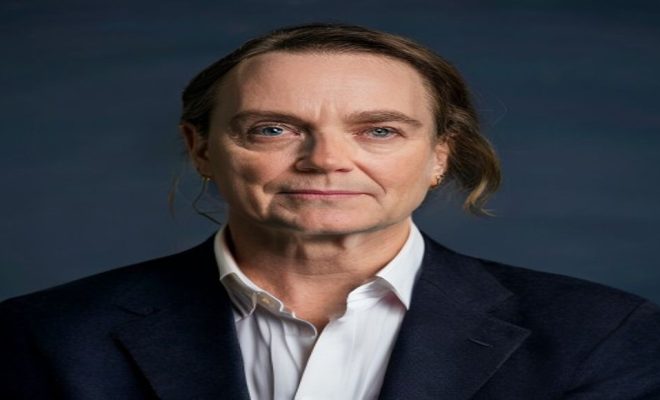
On June 25, 2026, actor Elliot Page made waves on social media by sharing a viral Instagram reel that captures the excitement surrounding the upcoming premiere of the documentary Second Nature. Directed by @dangitdrewdenny, this highly anticipated film is set to debut at DCTVNY on June 26, and Page’s post has already garnered an impressive 20,000 likes and over 516 comments within just a day. With its combination of celebrity endorsement and timely content, this moment has sparked a renewed interest in the best documentary films of the 2020s.
1. The Rise of Documentaries in Popular Culture
The 2020s have seen a remarkable resurgence in the popularity of documentary films, transitioning from niche interest to mainstream entertainment. This decade has brought forth a diverse range of topics, styles, and storytelling techniques that appeal to a broad audience. What’s interesting is the shift in how documentaries are consumed; with the rise of streaming platforms, viewers can easily access compelling narratives from the comfort of their homes.
In this environment, Elliot Page’s promotion of Second Nature highlights not only the film’s significance but also the broader trend of celebrity involvement in documentary filmmaking. Stars like Page, known for their activism and cultural influence, bring additional visibility to important issues, encouraging audiences to engage with complex subjects. This is pivotal in establishing documentaries as a vital form of social commentary.
2. What Makes a Documentary Stand Out?
With the surge of interest in the best documentary films of the 2020s, what actually sets a documentary apart? It often comes down to a few key factors: storytelling, emotional depth, and relevance of the subject. A compelling narrative can engage viewers, making them feel invested in the stories of real people and events. Emotional resonance is crucial; documentaries that elicit strong feelings often lead to deeper discussions and reflections among audiences.
Moreover, the relevance of the subject matter cannot be understated. As society grapples with social issues like climate change, mental health, and systemic injustice, documentaries that tackle these themes not only inform but can also mobilize viewers. This is especially true when well-known personalities, such as Page, lend their voices to these causes.
3. A Closer Look at Second Nature
Second Nature, directed by Drew Denny, is poised to be a significant entry in the documentary landscape of the 2020s. The film focuses on themes of identity, nature, and transformation, topics that resonate deeply with contemporary audiences. With Page’s involvement, the film garners heightened attention due to his status as a prominent LGBTQ+ advocate and mental health awareness supporter.
The film’s premiere on June 26 is a pivotal moment not just for Denny and Page, but also for the documentary community as a whole. Given the growing trend of social media engagement around documentaries, the excitement surrounding Second Nature could spark a new wave of interest in other films from the decade. As viewers rush to learn more about this film, they’ll likely stumble upon a plethora of other documentaries that deserve recognition.
4. Documentary Films That Defined the 2020s
As we look back on the best documentary films of the 2020s, several titles have made a significant impact. From My Octopus Teacher to Summer of Soul, each film brings forth unique narratives that capture the zeitgeist of the decade. My Octopus Teacher, for instance, explores the deep connection between a filmmaker and an octopus living in a South African kelp forest, showcasing the beauty and fragility of nature.
On the other hand, Summer of Soul dives into the 1969 Harlem Cultural Festival, illuminating a crucial moment in American history that was overshadowed by the Woodstock festival occurring around the same time. The film not only celebrates the music and culture of the time but also highlights social issues faced by the African American community. These documentaries are not just entertaining; they serve as educational tools that prompt viewers to reflect on their own lives and society at large.
5. The Role of Social Media in Documentaries
Social media plays an integral role in shaping the narrative around documentaries today. Platforms like Instagram and Twitter allow filmmakers to connect with audiences in real-time, creating a dialogue that can enhance the viewing experience. Elliot Page’s Instagram post is a prime example of this phenomenon; it not only promotes Second Nature but also encourages conversations about the importance of documentary films and the issues they tackle. (See: the rise of documentaries in popular culture.) (storytelling apps you'll enjoy)
Moreover, this amplification can lead to trends where certain documentaries gain traction based on viral sharing. When a celebrity like Page highlights a film, it creates a sense of urgency and FOMO (fear of missing out), pushing viewers to engage with content they might have otherwise overlooked. This trend is particularly significant for lesser-known films that deserve the same recognition as more prominent titles.
6. Engaging with the Audience: A Shared Experience
One of the most appealing aspects of documentaries today is the shared experience they foster. Viewers are more inclined to discuss what they’ve seen, share their opinions on social media, and recommend films to friends and family. This community engagement is particularly pronounced around documentary premieres, where the collective anticipation can amplify a film’s impact.
Elliot Page’s post is just a part of this larger movement. As people engage with Second Nature, they’re likely to share their thoughts and experiences, sparking discussions that can lead to a renewed interest in the best documentary films of the 2020s. The excitement doesn’t just end with the premiere; it evolves into ongoing conversations that can breathe new life into older titles, creating a cycle of discovery.
7. Looking Ahead: The Future of Documentaries
As the decade unfolds, the future of documentaries appears bright. With advancements in technology and storytelling techniques, filmmakers have more tools than ever to explore complex narratives. The rise of virtual reality and interactive documentaries promises to change how audiences engage with content, making it more immersive and impactful.
Moreover, as social issues continue to evolve, documentaries will likely respond to the changing landscape, addressing new challenges and perspectives. This adaptability is crucial for the genre, ensuring that it remains relevant and resonates with viewers. Elliot Page’s promotion of Second Nature is a reminder of the power of documentaries to inform, inspire, and drive change in our world.
In a decade where the voices of filmmakers are amplified by social media, the opportunity for documentaries to shape public discourse has never been greater. The combination of celebrity influence, audience engagement, and innovative storytelling techniques sets the stage for an exciting future in documentary filmmaking.
8. Key Themes in 2020s Documentaries
As we evaluate the landscape of the best documentary films of the 2020s, several recurring themes can be identified that resonate with audiences around the globe. These themes not only reflect societal concerns but also highlight the filmmakers’ commitment to telling stories that matter.
Climate Change and Environmental Justice
With the increasing urgency surrounding climate change, many documentaries have focused on environmental issues. Films like Chasing Ice and Before the Flood have paved the way for a new wave of environmental documentaries. In 2021, Breaking Boundaries: The Science of Our Planet, narrated by David Attenborough, took a scientific approach to show the dire state of the Earth and urged immediate action. The emphasis on environmental justice highlights how marginalized communities are disproportionately affected by climate change, making these films relevant and essential for our times.
Social Justice and Activism
Alongside environmental concerns, many documentaries in this decade have taken a hard look at social justice issues. Films like 13th and I Am Not Your Negro delve into systemic racism and the impact of historical injustices on contemporary society. More recently, Crip Camp, which chronicles a summer camp for disabled teenagers, shines a light on the disability rights movement. These films not only document but actively contribute to ongoing conversations about equality, equity, and the fight for justice.
Health and Wellbeing
The COVID-19 pandemic has profoundly influenced the types of stories being told in documentaries. Several films have explored mental health and the societal impacts of the pandemic, such as Totally Under Control and The Social Dilemma. These documentaries act as mirrors reflecting our struggles and triumphs while also offering insights into our collective psyche. They serve not just as documentation of events but as a means of processing our experiences through shared narratives.
9. The Impact of Streaming Services on Documentaries
Streaming platforms have fundamentally changed how documentaries are produced and consumed. Netflix, Hulu, and Disney+ have made significant investments in original documentary content, democratizing access to these works. In 2020, Netflix announced its commitment to spend over $100 million on documentaries, which highlights the importance of this genre within the entertainment ecosystem. With just a few clicks, viewers can access a library of documentaries from various countries and cultures, broadening their perspectives.
This trend has led to documentaries becoming a staple of binge-watching culture. Series like Our Planet and Making a Murderer have attracted massive viewership and sparked discussions that transcend the screen. The episodic format allows for deeper exploration of complex topics, making them more digestible for audiences who may be hesitant to engage with heavier subject matter. (See: documentary films of the 2020s.)
10. Documentary Festivals and Awards
Film festivals have always played a vital role in the documentary film landscape, and this remains true in the 2020s. Major festivals like Sundance, Tribeca, and Hot Docs showcase emerging documentaries, providing a platform for filmmakers to share their work with broader audiences. These festivals often highlight underrepresented voices and stories that might not otherwise receive mainstream attention.
Awards also continue to shape the success of documentaries. The Academy Awards now include categories for Best Documentary Feature and Best Documentary Short, recognizing the artistry involved in documentary filmmaking. Winning or even being nominated can significantly boost a documentary’s visibility and viewership, leading to greater discussions and engagement around the subject matter.
11. Frequently Asked Questions (FAQ)
What are the best documentary films of the 2020s?
While the “best” is subjective, some standout documentaries include My Octopus Teacher, Summer of Soul, Crip Camp, and 13th. Each offers unique insights into different aspects of our world.
How has social media influenced documentaries?
Social media has amplified the reach of documentaries by allowing filmmakers to engage directly with audiences, creating buzz and encouraging dialogue. Influencers and celebrities can bring attention to important issues, making these films more accessible and relevant.
Are documentaries becoming more popular?
Yes, documentaries have seen a surge in popularity, particularly with the rise of streaming services that make them widely available. This increase in exposure has helped elevate documentaries to a more mainstream status.
What themes are prevalent in 2020s documentaries?
Key themes include climate change, social justice, health, and well-being, and personal identity. These subjects resonate with current societal issues, making them timely and impactful.
How can I support documentary filmmakers?
You can support documentary filmmakers by watching their films, sharing them on social media, and participating in discussions. Additionally, attending film festivals and purchasing or renting films from smaller distributors can help ensure that diverse voices are heard. custody battle insights offers useful background here.
12. Exploring the Best Documentary Films of the 2020s
As the decade progresses, it’s essential to highlight specific documentaries that have not only gained critical acclaim but have also influenced public discourse. Films such as The Social Dilemma have raised significant awareness about the effects of social media on mental health and society, providing a comprehensive overview of how technology shapes our lives. The insights from former tech insiders featured in the film have sparked discussions regarding digital responsibility and ethics.
Another noteworthy documentary is Time, which chronicles the story of a woman fighting for her husband’s release from prison. It offers a raw and emotional look at the impact of incarceration on families, showcasing the strength and resilience of the human spirit. Films like these not only captivate audiences but also drive action and awareness, demonstrating the power of storytelling in fostering empathy.
13. Documentary Film Techniques That Enhance Storytelling
The craft of documentary filmmaking involves a variety of techniques that enhance storytelling and viewer engagement. One such technique is the use of archival footage, which can provide context and depth to a narrative, allowing viewers to connect with historical events in a visceral way. For example, in Summer of Soul, the integration of concert footage from the 1969 Harlem Cultural Festival enriches the storytelling and transports viewers back to that pivotal moment in time. (See: impact of celebrity involvement in documentaries.)
Interviews are another powerful tool used in documentaries to lend credibility and emotion to the narrative. Filmmakers often choose subjects whose stories resonate with the central theme, creating a personal connection with the audience. The authenticity of firsthand accounts can evoke empathy and encourage viewers to reflect on their own beliefs and experiences.
Animation has also emerged as a popular technique in documentaries, providing a creative way to illustrate complex ideas or stories that may be difficult to convey through traditional footage. Films like Flee utilize animation to depict personal narratives, offering a unique visual style that captivates audiences while delivering poignant messages.
14. Documentary Film Recommendations for Different Audiences
When discussing the best documentary films of the 2020s, it’s essential to consider the diverse interests of viewers. For those who enjoy nature and environmental themes, Our Planet offers stunning visuals and compelling narratives about the Earth’s ecosystems. It’s an excellent choice for families wanting to educate children about environmental conservation.
If you’re interested in social issues, Crip Camp is an inspiring film that tells the story of a summer camp for disabled teens and its role in the disability rights movement. It’s a powerful reminder of the importance of inclusion and activism.
For viewers looking for something more personal, Time delivers an emotional journey that resonates deeply, showcasing the complexities of love, family, and the impact of the criminal justice system.
Lastly, for those fascinated by historical events, Summer of Soul captures the richness of a cultural moment that deserves recognition. Its blend of music, culture, and history appeals to a wide range of audiences and encourages a greater appreciation of the past.
15. Final Thoughts on the Documentary Landscape
The documentary landscape of the 2020s is rich and varied, filled with stories that reflect our collective experiences and challenges. With the rise of streaming platforms, social media engagement, and a growing audience eager for knowledge and connection, documentaries have solidified their place as a powerful medium for storytelling. As we continue to navigate this decade, it’s clear that documentaries will play an essential role in shaping public discourse and inspiring social change.
“`
Trending Now
Frequently Asked Questions
What are the best documentary films of the 2020s?
The best documentary films of the 2020s are characterized by compelling storytelling, emotional depth, and relevant subjects. This decade has seen a surge in popular documentaries, with diverse topics that resonate with audiences, making them a vital form of social commentary.
How has the popularity of documentaries changed in recent years?
The popularity of documentaries has significantly increased in the 2020s, transitioning from niche interest to mainstream entertainment. This shift is largely due to the rise of streaming platforms, which allow viewers easy access to engaging narratives from home.
Why are celebrities involved in documentary filmmaking?
Celebrities like Elliot Page are increasingly involved in documentary filmmaking because their influence and activism bring additional visibility to important issues. Their participation helps engage broader audiences and encourages discussions around complex subjects.
What factors make a documentary stand out?
A documentary stands out based on its storytelling, emotional impact, and relevance of the subject matter. Engaging narratives and emotional resonance are crucial in drawing viewers in and sparking deeper conversations about real-life events and issues.
What is the significance of Elliot Page's promotion of documentaries?
Elliot Page's promotion of documentaries like 'Second Nature' highlights the growing trend of celebrity involvement in the genre. This not only boosts visibility for important topics but also reflects the broader cultural shift towards documentaries as a means of social commentary.
Have you experienced this yourself? We’d love to hear your story in the comments.