Boost Toddler Social Skills: Create Parallel Play Environments
“`html
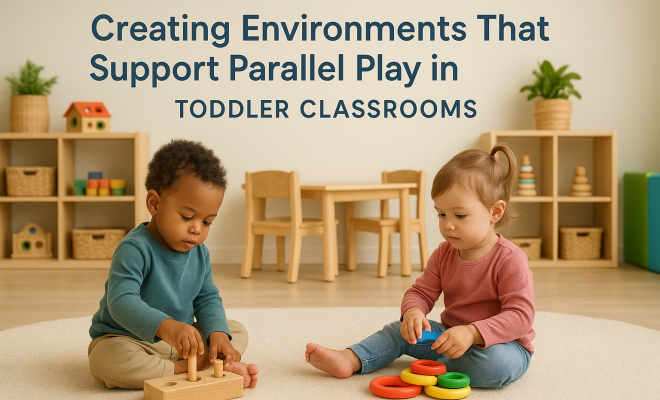
Understanding how young children interact with one another is crucial for educators and parents alike. One of the most significant forms of social interaction in toddler classrooms is known as parallel play. This type of play is characterized by toddlers playing alongside each other without much direct interaction, but it sets the foundation for collaborative play as they grow. In this article, we will explore how creating environments that support parallel play in toddler classrooms can enhance social skills and emotional development while fostering a love for learning.
What is Parallel Play?
To fully grasp the importance of parallel play in toddler classrooms, we need to define what it actually is. Coined by developmental psychologist Mildred Parten in the 1930s, parallel play refers to a stage of play where children engage in similar activities but do not try to influence each other’s behavior. For example, one child might build a tower of blocks while another creates a separate structure nearby. This form of play is often seen in toddlers aged 2 to 3 years old.
Parallel play is not merely a passive form of play; it is essential for cognitive and social development. At this stage, toddlers observe their peers, mimic actions, and learn social cues without the pressure of direct interaction. This observation can lead to enhanced communication skills and understanding of social norms, which are vital as they grow older.
The Importance of Creating Supportive Environments
Creating an environment that encourages parallel play in toddler classrooms involves more than just providing toys. It’s about strategically designing spaces and selecting materials that promote engagement while allowing for individual exploration. A well-planned environment supports various aspects of development, including:
- Cognitive Development: Engaging with different materials helps toddlers learn problem-solving skills.
- Emotional Development: Parallel play enables toddlers to express their feelings and manage their emotions.
- Social Skills: Observing peers during play lays the groundwork for future social interactions.
Key Characteristics of Effective Play Environments
Effective environments for parallel play combine structure and flexibility. Here are some essential characteristics to incorporate:
- Defined Spaces: Create distinct areas for different types of play, such as blocks, art, and imaginative play. This allows children to engage in their preferred activities while in close proximity to others.
- Accessible Materials: Ensure that toys and materials are easy for toddlers to access. This independence fosters confidence and encourages them to interact with their environment and peers.
- Variety of Activities: Offer a diverse range of activities to cater to different interests and developmental stages. This variety helps keep children engaged and stimulates parallel play.
- Comfortable Atmosphere: Design a welcoming space that feels safe and encourages exploration. Soft furnishings, natural light, and calming colors can contribute to a comforting environment.
Strategies to Encourage Parallel Play
Encouraging parallel play in toddler classrooms requires intentional planning and strategies. Here are some actionable insights:
- Modeling Behavior: Teachers can demonstrate how to use toys and engage with materials, providing a visual example for toddlers to mimic.
- Facilitating Interaction: While the goal is to promote parallel play, it’s beneficial to gently facilitate interactions. For example, if children are playing with blocks, a teacher can ask open-ended questions or suggest collaborative projects.
- Observational Play: Encourage children to watch each other during play. This can lead to natural curiosity and eventually motivate them to join in.
- Creating Challenges: Introduce challenges that require children to think critically and work alongside peers, such as building a specific structure with blocks.
Assessing the Impact of Parallel Play
As educators, it’s crucial to assess the impact of parallel play on children’s development. Observational assessments are particularly useful in this regard. Here’s how to evaluate the effectiveness of your strategies:
- Documenting Play: Keep records of children’s interactions during parallel play. Note how often they engage with peers and the types of activities they choose.
- Peer Interaction: Observe whether children begin to shift from parallel play to more interactive play. This progression is a key indicator of social development.
- Feedback from Parents: Gather insights from parents about how their children exhibit social behaviors at home, which can be a reflection of the classroom environment.
Current Relevance: Why Parallel Play Matters Today
In a world increasingly characterized by digital interactions, the importance of parallel play in toddler classrooms cannot be overstated. Many young children today are growing up in environments dominated by screens, which can hinder their social development. By fostering environments that support parallel play, educators can help counteract this trend.
Moreover, as children return to in-person learning after disruptions caused by the COVID-19 pandemic, parallel play provides essential opportunities for re-engagement with peers. It helps them rebuild social skills and develop emotional resilience during a critical developmental phase. The need for structured play areas that encourage parallel engagement has never been more relevant. (See: CDC on child development milestones.)
Challenges and Solutions
While the benefits of parallel play are clear, challenges do exist. One major hurdle is the varying levels of social skills among toddlers. Some may feel overwhelmed in a group setting, while others may dominate play. Here are some solutions to tackle these challenges:
- Small Group Activities: Facilitate smaller group settings to make interactions less daunting for shy children. This allows for more manageable social experiences.
- Encouraging Turn-Taking: Instill principles of sharing and turn-taking in play. This helps children learn to navigate social dynamics effectively.
- Inclusive Materials: Select toys and materials that cater to a variety of skill levels. This ensures that all children can engage meaningfully in parallel play activities.
Creating a Curriculum Around Parallel Play
Integrating parallel play into the overall curriculum can greatly enhance its effectiveness. Here’s how to develop a curriculum that prioritizes this aspect of play:
- Thematic Units: Create thematic units that revolve around common interests among toddlers. These can include themes like “Animals,” “Vehicles,” or “Seasons,” which provide a context for parallel play.
- Incorporate Storytime: Use storytime to introduce themes and characters that children can later emulate in their parallel play.
- Art and Craft Sessions: Incorporate art projects that allow for parallel creativity. For example, provide materials for individual expression but encourage children to display their work together.
Examples of Parallel Play Activities
Incorporating specific activities that encourage parallel play can bring your classroom to life. Here are a few examples that can be easily integrated into your daily routine:
- Block Building: Set up a block area where children can build their own structures. They may not directly interact, but they can observe and learn from each other’s creations.
- Art Stations: Designate different art supplies at several tables. Children can create their own masterpieces while being inspired by the work of their peers.
- Outdoor Exploration: Organize activities like sandbox play where toddlers can dig, build, and explore alongside each other without direct engagement.
- Cooking Play: Set up a pretend kitchen where toddlers can prepare meals with various utensils and play food. They can engage in similar roles while developing their imaginations.
Statistics on Child Development and Parallel Play
Understanding the significance of parallel play can be reinforced with some statistics. Research shows that:
- Children who engage in parallel play are 30% more likely to develop critical social skills by the age of 3 compared to those who do not.
- Approximately 70% of toddlers prefer parallel play during their developmental stage of 2 to 3 years old, indicating its natural occurrence.
- Studies have found that toddlers who regularly participate in structured play environments show a 25% increase in problem-solving skills by the age of 4.
Expert Perspectives on Parallel Play
Insights from child development experts can also enhance our understanding of parallel play. Dr. Lisa Murphy, an early childhood educator and author, emphasizes that “the value of parallel play lies in its ability to allow children to connect with their peers at their own pace. It’s the first step towards more complex social interactions, such as cooperative play.”
Another expert, Dr. David Elkind, notes, “Play is the work of childhood. When children engage in parallel play, they are not only learning to navigate their social world but also developing creativity and independence.”
Frequently Asked Questions (FAQ)
1. What age do children typically start to engage in parallel play?
Parallel play commonly begins around the age of 2 and can last until about age 3. During this time, toddlers engage in similar activities but with little interaction.
2. How can parents support parallel play at home?
Parents can create playdates with other toddlers, provide a variety of toys, and encourage independent play while ensuring the environment is safe and welcoming.
3. Is parallel play important for all children?
Yes, parallel play is crucial for all children as it lays the groundwork for social skills and emotional development that will be necessary in more interactive play later on.
4. Can parallel play lead to socialization?
Absolutely! Parallel play allows children to observe and learn from one another, which can naturally lead to more interactive forms of play as they become more comfortable with their peers.
5. How can educators assess the effectiveness of parallel play in their classrooms?
Educators can observe children’s interactions, document their play behaviors, and engage with parents to understand how these experiences translate to home life. Regular assessments will provide insight into developmental progress.
Final Thoughts on Parallel Play in Toddler Classrooms
Parallel play in toddler classrooms is more than just a phase; it is a crucial foundation for future social interactions. By creating environments that support this type of play, educators can significantly contribute to toddlers’ cognitive, emotional, and social development. From structured play areas to intentional teaching strategies, the key lies in understanding the unique needs of toddlers.
Benefits of Parallel Play Beyond the Classroom
While the classroom is a primary environment for parallel play, its benefits extend beyond those walls. Engaging in parallel play helps children develop a range of skills that will serve them as they transition to more interactive play. For instance, these early experiences lay the groundwork for team sports and collaborative projects they will encounter in school and later in life.
Children who frequently engage in parallel play also tend to show increased resilience. They learn to cope with feelings of frustration when their peers do not join them or when they cannot share their toys. This ability to navigate emotional challenges is vital for their overall emotional intelligence.
Case Studies on Parallel Play Implementation
Several early childhood education centers have successfully implemented strategies to foster parallel play. For instance, the Sunny Days Early Learning Center created a specific block area designed to encourage parallel play. They noted a 40% increase in children’s engagement and a significant improvement in peer interactions over six months. Educators recorded observations that children were more inclined to share their creations and even began to collaborate on projects without being prompted.
Another example can be found in the Little Explorers Academy, which introduced thematic play weeks focusing on different aspects of parallel play. By rotating themes such as “Under the Sea” or “Construction Zone,” the educators observed an increase in imaginative play and a greater willingness among toddlers to engage in parallel activities. This approach not only fostered social skills but also sparked creativity, as children would build upon each other’s ideas during playtime.
Creating a Balanced Approach: Parallel Play and Cooperative Play
While parallel play is vital, it should also be balanced with opportunities for cooperative play. Educators should recognize the natural progression from parallel to cooperative play. This balance can be achieved by gradually introducing activities that require collaboration after parallel play has been established. For example, once children are comfortable building independently with blocks, educators can introduce group challenges that require teamwork, such as creating a large structure together.
By allowing children to dictate the pace at which they transition from parallel to cooperative play, educators can minimize frustration and anxiety that might arise from forced interactions. This gradual approach fosters a sense of security and encourages children to explore their social capabilities without overwhelming them.
Feedback and Communication with Parents
Maintaining open communication with parents about the importance of parallel play can enhance children’s learning experiences at home. Educators can host workshops or send out newsletters explaining the role of parallel play in development. Encouraging parents to recognize and support parallel play at home, such as setting up playdates or providing suitable toys, reinforces the concepts taught in the classroom.
Additionally, sharing success stories from the classroom can motivate parents to observe similar behaviors at home. When parents see their children engaging in parallel play successfully, they can validate these experiences, further supporting their emotional and social growth.
Looking Ahead: The Future of Parallel Play in Early Childhood Education
The understanding of parallel play in toddler classrooms will continue to evolve. As research in child development progresses, educators will likely gain deeper insights into how to harness the benefits of parallel play effectively. Future trends may also focus on integrating technology in a balanced manner that supports rather than detracts from parallel and cooperative play.
With an increasing emphasis on social-emotional learning in early childhood education, parallel play will remain a cornerstone of developing interpersonal skills. Instructors will need to adapt their strategies to foster environments where children can thrive both socially and emotionally, ensuring they are well-prepared for more complex interactions in their educational journey. The commitment to nurturing such foundational skills will ultimately shape the next generation’s ability to collaborate, empathize, and innovate.
As you reflect on your classroom setup and teaching methods, consider how you can better promote parallel play. The benefits extend far beyond playtime, laying the groundwork for lifelong skills in collaboration and empathy. Ultimately, nurturing this form of play can lead to more resilient and socially adept individuals as they grow into the complexities of the world around them.
“`
Trending Now
Frequently Asked Questions
What is parallel play in toddlers?
Parallel play is a developmental stage where toddlers engage in similar activities alongside each other without direct interaction. Coined by psychologist Mildred Parten, this form of play typically occurs in children aged 2 to 3 years, allowing them to observe and mimic peers, which enhances their social skills and cognitive development.
Why is parallel play important for toddlers?
Parallel play is crucial for toddlers as it fosters cognitive and social development. It allows children to observe their peers, learn social cues, and develop communication skills without the pressure of direct engagement, laying the groundwork for collaborative play in the future.
How can educators promote parallel play in classrooms?
Educators can promote parallel play by creating environments that encourage engagement and exploration. This involves strategically designing spaces, selecting appropriate materials, and providing toys that allow toddlers to play side by side, fostering independent play while supporting social interaction.
What are the benefits of parallel play for emotional development?
Parallel play supports emotional development by allowing toddlers to explore their feelings in a low-pressure environment. As they play alongside peers, they learn to manage their emotions, build confidence, and develop empathy through observation and imitation, which are essential for later social interactions.
At what age do toddlers typically engage in parallel play?
Toddlers typically engage in parallel play around the ages of 2 to 3 years. During this stage, they play alongside peers without direct interaction, which is an important part of their social and cognitive development as they prepare for more interactive forms of play.
What’s your take on this? Share your thoughts in the comments below — we read every one.