Don’t Make This Fatal Mistake: Why Senior Travel Insurance Needs Urgent Attention
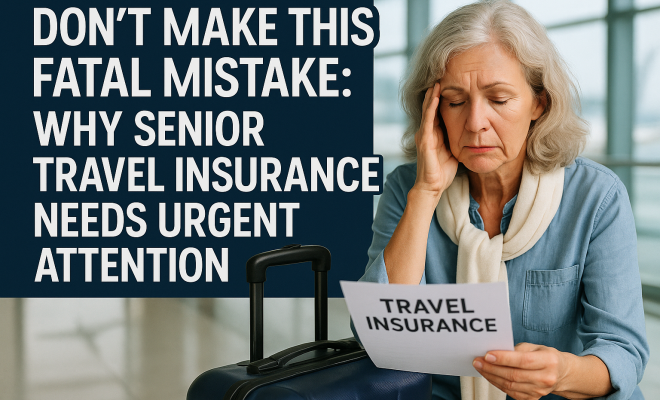
When you’ve spent a lifetime working, saving, and dreaming of those golden years, travel often becomes a cornerstone of retirement. It’s a chance to see the world, visit loved ones, or simply relax in new surroundings. But here’s the thing many seasoned travelers overlook, and it can cost you dearly: travel insurance isn’t a one-size-fits-all product, especially as we age. For seniors, choosing the best travel insurance for seniors isn’t just about ticking a box; it’s about safeguarding your health, your finances, and your peace of mind.
I’ve seen firsthand how easily a dream trip can turn into a financial nightmare because someone didn’t understand the nuances of their policy. A recent, unsettling trend highlights this problem: many Americans are buying travel insurance too late, completely invalidating crucial benefits like waivers for pre-existing conditions or the highly coveted ‘Cancel For Any Reason’ (CFAR) coverage. You might think ‘travel protection’ means you’re covered, but the fine print, those contractual rules and deadlines, often tell a very different story. This oversight can lead to thousands, sometimes tens of thousands, of dollars in losses. It’s a gut-wrenching experience, and it’s entirely preventable if you know what to look for and, more importantly, when to look for it.
1. Understanding the ‘When’ of Purchasing Travel Insurance: Timing is Everything
Let’s get this straight from the start: when you buy your travel insurance is almost as important as what you buy. Many of the most valuable benefits, especially for seniors, are time-sensitive. We’re talking about a window of typically 10 to 21 days from your *initial trip deposit* – not when you pay off the whole trip, but that very first payment you make. Missing this window can be incredibly costly, rendering critical coverages null and void.
Take, for instance, the pre-existing condition waiver. If you have a heart condition, diabetes, or even chronic back pain, you absolutely need this waiver for those conditions to be covered if something flares up while you’re away. If you don’t buy your policy within that initial timeframe, insurers often won’t cover any medical issues related to those conditions. The same goes for ‘Cancel For Any Reason’ (CFAR) coverage, which allows you to recoup a significant portion (usually 50-75%) of your non-refundable trip costs if you decide not to go, regardless of the reason. This flexibility is invaluable, but again, it’s usually only available if purchased early. It’s not just a suggestion; it’s a hard deadline that could save you a fortune.
2. Pre-Existing Conditions: The Senior Traveler’s Prime Concern
For many seniors, pre-existing conditions aren’t just a possibility; they’re a reality. A pre-existing condition is generally defined as any illness, injury, or medical condition that existed or was treated within a certain look-back period (often 60 to 180 days) before you purchased the insurance. The good news is that many comprehensive travel insurance plans offer a waiver for these conditions, but as I just mentioned, the timing is critical.
To qualify for a pre-existing condition waiver, you typically need to purchase your policy within that narrow initial booking window, be medically able to travel at the time of purchase, and insure the full non-refundable cost of your trip. If you meet these criteria, the waiver essentially means your policy will cover medical emergencies related to those conditions, just as it would for new conditions. Without it, you’re essentially self-insuring against a major medical event, which, let’s be honest, is a gamble no one should take when traveling internationally or even domestically for an extended period. Always read the policy’s definition of ‘pre-existing condition’ and the requirements for the waiver very carefully.
3. Higher Medical Coverage Limits: A Non-Negotiable for Older Travelers
Let’s talk about medical coverage. When you’re younger, a $50,000 or $100,000 medical limit might seem adequate. For seniors, particularly those traveling internationally, it’s often far from enough. Medical costs abroad, especially for serious conditions requiring hospitalization or surgery, can be astronomical. A broken hip in Europe or a stroke in Asia could easily rack up hundreds of thousands of dollars in bills. Your domestic health insurance, including Medicare, typically provides very limited, if any, coverage once you leave the U.S.
When you’re looking for the best travel insurance for seniors, aim for policies with medical coverage limits of at least $250,000, and ideally $500,000 or more. This might sound excessive, but consider the costs of an emergency medical evacuation, which can easily top $100,000 on its own. You don’t want to be in a foreign hospital, trying to coordinate payment for a life-saving procedure while simultaneously worrying about bankrupting your family. High medical limits provide a crucial safety net that simply can’t be understated for older travelers.
4. Emergency Medical Evacuation: Your Lifeline in a Crisis
This benefit is often overlooked, but it’s one of the most vital components of travel insurance for seniors. Emergency medical evacuation coverage pays for the professional transport to the nearest adequate medical facility, or even back home, if medically necessary. Imagine you’re on a cruise in the Caribbean or hiking in a remote part of South America and suffer a serious medical emergency. Local medical facilities might not be equipped to handle your specific condition.
Without evacuation coverage, arranging and paying for an air ambulance, medical personnel, and specialized equipment could be a logistical and financial nightmare. We’re talking about costs that can range from $25,000 to well over $200,000, depending on your location and the required care. For seniors, who might have more complex medical needs or be more susceptible to certain health issues, robust emergency medical evacuation coverage (aim for at least $250,000 to $500,000) is absolutely essential. It ensures you get the care you need, where you need it, without devastating your retirement savings. (See: CDC Travel Health Information.)
5. ‘Cancel For Any Reason’ (CFAR) Coverage: The Ultimate Flexibility
Life is unpredictable, and sometimes, you just need to cancel a trip. Standard trip cancellation insurance covers specific, named perils like illness, injury, or a family death. But what if your grandchild’s wedding date changes, your travel companion can’t go, or you simply have a change of heart? That’s where ‘Cancel For Any Reason’ (CFAR) coverage shines. It’s an optional upgrade that allows you to cancel your trip for *any* reason not covered by your standard policy and still get a percentage (typically 50% to 75%) of your non-refundable trip costs back.
For seniors, this flexibility can be incredibly reassuring. Perhaps a minor health concern arises that isn’t severe enough to trigger a standard cancellation claim, but makes you uncomfortable traveling. Or maybe there’s political unrest in your destination that doesn’t meet the ‘named peril’ criteria. CFAR provides that extra layer of protection, giving you unparalleled peace of mind. Remember, this benefit is almost always time-sensitive and must be purchased very early in your trip planning process, usually within 10-21 days of your initial deposit. For more context, see anti-aging breakthroughs.
6. Age Limits and Premiums: Navigating the Cost of the Best Travel Insurance for Seniors
It’s an unfortunate reality that as we get older, travel insurance premiums tend to increase. This isn’t discriminatory; it’s simply based on actuarial data that shows older travelers, on average, are more likely to experience medical emergencies or need assistance while traveling. However, don’t let this deter you from getting coverage. The cost of insurance is almost always a fraction of what a major medical incident or trip cancellation could cost you out of pocket.
Some policies have upper age limits, meaning they won’t cover travelers over a certain age (e.g., 85 or 90). Others might offer coverage but with reduced benefits or higher deductibles. When comparing policies, pay close attention to these age-related clauses. It’s crucial to be transparent about your age and health status to ensure your policy is valid. While premiums might be higher, the peace of mind and financial protection far outweigh the additional expense, making it a wise investment for any senior traveler.
7. Comparing Policies: Beyond the Price Tag
It’s tempting to just go with the cheapest option, but that’s a common mistake. When looking for the best travel insurance for seniors, you need to compare policies not just on price, but on their specific benefits, exclusions, and limitations. Look at the medical limits, the evacuation limits, the pre-existing condition waiver requirements, and whether CFAR is an option. Check the deductible amounts – a higher deductible might mean a lower premium, but it also means more out-of-pocket costs if you file a claim.
Also, consider the reputation of the insurance provider. Do they have a good track record for customer service and claims processing? Read reviews, check their financial stability, and make sure they have 24/7 emergency assistance. This is critical if you’re in a different time zone and need immediate help. A few extra dollars for a reputable insurer with robust benefits can make all the difference when you’re in a stressful situation far from home.
8. Understanding What’s NOT Covered: The Exclusions You Must Know
Just as important as knowing what’s covered is understanding what isn’t. All travel insurance policies have exclusions, and these can vary significantly. Common exclusions include acts of war, self-inflicted injuries, drug or alcohol abuse, and sometimes even adventure sports (unless you purchase an add-on). For seniors, it’s particularly important to look out for exclusions related to ‘expected’ medical events or conditions not covered by a pre-existing condition waiver.
Also, pay attention to ‘foreseeable events.’ If you book a trip to a region known for hurricanes during hurricane season and a storm is already brewing when you buy your policy, trip cancellation for that hurricane might be excluded. Always read the entire policy document – yes, the long, boring one – before you buy. If something isn’t clear, call the insurer and ask. Don’t assume anything. This proactive approach will save you heartache and financial loss down the line.
9. The Importance of Reading the Fine Print and Asking Questions
I cannot stress this enough: *read your policy*. The recent article I mentioned highlights this perfectly – people assume ‘travel protection’ means full coverage, only to find their claims denied because they didn’t understand the contractual rules and deadlines. Travel insurance is a contract. It’s legally binding, and the insurer will adhere strictly to its terms.
Don’t just skim the summary. Get the full policy document, sit down with a cup of coffee, and go through it section by section. Pay particular attention to the definitions, exclusions, and claims procedures. If you have any questions, call the insurance provider directly. Their customer service representatives are there to clarify policy wording and ensure you understand what you’re buying. It’s much better to spend an hour or two upfront understanding your coverage than to face thousands of dollars in unexpected costs later. This due diligence is the best way to ensure you pick the best travel insurance for seniors that truly fits your needs.
10. Annual vs. Single-Trip Policies: Which is Right for You?
For seniors who plan on taking multiple trips within a year, an annual multi-trip policy might be a more cost-effective and convenient option than purchasing a single-trip policy for each journey. Annual policies typically cover all trips taken within a 12-month period, often with a maximum duration per trip (e.g., 30, 45, or 60 days). This can save you money and the hassle of buying a new policy every time you travel. (See: National Institutes of Health.)
However, annual policies also have their nuances. They usually have lower medical coverage limits compared to comprehensive single-trip plans, and some may not offer a pre-existing condition waiver for every trip, or the waiver might have different requirements. If you have a specific, long, or high-value trip planned, a dedicated single-trip policy might still be the better choice, even if you have an annual plan. It’s important to compare the aggregate cost and coverage of an annual policy against the sum of individual policies for your planned travels. Consider your travel frequency and the nature of your trips before deciding.
11. Understanding Trip Interruption vs. Trip Delay
These two terms often get confused, but they cover very different scenarios, and both are important for seniors. Trip interruption coverage kicks in if your trip is unexpectedly cut short due to a covered reason, like a medical emergency, a family death, or severe weather at home. It reimburses you for the unused portion of your trip and often covers the cost of getting you home early. For more context, see molecule that could reverse dementia.
Trip delay, on the other hand, provides benefits if your departure or arrival is delayed by a certain number of hours (e.g., 3, 6, or 12 hours) due to covered events like airline mechanical issues, weather, or natural disasters. This coverage typically helps with unexpected expenses like meals, accommodation, and transportation during the delay. For seniors, who might find extended delays particularly challenging or who may have specific medical needs that require timely arrival, strong trip interruption and delay benefits can be incredibly valuable for maintaining comfort and reducing stress.
12. Lost or Delayed Baggage: Protecting Your Valuables and Essentials
While not as critical as medical or evacuation coverage, lost or delayed baggage benefits are still highly relevant for senior travelers. Losing your luggage, especially with essential medications, can be more than just an inconvenience; it can be a serious health concern. Travel insurance policies typically offer coverage for lost, stolen, or damaged baggage, reimbursing you up to a certain limit for your belongings. Many policies also include a benefit for delayed baggage, providing a smaller sum to purchase essential items like toiletries and clothing if your bags are delayed for a specified period (e.g., 6-12 hours).
When reviewing policies, look at the per-item limits within the overall baggage coverage. High-value items, like electronics or expensive jewelry, might have lower individual limits. Keep receipts for all your packed valuables, and always carry essential medications, important documents, and a change of clothes in your carry-on bag. This benefit provides a practical layer of protection for your personal effects, allowing you to replace necessities without dipping into your travel budget or retirement savings.
13. Travel Insurance vs. Credit Card Benefits: Don’t Rely Solely on Your Card
Many premium credit cards offer some form of travel insurance benefits, such as trip cancellation, baggage delay, or rental car insurance. While these can be a nice perk, they are rarely comprehensive enough to replace a dedicated travel insurance policy, especially for seniors. Credit card benefits often have lower coverage limits, more restrictive terms, and significant exclusions, particularly when it comes to medical emergencies and pre-existing conditions.
For instance, a credit card might offer $10,000 in trip cancellation coverage, but if your trip costs $20,000, you’re still on the hook for half. Their medical benefits, if they exist at all, are typically very minimal compared to what a robust travel insurance policy offers. It’s okay to use credit card benefits as a supplementary layer of protection, but never assume they will cover you adequately for major unforeseen events. Always read the fine print of your credit card’s benefits guide and compare it directly with a standalone travel insurance policy to understand where the gaps lie. For seniors, the peace of mind and comprehensive coverage of a dedicated policy are usually worth the investment.
14. Expert Perspective: The Value of a Travel Insurance Broker
Navigating the complex world of travel insurance can feel overwhelming, especially with all the different providers, policy types, and benefit variations. This is where a reputable travel insurance broker can be incredibly valuable. Unlike an individual insurance company that will only promote its own products, a broker works with multiple providers. They can assess your specific travel plans, health status, and concerns, then compare various policies from different insurers to find the best fit for your needs and budget.
A good broker understands the nuances of pre-existing condition waivers, age limits, and high-dollar medical evacuation requirements, which are all particularly relevant for seniors. They can explain the fine print, highlight potential pitfalls, and often find policies with better value than you might discover on your own. Think of them as your personal guide through the insurance maze, ensuring you get comprehensive coverage without overpaying or missing critical benefits. Their expertise can save you significant time, stress, and potentially a lot of money in the long run. For more context, see breakthroughs in aging. (See: New York Times Travel Section.)
Frequently Asked Questions About the Best Travel Insurance for Seniors
Q1: Does Medicare cover me when I travel internationally?
No, generally Medicare does not provide coverage for medical services received outside the United States. There are a few very specific and limited exceptions, such as if you’re on a cruise ship within U.S. territorial waters, or if you’re in Canada or Mexico and a U.S. hospital is closer than a foreign one. But for the vast majority of international travel, you’ll need a separate travel insurance policy with robust medical coverage. Even for domestic travel, Medicare may not cover all costs, and a travel policy can supplement it, especially for emergency evacuations.
Q2: Can I get travel insurance if I have a serious pre-existing condition like cancer or heart disease?
Yes, absolutely. Many comprehensive travel insurance policies offer a pre-existing medical condition waiver, provided you meet certain criteria. These typically include purchasing the policy within a specific timeframe (often 10-21 days) of your initial trip deposit, being medically stable and able to travel at the time of purchase, and insuring the full non-refundable cost of your trip. It’s crucial to be transparent about your medical history and carefully review the policy language regarding pre-existing conditions and their waivers. If you qualify, these conditions will be covered just like any new medical issue that arises on your trip.
Q3: What’s the maximum age for purchasing travel insurance?
This varies significantly by provider and policy. Some insurers have upper age limits, such as 85, 90, or even 99, while others have no upper age limit at all. However, as travelers get older, policies might become more expensive, and certain benefits (like medical coverage) might have lower limits or higher deductibles. It’s essential to get quotes from multiple providers and read the policy details carefully to understand any age-related restrictions or modifications to coverage. Don’t assume you’re too old; many options are available.
Q4: Is ‘Cancel For Any Reason’ (CFAR) coverage worth the extra cost for seniors?
For many seniors, CFAR coverage is highly recommended and often worth the additional premium. It provides unparalleled flexibility, allowing you to cancel your trip for literally any reason not covered by standard trip cancellation and still recoup a significant portion (typically 50-75%) of your non-refundable costs. This is particularly valuable if health concerns, family emergencies, or even a simple change of heart might make you reconsider your travel plans. Just remember, CFAR is time-sensitive and usually must be purchased within a short window (10-21 days) of your initial trip deposit.
Q5: How much medical coverage do I really need as a senior traveler?
When you’re older, I generally recommend aiming for at least $250,000 to $500,000 in emergency medical coverage, especially for international travel. Medical costs abroad can be incredibly high, and your domestic health insurance (including Medicare) likely won’t cover you. A major medical event like a stroke, heart attack, or serious accident could easily lead to hospital bills in the hundreds of thousands of dollars. Combining this with a high limit for emergency medical evacuation (also $250,000-$500,000) provides a robust safety net, ensuring you get necessary care without facing financial ruin.
Q6: What should I do if I have a medical emergency while traveling?
First, seek immediate medical attention. Then, as soon as it’s safe and practical, contact your travel insurance provider’s 24/7 emergency assistance line. They can help coordinate care, connect you with local medical facilities, arrange for direct payment where possible, and guide you through the claims process. Keep all medical records, receipts, and communication logs. Having their contact information readily accessible is crucial.
Choosing the best travel insurance for seniors isn’t just a recommendation; it’s an essential part of responsible trip planning. Your golden years should be filled with incredible memories, not financial anxieties from unexpected travel mishaps. By understanding the critical timing for purchase, prioritizing robust medical and evacuation coverage, and diligently reviewing policy details, you can embark on your adventures with genuine peace of mind, knowing you’re well-protected against the unforeseen.
Trending Now
- Michigan parents charged with misdemeanors after…
- the complete explanation
- The Silent Revolution: Why Traditional Degrees Are Crumbling Against This Unstoppable Force
- this guide on education dept. goes viral with takedown of ‘fake news’ story on loan cuts: no more handouts for failing degrees
- Why You’re Falling Behind: The AI Skill Secret College Isn’t Telling You
Frequently Asked Questions
What is the importance of travel insurance for seniors?
Travel insurance is crucial for seniors as it protects against unexpected health issues, financial losses, and provides peace of mind while traveling. It ensures that you are covered for emergencies like medical expenses or trip cancellations, which can be particularly risky for older travelers.
When should seniors buy travel insurance?
Seniors should purchase travel insurance within 10 to 21 days of making their initial trip deposit. This timing is essential to secure important benefits like waivers for pre-existing conditions and 'Cancel For Any Reason' coverage, which can save you from significant financial losses.
What happens if you buy travel insurance too late?
Buying travel insurance too late can lead to the loss of crucial benefits, such as coverage for pre-existing conditions or the ability to cancel for any reason. Missing the purchase window can render these protections null and void, resulting in costly out-of-pocket expenses.
How does age affect travel insurance options?
As travelers age, their health risks may increase, making it vital to choose travel insurance that specifically caters to seniors. Policies may vary in coverage options, exclusions, and pricing, so understanding these nuances can help seniors select the best plan for their needs.
What are the common pitfalls seniors face with travel insurance?
Common pitfalls include purchasing insurance too late, misunderstanding policy terms, and failing to recognize the importance of specific coverage options. Seniors often overlook time-sensitive benefits, which can lead to significant financial losses during travel if not properly addressed.
What did we miss? Let us know in the comments and join the conversation.