Vernal Equinox 2026: Global Spring & Autumn Begins
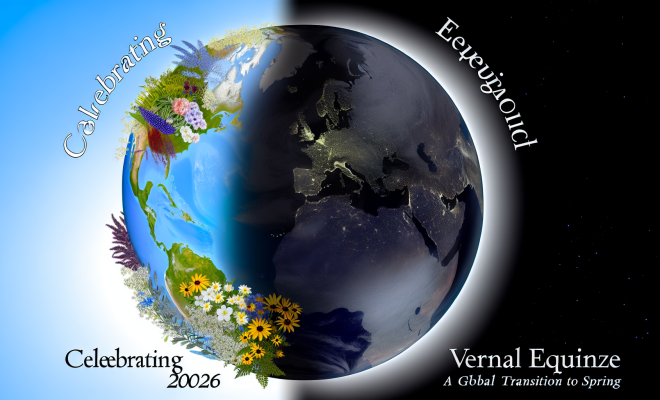
The year 2026 marks a significant astronomical event as the vernal equinox occurs on March 20 at 10:46 PM Philippine time. This moment signifies the onset of spring in the Northern Hemisphere, which includes countries like the Philippines, while simultaneously ushering in autumn in the Southern Hemisphere. The vernal equinox is an event that has captivated human attention for centuries, symbolizing renewal and balance in nature.
The Science Behind the Vernal Equinox
During the vernal equinox, the Sun is positioned directly above the Earth’s equator. This unique alignment is a result of the Earth’s 23.5-degree axial tilt, which influences the distribution of sunlight across the globe. As a result, day and night lengths become nearly equal worldwide, a phenomenon that occurs only twice each year.
Global Implications of the Equinox
The equal day and night lengths during the equinox are a reminder of the Earth’s balanced relationship with the Sun. In practical terms, this means:
- The Sun rises precisely in the east and sets directly in the west.
- Regions around the globe experience equal amounts of daylight and darkness, fostering a sense of equilibrium.
- People in various cultures celebrate this transition, associating it with themes of rebirth, fertility, and new beginnings.
PAGASA’s Role in the Vernal Equinox
The Philippine Atmospheric, Geophysical and Astronomical Services Administration (PAGASA) plays a pivotal role in observing and reporting on such astronomical events. According to PAGASA, the vernal equinox, along with the autumnal equinox, serves as one of the two annual markers defining the astronomical seasons.
PAGASA encourages the public to take note of the equinox, as it is an ideal time for activities related to gardening and planting, especially in the agricultural sector. The arrival of spring is often associated with increased rainfall and favorable conditions for crops, making it a crucial time for farmers and gardeners alike.
Historical and Cultural Significance
Throughout history, the vernal equinox has held cultural significance across various civilizations. Ancient cultures recognized the equinox as a time to celebrate life, fertility, and the return of warmth. Here are some notable examples:
- Persian Nowruz: The Persian New Year, celebrated on the vernal equinox, marks the beginning of spring and is associated with themes of rebirth and renewal.
- Stonehenge: In the UK, this prehistoric monument attracts thousands of visitors who gather to witness the sunrise on the equinox, celebrating the connection between ancient peoples and astronomical events.
- Japanese Shunbun no Hi: This public holiday is celebrated in Japan, where families visit graves and celebrate the arrival of spring.
These events illustrate how the vernal equinox has long been intertwined with human culture, influencing traditions and rituals that honor the cyclical nature of life.
What to Expect This Year
As we approach the vernal equinox on March 20, 2026, communities in the Northern Hemisphere will begin to experience longer days and warming temperatures. This transition is not just a shift in the seasons; it also serves as a powerful reminder of the Earth’s dynamic systems and cycles.
In the Philippines, the arrival of spring heralds the start of various local festivals celebrating the bounty of nature. Events highlighting agriculture, nature, and community are common as people take advantage of the optimal growing conditions. Farmers often prepare their fields for planting, and urban gardeners may begin to sow seeds in anticipation of a fruitful harvest.
Embracing Nature’s Cycles
The vernal equinox invites us to reflect on our relationship with nature and the environment. As we witness the shifts in seasons, it encourages us to engage more deeply with the world around us—whether by participating in local traditions, gardening, or simply enjoying the longer days.
In conclusion, the 2026 vernal equinox is more than just an astronomical event; it’s a celebration of renewal, balance, and the interconnectedness of all life on Earth. As we prepare to welcome spring, let us embrace the opportunities it brings, both in our personal lives and within our communities.