California’s Honest Pricing Law: Fueling Class Action Lawsuits
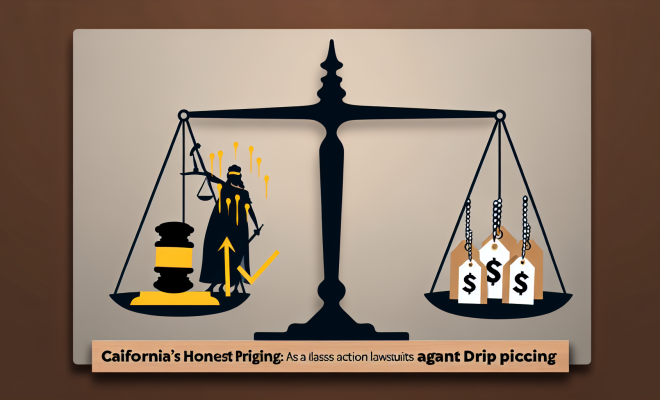
The landscape of consumer protection in California has recently undergone a significant transformation with the implementation of the Honest Pricing Law. This legislation, which came into effect less than two years ago, aims to combat the prevalent issue of ‘drip pricing.’ Drip pricing refers to the practice where consumers are initially presented with a low price that is subsequently inflated by a series of hidden fees revealed late in the transaction process. As a result of this law, California has witnessed a surge in class action lawsuits targeting businesses that engage in such pricing practices.
Understanding Drip Pricing
Drip pricing has become a widespread concern, particularly within industries such as travel, hospitality, and e-commerce. Often, consumers are lured in by attractive base prices, only to discover additional charges for taxes, fees, or services that significantly raise the total cost. This practice can lead to consumer frustration and a feeling of being misled, prompting a call for legislation that enforces pricing transparency.
The Honest Pricing Law Explained
The Honest Pricing Law, which was introduced in California, seeks to ensure that consumers are aware of the full price of a product or service before they complete a transaction. The law mandates that businesses clearly display the total cost, including any additional fees or charges, upfront. This transparency is aimed at protecting consumers from unexpected financial burdens and fostering a fair marketplace.
Key Provisions of the Law
- Full Price Disclosure: Businesses must disclose the total price of a product or service, including any additional fees that may apply.
- Clear and Conspicuous Information: Pricing information must be presented in a manner that is easy for consumers to understand, avoiding any deceptive practices.
- Consumer Protection Focus: The law emphasizes safeguarding consumers from hidden charges that can distort their purchasing decisions.
The Surge in Class Action Lawsuits
Since the Honest Pricing Law’s enactment, California courts have been inundated with class action lawsuits against various businesses accused of violating the new pricing regulations. Plaintiffs argue that businesses continue to engage in deceptive pricing practices, thus undermining the very purpose of the law. Legal experts indicate that the rise in litigation is a direct response to the increased awareness of consumer rights and the legal framework designed to protect them.
Notable Cases and Legal Precedents
Several high-profile cases have emerged as a result of the Honest Pricing Law, illustrating the law’s impact on business practices. For instance, a prominent online travel agency faced a lawsuit for allegedly failing to disclose essential fees upfront, leading to a class action lawsuit filed by dissatisfied consumers. The plaintiffs argued that the company’s pricing strategy not only contravened the Honest Pricing Law but also caused widespread financial harm to its customers.
In another case, a popular hotel chain was sued for misleading pricing practices related to resort fees that were not clearly presented during the booking process. The court’s interpretation of the Honest Pricing Law in these cases has set important precedents regarding how businesses must approach pricing transparency.
Judicial Interpretation and Challenges
As courts begin to interpret the scope of the Honest Pricing Law, several challenges have emerged. Legal experts note that while the law aims to enhance consumer protection, defining what constitutes ‘clear and conspicuous’ information can be subjective. Courts are tasked with determining whether businesses adequately communicated additional fees and charges to consumers.
Additionally, some businesses have contended that the law’s requirements may stifle competition by imposing burdensome disclosure obligations. This has led to debates about the balance between enhancing consumer protection and maintaining a competitive marketplace.
Impact on Businesses
For many businesses, the Honest Pricing Law represents a significant shift in how pricing strategies are developed and communicated. Companies are now compelled to reassess their pricing practices to ensure compliance with the law. This has led to a reevaluation of marketing strategies, with an increased emphasis on transparency.
Some businesses have responded positively to the law, viewing it as an opportunity to build consumer trust. By adopting straightforward pricing models and making all costs transparent, these companies aim to differentiate themselves in a competitive market.
Consumer Reactions and Awareness
The enactment of the Honest Pricing Law has also resulted in heightened consumer awareness regarding pricing practices. Consumers are becoming more vigilant and informed about their rights, leading to an increase in complaints and legal actions against businesses that engage in drip pricing.
Online forums and social media platforms have become valuable resources for consumers to share their experiences with deceptive pricing. This collective sharing of information has empowered consumers, allowing them to make more informed purchasing decisions and hold businesses accountable for their pricing practices.
The Future of Pricing Transparency
As the Honest Pricing Law continues to take effect, the future of pricing transparency in California remains an evolving landscape. Legal challenges and class action lawsuits will likely shape the interpretation and enforcement of the law, influencing how businesses approach their pricing strategies.
Consumer advocates predict that the Honest Pricing Law may inspire similar legislation in other states, fostering a broader movement toward pricing transparency across the nation. This could lead to a fundamental shift in how businesses operate, prioritizing consumer rights and ethical pricing practices.
Conclusion
The Honest Pricing Law represents a significant step forward in consumer protection, addressing the pervasive issue of drip pricing that has long plagued various industries. As California courts navigate a wave of litigation stemming from this law, the outcomes will undoubtedly set important precedents for the future of pricing transparency.
For consumers, the law serves as a powerful tool in the fight against misleading pricing practices, encouraging a marketplace that values honesty and transparency. As businesses adapt to these changes, the ongoing dialogue between consumer advocates, legal experts, and industry stakeholders will be crucial in shaping a fair and equitable marketplace for all.