Austria’s Bold Step: A Ban on Social Media for Kids Under 14
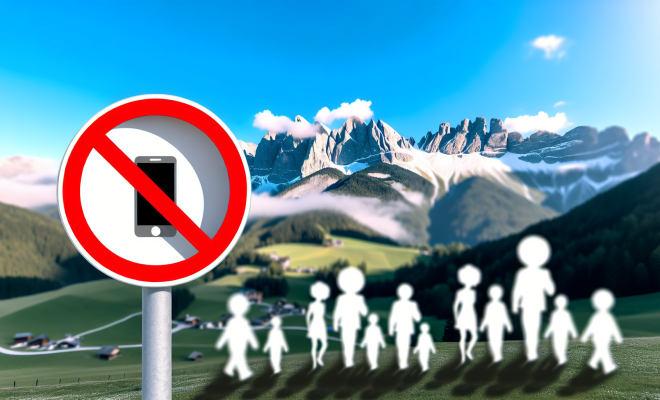
In a significant move that resonates with a growing global trend, Austria is advancing legislation aimed at banning social media access for children under the age of 14. This proposed ban comes at a time when concerns about the impact of online platforms on youth mental health are at an all-time high, and it aligns with recent developments in the United States where courts are beginning to hold social media companies accountable for their role in the mental well-being of minors.
The Global Context of Social Media Legislation
Austria’s initiative is part of a broader international conversation regarding the safety of children online. Countries around the world are increasingly recognizing the need to impose stricter regulations on social media platforms to safeguard younger audiences. In recent years, various studies and reports have highlighted the alarming rates of addiction, anxiety, and cyberbullying among minors using social media.
Recent Developments in the U.S.
Recent court verdicts in the United States have further fueled this legislative momentum. Courts have started to hold social media companies liable for the negative mental health effects their platforms can impose on minors. Such rulings signal a shift in the legal landscape, emphasizing the responsibility that tech companies have in protecting their younger users. As a result, many are now considering age restrictions as a necessary step to mitigate these risks.
Legislative Details in Austria
The proposed legislation in Austria aims to establish a clear age limit for social media access, positioning the country among those prioritizing child protection in the digital age. If passed, this law would make Austria one of the first European nations to implement such a restriction, reflecting a proactive stance on the issue.
- Age Limit: The bill proposes restricting social media use for children under 14 years old.
- Accountability: Social media platforms would be required to implement age verification processes.
- Health Impacts: The legislation aims to address issues such as mental health, addiction, and cyberbullying.
By placing an age limit on social media usage, Austrian lawmakers hope to create a safer online environment for children. They argue that the formative years of childhood should be protected from the potential harms associated with unchecked access to social media platforms.
Concerns over Addiction and Cyberbullying
The rise in social media usage among children has raised numerous concerns, particularly regarding addiction and cyberbullying. Statistics indicate that a significant number of young people are developing unhealthy relationships with social media, leading to issues such as anxiety, depression, and low self-esteem.
According to recent surveys, about 40% of children aged 8 to 12 report feeling addicted to their devices. Moreover, cyberbullying is a pervasive issue, with studies showing that nearly one in five students experiences bullying online. These alarming statistics have prompted many governments, including Austria, to take decisive action.
Public Reaction and Support
The proposal has garnered a mixed reaction from the public. Advocates for the ban argue that it is a necessary measure to protect children and promote healthier development. Many parents express support for the legislation, citing their own concerns about the negative influences of social media on their children.
On the other hand, critics argue that such a ban could infringe on personal freedoms and that education about responsible social media use might be a more effective approach. They contend that rather than outright bans, initiatives should focus on teaching children how to navigate the digital world safely.
Potential Challenges Ahead
While the intentions behind the legislation are clear, implementing and enforcing such a ban could prove challenging. Age verification methods are often easy to circumvent, and many children may still find ways to access social media platforms despite restrictions. Additionally, there is concern about how such a ban might affect social media companies, which rely on user engagement for their business models.
Moreover, international cooperation may be needed to enforce these regulations effectively, as children can easily access platforms based outside of Austria’s jurisdiction. As other countries consider similar legislation, the outcome of Austria’s efforts may set a precedent for future regulations.
Conclusion
Austria’s move to ban social media for children under 14 reflects a growing recognition of the need to protect young individuals from the potentially harmful impacts of the digital world. As global awareness of these issues increases, Austria may pave the way for other nations to follow suit, creating a more protective environment for minors in the digital landscape.
As this legislation progresses, it will be essential to monitor its implications and effectiveness, ensuring that the goal of safeguarding children while respecting personal freedoms is balanced in this rapidly evolving digital age.