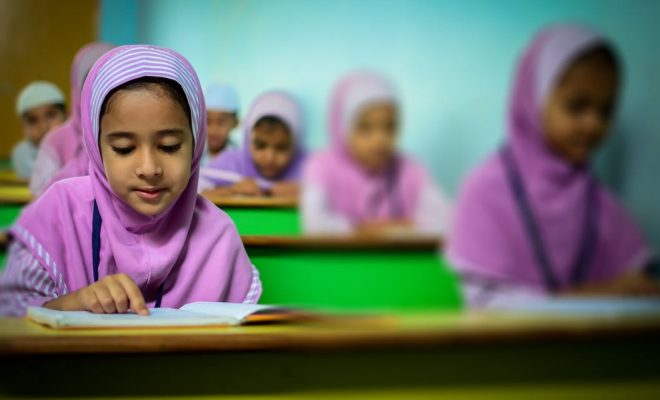
All student-centered learning begins with one person

Introduction: The Core of Student-Centered Learning
In the evolving landscape of education, student-centered learning has emerged as a transformative approach that places the learner at the heart of the educational experience. This pedagogical shift emphasizes the importance of engaging students in their own learning processes, encouraging autonomy, collaboration, and critical thinking. However, for student-centered learning to succeed, it fundamentally begins with one person: the educator. The role of the teacher is pivotal in creating an environment where students feel empowered and supported. This article delves into the essential role of educators in fostering student-centered learning, exploring the characteristics, strategies, and impacts of this approach.
The Educator’s Role: Catalyst for Change
The educator serves as a catalyst for change in a student-centered learning environment. This role goes beyond traditional teaching methods, requiring educators to adapt their practices to meet the diverse needs of their students. The following aspects highlight the importance of the educator’s role:
Creating a Safe Learning Environment: Educators must cultivate a classroom atmosphere where students feel safe to express their thoughts, ask questions, and take risks. This involves establishing trust and respect, which are foundational for effective learning.
Encouraging Student Voice: When educators prioritize student voice, they validate students’ opinions and choices. This can be achieved through various methods, such as soliciting feedback on lessons, allowing students to choose topics of interest, and involving them in decision-making processes.
Fostering Relationships: Building strong relationships with students is crucial for their success. Educators who take the time to understand their students’ backgrounds, interests, and learning styles can tailor their approaches to better suit individual needs.
Professional Development: Continuous professional growth is essential for educators to stay informed about best practices in student-centered learning. Engaging in professional development opportunities allows educators to refine their skills and remain adaptable in their teaching strategies.
Strategies for Implementation: Practical Approaches to Student-Centered Learning
To effectively implement student-centered learning, educators can adopt several practical strategies. These strategies focus on shifting the responsibility of learning from the teacher to the student, fostering engagement and ownership.
Project-Based Learning: This approach encourages students to explore real-world problems and develop solutions through collaborative projects. Educators act as facilitators, guiding students through the inquiry process while promoting critical thinking and creativity.
Differentiated Instruction: Recognizing that students have different learning needs, educators can implement differentiated instruction by providing varied learning activities and assessments. This allows each student to engage with the material in a way that resonates with them.
Flipped Classroom Model: In a flipped classroom, traditional teaching methods are reversed. Students learn new content at home, often through videos or reading assignments, and engage in hands-on activities and discussions during class time. This model promotes active learning and student participation.
Collaborative Learning: Group work fosters collaboration among students, allowing them to learn from each other. Educators can facilitate this by assigning tasks that require teamwork and communication, encouraging students to develop interpersonal skills.
Assessment and Feedback: Regular assessment and feedback are vital components of student-centered learning. Educators should use formative assessments to gauge student understanding and provide constructive feedback that helps students reflect on their learning progress.
The Impact on Students: Benefits of Student-Centered Learning
When educators embrace student-centered learning, the impacts on students are profound and far-reaching. The following benefits illustrate how this approach enhances the educational experience:
Increased Engagement: Students are more likely to be engaged when they have a say in their learning. By involving them in decision-making and allowing them to pursue their interests, education becomes more relevant and meaningful.
Enhanced Critical Thinking Skills: Student-centered learning encourages learners to think critically and solve problems. By taking ownership of their learning, students develop essential skills that are applicable beyond the classroom.
Improved Motivation: When students are active participants in their learning journeys, their intrinsic motivation increases. They become more curious, driven, and willing to embrace challenges, which fosters a lifelong love of learning.
Collaboration and Communication: Through collaborative activities, students learn to work effectively in teams, communicate their ideas, and respect diverse perspectives. These skills are crucial for success in both academic and professional settings.
Personalized Learning Experiences: Educators who implement student-centered learning can tailor their instruction to meet the individual needs of students. This results in a more personalized educational experience that acknowledges each learner’s strengths and challenges.
Challenges and Considerations: Navigating the Transition to Student-Centered Learning
While the benefits of student-centered learning are compelling, educators may face challenges in implementing this approach. Understanding these challenges can help educators navigate the transition more effectively.
Resistance to Change: Some educators may be accustomed to traditional teaching methods and may resist adopting new practices. Professional development and support from school administration can help ease this transition.
Resource Limitations: Implementing student-centered learning may require additional resources, such as technology or materials for projects. Educators may need to advocate for necessary resources or find creative solutions within existing constraints.
Time Constraints: With standardized testing and curriculum requirements, educators often face time constraints. Balancing the demands of the curriculum with the need for student-centered activities can be challenging.
Diverse Learning Needs: Addressing the diverse needs of students in a single classroom can be daunting. Educators must be prepared to differentiate instruction effectively and provide support for students with varying abilities.Supporting Student-Centered Learning: Collaborating with Families and Communities
For student-centered learning to thrive, it is essential that educators extend their focus beyond the classroom. Collaborating with families and communities plays a critical role in supporting students’ educational journeys. This collaboration can take many forms:
Engagement with Families: Educators can foster relationships with families by maintaining open lines of communication. Regular updates about classroom activities, student progress, and ways families can support learning at home create a holistic support system for students. Engaging families in discussions about their children’s interests and goals can also help educators tailor the learning experience to better meet students’ needs.
Community Partnerships: Building partnerships with local organizations and businesses can enrich the student-centered learning experience. These partnerships can provide resources, mentorship opportunities, and real-world contexts for learning. For instance, collaborating with local businesses for project-based learning initiatives allows students to apply their skills in authentic settings, enhancing their engagement and understanding.
Cultural Competency: Understanding and respecting the diverse cultural backgrounds of students and their families is vital. Educators who incorporate culturally relevant pedagogy into their teaching strategies can create an inclusive environment that celebrates diversity. This fosters a sense of belonging and encourages all students to participate actively in their learning.
The Role of Technology: Enhancing Student-Centered Learning through Digital Tools
Technology has the potential to significantly enhance student-centered learning. By integrating digital tools into the classroom, educators can create more engaging and personalized learning experiences. The following ways illustrate the impact of technology on student-centered learning:
Access to Resources: Technology provides students with access to a wealth of information and resources. Online platforms, educational websites, and digital libraries empower students to explore topics of interest at their own pace, fostering independent learning.
Collaboration Tools: Digital collaboration tools, such as Google Classroom or Microsoft Teams, facilitate communication and collaboration among students. These platforms allow students to work together on projects, share ideas, and provide feedback, regardless of their physical location.
Interactive Learning Experiences: Technology can transform traditional lessons into interactive experiences. For example, virtual reality (VR) and augmented reality (AR) can immerse students in new environments, allowing them to explore concepts in a hands-on manner. This not only captivates students’ attention but also deepens their understanding.
Personalized Learning Paths: Adaptive learning technologies can provide students with customized learning experiences based on their individual progress and needs. These tools allow educators to monitor student performance in real time and adjust instruction accordingly, ensuring that each learner receives the support they require.
Assessment Innovations: Technology also enables innovative assessment methods that align with student-centered learning. Educators can use digital portfolios, interactive quizzes, and peer assessments to evaluate student understanding in a more dynamic and engaging way.
Professional Learning Communities: Collaboration Among Educators
For educators to effectively implement and sustain student-centered learning, collaboration among teachers is crucial. Professional Learning Communities (PLCs) provide a framework for educators to share ideas, strategies, and best practices. The following aspects highlight the significance of PLCs in fostering student-centered learning:
Shared Goals: Within a PLC, educators can establish shared goals centered around student learning outcomes. This collaborative focus encourages teachers to work together towards common objectives, enhancing the overall effectiveness of student-centered practices.
Peer Support: Educators often face challenges when transitioning to student-centered learning. A PLC provides a supportive environment where teachers can share their experiences, seek advice, and collaboratively problem-solve. This peer support can alleviate feelings of isolation and empower educators to take risks in their teaching.
Resource Sharing: Collaborative communities enable educators to share resources, lesson plans, and materials that have proven effective in their classrooms. This exchange of ideas can inspire innovation and creativity, leading to improved practices across the board.
Reflective Practice: PLCs encourage educators to engage in reflective practices, allowing them to assess their teaching methods critically. By reflecting on their experiences and student outcomes, educators can continuously improve their approaches to meet the needs of their students better.
Sustaining Student-Centered Learning: A Long-Term Commitment
Implementing student-centered learning is not a one-time initiative; it requires a long-term commitment from educators, schools, and districts. Sustaining this approach involves ongoing efforts to refine practices, engage with stakeholders, and adapt to the evolving needs of students. The following considerations are essential for sustaining student-centered learning:
Continuous Professional Development: Educators must engage in ongoing professional development to stay informed about the latest trends and techniques in student-centered learning. This commitment to lifelong learning ensures that educators are well-equipped to meet the changing demands of their students.
Institutional Support: School leaders play a crucial role in promoting a culture of student-centered learning. By providing resources, time for collaboration, and opportunities for professional growth, school administrators can empower educators to embrace this approach fully.
Feedback and Evaluation: Regular feedback from students, families, and colleagues is essential for assessing the effectiveness of student-centered practices. Schools should establish systems for gathering feedback and using it to make data-driven decisions that enhance teaching and learning.
Adaptability and Flexibility: The educational landscape is constantly evolving, and educators must remain adaptable to new challenges and opportunities. Embracing change and being open to experimentation can lead to innovative practices that better serve students.
Ultimately, the journey toward student-centered learning is a shared responsibility that requires the dedication and commitment of everyone involved. By recognizing that all student-centered learning begins with one person—the educator—schools can cultivate an environment where students thrive, grow, and become active participants in their own education.Conclusion: Embracing the Role of the Educator in Student-Centered Learning
In conclusion, student-centered learning fundamentally relies on the commitment and expertise of individual educators who prioritize their students’ needs and interests. By fostering an environment of collaboration, innovation, and adaptability, these educators set the stage for a transformative educational experience. Ultimately, when teachers embrace their pivotal role, they empower students to take charge of their learning journey, leading to deeper engagement and lasting success.