Parents Underestimate Kids’ Digital Lives: 2024 Survey Reveals Shocking Disconne
“`html
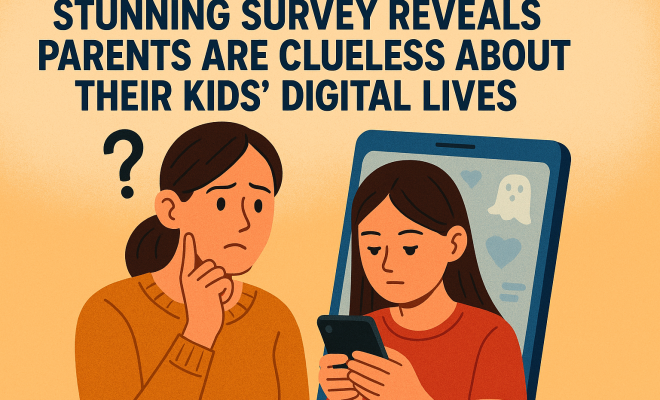
The digital world is evolving rapidly, and as parents, keeping up can feel like an uphill battle. A recent survey involving over 4,000 families in the U.S. and Australia has sent shockwaves through the parenting community, indicating that many parents are significantly underestimating their children’s engagement with digital platforms. This disconnect poses serious implications for digital parenting, as it raises questions about children’s safety online and the effectiveness of parental oversight.
Understanding the Survey Findings
The survey findings paint a compelling picture of a digital landscape that is far more complex than many parents realize. Children as young as six are logging onto social media and using generative AI tools daily, while many parents are blissfully unaware of these activities. The statistics are staggering: nearly 60% of children reported using AI-based tools like chatbots regularly, yet only a small fraction of parents acknowledged this engagement.
This significant gap in perception is alarming. Parents often believe they have a good grip on their children’s online activities, but the reality is starkly different. The study reveals that children frequently navigate the digital world without parental guidance, which can lead to potential risks and dangers that may not be immediately visible. Related reading: digital parenting guide.
The Disconnect: Kids vs. Parents
One of the most troubling aspects of the survey is the disconnect between kids and their parents regarding online activities. While children are keen on exploring social media, sharing videos, and utilizing AI tools, parents frequently underestimate the extent of this engagement. For instance, where the majority of kids report daily interactions with AI tools, less than 25% of parents believe their children use them.
This disparity raises critical questions about oversight. If children are immersed in digital experiences that their parents don’t even know about, how can families ensure safe online practices? Parents often hold the illusion that a few ground rules will keep their kids safe. However, the reality is that children are often adept at navigating around restrictions and finding ways to engage with technology without supervision.
Why Are Parents Out of the Loop?
Several factors contribute to this lack of awareness. First, there’s the generational gap in familiarity with technology. Many parents did not grow up immersed in the kind of digital culture that today’s children experience daily. For instance, while a parent might remember using the internet primarily for browsing or emailing, a child today sees it as a platform for socializing, playing games, and learning.
Moreover, the rapid pace of technological advancements can leave parents struggling to keep up. Platforms evolve quickly, and new apps and tools emerge almost overnight. With a myriad of options, from TikTok to Snapchat to AI-driven applications, it’s nearly impossible for even the most vigilant parents to stay fully informed about their children’s digital lives.
Emotional Responses and Parental Fears
The emotional charge surrounding this issue is palpable. Many parents feel fear and anxiety regarding their children’s online safety. The thought of children encountering inappropriate content, engaging with strangers, or even falling prey to cyberbullying can be overwhelming. This anxiety has led many to seek out ways to monitor their children’s online activities, as evidenced by the rising number of searches related to digital parenting techniques.
As parents grapple with these fears, the need for effective communication becomes paramount. Instead of solely relying on monitoring tools or parental controls, fostering an open dialogue about digital experiences can help bridge the gap. Discussing the potential dangers of the internet with kids could empower them to make informed decisions about their online interactions.
Digital Parenting Strategies
So, how can parents better engage with their children’s digital lives? Here are some actionable strategies for effective digital parenting in this confusing landscape: (See: CDC Youth Risk Behavior Survey.)
- Open Communication: Establish regular check-ins with your kids about their online activities. Ask them what apps they’re using, who they’re talking to, and what content they’re consuming. This creates a comfortable environment for them to share.
- Educate Yourself: Take the time to understand the platforms your children are using. Familiarize yourself with current trends in social media and AI tools. This knowledge will help you engage in informed discussions with your kids.
- Set Clear Guidelines: Develop a family digital safety plan that outlines acceptable online behavior. Ensure your children understand the importance of privacy and the potential risks associated with sharing personal information online.
- Encourage Critical Thinking: Teach your children to think critically about the content they encounter online. Discuss the difference between credible sources and misinformation, and encourage them to question what they see.
- Lead by Example: Model healthy digital habits yourself. Show your children how to balance screen time with other activities, emphasizing the importance of offline interactions and self-regulation.
The Role of Technology in Parenting
Interestingly, technology itself can also be part of the solution. There are various apps and tools designed to help parents monitor their children’s online activities without infringing on their autonomy. From parental control software to monitoring apps that provide insights into social media interactions, parents have several options to choose from.
However, it’s crucial to approach these tools with caution. Relying solely on monitoring can breed distrust, which can be counterproductive. Instead, consider using technology to complement your parenting approach, ensuring that your children feel secure in discussing their digital lives with you.
Exploring Kids’ Digital Creativity
While the concerns surrounding children’s online safety are valid, it’s also essential to recognize the positive aspects of digital engagement. Children today are not just passive consumers of content; they are creators. Many are using social media and AI tools to express themselves, share their ideas, and even develop new skills.
Encouraging creativity in the digital realm can be a fantastic opportunity for parents. Instead of fearing the platforms children are using, consider helping them harness their creativity productively. Support your child in projects that utilize technology for education or creativity. For example, if your child is interested in creating videos, guide them on how to produce content safely and responsibly. See also limit screen time advice.
The Impact of Generational Differences
The generational gap in understanding technology can lead to misunderstandings between parents and children. It’s vital for parents to acknowledge that the digital landscape is a part of their children’s lives. Instead of trying to impose outdated views on technology, parents should strive to understand their children’s perspectives.
By being open to learning from their children, parents can foster a more supportive environment. This not only helps in bridging the understanding gap but also empowers children to share their experiences without fear of judgment.
Building a Community of Informed Parents
As digital parenting becomes a more pressing issue, there’s a growing need for a community of informed parents to share their experiences and insights. Engaging with other parents can provide valuable perspectives and resources, helping everyone navigate the complexities of digital parenting together.
Consider joining local parenting groups or online forums dedicated to discussions about children’s digital lives. These communities can be a source of support, offering tips and sharing personal stories that resonate with your own experiences.
Addressing Common Concerns About Digital Parenting
As parents delve deeper into the realm of digital parenting, it’s natural to have concerns and questions. Here are some common concerns, along with advice on how to navigate them:
- How can I prevent my child from accessing inappropriate content? Utilize parental controls provided by devices and apps. In addition to setting filters, have ongoing conversations about why certain content is inappropriate and encourage your child to share if they encounter something uncomfortable.
- What if my child encounters cyberbullying? Teach your child to recognize cyberbullying and encourage them to talk to you if they experience or witness it. Reinforce that it’s essential to block and report bullies and that they shouldn’t engage with negativity.
- How much screen time is too much? The American Academy of Pediatrics recommends setting consistent limits on screen time, which can help balance digital engagement with other activities. Make sure to include family activities that don’t involve screens, promoting a healthy lifestyle.
- Should I allow my child to have social media accounts? This decision varies widely based on age and maturity. Most platforms require users to be at least 13, but it’s essential to discuss the implications of social media, including privacy and the permanence of online posts.
- How can I ensure that my child understands privacy online? Discuss the importance of privacy settings, the risks of oversharing personal information, and how to create strong passwords. Use real-life scenarios to illustrate the consequences of sharing too much.
Balancing Risks and Benefits of Technology
While there are notable risks associated with children’s online activities, it’s also vital to understand the benefits that technology can offer. Digital literacy, access to information, and opportunities for creativity are just a few advantages. Teaching children to navigate these benefits responsibly is a critical aspect of digital parenting.
By encouraging positive online behavior, parents can help their children develop skills that will benefit them in the future. For example, engaging in coding, graphic design, or digital storytelling can enhance a child’s educational experience and open new avenues for expression and learning. (See: New York Times on parents and technology.)
Expert Insights on Digital Parenting
It’s essential to gather insights from experts in the fields of psychology and child development to enhance your approach to digital parenting. Child psychologists often emphasize the importance of trust and open communication in the parent-child relationship. Dr. Lisa Damour, a clinical psychologist and author, believes that parents should aim to “co-create a digital life” with their children rather than solely dictate rules. We covered social media in classrooms in more detail.
Experts also recommend that parents remain curious about their children’s digital worlds. By asking questions and showing interest, parents can foster a collaborative environment where children feel safe discussing their online activities. Dr. Damour suggests that when children feel understood, they are more likely to turn to their parents when they face challenges online.
Statistics on Digital Parenting
Understanding the broader statistics surrounding digital parenting can provide useful context. A survey by Common Sense Media revealed that:
- Children aged 8 to 12 spend an average of 4.5 hours per day on screens.
- By age 18, 95% of teens have access to smartphones, making them the primary device for digital engagement.
- Over 60% of parents express concern about their children’s online safety, yet only 25% actively monitor their children’s internet usage.
- Research shows that children with open lines of communication with their parents about digital engagement are 40% less likely to experience negative online interactions.
The Importance of Digital Literacy
In a world where digital interactions dominate, fostering digital literacy in children is not just beneficial—it’s essential. Digital literacy encompasses more than just knowing how to operate devices; it includes understanding how to use technology safely, responsibly, and effectively. This means teaching children about online privacy, recognizing misinformation, and understanding the impact of their digital footprint.
Employing digital literacy programs at schools and in the home can provide structured education on these topics. Schools are increasingly integrating digital literacy into their curriculums, but parents can supplement this education with discussions and practical activities at home. For example, parents can help children analyze news articles online for credibility, engage with educational apps that promote critical thinking, or explore coding together.
Statistics from the Pew Research Center indicate that children who engage in digital literacy activities tend to be better prepared for future job markets, which increasingly demand tech-savviness. By encouraging children to become not just consumers but also creators of digital content, parents can help them build a brighter future.
Developing a Family Technology Policy
Creating a family technology policy can provide clear expectations and boundaries for digital engagement. This policy can include guidelines for screen time, acceptable online behavior, and consequences for misuse. It’s also a way for families to come together and discuss their values related to technology use.
Involve your children in the creation of this policy. This practice helps them feel respected and heard, which may encourage better adherence to the guidelines. Discuss topics such as why certain apps are off-limits, the importance of privacy, and how to handle situations like cyberbullying or inappropriate content. A family policy that everyone understands and agrees upon fosters a more harmonious digital environment.
Frequently Asked Questions (FAQ)
As digital parenting becomes a focal point of discussion, parents often have similar questions. Here are some of the most frequently asked questions along with helpful answers:
- At what age should I let my child have their first smartphone? The decision largely depends on your child’s maturity level and your family’s needs. Many experts agree that around age 12 is common, but consider your child’s responsibility and need for communication.
- How can I help my child manage online friendships? Encourage them to maintain a balance between their online and offline friendships. Discuss the importance of trust and respect in any relationship, whether digital or in-person.
- What should I do if I find my child engaging in risky online behavior? Approach the conversation calmly and without immediate judgment. Discuss why the behavior is concerning and explore the reasons behind it. Work together to find safer alternatives.
- How can I foster healthy online habits? Encourage your children to take breaks from screens, explore offline hobbies, and partake in family activities that don’t involve technology. Establishing tech-free zones, like the dinner table, can also promote healthier habits.
- How do I know if a game or app is appropriate for my child? Research age ratings and reviews for games or apps. Websites like Common Sense Media offer insights from both experts and parents, making it easier to assess safety and suitability.
Balancing Risks and Benefits of Technology
While there are notable risks associated with children’s online activities, it’s also vital to understand the benefits that technology can offer. Digital literacy, access to information, and opportunities for creativity are just a few advantages. Teaching children to navigate these benefits responsibly is a critical aspect of digital parenting.
By encouraging positive online behavior, parents can help their children develop skills that will benefit them in the future. For example, engaging in coding, graphic design, or digital storytelling can enhance a child’s educational experience and open new avenues for expression and learning.
Expert Insights on Digital Parenting
It’s essential to gather insights from experts in the fields of psychology and child development to enhance your approach to digital parenting. Child psychologists often emphasize the importance of trust and open communication in the parent-child relationship. Dr. Lisa Damour, a clinical psychologist and author, believes that parents should aim to “co-create a digital life” with their children rather than solely dictate rules.
Experts also recommend that parents remain curious about their children’s digital worlds. By asking questions and showing interest, parents can foster a collaborative environment where children feel safe discussing their online activities. Dr. Damour suggests that when children feel understood, they are more likely to turn to their parents when they face challenges online.
Statistics on Digital Parenting
Understanding the broader statistics surrounding digital parenting can provide useful context. A survey by Common Sense Media revealed that:
- Children aged 8 to 12 spend an average of 4.5 hours per day on screens.
- By age 18, 95% of teens have access to smartphones, making them the primary device for digital engagement.
- Over 60% of parents express concern about their children’s online safety, yet only 25% actively monitor their children’s internet usage.
- Research shows that children with open lines of communication with their parents about digital engagement are 40% less likely to experience negative online interactions.
Conclusion: A Call for Awareness and Action
The findings of this survey serve as a wake-up call for parents everywhere. The digital lives of children are far more intricate than many realize, and it’s time to take action. By fostering open communication, enhancing understanding, and building a supportive community, parents can bridge the gap in digital parenting.
As we move forward in this digital age, let’s not only ensure our children are safe but also help them thrive in their online interactions. With the right approach, digital parenting can become a collaborative journey rather than a daunting challenge.
“`
Trending Now
Frequently Asked Questions
What did the survey reveal about parents and their children's digital lives?
The survey indicated that many parents are significantly unaware of their children's engagement with digital platforms. It revealed that children as young as six are using social media and AI tools daily, while many parents underestimate this activity, leading to potential risks in digital parenting.
How do children's online activities differ from parents' perceptions?
There is a notable disconnect between children and parents regarding online activities. While most children report daily use of AI tools and social media, less than 25% of parents believe their children engage in these activities, highlighting a concerning gap in awareness.
What are the implications of parents being unaware of their kids' online activities?
The lack of awareness among parents regarding their children's digital engagements can lead to serious implications for safety and oversight. Without proper guidance, children may encounter risks and dangers online that their parents are unaware of.
Why is it important for parents to understand their children's digital activities?
Understanding children's digital activities is crucial for effective parenting in today's tech-driven world. Awareness allows parents to provide appropriate guidance, ensure safety, and foster healthy online habits, ultimately bridging the gap between their perceptions and reality.
What age are children starting to use social media and AI tools?
The survey found that children as young as six years old are logging onto social media and using generative AI tools regularly. This early engagement underscores the need for parents to stay informed about their children's digital interactions.
What's your take on this? Share your thoughts in the comments below — we read every one.