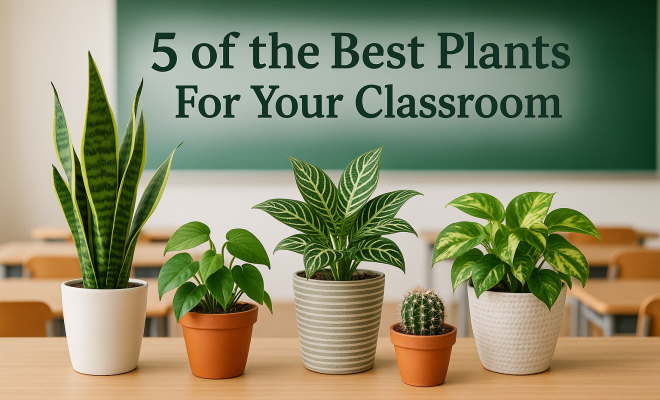
5 of the Best Plants For Your Classroom
“`html
In today’s educational landscape, the environment where students learn can significantly impact their engagement and well-being. One simple yet effective way to enhance this environment is by incorporating classroom plants. Research has shown that plants not only improve air quality but also boost mood, increase creativity, and foster a sense of responsibility among students. This article explores five of the best plants for your classroom, examining their benefits, care requirements, and why they’re perfect for a learning space.
1. Spider Plant (Chlorophytum comosum)
The spider plant is a popular choice for classrooms due to its resilience and hardiness. This plant features long, arching leaves that can produce small white flowers. One of the most appealing aspects of the spider plant is its ability to thrive in a variety of conditions, including low light and varying humidity levels.
In terms of air quality, spider plants are well-known for their ability to remove toxins like formaldehyde and xylene from the air. Keeping this plant in a classroom not only enhances the aesthetic appeal but also contributes to a healthier environment for students. Furthermore, spider plants are easy to propagate, making them a fun project for students interested in learning about plant biology.
2. Pothos (Epipremnum aureum)
Pothos is another excellent option for classroom plants. Known for its hardy nature and trailing vines, this plant can adapt to a range of lighting conditions, from low light to bright, indirect sunlight. Pothos leaves come in a variety of colors and patterns, which can add visual interest to any classroom.
Beyond aesthetics, pothos is also effective at purifying the air. Studies have shown that it can eliminate indoor pollutants such as benzene, formaldehyde, and toluene. This makes pothos not only an attractive addition to the classroom but also a practical one, contributing to better air quality for students.
3. Peace Lily (Spathiphyllum)
The peace lily is celebrated for its beautiful white blooms and glossy leaves, making it a stunning addition to any classroom. However, its beauty is not its only asset. Peace lilies are particularly well-suited for indoor environments and can thrive in low light, which is often the case in classrooms.
In addition to its aesthetic appeal, the peace lily is an excellent air purifier. It has been shown to remove harmful chemicals such as ammonia, benzene, and carbon monoxide from the air. Moreover, the peace lily promotes a calming atmosphere, which can help reduce anxiety and improve focus among students, creating a more conducive learning environment.
4. Snake Plant (Sansevieria trifasciata)
Widely regarded for its striking architectural leaves, the snake plant, or mother-in-law’s tongue, is an ideal choice for classrooms due to its incredible resilience. This plant can survive in low light and requires minimal watering, making it a low-maintenance option for busy teachers.
Additionally, snake plants are known for their air-purifying properties. They are unique because they convert carbon dioxide into oxygen at night, unlike most plants that do this during the day. This means that having a snake plant in the classroom can contribute to improved air quality even after school hours, fostering a better environment for students and teachers alike. See also indoor plants for low light.
5. Rubber Plant (Ficus elastica)
The rubber plant is an impressive choice for classrooms, characterized by its broad, glossy leaves that come in rich shades of green, and sometimes even burgundy. This plant can grow quite tall, making it an outstanding focal point in any classroom setting.
Beyond its visual appeal, the rubber plant is also effective at removing toxins from the air, including formaldehyde. It thrives in indirect light and requires moderate watering, making it relatively easy to care for. Students can learn valuable lessons about plant biology and care with this plant, as it can grow rapidly under the right conditions. (See: Plants improve air quality and well-being.)
The Educational Benefits of Classroom Plants
Integrating plants into the classroom goes beyond just aesthetics; it can enhance the educational experience in numerous ways. For one, plants can serve as a living science experiment. They provide opportunities for students to engage in hands-on learning about botany, photosynthesis, ecosystems, and environmental science. This practical approach to learning can foster curiosity and a deeper understanding of scientific concepts.
Additionally, caring for plants instills a sense of responsibility and routine in students. They learn the importance of consistent care and attention, which can translate into other areas of their lives. Moreover, plants can serve as a calming presence, reducing stress and anxiety, which is particularly beneficial during exam periods or high-pressure situations. We covered easy-care options for classrooms in more detail.
Tips for Caring for Classroom Plants
Caring for classroom plants can be a rewarding experience, but it does require some attention and knowledge about plant care. Here are a few tips to ensure your classroom plants thrive:
- Light Requirements: Understand the light preferences of each plant. Some thrive in low light, while others need bright, indirect sunlight.
- Watering Schedule: Establish a watering schedule based on the specific needs of each plant. Overwatering is a common mistake, so it’s crucial to check the soil moisture before adding more water.
- Temperature and Humidity: Most indoor plants prefer stable temperatures between 65°F and 75°F. Ensure the classroom doesn’t experience extreme temperature fluctuations.
- Fertilizers: Use a balanced, slow-release fertilizer during the growing season to provide essential nutrients.
- Involve Students: Encourage students to take part in the care routine. Assign specific plants to groups or individuals to foster ownership and learning.
Challenges of Keeping Plants in the Classroom
While classroom plants offer numerous benefits, there are some challenges to consider. One common issue is ensuring that plants receive the right amount of light, especially in rooms with limited natural light. Teachers may need to supplement with grow lights to keep plants healthy.
Another challenge is managing allergies among students. Some plants may cause allergic reactions, so it’s essential to choose hypoallergenic varieties or consult with parents before introducing new plants. Additionally, care should be taken to educate students about proper handling and care to prevent any accidents or damage to the plants.
Current Trends in Classroom Plant Use
Across educational settings, there’s a growing trend towards greener classrooms. Schools are embracing biophilic design, which integrates nature into the built environment. This approach is supported by research indicating that incorporating natural elements can lead to increased student performance and well-being.
Furthermore, many teachers are using plants as part of broader sustainability initiatives. Students learn about environmental stewardship and the importance of biodiversity through hands-on experiences with plants. This trend aligns with educational goals surrounding climate awareness and sustainability, preparing students for future challenges.
How Classroom Plants Affect Student Well-being
The presence of classroom plants can significantly affect student well-being. Studies have shown that students in green environments tend to have lower stress levels and improved focus. A 2015 study published in Environmental Science & Technology found that having greenery in classrooms can reduce symptoms of anxiety and fatigue. This is especially important considering the pressures students face in today’s fast-paced academic environments.
Furthermore, plants can also encourage more social interaction among students. Group activities like planting, watering, and observing plant growth create sharing opportunities, collaboration, and teamwork. These social aspects contribute to the emotional and psychological health of students, fostering a supportive classroom culture.
Incorporating Plants in Diverse Classroom Settings
When considering classroom plants, it’s essential to think about the diverse needs of different learning environments. For example, in special education settings, plants can serve as therapeutic tools. They offer sensory experiences through touch, smell, and sight, which can be beneficial for students with sensory processing disorders.
In multicultural classrooms, plants can also represent different cultures. For example, bamboo plants are often associated with good luck in Asian cultures, while succulents may be held in high regard in desert communities. Discussing the cultural significance of various plants can enrich students’ learning experiences and promote cultural awareness.
Examples of Successful Plant Implementation in Schools
Many schools around the world have successfully integrated classroom plants into their environments, with positive outcomes. For example, a school in Toronto launched a “Green Classroom” initiative, where each classroom was equipped with various plants. Teachers noted a marked increase in student concentration and participation during lessons. (See: Healthy environments in schools.)
Another example comes from a middle school in California, where students were assigned projects related to plant care. The students took ownership of the plants, leading to increased responsibility and teamwork. As a result, academic performance improved, and students reported feeling more relaxed in class.
Expert Perspectives on Classroom Plants
Experts in environmental psychology emphasize the importance of biophilia—the innate connection humans have with nature. According to Dr. Judith Heerwagen, a leading researcher in this field, “Integrating plants into educational spaces can cultivate a sense of belonging and connection to nature, which is crucial for the overall development of children.” This perspective reinforces the idea that classroom plants are not merely decorative; they play a significant role in student development. This builds on transform your school garden.
Additionally, horticulturist and educator, Dr. David McMahon, suggests that involving students in the plant care process encourages a sense of stewardship. “When students care for plants, they learn the values of patience, nurturing, and responsibility. These lessons go beyond the classroom, influencing their interactions with the world around them,” he states.
Frequently Asked Questions about Classroom Plants
What are the best plants for low-light classrooms?
Some of the best low-light plants for classrooms include snake plants, pothos, and peace lilies. These plants can thrive in dim conditions and require minimal maintenance, making them ideal for classrooms with limited natural light.
How often should I water classroom plants?
Watering frequency can vary depending on the type of plant and environmental conditions. Generally, it’s best to check the soil moisture before watering. Most classroom plants prefer to dry out slightly between waterings. A good rule of thumb is to water when the top inch of soil feels dry.
Are classroom plants safe for children?
Most classroom plants are safe, but some can be toxic if ingested. It’s essential to research the plants you choose and opt for non-toxic varieties. Additionally, consult with parents if there are concerns about allergies or sensitivities.
Can students learn science through caring for plants?
Absolutely! Caring for plants provides a hands-on learning experience that introduces students to concepts like photosynthesis, ecosystems, and biology. It encourages observation and inquiry, making science more relatable and engaging.
How can I involve students in plant care?
You can assign specific plants to small groups or individual students, allowing them to take responsibility for watering, pruning, and observing growth. Incorporating plant care into lessons about biology or ecology will also enhance student engagement and ownership.
Additional Benefits of Classroom Plants
Beyond improving air quality and enhancing aesthetics, classroom plants offer a multitude of benefits that can further enrich the educational experience. For instance, research from the University of Queensland found that workplace environments with plants showed a 15% increase in productivity. A similar principle can be applied to educational settings, where the presence of plants may lead to improved student performance.
Moreover, plants can also promote creativity. A study conducted by the University of Michigan revealed that interaction with nature can enhance creative problem-solving skills. Engaging with classroom plants can stimulate students’ imaginations and encourage creative projects, spanning art, writing, and even science experiments.
Creating a Classroom Plant Care Curriculum
Incorporating plants into the curriculum presents a unique opportunity for interdisciplinary education. Teachers can create a plant care curriculum that connects various subjects, such as biology, art, and even mathematics. For example, students can measure plant growth over time, documenting their findings in graphs and charts, which integrates math skills into the botanical lessons.
An art component could involve students creating plant-related art projects, such as drawing or painting their classroom plants, or even creating dioramas that represent different ecosystems. Combining these subjects can lead to a richer, more engaging learning experience that emphasizes critical thinking and creativity.
Tips for Selecting the Right Plants
Selecting the right plants for your classroom is an important step in ensuring a successful integration. Here are a few tips to consider when choosing classroom plants:
- Assess Classroom Conditions: Evaluate the lighting, temperature, and humidity levels in the classroom. Choose plants that fit well with these conditions to ensure they thrive.
- Consider Maintenance: Opt for low-maintenance plants that can withstand the rigors of a classroom environment. Plants that require infrequent watering and are hardy are usually best.
- Engagement Opportunities: Select plants that offer opportunities for engagement and education. Plants that grow quickly or produce flowers can be particularly exciting for students to observe.
- Consult Resources: Utilize local gardening clubs or online forums to find recommendations specific to your area. Local experts can provide insights on plants best suited for classrooms.
Long-term Care for Classroom Plants
Long-term care of classroom plants is crucial to maintain their health and aesthetic appeal. It’s beneficial to establish a long-term care plan that includes regular evaluations of plant health, seasonal changes in care, and potential replacement strategies. For instance, understanding seasonal growth patterns allows teachers to prepare for times when plants may require more care or when they may go dormant. (indoor air quality concerns)
Additionally, involving students in the decision-making process regarding plant care and replacement fosters a sense of community and responsibility. Creating a classroom plant journal can also be an effective way to document plant growth, care routines, and observations, enhancing students’ learning experience over time.
Conclusion: Bringing Life to Learning
Incorporating classroom plants is more than just a decorative choice; it enriches the educational experience by improving air quality, fostering responsibility, and enhancing engagement. The five plants discussed—spider plant, pothos, peace lily, snake plant, and rubber plant—offer unique benefits that can transform any classroom into a vibrant learning environment.
By taking the time to care for these plants, teachers can create a nurturing atmosphere that encourages curiosity and engagement. So why not start today? Bringing plants into your classroom might just be the boost your students need to thrive academically and emotionally.
“`
Trending Now
Frequently Asked Questions
What are the best plants for a classroom?
Some of the best plants for a classroom include the Spider Plant, Pothos, Peace Lily, Snake Plant, and ZZ Plant. These plants are chosen for their resilience, air-purifying qualities, and ability to thrive in various light conditions, making them ideal for enhancing the classroom environment.
How do classroom plants improve student well-being?
Classroom plants improve student well-being by enhancing air quality, boosting mood, and fostering a sense of responsibility among students. Their presence can create a more inviting atmosphere, which may increase student engagement and creativity.
Are Spider Plants easy to care for?
Yes, Spider Plants are very easy to care for. They are resilient and can thrive in various light conditions, including low light. Additionally, they require minimal maintenance, making them a perfect choice for classrooms.
Can Pothos help purify the air in classrooms?
Yes, Pothos is effective at purifying the air. It can eliminate indoor pollutants such as benzene, formaldehyde, and toluene, making it a beneficial addition to classrooms for improving air quality.
What benefits do Peace Lilies offer in a classroom setting?
Peace Lilies not only add beauty to the classroom with their elegant white flowers but also improve air quality by removing toxins. They thrive in low light, making them suitable for indoor environments where natural light may be limited.
Have you experienced this yourself? We'd love to hear your story in the comments.