Dr. Seuss Phonics Activities: Boost Early Reading Skills
“`html
When it comes to fostering a love for reading in young children, few authors are as beloved as Dr. Seuss. His whimsical characters, catchy rhymes, and imaginative worlds make his books not only entertaining but also effective teaching tools. This article delves into the best Dr. Seuss phonics activities, designed to support early readers as they embark on their literacy journey. These activities are effective, fun, and most importantly, they harness the magic of Dr. Seuss’s storytelling.
1. Rhyming Games with Dr. Seuss
Rhyming is a foundational skill in phonics, and there’s no better way to practice than through the playful verses of Dr. Seuss. Begin by reading a selection of his books, such as ‘Green Eggs and Ham’ or ‘The Cat in the Hat.’ After reading, engage the children in a rhyming game. Choose a word from the book and ask them to come up with as many rhyming words as they can.
This activity not only reinforces their understanding of phonetics but also encourages creative thinking. You can take it a step further by having children create their own rhyming poems inspired by Seuss’s style. This way, they become active participants in their learning while having fun!
2. Word Sorting with Seuss Characters
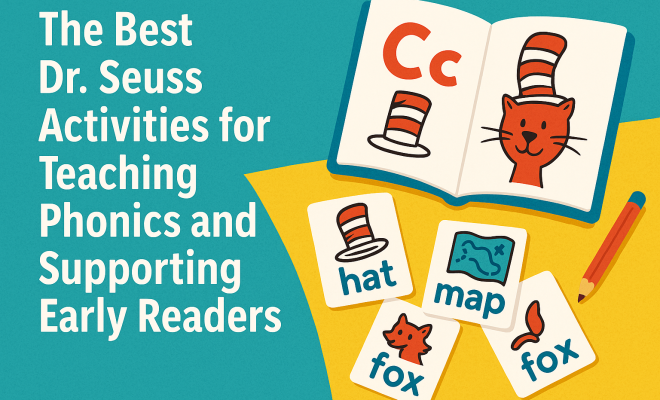
Word sorting is another effective phonics activity. Create a list of words associated with popular Dr. Seuss characters—like ‘thing,’ ‘fox,’ ‘cat,’ and ‘hat.’ Have children sort these words based on their initial sounds or vowel sounds. This exercise helps children develop phonemic awareness as they learn to identify sounds in words.
To make it more engaging, use character cutouts or illustrations from the books. As they sort, encourage discussions about the characters and their stories. This not only solidifies their understanding of phonics but also deepens their connection to the texts.
3. Dr. Seuss Story Time with Phonics Focus
Organizing a themed storytime session can be an incredibly valuable experience. Choose a Dr. Seuss book and read it aloud, emphasizing the phonetic components as you go. For example, when you read a page, pause at certain words and encourage children to guess the word based on its phonetic sound or context clues.
Additionally, you could incorporate props or puppets based on the characters to make the story come alive. This multisensory approach not only enhances engagement but also strengthens their auditory and visual connections to the sounds of the words.
4. Building Vocabulary with Dr. Seuss
Dr. Seuss’s playful language is filled with unique, imaginative words that can expand a child’s vocabulary. Choose a few challenging words from his books, such as ‘zizzer-zazzer-zuzz’ or ‘frumious,’ and create a vocabulary wall in your classroom. Each week, focus on a new word, using it in sentences, and encouraging children to use it in their daily conversations.
To deepen their understanding, you can integrate a drawing activity where they illustrate the word’s meaning. This not only reinforces phonics but also helps children visualize the words, aiding memory retention. It’s a delightful way to explore language and spark creativity!
5. Interactive Word Wall Activities
Creating an interactive word wall filled with Dr. Seuss vocabulary can be a fantastic resource. This wall should include high-frequency words from his books, displayed in fun fonts and colors. Encourage children to refer to the wall while reading or writing stories.
To make this activity dynamic, turn it into a game where children can match illustrations to words or even play ‘word bingo’ using the words from the wall. This hands-on approach keeps learning lively and memorable, allowing students to reinforce their reading skills in a collaborative setting. (See: Dr. Seuss and early childhood literacy.)
6. Crafting with Dr. Seuss
Engaging in arts and crafts can be a wonderful way to reinforce phonics skills. After reading a Dr. Seuss book, have children create their own character puppets or masks. As they work on their crafts, prompt them to describe their character using phonetic words, thus practicing sound recognition in a fun context.
Once completed, hold a puppet show where children can use their crafts to tell a story or perform a scene from the book. This blend of creativity and storytelling encourages children to use their phonics skills while expressing themselves artistically. It’s all about making connections and bringing stories to life!
7. Seuss-Style Phonics Worksheets
Worksheets can be an effective tool for reinforcing phonics skills when designed with Dr. Seuss flair. Create worksheets that include matching exercises where children pair words with illustrations from his books or practice writing phonetic sounds related to Seuss characters.
Consider incorporating puzzles or mazes themed around Dr. Seuss’s stories. Tailoring these phonics worksheets to be visually engaging with bright colors and familiar characters can motivate children to practice their skills. Remember, the goal is to keep it fun and relevant to their interests!
8. Family Engagement with Dr. Seuss
Involving families in the learning process can significantly enhance the effectiveness of phonics activities. Organize a family reading night featuring Dr. Seuss books. Provide parents with resources and activities they can do at home, such as phonics flashcards or reading challenges that incorporate Seuss’s works. fun phonics games offers useful background here.
Additionally, encourage families to create their own stories inspired by Dr. Seuss. They can present them at the reading night, fostering a community of learners. This initiative not only supports literacy but also strengthens the home-school connection, ensuring children receive consistent encouragement in their reading journeys.
9. Phonics-Based Scavenger Hunt
A phonics scavenger hunt can add an exciting twist to learning. Take different characters or objects from Dr. Seuss’s stories and hide them around a designated area, like a classroom or a playground. Provide children with a list of phonetic clues related to the hidden items. For example, for the Cat in the Hat, you might say, “Find the character who wears a tall, striped hat.” As children search, they practice their phonics skills by reading the clues and identifying the sounds they hear.
This not only engages them physically but also stimulates their critical thinking and problem-solving skills. After the hunt, gather the children and discuss each finding, reinforcing the phonetic sounds associated with the words. This activity combines movement, reading, and comprehension in a fun, interactive way.
10. Creating a Dr. Seuss Phonics Book
Why not have children create their own Dr. Seuss-inspired phonics book? They can choose a few words, characters, or themes from Seuss’s stories and develop their own short stories or poems, focusing on employing phonics rules. This activity can help children synthesize their learning and apply it creatively.
Provide them with blank booklets where they can illustrate their stories. Encourage them to use quirky rhymes and playful language, much like Seuss himself. When they present their books to the class, they not only practice reading aloud but also gain confidence in their writing abilities. This project allows for an exploration of the phonetic sounds within a contextual and imaginative framework.
11. Using Songs and Music for Phonics
Music can be a powerful tool for learning phonics. Create a playlist of catchy songs that focus on phonetic sounds, similar to the rhythmic quality of Dr. Seuss’s writing. For instance, you can develop a sing-along using phrases from his books that emphasize specific sounds or word families.
Children can learn through movement by adding dance or hand motions to the songs. This kinesthetic element can enhance their memory retention of phonics sounds. Additionally, consider holding a “Seussical Sing-Along” where children can showcase their favorite songs inspired by Dr. Seuss’s stories. This fusion of music and literacy can create a joyful atmosphere for learning. (See: importance of literacy in children.)
12. Phonics through Technology
With the rise of educational technology, integrating digital tools into phonics activities can offer exciting new dimensions to learning. Numerous apps and websites feature Dr. Seuss-themed phonics games and exercises. These platforms often include interactive stories and animated characters that make learning phonics enjoyable.
For example, there are apps that allow children to read along with narrated versions of Dr. Seuss books, providing immediate feedback on their pronunciation and phonetic skills. You can incorporate these tools into your lessons, allowing children to explore phonics at their own pace while still engaging with their favorite Seuss characters.
13. Collaborative Story Creation
One great way to engage children with Dr. Seuss’s phonics is through collaborative story creation. Have the class work together to compose a new story inspired by Seuss. Start with a catchy title and have students take turns contributing lines that adhere to the phonetic patterns they’ve been learning.
Encourage them to use their rhymes and sounds, drawing inspiration from Seuss’s unique style. Once the story is complete, illustrate it as a class and bind it into a book. This activity not only builds phonemic awareness but also fosters teamwork, creativity, and a sense of accomplishment.
14. Phonics and the Art of Tongue Twisters
Tongue twisters can be a delightful way to practice phonics while having some fun! Create Seuss-inspired tongue twisters based on the characters or themes from his stories. For example, “The Cat in the hat sat on a mat” or “Funky fish with shiny fins fly fast.” Challenge children to say these phrases quickly, emphasizing the specific phonetic sounds.
This activity sharpens their articulation skills and helps them become more aware of the sounds in speech. You can even turn it into a friendly competition to see who can say their tongue twister the fastest without stumbling. Kids love the challenge, and they won’t even realize they’re learning!
15. Statistics on Reading and Phonics Development
Understanding the impact of phonics activities can be enhanced by looking at some statistics. Studies show that children who engage in phonics-based learning methods tend to have better reading outcomes. According to the National Reading Panel, systematic phonics instruction can boost reading achievement, particularly in early grades, by up to 30% compared to non-phonics methods.
Additionally, a survey conducted by the International Literacy Association found that children who frequently engage with rhyme and rhythm in storytelling develop better phonemic awareness. This indicates that the playful nature of Dr. Seuss’s books combined with phonics activities can significantly enhance literacy skills.
16. Expert Perspectives: The Importance of Phonics
Experts in early childhood education emphasize the importance of phonics in reading development. Dr. Susan B. Neuman, a former U.S. Assistant Secretary for Elementary and Secondary Education, states that phonics is crucial for children because it lays the groundwork for reading fluency and comprehension. “Phonics provides the understanding of the relationship between letters and sounds, which is essential for decoding words,” she explains.
Additionally, literacy researchers like Dr. Timothy Shanahan advocate for incorporating fun and engaging materials, such as those by Dr. Seuss, to make learning phonics more appealing. “When children find joy in reading through characters and rhymes they love, they are more likely to persist in their literacy journey,” he notes. (See: Harvard's educational resources.)
17. FAQ: Common Questions about Dr. Seuss Phonics Activities
What age group is best for Dr. Seuss phonics activities?
Dr. Seuss phonics activities are generally ideal for preschool to early elementary school-aged children, typically ages 4 to 8. These activities can be tailored to various skill levels, making them versatile for different age groups.
How can I incorporate Dr. Seuss into everyday reading at home?
You can make Dr. Seuss a part of your daily routine by reading a book before bedtime, discussing the characters and themes, and incorporating phonics-based games or conversations about the stories. Engaging your child in discussions about the rhymes and sounds can significantly improve their phonics skills.
Are there specific Dr. Seuss books that are better for phonics activities?
Some favorites include ‘Green Eggs and Ham,’ ‘Hop on Pop,’ and ‘The Cat in the Hat.’ These books contain clear rhymes and repetitive phrases that can be easily broken down into phonetic sounds, making them excellent choices for phonics activities.
How can I assess my child’s phonics progress?
Observing your child during activities, such as reading aloud or participating in rhyming games, can provide insight into their phonics development. You might also consider using simple assessments or checklists to track their recognition of sounds, rhymes, and word patterns over time.
Can Dr. Seuss activities be adapted for children with different learning needs?
Absolutely! Dr. Seuss’s phonics activities can be easily modified to suit various learning styles and needs. For children who may struggle with traditional methods, visual aids, hands-on activities, and multisensory experiences can be particularly effective. Tailoring activities to be more interactive or using assistive technologies can also help engage all learners.
How can I encourage reluctant readers to engage with Dr. Seuss books?
Start by choosing Dr. Seuss books that have engaging illustrations and fun characters. You can also create a cozy reading nook and read together, using different voices for characters to make it entertaining. Encourage them to explore the illustrations and predict what might happen next. Keeping the atmosphere relaxed and fun will help them associate reading with positive feelings.
Integrating Dr. Seuss phonics activities into early reading programs can significantly enhance children’s literacy development while celebrating the joy of reading. By using engaging and interactive methods, educators can create a rich learning environment that promotes phonics skills and fosters a lifelong love for books.
“`
Trending Now
Frequently Asked Questions
What are some fun Dr. Seuss activities for teaching phonics?
Engage children with rhyming games using Dr. Seuss books, such as 'Green Eggs and Ham.' Have them come up with rhyming words and create their own poems. Additionally, word sorting activities with Seuss characters help reinforce phonemic awareness and sound identification.
How can Dr. Seuss books support early readers?
Dr. Seuss books are ideal for early readers due to their catchy rhymes and playful language. They foster a love for reading while teaching phonics through engaging activities like rhyming games and character-based word sorting, which enhance phonemic awareness.
What are effective phonics activities for young children?
Effective phonics activities include rhyming games where children find words that rhyme with those in Dr. Seuss books, and word sorting exercises that focus on initial and vowel sounds. These activities promote phonemic awareness in a fun and interactive way.
Why are rhyming games important for phonics?
Rhyming games are crucial for phonics because they help children recognize sound patterns and develop phonemic awareness. Using Dr. Seuss's playful language makes these games enjoyable, encouraging creative thinking and active participation in learning.
How can storytime be made more engaging for phonics learning?
Themed storytime sessions using Dr. Seuss books can be made engaging by incorporating phonics-focused discussions and activities. Encourage children to identify sounds and words while exploring the whimsical stories, making literacy fun and interactive.
What’s your take on this? Share your thoughts in the comments below — we read every one.