Unpacking Mass Psychogenic Illness: Fear, Stress & Community Health
“`html
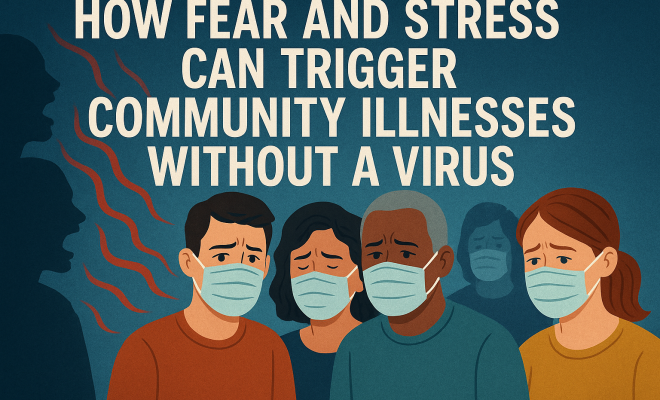
The idea that an entire community can develop symptoms of an illness without the presence of a virus is baffling yet fascinating. This phenomenon is known as mass psychogenic illness, and it reveals a lot about our mental health and the power of collective belief. As we explore the nature of community illness mental health, we’ll uncover how fear, stress, and shared beliefs can manifest in physical symptoms, affecting whole groups of people.
Understanding Mass Psychogenic Illness
Mass psychogenic illness, also referred to as mass hysteria or mass psychogenic disorder, is a phenomenon where a group of people experiences similar health complaints without any identifiable medical cause. Symptoms can range from headaches and nausea to more severe reactions like fainting or seizures. This condition often arises in settings where individuals share a strong emotional or psychological bond, amplifying their experiences of anxiety or distress.
One of the most striking aspects of mass psychogenic illness is that it challenges the conventional understanding of disease. Most people think of illness as something that is caused by pathogens like viruses or bacteria. However, mass psychogenic illness emphasizes the role of psychological and social factors in our health, raising questions about what we truly understand about the mind-body connection.
The Role of Stress and Fear
Stress and fear are two powerful emotions that can lead to the development of community illness mental health conditions. In times of crisis—be it a natural disaster, a pandemic, or a societal upheaval—people often experience heightened levels of anxiety. This collective fear can create an environment ripe for the emergence of mass psychogenic illness.
For instance, during the COVID-19 pandemic, many individuals reported symptoms consistent with illness even when they were not infected. The sheer weight of fear surrounding the virus led to widespread anxiety, which manifested in various physical symptoms across communities. It’s a reminder that our mental health can deeply influence our physical well-being.
Social Contagion and Group Behavior
The idea of social contagion suggests that behaviors, emotions, and even physical symptoms can spread from person to person within a community. This phenomenon can be observed in various contexts, from social movements to shared panic attacks. When one individual exhibits symptoms of distress, it can trigger similar reactions in others, creating a ripple effect.
In tight-knit communities, the influence of social contagion can be even more pronounced. When people share a common identity or experience, they are more likely to mirror each other’s emotional states. This shared psychological space can lead to a collective experience of illness, reinforcing the notion that community illness mental health is as much about the mind as it is about the body.
Historical Examples of Mass Psychogenic Illness
History is replete with examples of mass psychogenic illness, demonstrating just how real and impactful this phenomenon can be. One notable instance occurred in 1962 in a Tanzanian girls’ school, where students began to laugh uncontrollably for hours on end. The laughter spread like wildfire, affecting a significant portion of the school, and prompting the closure of the institution.
Another example is the 1980 incident in the small town of Elkhorn, Wisconsin, where a group of children developed mysterious symptoms after a reported gas leak. Despite extensive investigations, no physical cause was found, suggesting that the symptoms were rooted in anxiety and fear rather than a tangible illness. These historical cases serve as critical reminders of how community dynamics can shape individual health outcomes.
The Psychological Mechanisms Behind Community Illness
Understanding the psychological mechanisms behind community illness mental health involves exploring concepts like anxiety, suggestibility, and cognitive dissonance. Anxiety can heighten sensitivity to bodily sensations, leading individuals to interpret harmless feelings as symptoms of illness. This misinterpretation can spiral into distress, affecting those around them. (See: Mass Psychogenic Illness Overview.)
Suggestibility also plays a key role; when someone reports feeling unwell, others may be quick to accept this without question, leading them to experience similar symptoms. Cognitive dissonance, the mental discomfort experienced when one holds conflicting beliefs, may cause individuals to latch onto shared illnesses as a way of reconciling their fears and anxieties.
Modern Implications: Social Media and Community Illness
In today’s digital age, social media can amplify the effects of mass psychogenic illness. Platforms like Instagram, Twitter, and Facebook serve as breeding grounds for the spread of anxiety and misinformation, leading to increased incidents of shared health anxieties. A simple post can trigger widespread concern, prompting individuals to experience symptoms based on what they see online.
For example, when news of a new virus or health scare goes viral, individuals may begin to report symptoms even before they have been exposed. Social media effectively becomes a channel through which fear and anxiety propagate, illustrating how community illness mental health can manifest in the modern world.
Addressing Community Illness: Strategies for Coping
For communities experiencing mass psychogenic illness, it’s crucial to implement strategies to address the underlying anxiety and fear. Open communication about mental health can help reduce stigma and encourage individuals to seek support. Providing education about the psychological aspects of health can also empower community members to understand their experiences better.
Additionally, promoting relaxation techniques, such as mindfulness and meditation, can help alleviate anxiety. Community leaders can organize workshops and sessions focused on mental well-being, fostering a culture of support and resilience. By taking proactive steps, communities can mitigate the impact of mass psychogenic illness and enhance overall mental health.
The Importance of Community Support
The role of community support cannot be overstated when addressing issues related to community illness mental health. Connectedness and social support can serve as protective factors against the development of mass psychogenic illness. Communities that prioritize mental health awareness and create environments where individuals feel safe to express their concerns are more likely to withstand collective stressors.
Building strong support networks—whether through local organizations, peer support groups, or community events—can foster a sense of belonging and resilience. This support not only helps mitigate the effects of stress and fear but also encourages individuals to seek help when needed, minimizing the chances of developing shared health concerns.
The Future of Understanding Community Illness
As our understanding of community illness mental health evolves, it becomes increasingly clear that addressing these issues requires a holistic approach. This involves recognizing the interplay between mental and physical well-being, fostering community awareness, and encouraging open dialogues about mental health.
Research into mass psychogenic illness continues to be relevant as we navigate unprecedented global challenges. By examining historical instances and contemporary examples, we can learn valuable lessons about the ways our minds and bodies interact. In doing so, we can better equip ourselves to handle collective anxieties and foster healthier communities.
Case Studies in Community Illness
Exploring specific case studies allows us to better understand the dynamics of community illness mental health. One prominent example is the 2011 case in LeRoy, New York, where a group of high school students developed sudden onset tics and other neurological symptoms. The media covered the situation extensively, leading to speculation about environmental causes, but many experts pointed to the role of psychological factors and mass hysteria, suggesting that the students’ symptoms may have been exacerbated by community stressors and media attention. (See: Mental Health and Community Response.)
Another illustrative case occurred in 1998 in a school in the small town of Kiryas Joel, New York, where over 60 students and staff reported symptoms like nausea, dizziness, and fainting. Investigations revealed no environmental cause, and many psychologists suggested that the symptoms were a reaction to the stress and anxiety related to the community’s unique social pressures. These case studies highlight the importance of understanding the interplay between psychological factors and reported illnesses in a community setting.
Statistics on Community Illness Mental Health
Quantifying the phenomenon of community illness mental health can shed light on its prevalence and impact. According to a study published in the *American Journal of Public Health*, approximately 25% of individuals in a community experiencing a crisis may exhibit symptoms of mass psychogenic illness. In some instances, this can lead to temporary shutdowns of schools or workplaces, potentially affecting hundreds to thousands of individuals.
Moreover, research from the *Journal of Health Psychology* indicates that communities that experience a heightened sense of threat—whether from environmental, social, or health crises—are more susceptible to outbreaks of mass psychogenic illness. These statistics underscore the necessity of proactive mental health measures in vulnerable communities.
Expert Perspectives on Community Illness
Experts in psychology and public health have highlighted the importance of understanding community illness mental health from both a scientific and a practical standpoint. Dr. Susan Fiske, a renowned social psychologist, emphasizes the role of social identity in shaping health outcomes, stating, “When individuals feel a strong sense of belonging to a community, their health behaviors can be influenced by the collective emotional state.” This perspective reinforces the need for communities to foster supportive environments.
Additionally, Dr. Mark L. Hatfield, a clinical psychologist specializing in group dynamics, points out that “the spread of symptoms in a community can be viewed as a form of social communication.” He argues that addressing the emotional and psychological needs of a group can help mitigate the risk of mass psychogenic illness and promote healthier coping strategies.
FAQs on Community Illness Mental Health
What is community illness mental health?
Community illness mental health refers to the phenomenon where groups of individuals experience similar physical symptoms without a clear medical cause. These symptoms can be triggered by shared stressors, fears, or collective beliefs, showcasing the interplay of mental and physical health.
How can mass psychogenic illness be prevented?
Preventing mass psychogenic illness involves fostering a supportive community environment, promoting mental health awareness, and providing resources for individuals to express their concerns. Open communication and education on psychological health can significantly reduce stigma and anxiety.
Are there specific groups more prone to mass psychogenic illness?
Certain groups, such as adolescents or tightly-knit communities facing significant stress, may be more susceptible to mass psychogenic illness. Social dynamics and shared experiences can amplify reactions to stressors, making it essential to monitor collective mental health in these groups.
What are the signs of mass psychogenic illness?
Signs of mass psychogenic illness include a sudden outbreak of similar symptoms among a group, often including headaches, dizziness, nausea, and fainting. These symptoms typically arise in response to stress or shared fears and lack a clear medical explanation.
How does mass hysteria differ from other health crises?
Mass hysteria is characterized by the absence of a physical cause for symptoms experienced by a group. In contrast, other health crises typically have identifiable medical factors, such as infections or environmental hazards. Recognizing the distinction is crucial for effective responses and interventions.
Further Implications of Community Illness Mental Health
Understanding community illness mental health goes beyond just recognizing the symptoms and their origins. It also encompasses the broader ramifications on healthcare systems, community dynamics, and economic impacts. When multiple individuals in a community exhibit similar symptoms, local health services may become overwhelmed, leading to resource strains. This can divert attention from genuine health crises and delay necessary medical interventions.
Communities may face increased healthcare costs due to unnecessary medical consultations, tests, and treatments prompted by mass psychogenic illness. For instance, emergency departments can become inundated with patients exhibiting similar symptoms, leading to longer wait times and decreased quality of care for those with actual medical needs. This can create a cycle of anxiety, as individuals may feel compelled to seek help for fear of being overlooked.
The Role of Education in Mitigating Community Illness
Education plays a pivotal role in addressing community illness mental health. By equipping individuals with knowledge about the mind-body connection and the psychological underpinnings of health, communities can reduce instances of mass psychogenic illness. Schools, workplaces, and community organizations should prioritize mental health education, emphasizing the importance of psychological well-being alongside physical health.
Programs that focus on resilience training, stress management, and emotional intelligence can empower individuals to better cope with anxiety and fear. When people are informed about how their minds can influence their physical health, they are more likely to recognize and challenge unwarranted fears and symptoms within themselves and others.
Concluding Thoughts on Community Illness Mental Health
The phenomenon of community illness mental health not only reveals the interconnectedness of our psychological and physical states but also underscores the necessity for a community-centered approach to health. As we continue to navigate increasingly complex global challenges, understanding and addressing the roots of mass psychogenic illness will be crucial in fostering healthier, more resilient communities.
By prioritizing mental health, promoting supportive environments, and educating individuals about the psychological aspects of health, we can work towards reducing the frequency and impact of mass psychogenic illness. Ultimately, a proactive and compassionate approach can transform the way communities respond to collective stressors, leading to a healthier future for all.
“`
Trending Now
Frequently Asked Questions
What is mass psychogenic illness?
Mass psychogenic illness, also known as mass hysteria, occurs when a group of people experiences similar health complaints without any identifiable medical cause. Symptoms can vary from mild issues like headaches to severe reactions such as fainting, often triggered by shared psychological stress or fear.
How can stress and fear lead to physical symptoms?
Stress and fear can trigger physical symptoms in individuals, especially in a community setting. Heightened anxiety during crises, like a pandemic, can amplify emotional responses, leading to conditions like mass psychogenic illness, where shared fears manifest as physical ailments.
Can a community get sick without a virus?
Yes, a community can develop symptoms of illness without the presence of a virus through a phenomenon known as mass psychogenic illness. This condition emphasizes the impact of psychological and social factors on health, demonstrating how collective belief can lead to shared physical symptoms.
What are common symptoms of mass psychogenic illness?
Common symptoms of mass psychogenic illness include headaches, nausea, dizziness, and in some cases, more severe reactions like fainting or seizures. These symptoms arise in groups where individuals share a strong emotional bond, amplifying their experiences of stress and anxiety.
What causes mass psychogenic illness in communities?
Mass psychogenic illness is often caused by a combination of stress, fear, and shared beliefs among individuals in a community. Situations like natural disasters or pandemics can heighten anxiety levels, creating an environment conducive to the emergence of similar health complaints among affected groups.
What’s your take on this? Share your thoughts in the comments below — we read every one.