Boost Toddler Parallel Play: Strategies for Social Growth
“`html
When it comes to child development, playtime is far more than just fun and games. It serves as a crucial aspect of social, emotional, and cognitive growth. One type of play that often raises eyebrows among parents and caregivers is parallel play. Characterized by toddlers playing alongside each other without direct interaction, it’s a vital stage that can pave the way for more complex social skills later on. So, how do we encourage parallel play in toddlers who seem to prefer solitary activities? Let’s dive into the strategies, insights, and significance of this form of interaction.
1. Understanding Parallel Play
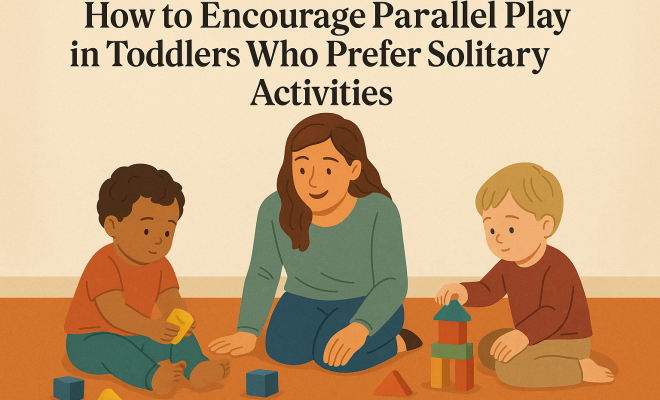
Before we can effectively encourage parallel play, it’s crucial to understand what it is and why it matters. Psychologists categorize play into different stages, and parallel play usually emerges around the age of two. During this phase, toddlers engage in similar activities but remain focused on their own tasks, such as playing with blocks or coloring. They might be in close proximity to peers but do not actively interact or communicate.
This form of play is important because it helps children learn to share space, observe others, and develop foundational social skills. As they watch their peers, toddlers learn to imitate behaviors, which can lead to cooperative play down the line. Understanding this developmental stage can help parents set realistic expectations regarding their child’s social interactions.
2. The Importance of Socialization in Early Childhood
Socialization is a key component of child development, affecting emotional well-being and future interpersonal skills. Engaging in parallel play allows children to observe social cues, express emotions, and manage conflict, all in a low-pressure environment. According to a study by the American Academy of Pediatrics, children who socialize effectively during early years tend to have better communication skills, higher self-esteem, and improved emotional regulation later in life.
Moreover, parallel play enables toddlers to develop essential skills such as empathy, negotiation, and problem-solving. By engaging with peers—even without direct interaction—they are already laying the groundwork for more complex social interactions, such as cooperative play, which usually emerges in the preschool years.
3. Recognizing the Signs of a Preference for Solitary Play
Every child is unique, and some may show a stronger inclination toward solitary play than others. Signs of this preference may include limited interest in interacting with peers, a strong focus on solo activities like reading or building, or a noticeable lack of engagement during group activities. While it’s entirely normal for toddlers to have these tendencies, it’s beneficial to recognize them to encourage balance.
Understanding that solitary play isn’t inherently negative is crucial. Children often need time alone to process their thoughts and feelings. However, fostering opportunities for parallel play can help them gradually find comfort in group settings, easing the transition into more interactive forms of play.
4. Creating the Right Environment
Environment plays a pivotal role in encouraging parallel play. Design spaces that promote opportunities for toddlers to play alongside one another while still engaging in individual activities. For example, arrange toys and materials in a way that invites play in close proximity. Think about using a large play mat with various toys spread out, enabling toddlers to explore freely while others are nearby.
Moreover, providing a variety of activities can help keep children engaged. Options such as art supplies, building blocks, or sensory bins can capture their attention and encourage them to play near peers. By creating an inviting atmosphere, you can naturally encourage parallel play without forcing interaction.
5. Modeling Parallel Play
Children learn a lot through observation, so modeling parallel play is an effective strategy. Join in their activities without demanding interaction. For instance, if your child is coloring, you can sit beside them and start coloring your own picture. This not only shows them how to engage in parallel play but also creates a sense of togetherness, reducing any anxiety they may feel about playing with others.
Additionally, by demonstrating active engagement with your own activities, you’re teaching your child that it’s okay to enjoy solitary time while still being near others. This can be particularly helpful for toddlers who are shy or hesitant to interact but enjoy the presence of peers. (See: CDC on child development stages.)
6. Encouraging Group Activities
Group activities can be a valuable tool in promoting parallel play, especially if they are structured yet flexible. Consider activities that allow for individual tasks while working in proximity, such as a shared art project where each child works on their own section. This setup promotes a sense of community without requiring direct interaction, which can be less intimidating for toddlers who prefer solitary play.
Another great option is outdoor play. Activities like sandbox play or building a fort can encourage children to explore and create while still being near their peers. These group activities foster a sense of collaboration while allowing each child to engage at their own level.
7. Using Playdates Wisely
Playdates can be a fantastic way to encourage parallel play. Organizing playdates with other toddlers who have similar energy levels can create a relaxed atmosphere where children can feel comfortable. When setting up a playdate, choose activities that lend themselves to parallel play, such as puzzles or building toys, where kids can work side by side.
It’s also essential to keep the playdates short and sweet. Too much time can overwhelm toddlers who prefer solitary activities. Start with manageable timeframes, gradually increasing them as they become more comfortable with the idea of playing alongside others. This gradual approach can help build their confidence and social skills over time.
8. Recognizing Progress and Celebrating Small Wins
As your child begins to engage in parallel play, it’s crucial to recognize their progress, no matter how small. Celebrate instances when they play alongside peers or even make an attempt to interact. Positive reinforcement can go a long way in boosting their confidence and encouraging further social engagement.
Keep in mind that every child moves at their own pace. Some may take longer to warm up to the idea of parallel play, and that’s completely fine. Your support and encouragement are vital in helping them feel secure in exploring new social settings and relationships.
9. Common Challenges in Encouraging Parallel Play
While encouraging parallel play can be rewarding, it can also come with its own set of challenges. For instance, some children may become frustrated if their peers disrupt their activities. It’s essential to help them develop coping strategies for these moments. You could guide them in expressing their feelings or finding alternative activities they can enjoy on their own.
Additionally, competition can sometimes rear its head in group settings, especially if children are vying for the same toy or resource. Teaching toddlers about sharing and taking turns can be introduced during parallel play, emphasizing that they can still enjoy their own activities while respecting others’ space.
10. Incorporating Technology Mindfully
In our digital age, technology can be a fantastic tool for fostering parallel play when used mindfully. There are numerous educational apps and interactive games designed for toddlers that encourage side-by-side play without requiring direct interaction. For example, digital art applications allow kids to create their art while sitting next to each other, fostering creativity and engagement.
However, it’s important to set limits on screen time and ensure that technology is just one of many tools available for play. Balancing tech use with physical play and hands-on activities is key to creating well-rounded opportunities for social interaction.
11. Expert Perspectives on Parallel Play
Experts in child development emphasize the significance of parallel play in shaping social skills. Dr. Jennifer Hartley, a child psychologist, points out, “Parallel play may seem less engaging than direct interaction, but it’s a critical step in learning how to be in a social space without the pressure of direct communication.”
Dr. Hartley further explains that during parallel play, children can observe their peers’ behaviors, which can lead to learning and imitation without the stress of engaging directly. This is particularly beneficial for shy children who may need additional support transitioning to more interactive forms of play. (See: HHS on understanding child development.)
Additionally, child development experts often highlight the role of caregivers and parents in supporting this form of play. “Creating opportunities for parallel play at home and during social gatherings helps normalize the experience,” notes Dr. Emily Chang, a play therapist. “The presence of a supportive adult can encourage children to feel more comfortable exploring their social environment.”
12. Expanding the Definition of Play
As we encourage parallel play, it’s essential to expand our understanding of what play means. Beyond toys and structured activities, play can include imaginative scenarios, nature exploration, and even everyday tasks. For example, gardening can offer opportunities for parallel play as toddlers help dig, plant, and water alongside each other, engaging in the same activity while still focusing on their individual tasks.
Incorporating different types of play can enrich toddlers’ experiences and expose them to various social interactions. This approach allows parents to observe their children’s preferences in a non-pressurized environment while enhancing the overall play experience.
13. Fostering Emotional Intelligence Through Parallel Play
Emotional intelligence is a crucial component of social development that can be fostered through parallel play. By observing peers, toddlers learn to recognize and respond to emotions, which is a vital skill for building relationships. Engaging with others, even if it’s just in parallel, gives them the chance to see how different actions can elicit various emotional responses.
Encouraging toddlers to reflect on their feelings during play can be beneficial. For instance, you could ask them questions like, “How do you think your friend feels when they build that tower?” This prompts them to think about others’ emotions and can lead to deeper connections and empathy as they grow.
14. Frequently Asked Questions
What age does parallel play typically start?
Parallel play generally starts around the age of two and can last until the age of three or four when children begin to engage in more interactive forms of play.
Is parallel play a sign of social difficulties?
No, parallel play is a normal stage of development. While some children may engage in more solitary play, it does not necessarily indicate social difficulties. Parallel play is a healthy part of learning how to socialize.
How can I tell if my child is ready for more interactive play?
Signs that your child may be ready for more interactive play include attempts to engage with peers, showing interest in group activities, or initiating sharing and turn-taking behaviors.
What if my child doesn’t enjoy parallel play?
Every child is different. If your child shows little interest in parallel play, it’s essential to respect their preferences while gently introducing opportunities for social engagement. Ensure they have plenty of time for solitary play as well.
Can parallel play be beneficial for shy children?
Absolutely! Parallel play provides a low-pressure environment for shy children to be around their peers while still engaging in activities independently. Over time, this can help them feel more comfortable interacting directly with others.
15. Strategies for Parents to Encourage Parallel Play
While understanding the nature of parallel play is essential, having practical strategies is equally important. Here are some additional methods to foster parallel play in your toddlers:
- Start with Shared Interests: Identify toys or activities that your child enjoys and introduce them to other children. Shared interests can often serve as a bridge for engagement, even if it’s just side by side.
- Create Play Zones: Designate specific areas in your home or yard for play. This can help children understand that certain spaces are for sharing and playing together, even if they choose to do so in parallel.
- Encourage Joint Projects: Consider tasks that naturally lend themselves to parallel play, such as building a tower with blocks where each child has their own set of blocks but works together towards a similar goal.
- Be Patient and Flexible: Not all attempts to encourage parallel play will be successful. Be prepared to take a step back and allow your child to play alone if that’s what they prefer. Patience is key.
16. The Role of Early Childhood Education
Early childhood education settings often provide structured environments that promote parallel play. Many preschools incorporate play-based learning, allowing children to explore various activities while being surrounded by peers. Facilities that understand the value of parallel play ensure that their curriculum includes activities that foster social interaction without forcing direct engagement.
In these environments, toddlers can learn through shared experiences, such as group art projects or outdoor games, that emphasize participation alongside others. This not only enhances their learning experience but also helps them develop the social skills that are crucial for later academic and life success.
17. Observation and Reflection
Encouraging parallel play also requires you to be an observant participant in your child’s play. Take time to sit back and watch how they interact with others during playtime. Are they more engaged when playing with certain peers? Do they seem to enjoy activities more when they are in a group setting? Reflecting on these observations can provide insights into how to better support their social development.
Additionally, discussing your observations with your child can foster their understanding of social dynamics. Ask them how they felt when playing next to a friend or what they enjoyed about their shared activity. This reflective practice can enhance their social awareness and emotional intelligence.
18. Encouraging Parallel Play in Different Settings
Encouraging parallel play doesn’t just have to happen at home. Different settings offer unique opportunities for toddlers to engage in parallel play. For instance:
- Playgrounds: These spaces naturally encourage children to play alongside one another while exploring different equipment. Supervised gentle encouragement can help them navigate these interactions.
- Community Classes: Art or music classes designed for toddlers offer structured activities where children can engage in parallel play while learning together.
- Library Story Time: Engaging in group story times or related activities at libraries can expose children to social settings that encourage parallel play as they sit next to peers and participate in activities.
19. Conclusion: Embracing Individual Differences
Encouraging parallel play in toddlers who prefer solitary activities is a journey filled with patience and understanding. It’s essential to remember that each child is different, and their socialization paths will vary. By creating an inviting environment, modeling behavior, and providing structured opportunities, you can help your child transition into parallel play comfortably.
Ultimately, embracing individual differences while gently guiding your child toward social interaction will benefit their development. As they learn to navigate the world of play and friendship, they will build skills that will serve them for a lifetime.
“`
Trending Now
Frequently Asked Questions
What is parallel play in toddlers?
Parallel play is a developmental stage where toddlers play alongside each other without direct interaction. They engage in similar activities, such as building blocks or coloring, while focusing on their own tasks. This stage typically emerges around age two and is essential for developing social skills.
Why is parallel play important for child development?
Parallel play is crucial as it helps toddlers learn to share space and observe others, laying the foundation for future social interactions. By watching peers, children can imitate behaviors, which can lead to more complex forms of play, such as cooperative play.
How can I encourage parallel play in my toddler?
To encourage parallel play, provide opportunities for your toddler to play near other children with similar toys or activities. Create a safe, low-pressure environment where they can observe and engage in similar tasks without the expectation of direct interaction.
What age do toddlers start parallel play?
Toddlers typically begin to engage in parallel play around the age of two. During this phase, they play alongside other children while focusing on their individual activities, which is a natural part of their social development.
How does parallel play affect social skills?
Parallel play allows toddlers to observe social cues and manage emotions in a low-pressure setting. This form of play contributes to better communication skills, higher self-esteem, and improved emotional regulation as they interact in future play scenarios.
Have you experienced this yourself? We’d love to hear your story in the comments.