Google’s AI Overviews: A Looming Crisis for Content Creators?
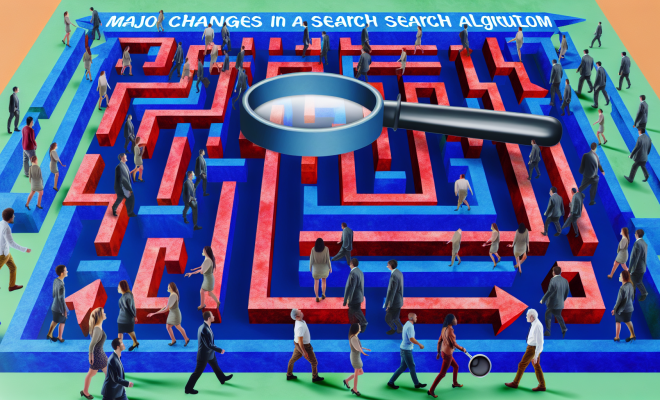
The digital landscape has always been in flux, but the recent Google search algorithm changes have ignited a firestorm of controversy among content creators and publishers alike. With the introduction of AI Overviews, Google is fundamentally altering how information is presented to users, sparking major debates over content ownership, search visibility, and the future of online publishing.
The Rise of AI Overviews
Google’s AI Overviews are designed to synthesize information directly on the search results page. This functionality aims to provide users with quick answers without requiring them to click through to external websites. While the intention appears to be to enhance user experience, the fallout has been dramatic. Publishers are reporting a staggering 30-60% drop in organic traffic on informational queries, which raises serious concerns for those who rely on search engine visibility for their livelihood.
The Impact on Content Creators
As Google continues to optimize its search features, the ramifications for content creators are severe. Many bloggers, journalists, and small publishers depend on organic traffic to sustain their operations. When users can receive instant answers through Google’s AI Overviews, the incentive to navigate away from the search results diminishes, leaving content creators in a precarious position.
- Reduced Click-Through Rates: As more users receive satisfactory answers through Google’s AI, the number of clicks to actual websites has significantly decreased.
- Monetization Challenges: A drop in traffic directly correlates with diminished advertisement revenue and potential subscription sign-ups for many publishers.
- Content Ownership Disputes: The automated responses generated by AI raise questions about proper attribution for content, creating a tension between Google and content creators.
A Deep Dive into Zero-Click Searches
The introduction of AI Overviews has led to a noticeable spike in zero-click searches. This term refers to search queries where users find sufficient information directly on the search results page, negating the need to visit external sites. This trend is troubling for content creators as it threatens the very foundation of their work.
According to recent analyses, zero-click searches reflect a growing reliance on search engines as information sources. As Google consolidates user attention within its ecosystem, the implications for the broader internet landscape become increasingly complex. Critics argue that this behavior contributes to Google’s monopolistic tendencies, raising ethical concerns about the future of online information dissemination.
The Emotional Toll on Content Creators
The emotional distress caused by these Google search algorithm changes cannot be overstated. Many content creators feel that their work is being marginalized and that their expertise is being rendered obsolete by AI technology. This has fostered a sense of helplessness and frustration among those who have poured years of effort into building their platforms.
Social media platforms have become hotbeds for discussions about the implications of AI Overviews. The David-vs-Goliath narrative resonates deeply within creator communities as they rally against what they perceive as an unjust power dynamic. The emotional engagement surrounding this issue amplifies its shareability across platforms like LinkedIn, Twitter, and Reddit.
Broader Implications of Google’s Dominance
The controversy surrounding AI Overviews taps into larger concerns regarding Google’s dominance in the digital space. The ability to monopolize content without proper attribution raises questions about fairness and ethical responsibility in content delivery. This monopoly could potentially stifle diversity in information sources and limit the viewpoints available to users.
Moreover, as AI technology continues to evolve, the fear that it may one day replace human expertise looms large. In an environment where algorithms dictate the information landscape, the value of human-generated content could diminish, leading to a homogenization of knowledge.
SEO Professionals Speak Out
In light of these developments, SEO professionals are voicing their concerns about the sustainability of online content creation. The reliance on Google for traffic has traditionally been a cornerstone of digital marketing strategies, but the emergence of AI-driven features challenges that paradigm.
- Shifts in SEO Strategies: Content creators are now forced to rethink their SEO strategies to adapt to a landscape where click-through rates are declining.
- The Importance of Brand Authority: Establishing brand authority and credibility may become more crucial as organic traffic diminishes.
- Diversifying Traffic Sources: Many are exploring alternative platforms and methods for driving traffic, including social media and email marketing.
What Can Content Creators Do?
As content creators grapple with the fallout from Google search algorithm changes, adapting to this new reality is imperative. Here are some strategies to navigate the shifting landscape:
- Focus on Unique Content: Providing unique and in-depth content that cannot be easily summarized by AI can help maintain user interest.
- Engage with Audiences: Building a community around your content can encourage direct engagement, fostering loyalty among followers.
- Optimize for Different Platforms: Expanding your digital presence across various platforms can help mitigate the effects of declining organic search traffic.
Looking Toward the Future
The future of online content creation hinges on how Google and other tech giants navigate the complexities of AI in search. While the aim of AI Overviews is to enhance user experience, the trade-offs for content creators are substantial. The ongoing debates around Google search algorithm changes highlight the need for accountability and ethical considerations as technology continues to advance.
For many, the question remains: how can content creators thrive in an environment where their contributions are increasingly overshadowed by AI-driven responses? The answer may lie in resilience, adaptability, and a collective push for a fairer digital landscape.
Conclusion
The introduction of AI Overviews marks a significant turning point in the way information is consumed online. As Google search algorithm changes reshape the dynamics of digital content, the implications extend far beyond traffic numbers. For content creators, the stakes are high, and finding a way to navigate this evolving landscape will be crucial for sustainable success in the future.
The conversations sparked by these changes are essential. They remind us of the value of human creativity and expertise in an increasingly automated world, urging a reevaluation of how we define knowledge in the digital age.