“Self-Esteem Activities for Elementary Students: Building Positive Self-Concept”

“`html
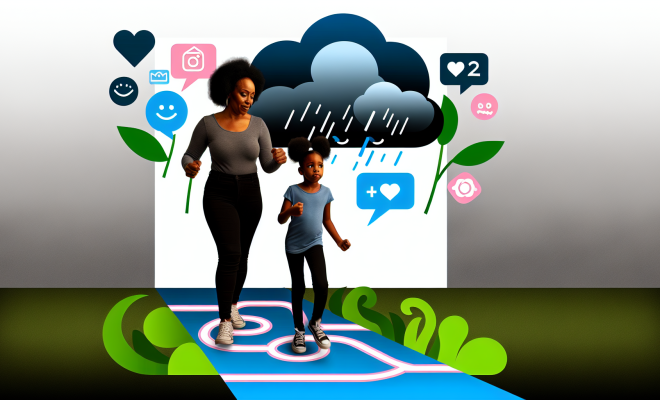
Building a healthy sense of self-esteem in children is crucial for their overall development. Self-esteem activities for kids are an excellent way to cultivate a positive self-concept and encourage personal growth. Children face numerous challenges, from peer pressure to academic expectations, and fostering self-esteem can empower them to tackle these issues with confidence. In this article, we will explore various activities aimed at boosting self-esteem in elementary students, the importance of these activities, and practical tips for implementation.
The Importance of Self-Esteem in Childhood
Self-esteem refers to the way individuals perceive their own worth or value. In elementary students, self-esteem is particularly fragile and susceptible to external influences. According to research conducted by the American Psychological Association, children with high self-esteem are more likely to tackle challenges head-on and exhibit resilience in the face of setbacks. They are also more inclined to engage in social interactions and develop healthy relationships.
Self-esteem is not a static trait; it can fluctuate based on experiences, achievements, and feedback. This is why engaging in self-esteem activities for kids is vital. These activities not only help kids recognize their strengths but also teach them to navigate failures and self-doubt positively.
Identifying Key Components of Self-Esteem
To effectively boost self-esteem in children, it’s essential to understand the key components that contribute to a positive self-image. These include:
- Self-Acceptance: Recognizing and accepting one’s abilities and limitations.
- Self-Confidence: Trusting in one’s skills and potential.
- Self-Worth: Valuing oneself irrespective of external validation.
- Social Connections: Building healthy relationships that reinforce positive feelings.
Activities designed to bolster these components can significantly enhance a child’s self-esteem. By focusing on strengths, encouraging self-expression, and fostering supportive environments, children can cultivate a lasting sense of self-worth.
Creative Self-Exploration Activities
One effective way to boost self-esteem in kids is through creative self-exploration activities. These not only allow children to express their feelings but also help them discover their unique identities. Here are some suggested activities:
1. Self-Portrait Creation
Have students create self-portraits using various art supplies. This activity encourages kids to reflect on their own identities and express how they see themselves. Make it even more meaningful by asking them to include words or phrases that represent their personality and strengths. Afterward, they can present their portraits to the class, fostering a sense of pride and shared experiences.
2. Gratitude Journals
Encouraging kids to keep gratitude journals can be a powerful self-esteem booster. Each day, they can jot down three things they appreciate about themselves or their lives. This simple practice helps kids shift their focus from negative thoughts to positive affirmations and encourages mindfulness regarding their strengths.
Interactive Group Activities
Group activities can be particularly effective in building self-esteem, as they foster teamwork and social connections. Here are a few ideas:
3. Team-Building Games
Engage students in team-building exercises such as trust falls, obstacle courses, or collaborative problem-solving tasks. These activities require communication, cooperation, and trust, allowing kids to develop a sense of belonging and increase their self-worth through shared success.
4. Class Talent Show
Organizing a talent show can provide a safe space for students to showcase their unique abilities. Whether they sing, dance, or perform magic tricks, encouraging participation allows children to celebrate their talents and receive positive feedback from peers, reinforcing their self-esteem.
Skill-Building Workshops
Workshops that focus on developing practical skills can also enhance self-esteem. These activities allow kids to achieve tangible accomplishments, which can significantly boost their confidence:
5. Cooking Classes
Cooking classes are a fun way to teach children essential life skills while reinforcing self-esteem. As they learn to prepare meals, they gain confidence in their abilities and enjoy the satisfaction of creating something delicious. This hands-on activity can also encourage teamwork if done in groups. (See: CDC resources on youth mental health.)
6. Gardening Projects
Gardening can be an incredibly rewarding experience for kids. By planting, nurturing, and watching their plants grow, children develop a sense of responsibility and accomplishment. Furthermore, gardening activities can be integrated into lessons about biology, sustainability, and healthy eating, adding an educational component to the experience.
Mindfulness and Reflection Activities
Practicing mindfulness can significantly enhance a child’s self-esteem by teaching them to be present and aware of their thoughts and feelings.
7. Meditation and Breathing Exercises
Introducing kids to meditation and deep-breathing exercises can provide them with tools to manage stress and anxiety. Simple practices, such as focusing on breath or visualizing a peaceful place, can help children cultivate inner peace and confidence. Regular practice can change their mindset and promote a healthy self-image.
8. Positive Affirmation Exercises
Encourage kids to create positive affirmations that they can recite daily. This could include statements like “I am capable,” “I am loved,” or “I can achieve my goals.” Teaching children to challenge negative self-talk and replace it with positive affirmations can significantly boost their self-esteem over time.
Community Engagement Activities
Getting kids involved in their communities can foster a sense of belonging and purpose, further enhancing self-esteem.
9. Volunteering Opportunities
Engaging in volunteer work allows children to contribute positively to their communities and understand the impact of their actions. Whether helping at a local shelter or participating in a clean-up event, kids learn to appreciate their ability to affect change, which can greatly enhance their self-worth.
10. Pen Pal Programs
Connecting with peers from different backgrounds through pen pal programs can broaden children’s perspectives and enhance their social skills. Writing letters and sharing experiences can help children feel connected and valued, boosting their self-esteem. It’s also an excellent opportunity for them to practice writing and communication skills.
Implementing Self-Esteem Activities in Schools
To effectively implement self-esteem activities for kids in schools, it’s essential to create a supportive and nurturing environment. Here are some strategies for educators:
- Set Clear Goals: Define what you want to achieve with self-esteem activities. This will help you stay focused and measure progress.
- Incorporate Activities into the Curriculum: Look for ways to integrate self-esteem activities into existing lessons, ensuring they are a regular part of your teaching approach.
- Encourage Parental Involvement: Engage parents in self-esteem-building activities at home. Share resources and suggestions that they can use to reinforce positive self-concepts.
- Create a Safe Space: Always foster an environment where students feel safe to express themselves without fear of judgment. Encourage open communication and provide support for those who may struggle with self-esteem.
Measuring the Impact of Self-Esteem Activities
Assessing the effectiveness of self-esteem activities is vital for understanding their impact on children’s development. Consider implementing the following methods to evaluate progress:
- Surveys and Questionnaires: Use tools to gauge students’ self-esteem levels before and after participating in activities.
- Observation: Monitor changes in behavior and attitudes toward challenges and social interactions.
- Feedback from Students: Encourage children to share their experiences and thoughts on the activities. Their insights can provide valuable information about their self-esteem growth.
The Long-Term Benefits of Fostering Self-Esteem
Investing time and effort into self-esteem activities for kids can yield long-term benefits that extend far beyond childhood. As children grow into adolescents and adults with a strong sense of self-worth, they are better equipped to handle life’s challenges. They develop healthier relationships, pursue their goals with determination, and contribute positively to their communities.
Moreover, strong self-esteem can lead to improved academic performance, better mental health, and increased resilience. By fostering self-esteem from an early age, we equip children with the tools they need to thrive in an ever-changing world.
Examples of Self-Esteem Activities
Let’s dive deeper into some specific self-esteem activities for kids that can be easily implemented at home or in school settings:
11. Vision Boards
Creating vision boards allows children to visualize their goals and aspirations. Provide magazines, scissors, glue, and a poster board. Let children cut out pictures and words that resonate with their dreams. This activity helps them articulate their desires and reinforces the belief that they can achieve these goals. By revisiting their vision boards, children can track their progress and remind themselves of their capabilities.
12. Storytelling Sessions
Storytelling can be a powerful tool for self-expression. Organize sessions where kids can share personal stories or create fictional tales. This not only enhances their verbal skills but also allows them to explore their emotions and experiences. Hearing each other’s stories can foster empathy, understanding, and connections among peers, further boosting their self-esteem.
13. Self-Esteem Games
Games like “Compliment Circle” can be an engaging way to enhance self-esteem. In this game, each child takes turns giving genuine compliments to their classmates. This positive reinforcement helps children recognize their strengths and fosters a supportive environment. You can also incorporate games that focus on problem-solving and creativity, allowing children to experience success in a playful context.
Statistics on Self-Esteem Development
Understanding the statistics surrounding self-esteem can shed light on why these activities are so vital: (See: NIH on self-esteem in children.)
- According to the National Institute of Mental Health, nearly 3.2 million adolescents in the U.S. experience major depressive episodes, often linked to low self-esteem.
- A survey conducted by the Pew Research Center found that 70% of teens believe that self-esteem is crucial for success in life.
- Research indicates that children who participate in self-esteem boosting activities show a 30% increase in positive self-regard over a school year.
Expert Perspectives on Self-Esteem Activities
Experts in child psychology emphasize the significance of fostering self-esteem through targeted activities. Dr. Lisa Firestone, a clinical psychologist, suggests that engaging children in activities that promote self-reflection and creativity can significantly influence their self-worth. She notes, “When children learn to express themselves creatively, they gain a better understanding of their identity and strengths.”
Additionally, Dr. David Elkind, a prominent child development expert, highlights the importance of play in developing self-esteem. “Through play, children learn to navigate social dynamics, take risks, and experience the thrill of achievement,” he explains. His insights underline the need for incorporating playful learning in self-esteem activities.
FAQ: Common Questions About Self-Esteem Activities for Kids
Q1: What age is best to start self-esteem activities for children?
A1: It’s never too early to start! Activities can be introduced as soon as children begin to express themselves. Early childhood, around ages 3-5, is a great time to start fostering a positive self-image, but elementary school is particularly crucial.
Q2: How can parents help reinforce self-esteem activities at home?
A2: Parents can engage in discussions about daily achievements or challenges, encourage hobbies, provide positive feedback, and model self-acceptance and self-love. Simple acts like praising effort rather than outcome can significantly impact their child’s self-esteem.
Q3: Are there any specific signs that indicate a child struggles with self-esteem?
A3: Signs may include withdrawal from social activities, negative self-talk, excessive worry about making mistakes, or seeking constant validation from others. If you notice these signs, implementing self-esteem activities can be beneficial.
Q4: Can self-esteem activities be integrated into academic learning?
A4: Absolutely! Many self-esteem activities naturally align with academic subjects. For instance, students can create presentations about their achievements in subjects like history or science, allowing them to practice public speaking while also fostering pride in their learning journey.
Q5: How often should self-esteem activities be conducted for maximum benefit?
A5: Regular engagement is key. Aim to incorporate self-esteem activities into weekly routines, mixing them with other educational or recreational activities. Consistency helps reinforce positive messages and fosters a supportive environment.
Q6: What is the role of teachers in promoting self-esteem activities?
A6: Teachers play a vital role in creating a safe and nurturing classroom environment where students feel valued and respected. They can introduce self-esteem activities, provide encouragement, and model positive self-talk to inspire students to develop healthy self-esteem.
Q7: Can self-esteem activities help with bullying prevention?
A7: Yes! Engaging in self-esteem activities can promote empathy and understanding among peers. When children feel good about themselves, they’re less likely to engage in negative behaviors toward others, fostering a more inclusive and supportive school environment.
Q8: How can self-esteem activities vary for children with different learning needs?
A8: It’s important to tailor self-esteem activities to meet individual needs. For children with learning difficulties, use hands-on, sensory-based activities that provide immediate feedback. For others, adapt activities to focus on their specific strengths and interests, ensuring each child can participate meaningfully.
Conclusion
In summary, self-esteem activities for kids play a pivotal role in shaping their identities and overall well-being. By incorporating creative self-exploration, interactive group work, mindfulness practices, and community engagement into their daily lives, we can help children build a foundation of confidence and positivity. Remember, every small step taken today can lead to a brighter and more successful future for our children. The journey of self-discovery and the development of self-esteem is ongoing, and the activities we provide can make a lasting impact.
Expanding Self-Esteem Activities Beyond the Classroom
While schools play a critical role in fostering self-esteem, parents and communities can also contribute significantly. Here are a few ideas to extend self-esteem activities beyond the classroom…
14. Family Meetings
Hold regular family meetings where everyone can share their achievements and challenges. This open forum encourages family members to support each other and provides a platform for children to express their feelings and thoughts. By making it a ritual, you reinforce the significance of self-worth in a safe and loving environment.
15. Outdoor Adventures
Plan outdoor activities like hiking, camping, or group sports that encourage teamwork and physical activity. These adventures can help children realize their capabilities in real-world scenarios, boosting their confidence and self-esteem as they navigate challenges together with family or peers.
16. Art and Craft Exhibitions
Organize local exhibitions where children can showcase their artwork and crafts. This platform not only allows them to gain recognition for their creativity but also teaches them valuable lessons about sharing and celebrating their uniqueness with the community.
The Role of Technology in Self-Esteem Activities
In the digital age, technology can be a powerful ally in promoting self-esteem. Here’s how tech can enhance self-esteem activities:
17. Online Creative Platforms
Utilize platforms like digital storytelling apps or art creation tools that allow kids to explore their creativity in a new medium. This not only makes the process fun but also helps them connect with peers through shared interests and projects.
18. Social Media Challenges
Encourage participation in positive social media challenges focused on self-love or kindness. These challenges can create a sense of community and inspire children to share their achievements, further solidifying their self-esteem in a supportive environment.
Integrating Cultural Awareness into Self-Esteem Activities
Cultural awareness can also play a vital role in developing self-esteem among children. Incorporating diverse perspectives can enhance children’s understanding of their own identities while also broadening their horizons.
19. Cultural Exchange Projects
Engaging in cultural exchange projects or pen pal programs with children from different backgrounds can foster appreciation and respect for diversity. This not only boosts self-esteem but also helps children develop a broader worldview, showing them the value of different experiences and perspectives.
20. Celebrating Heritage
Organize events where children can celebrate their heritage through food, music, dance, and stories. This not only reinforces their sense of identity but also allows them to share their culture with others, fostering pride and self-esteem.
By exploring these additional activities and approaches, we can continue to support children in their journey toward healthy self-esteem, equipping them with the tools they need to thrive in a complex world.
“`
Trending Now
Frequently Asked Questions
What are some self-esteem activities for elementary students?
Self-esteem activities for elementary students include group discussions, art projects that encourage self-expression, role-playing scenarios to build confidence, and journaling exercises to reflect on personal strengths. These activities help children recognize their abilities, cultivate self-acceptance, and develop a positive self-image.
Why is self-esteem important for children?
Self-esteem is crucial for children as it influences their ability to face challenges, build relationships, and cope with setbacks. High self-esteem fosters resilience, encourages social interactions, and promotes overall emotional well-being, making it essential for healthy development during childhood.
How can parents help boost their child's self-esteem?
Parents can boost their child's self-esteem by providing positive reinforcement, encouraging their interests, and allowing them to set achievable goals. Engaging in self-esteem activities together, such as discussing achievements or practicing new skills, can also enhance a child's confidence and self-worth.
What are the key components of self-esteem in children?
The key components of self-esteem in children include self-acceptance, self-confidence, self-worth, and social connections. Understanding these components helps in designing effective activities that promote a positive self-image and emotional resilience in elementary students.
How do self-esteem activities impact children's development?
Self-esteem activities positively impact children's development by helping them recognize their strengths, learn to cope with failures, and foster healthy relationships. These activities promote a strong sense of self-worth and encourage personal growth, which is vital for navigating the challenges of childhood.
Agree or disagree? Drop a comment and tell us what you think.