30 Fine Motor Activities for Preschoolers: Boost Writing Skills!
“`html
30 Fun and Engaging Fine Motor Activities for Preschoolers to Boost Writing Skills
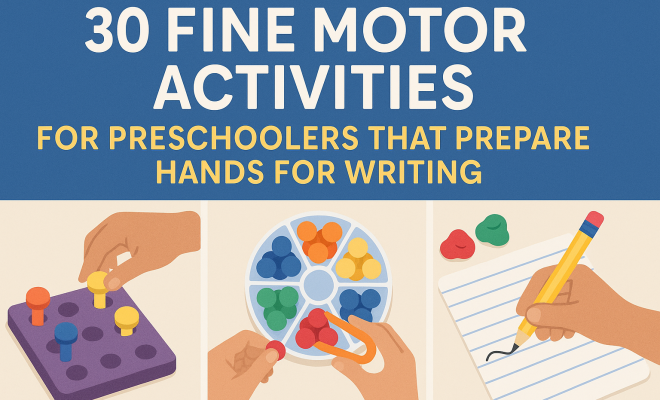
Fine motor activities for preschoolers are crucial for developing the smaller muscles in their hands and fingers. These activities not only prepare young children for writing but also enhance their overall dexterity and coordination. In this article, we’ll explore 30 engaging activities that can easily be incorporated into playtime, helping to foster the skills necessary for successful writing.
Understanding Fine Motor Skills
Before diving into specific activities, it’s important to understand what fine motor skills are. These skills involve the use of the small muscles that control hand movements. Fine motor skills are essential for tasks such as writing, buttoning clothes, and using utensils. In preschoolers, the development of these skills is critical as they begin to engage in more complex tasks.
During preschool years, children typically go through significant milestones in fine motor skill development. By engaging in various activities that challenge their hand-eye coordination and dexterity, children can strengthen these skills effectively. One key aspect is the gradual increase in precision and control required for tasks like writing.
The Connection Between Fine Motor Skills and Writing
Writing is a complex task that requires a combination of cognitive and physical skills. As children learn to write, they must be able to hold a pencil, form letters, and control the pressure applied to the writing instrument. Fine motor activities for preschoolers enhance these skills by allowing children to practice grasping, manipulation, and control.
Research indicates that children who engage in fine motor activities show improved writing ability and overall academic performance. For instance, a study published in the journal Child Development found a positive correlation between fine motor skills and later literacy skills. Therefore, parents and educators should prioritize fine motor activities to set a strong foundation for writing.
30 Engaging Fine Motor Activities for Preschoolers
Here are 30 fun and diverse fine motor activities designed to cultivate essential skills for writing:
1. Playdough Sculpting
Playdough not only provides sensory engagement but also strengthens hand muscles. Encourage children to roll, pinch, and shape playdough into various objects. This activity promotes grip strength and dexterity.
2. Bead Stringing
Stringing beads onto a shoelace or string can refine a child’s pincer grasp. Choose larger beads for younger children and gradually introduce smaller beads as their skills improve.
3. Scissors Cutting Practice
Introduce safety scissors to preschoolers to practice cutting various materials. Start with simple straight lines and progress to curves and shapes. This helps develop coordination and control.
4. Finger Painting
Finger painting offers a tactile experience while allowing children to express creativity. It helps strengthen their fingers and hands through various motions and pressure.
5. Building with Blocks
Block building encourages spatial awareness and hand-eye coordination. As children stack and balance blocks, they also enhance their grip strength and control. (See: CDC milestones for child development.)
6. Use of Tweezers
Using tweezers to pick up small objects like pom-poms or beads is excellent for developing the pincer grasp. This activity can also be turned into a competitive game for added fun!
7. Zipper Practice
Providing clothes with zippers for children to practice zipping and unzipping can significantly improve their hand coordination and motor skills.
8. Origami Folding
Simple origami, such as folding paper into boats or animals, can enhance precision and control. It encourages following directions while practicing fine motor skills.
9. Sand and Water Play
Activities like pouring sand or water into different containers can help strengthen hand muscles. Use scoops, cups, or funnels for varying challenges.
10. Color Sorting
Using colored objects, ask children to sort them into matching containers. This activity aids in color recognition while enhancing fine motor skills through grasping and placing.
Creating a Fine Motor-Friendly Environment
To effectively encourage fine motor skills, creating an environment that promotes these activities is essential. Here are some tips for parents and educators:
- Designate a Play Area: Use a specific area for fine motor activities equipped with various tools and materials.
- Provide Accessible Materials: Keep fine motor materials within reach for children to explore independently.
- Encourage Exploration: Allow children to experiment with different activities and materials to find what they enjoy.
Integrating Fine Motor Activities into Daily Routines
Incorporating fine motor activities into daily routines can make skill development seamless and enjoyable. Here are some ideas:
- Cooking Together: Let children help with cooking by stirring, measuring, or kneading dough.
- Gardening: Engage children in gardening tasks like planting seeds or pulling weeds, which involve gripping and hand movements.
- Cleaning Up: Encourage children to help tidy up by picking up toys or sorting laundry, which promotes grasping and control.
Encouraging Independence Through Fine Motor Activities
Encouraging independence in children can be achieved through fine motor activities. Allowing children to tackle tasks on their own boosts self-esteem and confidence. Here are ways to foster independence:
- Choose Age-Appropriate Tasks: Match activities to the child’s skill level to prevent frustration while ensuring challenges.
- Give Clear Instructions: Provide simple, step-by-step guidance to help children understand tasks they can complete independently.
- Celebrate Achievements: Acknowledge children’s successes, whether big or small, to reinforce their confidence in their abilities.
Use of Technology in Fine Motor Development
In our digital age, technology can also play a role in developing fine motor skills. Educational apps and games that focus on hand-eye coordination can enhance children’s skills. However, it’s essential to balance screen time with hands-on activities to ensure comprehensive development.
Some recommended types of technology to consider include:
- Tablet Apps: Many applications designed for preschoolers include activities that require tapping, dragging, and drawing, all of which can improve fine motor skills.
- Interactive Learning Tools: Devices that require physical interaction, such as electronic drawing pads, can encourage children to practice their writing and drawing skills.
- Online Tutorials: There are plenty of online resources for parents to find guided activities that can be done with minimal materials.
Expert Perspectives on Fine Motor Skill Development
Experts emphasize the importance of fine motor skill development in preschoolers. According to Dr. Susan Johnson, a child development specialist, “Fine motor skills are the building blocks for many activities in life, not just writing. They impact self-care skills, art, and play.” This highlights the extensive implications these skills have on a child’s daily functioning and overall development.
Early childhood educators also stress the role of play in learning. Many programs prioritize play-based learning, as it naturally incorporates fine motor skill activities. For example, a kindergarten teacher might use “learning centers” filled with manipulatives to allow children to explore and develop their skills.
The Importance of Supervision and Engagement
While engaging in fine motor activities, supervision and interaction are key. Adults can provide guidance, encouragement, and support, making the experience more meaningful. Here are a few ways to enhance engagement: (See: NIH resources on learning and development.)
- Be Present: Actively participate in activities to model behaviors and skills.
- Ask Questions: Stimulate thinking by asking open-ended questions about what they are doing and why.
- Offer Praise: Positive reinforcement encourages children to keep trying and exploring new activities.
Why Fine Motor Skills Matter Beyond Writing
While writing is a crucial area where fine motor skills are applied, the benefits extend far beyond the classroom. Mastering these skills can enhance everyday tasks, promoting independence and self-sufficiency as children grow. For example, the ability to tie shoes, button shirts, and even manage a spoon during mealtime all require the same motor skills that fine motor activities develop.
In addition, fine motor skills have been linked to improved social interactions. When children can confidently handle small objects, they can engage more easily in group play. For instance, they may be more willing to share toys or join in activities that require teamwork, such as building a fort or playing a game that involves passing objects. This fosters collaboration and communication amongst peers.
Statistics on Fine Motor Skills Development
Several studies illustrate the significance of fine motor skill development in early childhood education. Data from the American Academy of Pediatrics indicates that children who engage in fine motor activities exhibit a 30% improvement in their hand-eye coordination by age five. Furthermore, research suggests that 85% of a child’s brain develops by age three, highlighting the critical need for fine motor skill activities during these formative years.
Another study published in the journal Developmental Psychology found that children demonstrating stronger fine motor skills by age four are more likely to excel in academic settings by age eight. This underscores the argument that fine motor skill development is not only essential for immediate tasks but has long-term implications for children’s educational trajectories.
Frequently Asked Questions about Fine Motor Activities for Preschoolers
What are fine motor skills?
Fine motor skills refer to the coordination between small muscles in the hands and fingers. These skills are vital for tasks like writing, eating, and dressing.
At what age should fine motor skills start developing?
Fine motor skills begin developing in infancy and become increasingly refined throughout toddlerhood and preschool years, typically peaking around ages four to six.
How can I tell if my child needs more fine motor practice?
Signs that a child may need more fine motor practice include difficulty holding a pencil, struggles with fastening buttons or zippers, and challenges in manipulating small objects.
How long should fine motor activities last?
Fine motor activities can be effective even in short bursts of 10-15 minutes. The key is to keep the activities engaging and not overwhelming for preschoolers.
Are there any safety concerns with these activities?
Always supervise children during fine motor activities, especially those involving tools (like scissors) or small objects that can pose a choking hazard. It’s essential to choose age-appropriate materials and activities to ensure safety.
Can fine motor skills affect other areas of development?
Yes, strong fine motor skills can influence other areas like cognitive development, social skills, and emotional growth. Children who master these skills often feel more confident and capable in various tasks.
Implementing Fine Motor Activities at Home
Parents and caregivers can easily incorporate fine motor activities into everyday life at home. Here are some practical tips:
- Use Household Items: Items like buttons, rice, and small containers can be great for sorting and transferring activities.
- Make it a Game: Turn fine motor practice into a fun game or challenge. For example, see who can stack the most blocks in a minute.
- Engage in Arts and Crafts: Activities like cutting shapes, gluing, and coloring are not only fun but also excellent for developing fine motor skills.
The Role of Play in Fine Motor Development
Play is a vital aspect of fine motor skill development. Through play, children are naturally inclined to explore, experiment, and learn. Activities such as building forts, playing with dolls, or engaging in role-play can greatly enhance fine motor coordination. For instance, manipulating dollhouse furniture or arranging toy figures helps in developing the dexterity needed for writing and other tasks.
Structured play, such as playing board games that require moving pieces or drawing games, can also provide excellent opportunities for fine motor practice. These interactive activities not only make learning fun but also create social bonding experiences, reinforcing those skills through collaboration with peers or family members.
The Impact of Cultural Differences on Fine Motor Skills
Fine motor skill development can vary across cultures based on the types of play and activities encouraged in that environment. For example, in some cultures, children may spend more time engaging in activities that require fine motor manipulation, such as traditional crafts or cooking, while others might focus on gross motor activities like running and climbing. Understanding these cultural differences can help tailor fine motor activities to fit the background and interests of the child, making them more relatable and effective.
Creating a Weekly Fine Motor Skills Plan
To consistently enhance fine motor skills, consider creating a weekly plan that incorporates various activities. Here’s a sample layout:
- Monday: Playdough sculpting and bead stringing.
- Tuesday: Finger painting followed by a gardening activity.
- Wednesday: Scissors practice with old magazines or wrapping paper.
- Thursday: Building with blocks and a color sorting game.
- Friday: Origami folding and a cooking session.
By organizing activities throughout the week, children can look forward to diverse experiences that reinforce the skills they need for writing and other tasks.
Conclusion: Building a Strong Foundation for Writing
Fine motor activities for preschoolers play an essential role in preparing young children for writing and various tasks requiring hand coordination. By incorporating these engaging activities into daily routines, parents and educators can foster essential skills that contribute to children’s overall development.
From playdough sculpting to gardening, the opportunities for fine motor skill enhancement are endless. By making these activities fun and interactive, you not only prepare preschoolers for the writing tasks ahead but also create joyful memories that contribute to their learning journey.
“`
Trending Now
Frequently Asked Questions
What are fine motor activities for preschoolers?
Fine motor activities for preschoolers are engaging tasks that help develop the small muscles in their hands and fingers. These activities enhance dexterity and coordination, preparing children for essential skills like writing, buttoning clothes, and using utensils.
Why are fine motor skills important for preschoolers?
Fine motor skills are crucial for preschoolers as they enable children to perform tasks that require precision and control. These skills contribute to their ability to write, manipulate objects, and engage in daily activities, laying a foundation for academic success.
How do fine motor activities improve writing skills?
Fine motor activities improve writing skills by allowing children to practice grasping, manipulating, and controlling writing instruments. These activities enhance hand-eye coordination and build the necessary muscle strength and dexterity required for writing.
What are some examples of fine motor activities for preschoolers?
Examples of fine motor activities for preschoolers include playdough manipulation, threading beads, cutting with safety scissors, painting, and using tweezers to pick up small objects. These activities can be easily incorporated into playtime to foster skill development.
At what age should children start fine motor activities?
Children can start engaging in fine motor activities as early as 2 to 3 years old. At this age, simple tasks like stacking blocks or coloring can help develop their fine motor skills, which are essential as they approach preschool and begin writing.
What did we miss? Let us know in the comments and join the conversation.