Mastering Scissor Skills: A Developmental Guide for Children
“`html
Scissor skills for children are a vital part of early childhood development, influencing not just their ability to cut, but also fostering fine motor skills, hand-eye coordination, and confidence in their capabilities. Understanding the progression of these skills is essential for educators and parents alike, as it allows for tailored strategies that cater to each child’s unique developmental stage.
Why Scissor Skills Matter
Scissor skills go beyond the simple act of cutting. They play a fundamental role in a child’s overall development. When children engage in cutting activities, they’re not just learning to manipulate tools; they’re also enhancing their dexterity, which is crucial for later tasks like writing, drawing, and even buttoning shirts. As they refine their grip and control, they build confidence and a sense of achievement.
The Developmental Stages of Scissor Skills
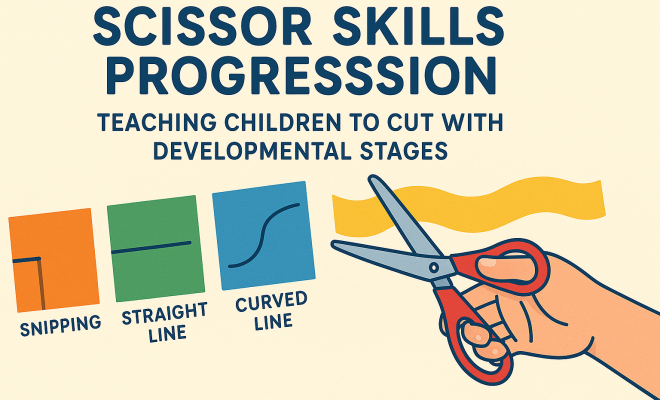
Children’s scissor skills develop in stages, often beginning as early as 2 years old. The stages can be categorized into distinct phases based on age and skill level:
- Stage 1 (Ages 2-3): During this period, children typically begin by holding scissors and making snips in paper. Their movements are exploratory and often lack control.
- Stage 2 (Ages 3-4): At this stage, children can begin to cut straight lines and make longer cuts. They develop better hand coordination.
- Stage 3 (Ages 4-5): Children are now able to cut out simple shapes and curves. They exhibit improved control and precision.
- Stage 4 (Ages 5 and up): By this age, most children can cut complex shapes, follow lines accurately, and perform intricate cutting tasks.
Stage 1: The Exploration Phase
The first stage of scissor skills for children is all about exploration. Children aged 2 to 3 are often curious about how things work, and scissors can be a fascinating tool. At this stage, it’s important to provide safe, age-appropriate scissors, often with rounded tips, to minimize the risk of injury. Activities such as snipping straws or paper can help children practice their grip and hand movements without overwhelming them.
Encouraging play is crucial during this phase. Letting kids explore different materials can spark their interest. Offer them colorful paper or even play dough to cut through. This is also a good time to emphasize safety, teaching them how to use scissors responsibly.
Stage 2: Developing Control
As children progress into the 3 to 4-year age range, they begin to develop more control over their cutting motions. This stage is characterized by the ability to cut straight lines. Activities should now focus on practicing these skills. Simple worksheets with straight lines or even drawing lines for them to cut can be beneficial.
At this point, it’s also essential to encourage proper scissor grip. The thumb should be in the upper hole, and the middle finger should be in the lower hole while the index finger rests on the outside of the scissors for control. Children might struggle at first, but with consistent practice, they will improve significantly.
Stage 3: Cutting Shapes and Curves
By the age of 4 to 5, children are ready to tackle more complex cutting tasks, including shapes and curves. This phase is exciting because it opens the door to creativity. Children can start to cut out shapes from templates or even create their own designs. Crafts, such as making holiday decorations or simple puppets, provide excellent opportunities for applying their skills.
During this stage, introducing scissors with more fine-tuned capabilities can help enhance their skills. Consider using different types of scissors, like those that create zigzag or scalloped edges. This not only makes the activity fun but also challenges them to adapt their techniques. (See: Developmental milestones for children.)
Stage 4: Mastery and Precision
Once children reach the age of 5 and beyond, they usually exhibit a good deal of proficiency with scissors. They are capable of cutting intricate shapes and can follow lines with precision. At this stage, it’s all about encouraging them to refine their skills further.
Challenge them with projects that require more detailed work. Activities such as scrapbooking or creating collages can be enjoyable and beneficial for enhancing their cutting skills. It’s also a great opportunity to introduce concepts of measurement and design, allowing them to learn while they create.
Safety First: Teaching Safe Scissor Use
Safety is a paramount concern when teaching scissor skills for children. It’s crucial to instill a sense of responsibility along with the skill itself. Here are some key points to emphasize:
- Always supervise young children while they are using scissors.
- Teach them to cut away from their body and to keep their fingers out of the cutting path.
- Instruct them to pass scissors to someone with the blades facing downward.
- Encourage them to store scissors in a designated place after use.
Integrating Scissor Skills into Daily Activities
Incorporating scissor skills into daily activities can significantly reinforce what children learn during structured activities. Everyday tasks, such as helping to cut vegetables or paper for crafts, can be effective learning experiences. Not only does this practice build their confidence, but it also provides context for their skills.
Letting them help with small household chores, like cutting coupons or preparing simple snacks, can make them feel involved and boost their self-esteem. Connecting the learning process with enjoyable tasks can motivate them to practice more.
The Role of Technology in Teaching Scissor Skills
As technology becomes an integral part of education, there are various tools available to help teach scissor skills for children. There are apps and online resources that provide interactive cutting activities, which can be beneficial for children reluctant to engage with physical scissors.
However, while technology can enhance learning, it should not completely replace hands-on practice. Combining digital tools with traditional methods ensures that children develop a well-rounded skill set.
Encouraging Creativity and Independence
As children develop their scissor skills, it’s essential to encourage creativity and independence. Allowing them to choose their projects fosters ownership of their learning. Facilitate an environment where they can express their creativity, whether by designing their own crafts or cutting out patterns from magazines.
Encouragement is key. Celebrate their successes, regardless of how small. This positive reinforcement can go a long way in building their confidence and willingness to tackle new challenges.
Common Challenges with Scissor Skills
While many children progress smoothly through the stages of scissor skills, some may encounter challenges along the way. It’s important to recognize these challenges and address them appropriately:
- Difficulty with Grip: Some children may struggle with the proper scissor grip, leading to frustration. Introducing various activities to strengthen their hand muscles can help. Simple exercises like squeezing a stress ball or playing with clay can build strength and improve grip.
- Coordination Issues: Children with coordination difficulties may find it hard to control the scissors. Activities that promote hand-eye coordination, such as throwing and catching balls, can support their development in this area.
- Fear of Using Scissors: Some children may feel anxious about using scissors. Gradual exposure and positive reinforcement can alleviate fears. Start with very simple, non-threatening tasks to build their confidence.
Scissor Skills and Special Needs
For children with special needs, scissor skills can present unique challenges. Tailoring activities to fit their individual requirements is crucial. Here are a few strategies to consider: (See: Learning and developmental disabilities.)
- Adaptive Scissors: There are specially designed scissors that require less strength to operate, which can be beneficial for children with motor difficulties.
- Visual Aids: Using visual cues, like colored lines and shapes, can help guide children in their cutting tasks. Clear markings can reduce frustration and make the learning process more approachable.
- One-on-One Support: Providing focused, individualized attention during cutting activities can greatly enhance a child’s learning experience. This can involve hands-on assistance or verbal encouragement as they practice.
DIY Scissor Skill Activities
Here are some fun and engaging DIY activities to help children practice their scissor skills:
- Paper Chains: Have children cut strips of paper and create colorful paper chains. This activity allows for practice with cutting straight lines and can be a collaborative craft project.
- Treasure Maps: Let children create their own treasure maps, drawing paths and obstacles. They can cut out their maps and even create cutouts of treasures to add to their adventure.
- Shape Sorters: Create various shapes on a piece of paper and have children cut them out. This can be turned into a game by sorting the shapes into corresponding boxes or containers.
- Storytime Cutouts: After reading a story, provide children with images of characters or scenes to cut out. They can then create their own storybook using their cutouts.
Statistics on Scissor Skills Development
Research has shown that fine motor skills, including scissor skills, are critical for children’s overall development. According to a study published by the American Journal of Occupational Therapy, children who engage in activities developing fine motor skills show a noticeable improvement in academic readiness. It’s estimated that about 86% of children who actively participate in cutting and crafting activities demonstrate enhanced coordination compared to those who do not.
Additionally, a survey conducted by a leading educational organization found that 75% of early childhood educators believe that regular practice with scissors significantly boosts children’s self-esteem and independence. These numbers highlight the importance of integrating scissor skill activities into early childhood education.
Expert Perspectives on Scissor Skills
Educators and child development specialists emphasize the importance of scissor skills in early learning. Dr. Emily Morgan, a pediatric occupational therapist, states, “Scissor skills are more than just a fun activity; they are foundational skills that help children with later tasks such as writing and typing.” She encourages parents to create a “cutting corner” at home where children can practice regularly.
Another expert, Melissa Lee, an early childhood educator, suggests that “Making cutting activities a part of everyday life, like during arts and crafts or even meal preparation, can significantly enhance a child’s fine motor development.” Her focus on incorporating scissor skills into various contexts illustrates the versatility and importance of this skill in children’s daily lives.
Frequently Asked Questions about Scissor Skills for Children
At what age should my child start using scissors?
Most children can begin using child-safe scissors around age 2 to 3, but it’s essential to ensure they are ready for this activity. Look for signs of interest and motor skills development before introducing scissors.
What types of scissors are best for beginners?
For younger children, look for rounded-tip safety scissors designed specifically for little hands. As children master basic cutting skills, you can transition to more advanced scissors that allow for different cutting styles.
How can I help my child improve their scissor skills?
Incorporate a variety of cutting activities into playtime. Simple tasks like cutting play dough, snipping up leaves, or creating art projects can greatly improve their skill level. Consistent practice is key to improvement.
What should I do if my child is afraid of using scissors?
Start by allowing your child to explore scissors without cutting anything. Use playdough or soft materials for them to practice snipping. Gradual exposure and encouragement can help ease their fears.
Are scissor skills important for school readiness?
Absolutely! Fine motor skills, including scissor skills, play a crucial role in a child’s readiness for school. They help with writing, drawing, and other skills essential for academic success.
Real-Life Applications of Scissor Skills
While scissor skills are often associated with arts and crafts, their applications extend far beyond that. From preparing food to engaging in everyday tasks, these skills lay a foundation for various important activities:
- Everyday Chores: Children can help with age-appropriate tasks like cutting fruits or vegetables (under supervision) or helping to prepare materials for family projects. Learning to cut safely in the kitchen not only enhances their scissor skills but also teaches them valuable life skills.
- At School: As children begin their formal education, scissor skills are crucial for classroom activities. Whether it’s cutting paper for a project, creating collages, or following along with craft activities, proficient cutting enhances their ability to participate fully in schoolwork.
- Social Interaction: Engaging in group activities that involve cutting, such as crafts with friends or family, can foster social skills. Children learn to share materials, communicate their ideas, and collaborate on projects, which enhances their interpersonal skills.
Grouping Scissor Activities with Other Learning Objectives
Integrating scissor skills with other educational objectives can boost engagement and reinforce learning. Here’s how you can combine cutting with other important developmental areas:
- Literacy: Use storybooks or pictures that children can cut out and create their own stories. This activity promotes reading comprehension while developing fine motor skills.
- Mathematics: Incorporate shapes and measurements into cutting activities. Have children cut out specific shapes and then sort or categorize them, reinforcing both math skills and scissor proficiency.
- Science: Encourage children to cut out images of animals or plants as part of a project about the natural world. This combines scissor skills with learning about ecosystems, biology, and environmental awareness.
Future Implications of Developing Scissor Skills
Developing scissor skills has long-term implications for children that extend past early childhood. The benefits of early fine motor skill development include:
- Improved Academic Performance: Fine motor skills are directly linked to academic success. Children with strong scissor skills are often more adept at writing, drawing, and engaging in other classroom activities.
- Increased Self-Esteem: Mastering new skills boosts children’s confidence. Feeling capable with scissors can translate to a willingness to tackle new challenges in learning and social situations.
- Long-Term Motor Skills Development: The skills learned through cutting can enhance future motor skills needed for tasks like typing, playing musical instruments, or even engaging in sports.
Conclusion: Fostering Scissor Skills for Lifelong Benefits
Scissor skills for children are an essential component of early development that lays the groundwork for various everyday activities. By understanding the progression of these skills and providing appropriate guidance, parents and educators can help children become proficient in cutting, ultimately enhancing their fine motor skills, creativity, and confidence.
As you guide children through the various stages of scissor skills, remember that patience and encouragement are vital. Each child develops at their own pace; the goal is to create a positive experience that fosters growth and learning. Whether through structured activities or daily practice, these skills will serve them well beyond childhood.
“`
Trending Now
- What They Forgot to Include in…
- read the full story
- our breakdown of “why neuroscientists say learning styles theory lacks scientific evidence”
- this guide on “how to teach to different learning preferences without limiting student growth”
- this guide on “how childhood attachment patterns affect adult relationships and mental health”
Frequently Asked Questions
What are the developmental stages of scissor skills in children?
Children's scissor skills develop in stages, starting around age 2. Stage 1 (ages 2-3) involves exploratory snipping. Stage 2 (ages 3-4) includes cutting straight lines. Stage 3 (ages 4-5) allows for cutting simple shapes, while Stage 4 (ages 5 and up) enables children to cut complex shapes with improved control and precision.
Why are scissor skills important for children?
Scissor skills are crucial for early childhood development as they enhance fine motor skills, hand-eye coordination, and confidence. These skills not only aid in cutting but also prepare children for future tasks like writing, drawing, and self-care activities, fostering a sense of achievement.
At what age should children start using scissors?
Children typically begin using scissors around age 2. At this age, they explore the tool by making snips in paper. It's important to provide age-appropriate scissors with rounded tips to ensure safety as they develop their scissor skills.
How can I help my child develop scissor skills?
To help your child develop scissor skills, provide safe, age-appropriate scissors and engage them in fun cutting activities. Start with simple tasks like snipping paper, then progress to cutting straight lines and shapes as their skills improve, ensuring a supportive and encouraging environment.
What should I look for in child-safe scissors?
When selecting child-safe scissors, look for features such as rounded tips, ergonomic handles for small hands, and lightweight design. Ensure they are designed specifically for children's use, which helps minimize the risk of injury while allowing them to explore and develop their cutting skills.
What did we miss? Let us know in the comments and join the conversation.