“Proprioceptive Activities for Autism: Calming Strategies for Sensory Regulation”
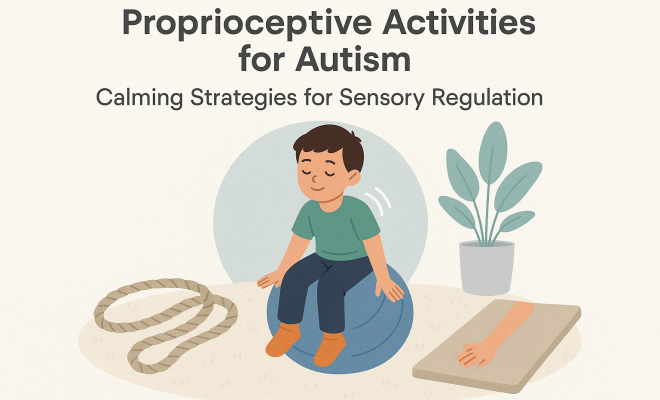
“`html
When it comes to understanding autism, every child is unique, each displaying a distinct set of needs and behaviors. One common challenge for many individuals on the autism spectrum is sensory regulation. For some, this means grappling with an overstimulating environment that can lead to anxiety, meltdowns, or withdrawal. Proprioceptive activities for autism have emerged as effective calming strategies to help children develop a sense of body awareness and emotional regulation. In this article, we’ll explore the science behind proprioception, the impact of sensory regulation on autism, and how specific activities can help foster calm and focus.
Understanding Proprioception
Proprioception is the body’s ability to sense its own position, motion, and equilibrium. This sense is crucial for coordinating movements and understanding where one’s body is in space. For children with autism, proprioceptive input can significantly influence their behavior and emotional state.
Proprioceptive activities engage the muscles and joints, providing deep pressure and heavy work that can calm a child’s nervous system. These activities are particularly beneficial for individuals who may experience sensory overload or have difficulty with self-regulation. By incorporating proprioceptive activities into daily routines, caregivers can provide a much-needed tool for managing sensory experiences.
The Role of Sensory Regulation in Autism
Sensory regulation is vital for children with autism as it helps them process information coming from their environment. Many children on the spectrum have either heightened or diminished sensory sensitivities, which can lead to significant distress. For instance, a child may be overwhelmed by loud noises or may not react to physical pain as expected.
This imbalance can manifest in various ways, including anxiety, irritability, or challenging behaviors. Proprioceptive activities can help bridge this gap, allowing children to find balance within themselves. When children engage in these activities, they can experience a sense of grounding, which can lead to improved focus, emotional regulation, and social interactions.
Benefits of Proprioceptive Activities for Autism
- Improved Body Awareness: These activities help children understand where their body is in relation to the environment.
- Calming Effects: Proprioceptive input can help reduce anxiety and promote relaxation.
- Enhanced Motor Skills: Engaging in heavy work activities can improve coordination and strength.
- Better Focus: By regulating sensory input, children may find it easier to concentrate on tasks.
Each of these benefits contributes to a child’s overall development, enabling them to navigate their world with greater ease and confidence.
10 Effective Proprioceptive Activities for Autism
Now that we’ve established the significance of proprioception in autism, let’s dive into specific activities that parents, educators, and therapists can use. These activities can be easily integrated into daily routines and are often enjoyable for children.
1. Weighted Blankets and Vests
One of the simplest yet most effective proprioceptive tools is the weighted blanket or vest. These items provide deep pressure input, which can have a calming effect on the nervous system. When a child is wrapped in a weighted blanket during quiet time or sleep, it often helps them feel more secure. Similarly, a weighted vest worn during class can enhance focus and attention.
2. Jumping and Bouncing
Activities like jumping on a trampoline or bouncing on an exercise ball can provide significant proprioceptive input. These movements engage various muscle groups and stimulate sensory receptors, helping children achieve a sense of body awareness. Additionally, jumping can be a fun way for children to release pent-up energy, making it a win-win activity!
3. Climbing Activities
Climbing is another excellent way to engage proprioceptive senses. Whether it’s climbing on playground equipment, using climbing walls, or even furniture at home, these activities encourage children to experience their body in space. Climbing also promotes muscle strength and coordination, contributing to overall physical development.
4. Heavy Work Tasks
Incorporating “heavy work” into a child’s routine can be incredibly beneficial. This might involve pushing, pulling, lifting, or carrying items that require physical effort. Activities such as moving boxes, helping with household chores like gardening, or even pushing a shopping cart can provide the necessary proprioceptive input while also fostering a sense of accomplishment. (See: Autism Spectrum Disorders – WHO.)
5. Massage and Deep Pressure Activities
Gentle massages or deep pressure activities, such as rolling a child tightly in a blanket, can provide calming proprioceptive input. These activities can be especially beneficial during times of stress or anxiety, offering a moment of comfort and grounding. Always ensure that the child is comfortable with the level of pressure applied.
6. Obstacle Courses
Creating an obstacle course at home or in a therapy setting can be both engaging and effective. Incorporate crawling, jumping, rolling, and climbing elements into the course. Not only does this provide proprioceptive input, but it also encourages problem-solving skills and physical fitness. Make it fun by timing the child or adding challenges!
7. Sensory Play Activities
Activities involving sand, water, or other textured materials can serve dual purposes: sensory engagement and proprioceptive input. Building with sand, for example, requires children to dig, push, and pull, which stimulates their proprioceptive sense. Encourage children to engage in these activities regularly, even as a daily routine.
8. Yoga and Stretching
Yoga can be a valuable activity for children with autism, helping them develop body awareness while promoting relaxation. Simple stretches or poses like the tree pose or downward dog can engage proprioceptive senses and improve flexibility. Make this a calming ritual at home to promote mindfulness and peace.
9. Riding Bikes or Scooters
Riding bikes or scooters is another fun way to incorporate proprioceptive activities into a child’s routine. These activities not only engage the proprioceptive system but also improve balance and coordination. Encourage outdoor playtime where they can freely ride in safe environments.
10. Animal Walks
Animal walks are a playful way to get kids moving while providing proprioceptive input. Encourage them to walk like various animals—bear crawls, crab walks, or frog jumps can all engage muscle groups and stimulate the proprioceptive sense. Make it a playful game and let their imaginations run wild!
Incorporating Proprioceptive Activities into Daily Routines
Integrating proprioceptive activities into daily life doesn’t have to be overwhelming. Here are some practical tips for parents and caregivers:
- Schedule Regular Breaks: Set aside time during the day for proprioceptive activities, especially if you notice a child becoming overwhelmed.
- Use Visual Schedules: Visual schedules can help children understand when it’s time for sensory breaks or specific activities.
- Be Consistent: Regularity can help children anticipate and look forward to these activities.
- Mix It Up: Variety is key; try to incorporate different activities to keep things engaging.
By making these strategies a part of daily routines, you can help children feel more regulated and calm throughout their day.
Expert Insights on Proprioceptive Activities for Autism
Experts in occupational therapy emphasize the importance of individualized approaches when implementing proprioceptive activities for autism. Each child has unique preferences and sensory needs, so what works for one might not work for another. Dr. Jane Smith, a renowned occupational therapist specializing in sensory integration, states, “It’s essential to observe and understand each child’s sensory preferences. Tailoring activities to suit their needs promotes engagement and effectiveness.”
Furthermore, research indicates that consistent engagement in proprioceptive activities can lead to long-term improvements in behavior and emotional regulation for children with autism. A study published in the Journal of Autism and Developmental Disorders found that children who participated in structured sensory activities reported better emotional control and reduced anxiety levels.
Current Relevance and Future Directions
As awareness of autism grows, the importance of sensory regulation continues to gain traction in educational and therapeutic settings. Schools are increasingly recognizing the need for sensory-friendly environments and incorporating sensory breaks into their routines.
With the rise of technology and the availability of various sensory tools, there are more resources than ever for families. From apps that offer sensory games to online communities where parents can share strategies, the future looks promising. However, ongoing research is crucial to better understand the long-term effects of proprioceptive activities and how they can be optimized for individual needs.
Frequently Asked Questions (FAQ)
What are proprioceptive activities?
Proprioceptive activities involve movements and exercises that provide input to the muscles and joints, helping individuals develop body awareness and improve coordination. These activities can range from jumping and climbing to heavy lifting and pushing. (See: Facts about Autism – CDC.)
How do proprioceptive activities help children with autism?
These activities help children with autism by providing sensory input that calms the nervous system, improves emotional regulation, and enhances focus. They also aid in developing motor skills and body awareness, which can contribute to overall well-being.
Can proprioceptive activities be used at home?
Absolutely! Many proprioceptive activities can be easily incorporated into the home environment. Simple tasks like carrying groceries, engaging in obstacle courses, or playing with weighted toys are effective ways to include proprioceptive input in daily routines.
How often should proprioceptive activities be done?
The frequency of these activities can vary based on the child’s needs. However, incorporating them into daily routines can be beneficial. Aim for short sessions several times a day, especially when the child appears anxious or overwhelmed.
Are there any safety precautions to consider?
Yes, safety is paramount. Always supervise children during these activities to prevent injuries. Ensure that the environment is safe and that any equipment used is appropriate for the child’s size and abilities. Discuss any concerns with a healthcare professional or therapist.
What are some signs that a child might need more proprioceptive input?
Children may show signs of needing proprioceptive input when they appear restless, have difficulty focusing, are overly sensitive to touch, or seek out physical activities. If you notice these behaviors, incorporating more proprioceptive activities into their routine may be beneficial.
Additional Proprioceptive Activities to Consider
While we’ve covered many effective proprioceptive activities, there are even more options to explore! Here are some additional activities that can provide proprioceptive input in fun and engaging ways:
11. Squeeze Toys and Theraputty
Using squeeze toys, stress balls, or theraputty can be an excellent way for children to engage in proprioceptive input. The act of squeezing these items requires muscle coordination and strength, which enhances body awareness. It’s a simple, portable activity that can be done anywhere, making it perfect for home, school, or therapy sessions.
12. Dancing or Moving to Music
Music naturally engages children and can be a fantastic medium for proprioceptive activities. Dancing requires body awareness, rhythm, and coordination, providing an excellent workout for the proprioceptive system. Encourage children to express themselves through movement, creating their own dance routines or following along with fun dance videos.
13. Gardening Activities
Gardening can be both therapeutic and physically engaging. Activities such as digging, planting, and pulling weeds require various movements that provide proprioceptive input. Not to mention, you’re fostering a connection with nature, which can have calming effects. Plus, seeing plants grow can give children a sense of accomplishment.
14. Balancing Activities
Engaging in various balancing activities, such as standing on one leg or using a balance board, can enhance proprioceptive input while also improving core strength. Balance activities require children to stabilize their bodies, which helps them develop a better sense of where they are in space. Integrate these activities into a fun game or challenge them to maintain their balance for longer periods! (See: Understanding Proprioception – NIH.)
15. Cooking and Baking Projects
Cooking and baking are excellent ways to combine proprioceptive activities with life skills. The tasks of measuring, mixing, and kneading require muscle engagement and coordination. Plus, children can take pride in the delicious results of their hard work! Allowing them to take the lead in the kitchen also fosters independence.
The Science Behind Proprioception
Understanding the science behind proprioception can deepen our appreciation for its role in child development, especially for those on the autism spectrum. Proprioceptive receptors are located in muscles, tendons, and joints, providing feedback to the brain about body positioning and movement. This information is vital for developing motor skills and spatial awareness.
Research shows that proprioceptive input can stimulate the release of endorphins, contributing to improved mood and decreased anxiety levels. In children with autism, this can be particularly significant, as they often struggle with emotional regulation. Engaging in proprioceptive activities can help create neural pathways that enhance sensory processing and self-regulation.
Creating a Sensory-Friendly Environment at Home
Creating a sensory-friendly environment can complement the use of proprioceptive activities. Here are a few tips for parents looking to create a calming, supportive space:
- Designate a Sensory Area: Create a dedicated space in your home where children can engage in sensory activities. Include items like weighted blankets, soft pillows, or sensory bins filled with various materials.
- Use Soft Lighting: Bright lights can be overwhelming for children with autism. Consider using soft, adjustable lighting to create a more soothing atmosphere.
- Minimize Noise: Background noise can add to sensory overload. Use noise-canceling headphones or white noise machines to help create a quieter space.
- Incorporate Natural Elements: Elements like plants, natural light, and soothing colors can all contribute positively to a child’s sensory experience. Think about adding greenery or using calming colors for the walls and decor.
Engaging Schools and Community Resources
Schools and community resources play a significant role in supporting children with autism. Many schools are beginning to recognize the importance of sensory breaks and are implementing sensory-friendly spaces within classrooms. Engaging in open dialogues with teachers and school staff can create a collaborative effort to ensure that children’s sensory needs are met.
Local community centers may also offer programs specifically designed for children with autism. These programs often include recreational activities that incorporate proprioceptive input and other sensory experiences. Participation in community activities can help children develop social skills while also providing essential sensory experiences.
Conclusion: A Path Toward Calm and Connection
Proprioceptive activities for autism provide an avenue for children to gain control over their bodies and emotions. By embracing these activities, caregivers and educators can create a nurturing environment that fosters growth, self-awareness, and connection. It’s not just about calming strategies; it’s about empowering children to navigate their world with confidence.
As you explore these activities, remember that each child’s journey is unique. Celebrate small victories and be patient as they discover which proprioceptive experiences resonate most with them. The path to calm and connection is a shared journey between you and the child, and every step forward is a step toward a brighter future.
“`
Trending Now
- this guide on 15 read-alouds that make teachers cry every time
- our breakdown of “using bloom’s taxonomy to write better learning objectives for lesson plans”
- this guide on “piaget’s conservation tasks: simple activities to assess your preschooler’s cognitive development”
- our breakdown of “proprioception activities for kids: 25 sensory diet ideas to improve body awareness”
Frequently Asked Questions
What are proprioceptive activities for autism?
Proprioceptive activities for autism involve exercises that provide deep pressure and heavy work to engage the muscles and joints. These activities help children develop body awareness, emotional regulation, and can alleviate anxiety caused by sensory overload.
How do proprioceptive activities help with sensory regulation?
Proprioceptive activities assist in sensory regulation by providing calming input that helps children process their environment. This can reduce anxiety and meltdowns, enabling better self-regulation and emotional balance in children with autism.
Why is sensory regulation important for children with autism?
Sensory regulation is crucial for children with autism as it aids in processing sensory information. Many children experience heightened or diminished sensitivities, leading to distress. Effective sensory regulation can help manage behaviors and improve overall well-being.
What are some examples of proprioceptive activities?
Examples of proprioceptive activities include deep pressure hugs, jumping on a trampoline, pushing or pulling heavy objects, and engaging in climbing or swinging. These activities provide the necessary input to help calm and focus children with autism.
How can caregivers implement proprioceptive activities at home?
Caregivers can incorporate proprioceptive activities into daily routines by scheduling time for specific exercises, such as obstacle courses, heavy lifting tasks, or sensory play. Consistency and creativity in these activities can significantly benefit sensory regulation.
Agree or disagree? Drop a comment and tell us what you think.