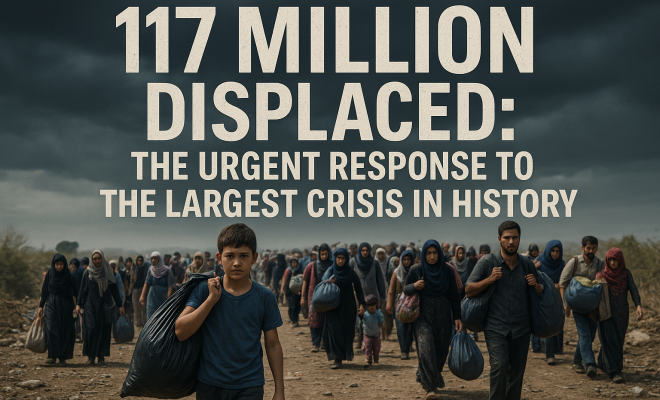
117 Million Displaced: The Urgent Response to the Largest Crisis in History
“`html
The statistics are staggering: over 117 million people are now forcibly displaced worldwide, according to the United Nations. This situation is being framed as the largest displacement crisis in modern history, a title that carries with it immense humanitarian urgency. As World Refugee Day approaches, discussions surrounding this crisis have intensified, drawing attention to the plight of millions and the efforts of various aid organizations grappling with this overwhelming challenge.
The Scale of the Crisis
The numbers behind the displacement crisis are not just statistics; they represent real lives caught in the crossfire of violence, persecution, and natural disasters. Conflicts in regions like Syria, Afghanistan, and parts of Sub-Saharan Africa have forced entire communities to flee their homes. The United Nations High Commissioner for Refugees (UNHCR) reports that every day, more than 37,000 people are displaced. This figure is alarming, especially when you consider the long-term implications of such widespread displacement.
In many cases, displaced individuals find themselves in makeshift camps, struggling with inadequate shelter, food shortages, and limited access to healthcare. The refugee experience is not just about survival; it’s about the loss of identity, community, and dignity. For many, returning home is not an option, forcing them to carve out a new existence in foreign lands amidst uncertainty.
World Refugee Day: A Catalyst for Awareness
World Refugee Day, observed annually on June 20, serves as a powerful reminder of the ongoing struggles faced by millions of displaced individuals. The day aims to honor the resilience of refugees and raise awareness about their plight. Kerri Murray, president of ShelterBox USA, emphasizes the importance of this day as a call to action. “It’s a time for reflection and a chance to shine a light on those who have been forced to flee their homes,” she explains in a recent interview.
The significance of World Refugee Day goes beyond mere commemoration; it seeks to galvanize support for humanitarian efforts. Organizations like ShelterBox USA play a crucial role in providing immediate relief by offering essentials such as tents, blankets, and cooking equipment. However, as Kerri Murray notes, the scale of the current displacement crisis challenges even the most dedicated aid groups.
Understanding the Root Causes
To address the displacement crisis, it’s vital to understand the root causes driving people from their homes. Conflict remains the primary driver, with wars and civil strife displacing countless individuals. The Syrian civil war, which began in 2011, is one of the most noteworthy examples. As millions fled the violence, neighboring countries like Turkey and Lebanon became host to the largest refugee populations.
In addition to armed conflict, climate change has emerged as a significant factor contributing to displacement. Extreme weather events, such as floods and droughts, are becoming more frequent and severe due to changing climate patterns. Countries in the Global South are particularly vulnerable, necessitating urgent international attention and action to address these climate-related displacements.
The Role of Aid Organizations
As the displacement crisis escalates, aid organizations scramble to respond. Groups like ShelterBox USA provide critical support, yet their efforts can often seem like just a drop in the ocean compared to the need. Murray highlights that while their mission is to deliver immediate assistance, they also aim to create long-term solutions that empower displaced individuals.
One innovative approach involves providing shelter and resources that allow families to rebuild their lives and regain a sense of stability. Murray states, “We don’t just want to give aid; we want to help people on their journey to recovery.” This mindset is essential, as it transitions aid from merely reactive to proactive, addressing both immediate needs and future sustainability.
Global Attention and Support
Despite the overwhelming scale of the displacement crisis, global attention remains inconsistent. High-profile conflicts often dominate news cycles, while other regions suffer in silence. For instance, the ongoing humanitarian crisis in Ethiopia’s Tigray region has led to an influx of displaced individuals, yet it barely receives the same media spotlight as the Syrian civil war. (See: WHO fact sheet on refugees and migrants.)
It’s crucial for the international community to broaden its focus and recognize all regions struggling with displacement. Social media campaigns, awareness programs, and collaborations with influencers can play a significant role in amplifying lesser-known crises. The more people understand the breadth of the issue, the more likely they are to offer their support, whether through donations, volunteering, or advocating for policy changes.
The Power of Advocacy
Advocacy is another vital component of addressing the displacement crisis. Organizations like ShelterBox USA not only provide aid but also work to influence policy decisions that affect refugees and displaced persons. This includes advocating for safe passage, ensuring that refugees receive fair treatment, and pushing for international cooperation in managing the crisis.
In her interview, Kerri Murray emphasizes that advocacy is not just for organizations but for individuals as well. Each person can contribute, whether it’s by contacting local representatives, spreading awareness on social media, or educating themselves and others about the complexities of the refugee experience.
Building Resilience Among Displaced Individuals
To foster resilience among displaced populations, aid organizations are shifting their focus from purely humanitarian aid to empowerment strategies. This means investing in education, job training, and mental health resources for refugees. Many organizations recognize that helping individuals regain a sense of agency is crucial to overcoming the trauma associated with displacement.
For instance, programs that provide vocational training equip displaced individuals with skills that can lead to employment opportunities, helping them integrate into host communities. Meanwhile, mental health support can address the psychological impacts of displacement, enabling individuals to process their experiences and work toward healing.
The Importance of Community and Belonging
Community plays a vital role in helping displaced individuals rebuild their lives. Many aid organizations are focusing on creating spaces where refugees can connect and share experiences. These communal environments not only provide emotional support but also foster a sense of belonging, which is often lost during displacement.
Organizations like ShelterBox USA encourage community building by facilitating group activities and workshops. By bringing together displaced individuals, these programs help to foster connections that can lead to mutual aid and support networks. The importance of building relationships cannot be underestimated, as they often become the backbone of a displaced person’s new life.
The Path Forward: Collaboration and Innovation
As the displacement crisis continues to unfold, innovation and collaboration between governments, NGOs, and local communities become paramount. With the situation evolving rapidly, traditional responses must adapt. New technologies, such as mobile apps that connect aid with those in need, can streamline distribution and improve access to resources.
Moreover, collaborative efforts that bring together various stakeholders can ensure a more comprehensive response. By pooling resources and expertise, communities can develop sustainable strategies to support displaced individuals effectively. Kerri Murray believes that collaboration is key to addressing the complexities of the crisis, stating, “The more people and organizations work together, the greater impact we can have.”
Case Studies of Successful Interventions
Looking at successful interventions can provide valuable insights into how to address the displacement crisis. One notable example comes from the city of Jordan, where the government and various NGOs launched the “Jordan Compact.” This initiative allowed Syrian refugees to work legally in specific sectors, providing them with income and reducing their reliance on aid. The project also benefited the local economy, highlighting how inclusive policies can foster collaboration between displaced populations and host communities. (See: BBC coverage of global refugee issues.)
In addition, the “Refugee Employment Network” in Canada has successfully connected thousands of refugees with job opportunities, helping them integrate into society and regain a sense of normalcy. By working with local businesses, this program ensures that refugees have access to meaningful employment, which is fundamental for their long-term stability.
Statistics and Trends in Displacement
Understanding the statistics and trends surrounding the displacement crisis is crucial for grasping the scale of this issue. According to the UNHCR, as of 2023, the number of forcibly displaced people has surpassed 117 million, which includes approximately 26 million refugees, over 53 million internally displaced persons, and about 4.6 million asylum seekers. These figures are indicative of broader global trends, including rising conflict and climate-related disasters.
Interestingly, the demographic trends show that a significant proportion of displaced individuals are women and children, with women making up about half of the global refugee population. This demographic detail is critical, as it underscores the need for targeted interventions that address gender-specific vulnerabilities and provide support tailored to women’s unique experiences during displacement.
The Impact of COVID-19 on the Displacement Crisis
The COVID-19 pandemic has further complicated the already dire situation of displaced individuals. Health care facilities in host countries, which are often strained under normal circumstances, faced overwhelming pressure during the pandemic. Access to essential services became even more limited for refugees and displaced persons, resulting in increased vulnerability.
Moreover, lockdown measures and restrictions on movement disrupted humanitarian aid distribution. This has led to food insecurity and heightened levels of anxiety among displaced populations. A report from the World Food Programme indicated that food insecurity among refugees has doubled due to the pandemic, emphasizing the urgent need for targeted interventions to address this crisis within a crisis.
Regional Focus: The Middle East and North Africa
The Middle East and North Africa (MENA) region remains a focal point in the displacement crisis. Countries like Syria, Iraq, and Yemen have experienced prolonged conflicts that have led to significant displacement both internally and externally. The UNHCR notes that in Syria alone, over 6.8 million people have been displaced since the start of the civil war.
Neighboring countries, particularly Turkey, Lebanon, and Jordan, have borne the brunt of this influx. Turkey hosts the largest number of Syrian refugees, with estimates exceeding 3.7 million. While these countries have demonstrated remarkable hospitality, the sustained influx of refugees has placed immense pressure on local resources, infrastructure, and public services. The international community must support these host nations through financial aid and development assistance, ensuring that they can continue to provide for both refugees and local populations.
Frequently Asked Questions (FAQ)
What is the primary cause of the displacement crisis?
The primary causes of the displacement crisis include armed conflict, persecution, and natural disasters, exacerbated by factors such as climate change and political instability.
How can individuals help address the displacement crisis?
Individuals can help by donating to reputable organizations, volunteering their time, advocating for policy changes, and raising awareness in their communities about the plight of displaced persons.
What are the challenges faced by displaced individuals in host countries?
Displaced individuals often face numerous challenges, including legal barriers to employment, access to healthcare, language barriers, and social stigma. These challenges can hinder their ability to integrate and rebuild their lives.
What role do governments play in addressing the displacement crisis?
Governments play a crucial role by establishing policies that protect refugees, providing funding for humanitarian aid, and fostering integration programs that support displaced individuals in host communities.
How does climate change affect displacement?
Climate change leads to more frequent and severe weather events, such as floods and droughts, which can displace populations and exacerbate existing vulnerabilities in already fragile regions.
What is the impact of the displacement crisis on host communities?
The impact can be significant, as host communities may experience increased pressure on public services, housing, and employment. However, with proper support and integration strategies, displaced individuals can contribute positively to local economies.
What are some ways that technology is being used to support displaced individuals?
Technology is being leveraged in various ways, including mobile applications that provide information on available services, online educational platforms for skill development, and digital payment systems that facilitate aid distribution. These innovations can significantly improve the lives of displaced individuals by enhancing access to essential resources.
Conclusion: A Call to Action
The displacement crisis is a pressing global issue that demands urgent attention and action. As World Refugee Day approaches, it serves as a reminder that the plight of displaced individuals is not just a distant tragedy; it’s a human crisis affecting millions. The numbers are shocking, but behind each statistic lies a story of resilience, hope, and the unyielding human spirit.
As individuals, we can all play a part in alleviating this crisis. Whether through advocacy, donations, or simply spreading awareness, our collective efforts can lead to meaningful change. The journey toward addressing the displacement crisis may be long, but with compassion and determination, we can work together to build a future where no one is forced to flee their home.
“`
Trending Now
- 15 Read-Alouds That Make Teachers Cry…
- “Using Bloom’s Taxonomy to Write Better…
- our breakdown of “bloom’s taxonomy for parents: how to ask questions that deepen your child’s learning at home”
- this guide on “piaget’s conservation tasks: simple activities to assess your preschooler’s cognitive development”
Frequently Asked Questions
What is the current number of displaced people worldwide?
According to the United Nations, over 117 million people are currently forcibly displaced around the world. This alarming statistic highlights the severity of the largest displacement crisis in modern history.
What causes the displacement crisis?
The displacement crisis is primarily driven by violence, persecution, and natural disasters. Regions such as Syria, Afghanistan, and parts of Sub-Saharan Africa have seen significant numbers of people fleeing their homes due to ongoing conflicts.
What is World Refugee Day and why is it important?
World Refugee Day, observed on June 20, is a significant event that raises awareness about the struggles faced by displaced individuals. It honors their resilience and serves as a call to action for global support and solidarity.
How many people are displaced each day?
The United Nations High Commissioner for Refugees (UNHCR) reports that more than 37,000 people are displaced every day. This staggering figure underscores the urgent need for humanitarian assistance and solutions for the displaced.
What challenges do displaced individuals face?
Displaced individuals often struggle with inadequate shelter, food shortages, and limited access to healthcare. Their experiences extend beyond survival, as they grapple with the loss of identity, community, and dignity while trying to rebuild their lives in unfamiliar environments.
Agree or disagree? Drop a comment and tell us what you think.