Gaza’s Humanitarian Crisis Deepens: OCHA Report 2026
“`html
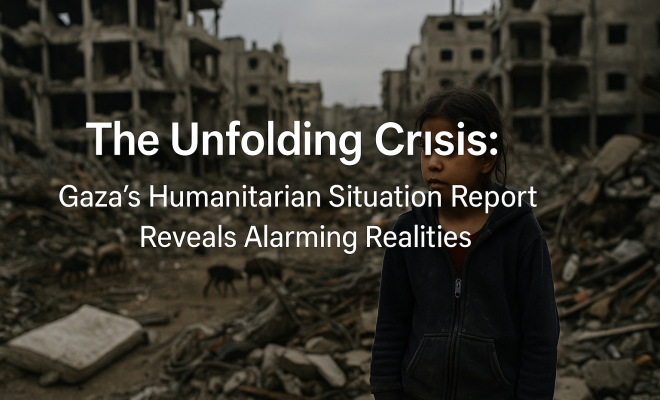
The humanitarian situation report dated June 19, 2026, from the United Nations Office for the Coordination of Humanitarian Affairs (OCHA) highlights a dire crisis in Gaza. Families are facing escalating insecurity, prolonged displacement, and an alarming lack of access to essential services. As the situation deteriorates, the report underscores the urgency for immediate action and support to alleviate the suffering of those affected.
The Current State of Gaza
Gaza has long been embroiled in conflict, but the humanitarian situation has worsened dramatically in recent months. According to OCHA, over 500 endoscopic and surgical procedures are at risk of suspension unless new high-level disinfectant supplies urgently enter the territory. This dire situation reflects a broader trend of increasing health service strain, exacerbated by ongoing violence and instability.
As of June 2026, the report indicates that the ongoing hostilities have left civilians, aid workers, and critical infrastructure vulnerable to airstrikes, shelling, and gunfire. The need for urgent humanitarian assistance has never been more pressing, as civilians struggle to maintain their basic needs amid escalating violence.
The Impact on Healthcare Services
Healthcare in Gaza has reached a critical tipping point. The report notes that the healthcare system is experiencing severe supply gaps, hindering its ability to provide essential services. With the potential suspension of hundreds of surgical procedures, the implications for public health could be catastrophic.
Critical supplies, such as high-level disinfectants, are needed not only to perform surgeries but also to maintain sanitary conditions within medical facilities. The inability to secure these supplies threatens the very lives of those who rely on the healthcare system for survival.
Additionally, healthcare professionals are leaving the region in droves, drawn away by better opportunities abroad. This brain drain exacerbates the already dire situation, as fewer qualified individuals are available to care for an increasing number of patients. International Medical Corps reported a decline in healthcare workers by nearly 30% in the past two years, further stressing the system.
Displacement and Insecurity
Prolonged displacement is a significant issue for many families in Gaza. Displacement often leaves people without adequate shelter, food, or access to essential services, further compounding their suffering. Over the years, thousands of families have found themselves uprooted from their homes, living in makeshift shelters or overcrowded conditions.
Insecurity exacerbates these problems. As airstrikes and gunfire persist, many families live in a state of constant fear. The psychological toll on children and adults alike cannot be overstated; the ongoing violence creates an environment filled with anxiety and hopelessness.
Statistics show that approximately 1.5 million people in Gaza are currently displaced, representing a staggering 75% of the population. Many of these individuals have been forced to flee multiple times, often returning to find their homes destroyed. With every cycle of violence, the likelihood of permanent displacement increases, which is devastating for community cohesion and individual well-being.
Humanitarian Response and Challenges
The international community has made attempts to respond to the humanitarian crisis in Gaza, focusing on providing aid and support to those in need. However, challenges abound. Access to affected areas is often limited due to ongoing conflict, creating significant barriers for humanitarian workers.
Moreover, the funding required to address the crisis effectively is often insufficient. As highlighted in the report, many aid organizations are struggling to meet the growing demands of the population. Without an adequate response, the humanitarian situation is likely to worsen further.
An example of this struggle can be seen in the recent fundraising efforts by various NGOs, which reported a shortfall of 60% in meeting their operational budgets. This gap leads to prioritizing only the most urgent needs, creating a backlog of unmet essential services, from education to food security. (See: WHO on Gaza healthcare crisis.)
The Role of Aid Workers
Aid workers on the ground are facing increasingly dangerous conditions as they strive to deliver much-needed assistance. The OCHA report indicates that these individuals are exposed to the same risks as civilians, including airstrikes and shelling. Their dedication to helping others under such perilous circumstances is both commendable and concerning.
Despite the risks, aid workers continue to play a crucial role in providing essential services and support to the population. They coordinate efforts to distribute food, provide medical assistance, and ensure that those in desperate need receive aid. However, the dangers they face underscore the urgent need for enhanced security measures to protect both aid workers and civilians.
In 2025 alone, over 50 aid workers were killed while delivering assistance in conflict areas in Gaza. This reality creates a chilling effect on the willingness of new aid workers to enter the field, further hampering efforts to provide necessary support.
The International Community’s Responsibility
The report urges the international community to take decisive action to address the humanitarian crisis in Gaza. With the situation deteriorating, countries and organizations must prioritize providing aid and support to those affected by the conflict.
Governments and humanitarian organizations need to work together to ensure that essential supplies reach those in need. This includes advocating for the unimpeded delivery of humanitarian assistance and supporting programs aimed at rebuilding Gaza’s infrastructure and health services.
Additionally, international pressure must be applied to all parties involved in the conflict to respect humanitarian laws and protect civilians. Organizations like Human Rights Watch and Amnesty International continue to document violations, urging global leaders to hold offenders accountable.
Future Considerations
Looking ahead, the challenges facing Gaza will require innovative solutions and sustained international attention. As the humanitarian situation report highlights, the need for medical supplies, secure living conditions, and adequate access to services will remain critical in the coming months.
Efforts to stabilize the region must put the needs of civilians at the forefront. This includes not only addressing immediate humanitarian needs but also working towards long-term solutions that foster peace and stability in Gaza. Comprehensive approaches will be essential in addressing the root causes of the conflict and the humanitarian crisis.
Investments in education and vocational training for youth could provide a pathway to a more stable future. According to UNRWA, over 70% of Gaza’s population is under 30, and equipping them with skills could serve as a foundation for rebuilding the community and economy.
The Human Cost of Conflict
At the heart of this humanitarian situation report are the stories of ordinary people grappling with extraordinary circumstances. Families are torn apart, lives are lost, and hopes are dashed in the face of ongoing violence. The human cost of conflict is staggering, and it serves as a stark reminder of the importance of prioritizing humanitarian considerations in all discussions surrounding Gaza.
As we reflect on the contents of the report, it’s imperative to remember that behind the statistics are individuals and families whose lives have been irrevocably changed. The urgency for action cannot be overstated; the world must not turn a blind eye to the suffering of those in Gaza.
Call to Action
In light of the humanitarian situation report’s alarming findings, it is crucial for individuals and organizations alike to take action. Whether through raising awareness, donating to reputable humanitarian organizations, or advocating for policy changes, every effort counts in alleviating the suffering in Gaza.
As we engage with this pressing issue, let us remember that our collective voices can make a difference. The people of Gaza need our support now more than ever. By coming together to advocate for humanitarian assistance and a peaceful resolution to the conflict, we can help bring hope to those who find themselves in the midst of this crisis.
Frequently Asked Questions (FAQ)
What is the current humanitarian situation in Gaza?
The humanitarian situation in Gaza is critical, marked by ongoing violence, displacement, and a severe lack of access to essential services such as healthcare, food, and clean water. Many families struggle to meet basic needs amid continuous conflict.
What are the main challenges facing humanitarian aid efforts in Gaza?
Challenges include restricted access for aid workers, insufficient funding, and ongoing violence that threatens the safety of both civilians and humanitarian personnel. Supply shortages, particularly in healthcare, are also a significant concern.
How can individuals help improve the situation in Gaza?
Individuals can help by donating to reputable humanitarian organizations, raising awareness about the crisis, and advocating for policy changes that promote humanitarian aid and support. Every effort contributes to alleviating the suffering of those affected.
What is being done to address the healthcare crisis in Gaza?
Various organizations are working to provide medical supplies and support to healthcare facilities in Gaza. However, the ongoing violence and funding shortages complicate these efforts. Long-term investments in healthcare infrastructure are essential for lasting improvements.
What role do international organizations play in Gaza’s humanitarian response?
International organizations like the UN and various NGOs provide essential support by delivering aid, advocating for humanitarian rights, and coordinating efforts to rebuild the infrastructure. Their presence is crucial for addressing the humanitarian crisis and ensuring that resources reach those in need.
What does the future hold for Gaza amidst this ongoing crisis?
The future remains uncertain, but sustainable solutions focusing on peace-building, infrastructure development, and community resilience are vital. Engaging the youth and investing in education can foster hope and stability in the long run.
The Economic Impact of the Humanitarian Crisis
The humanitarian situation in Gaza is not just a matter of immediate physical needs; it’s also severely affecting the economy. With businesses shuttered and unemployment soaring, the economic landscape is bleak. According to the World Bank, the unemployment rate in Gaza has reached an alarming 50%, driven by the ongoing conflict, blockades, and restrictions on movement.
This economic instability has led to increased dependency on humanitarian aid, creating a cycle that is difficult to break. Families that once managed to sustain themselves are now relying on food aid, cash assistance, and other forms of support to survive.
The blockade has also stifled economic growth. Industries in Gaza struggle to import raw materials and export finished products, leading to a loss of income and jobs. An estimated 80% of the population relies on some form of aid, making them vulnerable to any disruption in assistance.
Rebuilding the economy in Gaza will require significant investment and a shift in policy. International donors and financial institutions must recognize the need for long-term economic strategies that promote self-sufficiency rather than dependency.
The Psychological Toll of the Conflict
The ongoing violence and instability have not only physical repercussions but also profound psychological impacts. A UNICEF report estimates that around 1.5 million children in Gaza are experiencing symptoms of trauma and stress related to the conflict. This includes anxiety, depression, and post-traumatic stress disorder (PTSD).
Schools, which should be safe spaces for learning and growth, often double as shelters during times of escalation, further complicating the educational environment. Teachers and students alike navigate the constant threat of violence, which disrupts learning and erodes mental health.
The need for mental health services has never been more critical. However, due to the ongoing conflict and shortages of qualified professionals, many are unable to access the support they need. Programs focusing on emotional and psychological recovery are essential, especially for children, who are the most vulnerable and impressionable members of society.
Women and Children: The Most Affected
Women and children bear the brunt of the humanitarian crisis in Gaza. With traditional family structures disrupted and economic opportunities limited, many women find themselves in precarious situations. Increased gender-based violence has been reported, alongside a lack of resources for victims, compounding the challenges faced by women in the region.
Children, too, are disproportionately affected. The United Nations estimates that over 300,000 children in Gaza require psychosocial support due to the trauma they have experienced. The disruption of their education and the constant fear of violence jeopardize their future. Without adequate support systems in place, the cycle of trauma will only continue.
Empowering women and providing targeted services for children could have profound implications for the recovery and rebuilding of Gaza. Initiatives focusing on women’s rights, education, and economic participation can help create more resilient communities.
Innovative Solutions and Community Resilience
While the challenges are significant, community-led initiatives are emerging as a beacon of hope in Gaza. Local organizations are finding innovative ways to address pressing issues. For example, community gardens are being established to improve food security and foster cooperation among residents. These gardens not only provide fresh produce but also serve as a space for community gathering and support.
Additionally, online education programs and vocational training are becoming increasingly popular. Given the high level of youth engagement with technology, these initiatives offer a way for young people to acquire skills that can lead to employment, even in the face of economic difficulties.
The role of social media has been pivotal in raising awareness and mobilizing support for Gaza. Activists and organizations are using these platforms to share stories, advocate for aid, and connect with the global community. Harnessing technology can be a powerful tool in building resilience and fostering solidarity.
Global Solidarity and the Way Forward
The prolonged humanitarian crisis in Gaza challenges the global community to stand in solidarity with those affected. Advocating for peace, providing humanitarian assistance, and supporting initiatives that promote human rights are essential steps toward alleviating the suffering faced by millions.
The world cannot afford to ignore the plight of the people in Gaza; it’s a shared responsibility to ensure that humanitarian principles are upheld. By fostering a culture of empathy and understanding, the international community can help pave the way for lasting peace and recovery.
As we reflect on the humanitarian situation report, let’s not only consider the immediate needs but also the long-term solutions that can bring stability and hope to the region. Together, we can work towards a future where the people of Gaza can live without fear and have the opportunity to thrive.
“`
Trending Now
- our breakdown of 15 read-alouds that make teachers cry every time
- the complete explanation
- “Bloom’s Taxonomy for Parents: How to Ask Questions That Deepen Your Child’s Learning at Home”
- the complete explanation
- our breakdown of “proprioception activities for kids: 25 sensory diet ideas to improve body awareness”
Frequently Asked Questions
What is the current humanitarian situation in Gaza?
As of June 2026, the humanitarian situation in Gaza is dire, with families facing escalating insecurity, prolonged displacement, and a critical lack of access to essential services. The United Nations report highlights an urgent need for immediate action to alleviate the suffering of civilians amid ongoing violence.
How has the conflict affected healthcare services in Gaza?
Healthcare in Gaza is at a critical tipping point due to severe supply gaps and ongoing violence. The report indicates that the potential suspension of over 500 surgical procedures is imminent unless vital supplies, such as high-level disinfectants, are secured, threatening public health significantly.
What are the main challenges facing civilians in Gaza?
Civilians in Gaza are grappling with insecurity, displacement, and insufficient access to essential services. The ongoing hostilities have made it increasingly difficult for them to meet basic needs, with urgent humanitarian assistance required to address these escalating challenges.
Why is there a shortage of healthcare professionals in Gaza?
The healthcare system in Gaza is suffering from a brain drain as healthcare professionals are leaving the region for better opportunities abroad. This exodus exacerbates the existing challenges within the healthcare system, which is already strained by violence and supply shortages.
What actions are being recommended to improve the situation in Gaza?
The United Nations Office for the Coordination of Humanitarian Affairs (OCHA) emphasizes the urgency for immediate action and support to alleviate the humanitarian crisis in Gaza. This includes securing essential medical supplies and providing humanitarian assistance to affected civilians.
Agree or disagree? Drop a comment and tell us what you think.