DAP vs. Academic Pressure: Early Childhood Education Debate
“`html
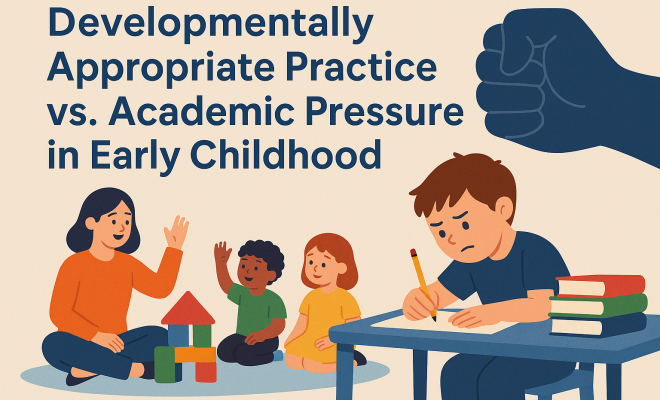
In the realm of early childhood education, a significant debate has emerged: Is it more beneficial to focus on developmentally appropriate practice or to succumb to increasing academic pressures? This discussion is crucial as it impacts the foundational years of learning for young children. Educators, parents, and policymakers must understand the interplay between these two approaches to create an enriching environment that fosters healthy growth and development.
1. Understanding Developmentally Appropriate Practice
To grasp the essence of this topic, we first need to define developmentally appropriate practice (DAP). This educational framework emphasizes teaching methods that align with the developmental stages of children, taking into account their individual needs, interests, and cultural contexts. According to the National Association for the Education of Young Children (NAEYC), DAP is guided by three core considerations: knowing about child development, understanding what is individually appropriate, and being aware of the social and cultural contexts in which children learn.
By implementing DAP, educators create a learning environment that encourages exploration, play, and social interaction. This allows children to engage actively with their surroundings, fostering critical thinking and problem-solving skills as they work through challenges at their own pace. The focus here is on holistic development — emotional, social, physical, and cognitive — rather than merely academic success.
2. The Rise of Academic Pressure
In recent years, there has been a noticeable shift towards prioritizing academic achievement in early childhood education. This rise in academic pressure can be attributed to various factors, including societal expectations, parental anxiety about school readiness, and the implementation of standardized testing. As a result, many preschools and kindergartens have altered their curricula to emphasize traditional academic subjects, often at the expense of play-based learning.
For instance, many early childhood programs now focus on teaching children to read and perform basic math before they even enter kindergarten. A study conducted by the National Institute for Early Education Research found that children in environments that prioritize academic skills may experience stress, anxiety, and even a dislike for learning. This paradox raises critical questions about the long-term consequences of prioritizing academic achievement over a well-rounded educational experience.
3. The Impact on Child Development
Research indicates that excessive academic pressure in early childhood can have detrimental effects on a child’s overall development. When children are pushed to achieve academic milestones prematurely, they may miss out on critical opportunities for social interaction and emotional growth. Developmental psychologists emphasize that early childhood is a time for exploration and play, not just rote memorization and test preparation.
According to a report by the American Psychological Association, children who engage in play-based learning demonstrate better social skills, creativity, and problem-solving abilities. These skills are essential for success later in life, far beyond standard academic achievement. Thus, while academic skills are important, they should not overshadow the necessity for developmentally appropriate practices that support holistic child development.
4. Finding the Right Balance
So, how can educators, parents, and policymakers strike a balance between developmentally appropriate practice and academic pressure? The key lies in integrating both approaches in a way that prioritizes children’s developmental needs while also preparing them for academic success. This can be achieved by creating a curriculum that incorporates play-based learning alongside structured academic activities, ensuring that children receive a comprehensive educational experience.
For example, integrating literacy-rich play activities, such as storytelling, dramatic play, and interactive reading sessions, can help children develop important reading skills while still allowing for the exploration and creativity that play fosters. Furthermore, educators should aim to create a classroom environment that promotes inquiry and curiosity, allowing children to lead their own learning experiences.
5. Critical Perspectives from Educators
Educators play a vital role in shaping the discourse around developmentally appropriate practice and academic pressure. Many teachers express concerns about the increasing focus on standardized testing and academic benchmarks in early childhood education. They argue that such pressures can stifle creativity and lead to burnout among both educators and students. (See: CDC on child development.)
In interviews with early childhood educators, common themes emerge surrounding the need for professional development that emphasizes DAP principles. Many teachers advocate for training that prepares them to create engaging, developmentally appropriate curricula that address academic goals without sacrificing play-based learning. Empowering educators to be advocates for DAP can transform early childhood education environments into spaces where children thrive.
6. The Role of Parents and Caregivers
Parents and caregivers also play a crucial role in this balancing act. Their understanding of developmentally appropriate practice can significantly influence their children’s educational experiences. For instance, parents who prioritize play and exploration over early academic achievement often foster a love for learning in their children. They recognize that children develop at their own pace and that each child’s journey is unique.
Indeed, parents can support educators by advocating for practices that prioritize child development. They can ask questions about the learning environment, encourage schools to adopt play-based curricula, and champion the idea that emotional and social learning is just as important as academic success. By collaborating with educators, parents can create a more supportive and enriching environment for their children.
7. Current Trends and Future Directions
As the landscape of early childhood education continues to evolve, several trends are emerging that reflect a growing awareness of the importance of developmentally appropriate practice. Educational systems across the globe are beginning to recognize the need for a balanced approach that values both academic skills and holistic development.
For example, many states have adopted early learning standards that emphasize play-based learning and social-emotional development alongside academic readiness. Additionally, organizations like NAEYC are advocating for policies that support DAP principles in early childhood settings. These shifts signal a recognition that sustainable educational practices must account for the whole child.
As we look to the future, it’s crucial for teachers, parents, and policymakers to continue this dialogue. By prioritizing developmentally appropriate practices while addressing academic expectations, we can ensure that future generations are not only prepared for academic challenges but also equipped with the social and emotional skills necessary for lifelong success.
8. The Science Behind Developmentally Appropriate Practice
Understanding the effectiveness of developmentally appropriate practice is bolstered by a wealth of research that underscores its benefits. For example, studies have shown that children exposed to DAP environments have higher levels of engagement and curiosity. A study published in the journal “Child Development” demonstrated that children in play-based settings outperformed their peers in standardized assessments over time, particularly in areas of critical thinking and problem-solving.
Another significant finding came from a longitudinal study that followed children from preschool through elementary school. Researchers found that those who attended programs emphasizing DAP displayed better emotional regulation, stronger social skills, and overall mental health compared to those who experienced more academically focused curricula. This evidence highlights the importance of prioritizing approaches that consider the developmental stages of children.
9. Case Studies of Successful DAP Implementation
Many schools worldwide have successfully integrated developmentally appropriate practice into their curricula. For example, the Reggio Emilia approach, which originated in Italy, emphasizes child-led projects and exploration. Children in these programs engage in activities driven by their interests, leading to deeper engagement and learning. Teachers observe and document children’s progress, adapting the learning environment based on children’s needs and curiosities.
In the United States, several public school districts have adopted play-based learning frameworks that support DAP principles. One notable example is the New York City Department of Education, which has introduced a program focused on play-based learning in kindergarten classrooms. Early results indicate that children in these classrooms are more engaged and demonstrate greater enthusiasm for learning.
These case studies provide valuable insights into how education systems can adopt and adapt DAP principles effectively, paving the way for future educational practices.
10. Statistics on Early Childhood Education
Statistics reveal the impact of DAP on children’s learning and development. According to a report from the National Institute for Early Education Research, children who attend high-quality early childhood education programs that utilize DAP are less likely to require special education services later in their educational journey. Specifically, these children are 30% more likely to be academically proficient by third grade compared to their peers in more academically rigid environments.
Furthermore, a survey conducted by the National Education Association indicated that 85% of teachers believe play is essential for academic learning in young children. Despite this, only 20% of educators report having adequate resources and training to implement play-based curricula effectively. This gap highlights the need for ongoing support and investment in early childhood education that prioritizes developmentally appropriate practices.
11. Common Questions About Developmentally Appropriate Practice
What is the main goal of developmentally appropriate practice?
The primary aim of developmentally appropriate practice is to promote children’s learning and development through methods that reflect their developmental levels, interests, and cultural contexts. This approach ensures that children are engaged and motivated to learn, leading to better educational outcomes.
How can parents identify a DAP-friendly program?
Parents should look for programs that emphasize play-based learning, offer a variety of activities that cater to different developmental areas, and foster social-emotional growth. Programs should also encourage parent involvement and communicate regularly about children’s development and learning experiences.
Are there risks associated with overly academic-focused early education?
Yes, research has shown that overly academic-focused environments can lead to stress, anxiety, and a dislike for learning in children. These programs often neglect essential social-emotional skills and critical thinking abilities that are developed through exploration and play.
How can educators balance DAP and academic standards?
Educators can balance these by integrating play-based activities into the curriculum that also meet academic standards. This might involve using themes that allow children to explore academic concepts through hands-on activities, storytelling, and group projects that engage their interests.
What role does social-emotional learning play in DAP?
Social-emotional learning is a vital component of developmentally appropriate practice. It helps children develop essential skills such as self-regulation, empathy, and teamwork, which are critical for their overall success in school and life. Integrating social-emotional learning into the curriculum supports children in navigating their feelings and relationships positively.
Can developmentally appropriate practice be applied in primary education?
Absolutely! While DAP is often associated with early childhood education, its principles can be applied in primary education settings as well. Teachers can create learning experiences that consider the developmental stages of children while ensuring that academic standards are met through engaging and meaningful activities.
12. Challenges in Implementing DAP
Despite the benefits of developmentally appropriate practice, several challenges hinder its widespread adoption. One significant obstacle is the lack of training and resources available for educators. Many teachers may not have adequate professional development opportunities to understand DAP fully or to implement it effectively in their classrooms.
Additionally, the pressure from parents and school administrations to achieve standardized test scores can create a conflict for educators. This pressure may lead some teachers to focus more on academic outcomes than on learning processes that foster children’s natural curiosity and creativity. As a result, DAP may be sidelined, limiting children’s opportunities for holistic development.
Moreover, the inconsistency in state and national early childhood education policies can create further confusion regarding the implementation of DAP. Without clear guidelines and support from the government, educators may struggle to prioritize developmentally appropriate practices in their curricula.
13. The Economic Case for DAP
Investing in developmentally appropriate practices doesn’t just benefit children; it has significant economic implications as well. According to a report released by the Organization for Economic Cooperation and Development (OECD), high-quality early childhood education programs that incorporate DAP contribute substantially to a country’s economic growth. Every dollar spent on early childhood education can yield a return of up to $7 in terms of reduced costs for remedial education, healthcare, and the criminal justice system.
The report further emphasizes that children who receive a strong start in their formative years are more likely to graduate from high school, pursue higher education, and contribute positively to the economy as adults. This creates a ripple effect that leads to a skilled workforce, increased productivity, and lower social welfare costs. By prioritizing DAP, societies not only uplift individual children but also foster a more resilient and prosperous future.
14. Innovative Approaches to DAP
As educators and researchers continue to explore and refine developmentally appropriate practices, innovative approaches are emerging. The use of technology, when integrated thoughtfully, can enhance DAP by providing interactive and engaging learning experiences. For example, educational apps that promote problem-solving through play can align with DAP principles by allowing children to learn at their own pace while exploring various concepts.
Furthermore, outdoor learning environments are gaining traction as a method that aligns with DAP. Programs that incorporate nature-based learning experiences encourage exploration, foster creativity, and promote physical well-being. Research has shown that children who spend more time outdoors tend to have better physical health, improved attention spans, and enhanced social skills.
Another innovative approach is incorporating mindfulness practices into early childhood classrooms. Teaching young children mindfulness techniques can help them manage emotions, leading to stronger social interactions and better focus during learning activities. These creative methods help make DAP more relevant and accessible in contemporary educational settings.
15. Conclusion: The Path Forward
The discussion surrounding developmentally appropriate practice versus academic pressure is ongoing and essential for shaping the future of early childhood education. By prioritizing DAP, we can create environments where children flourish, both academically and personally. Educators, parents, and policymakers must work collaboratively to advocate for and implement practices that recognize the importance of developmental stages in learning. The well-being and success of future generations depend on it.
“`
Trending Now
Frequently Asked Questions
What is developmentally appropriate practice in early childhood education?
Developmentally appropriate practice (DAP) is an educational framework that aligns teaching methods with children's developmental stages. It considers individual needs, interests, and cultural contexts to create a learning environment that emphasizes exploration, play, and social interaction, fostering holistic growth rather than just academic success.
Why is there increasing academic pressure in early childhood education?
The rise of academic pressure in early childhood education is driven by societal expectations, parental anxiety about school readiness, and the implementation of standardized testing. These factors have led many preschools and kindergartens to shift their focus towards traditional academic achievement.
How does developmentally appropriate practice benefit young children?
Developmentally appropriate practice benefits young children by fostering an environment that encourages exploration, play, and social interaction. It promotes critical thinking and problem-solving skills, allowing children to learn at their own pace and supporting their emotional, social, physical, and cognitive development.
What are the core considerations of developmentally appropriate practice?
The core considerations of developmentally appropriate practice include knowledge of child development, understanding what is individually appropriate for each child, and being aware of the social and cultural contexts in which children learn. These considerations guide educators in creating effective learning experiences.
How can educators balance academic pressure and developmentally appropriate practices?
Educators can balance academic pressure and developmentally appropriate practices by integrating play-based learning with essential academic skills. This approach allows children to engage with content meaningfully while still meeting educational standards, ensuring that both developmental needs and academic goals are addressed.
Agree or disagree? Drop a comment and tell us what you think.