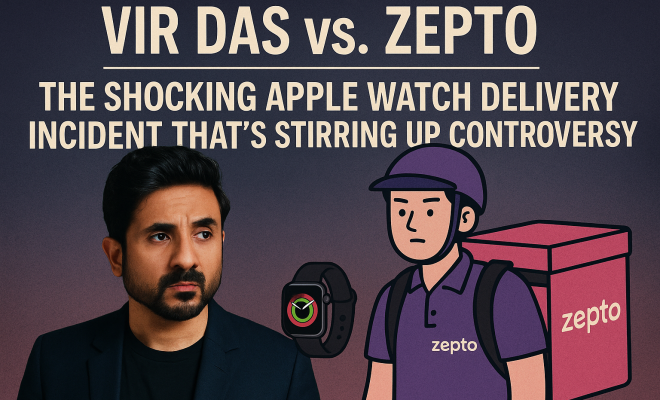
Vir Das vs. Zepto: The Shocking Apple Watch Delivery Incident That’s Stirring Up Controversy
“`html
In a recent incident that’s quickly captured public attention, comedian Vir Das accused the fast-commerce startup Zepto of delivering what he characterized as a fake Apple Watch to his team. The urgency surrounding the order—placed for a shoot—added fuel to the fire, as Das reported that his team had paid a staggering Rs 50,000 for the device. This accusation raises significant questions about the reliability of Zepto, especially when it comes to high-end products.
Understanding the Context of the Incident
The rise of fast-commerce platforms like Zepto has transformed the way consumers shop, promising quick delivery and convenience. However, with this rapid growth comes an increased scrutiny over their service quality and product authenticity. Vir Das’s claim throws a spotlight on a critical issue: can these startups be trusted with premium purchases?
The Allegations: What Exactly Happened?
According to Vir Das, the incident unfolded as his team required an Apple Watch on short notice for a shoot. They turned to Zepto, a service known for its quick delivery times, expecting to receive a genuine product. However, upon receiving the watch, Das alleged that it was a counterfeit. The incident not only raises eyebrows about the nature of the product delivered but also questions the integrity of a service that has positioned itself as a reliable option for urgent orders.
Why This Case Matters
This situation quickly escalated into a social media topic, creating a blend of curiosity and outrage among consumers. An accusation of receiving a counterfeit product—especially one from a highly recognizable brand like Apple—can significantly damage the reputation of any company involved. For Zepto, the stakes are even higher, given that they operate in a fast-paced industry that heavily relies on consumer trust.
The Viral Nature of the Allegation
Vir Das is not just any celebrity; he’s a well-known figure with a substantial following. The combination of a celebrity voice, an expensive product, and a straightforward conflict creates a viral potential. Social media users are quick to react, often sharing their opinions, experiences, and even similar stories. This case taps into an emotional chord—consumers want assurance that they won’t be scammed, especially when spending substantial amounts of money.
Consumer Trust and Fast-Commerce Startups
Trust is the cornerstone of any successful business, but in the fast-commerce arena, it becomes even more crucial. Platforms like Zepto promise to deliver products within minutes, which raises the question of quality control. Are these companies adequately vetting the items they provide?
Consumers are likely to feel uneasy when premium products are involved. High-stakes purchases come with heightened expectations, and when those expectations are not met, it can lead to a ripple effect of negative publicity. The trust-and-safety question at the heart of this incident is not just about one delivery; it’s about the reputation of the entire startup ecosystem.
The Price Point: Does It Matter?
When discussing the Vir Das Zepto Apple Watch incident, the price point cannot be ignored. Paying Rs 50,000 for a product makes this claim particularly impactful. Consumers expect a lot when they’re spending significant amounts of money. If a company fails to meet those expectations, the backlash can be severe. In this case, Das’s accusation of counterfeit delivery strikes a nerve, especially given the price tag attached to the item.
Comparative Analysis: Zepto vs. Competitors
As the fast-commerce sector heats up, various players are vying for consumer loyalty. Brands like Swiggy Instamart and Dunzo have also entered this space, promising speed and reliability. However, incidents like Das’s accusation are critical in distinguishing these companies in a crowded marketplace. (See: online shopping fraud concerns.)
Consumers often conduct informal surveys among friends and family, discussing personal experiences with these brands. When a celebrity shares their grievances, that discussion escalates quickly. Zepto must now compete not just with delivery times but also with consumer trust—a much harder metric to quantify.
What Does This Mean for Future Purchases?
As a consumer, this incident serves as a crucial reminder of the importance of doing due diligence when ordering high-value items from fast-commerce platforms. It’s essential to consider product verification and return policies before making a purchase, especially when time is of the essence. The emotional fallout from Das’s experience could lead potential consumers to think twice about trusting these platforms with their money.
Expert Opinions: What Do Industry Analysts Say?
Industry experts have weighed in on this incident, emphasizing that it could have lasting repercussions for Zepto. They point out that incidents involving counterfeit products are not just isolated cases; they reflect systemic issues within the company’s operational frameworks. Such instances should serve as a wake-up call for startups to invest more heavily in quality assurance and customer service functions.
Experts argue that Zepto, and similar companies, need to take substantial steps to regain consumer trust. This could include better vetting processes for the products they deliver, enhanced customer service training, and perhaps even stricter return policies to combat counterfeit claims.
The Importance of Transparency in Fast-Commerce
This incident highlights the need for transparency in the fast-commerce industry. Companies must be upfront about their sourcing methods and the quality of the products they deliver. With social media amplifying consumer voices, brands can no longer afford to be opaque about their operations.
For Zepto, this may represent a critical moment to reassess their business practices. Implementing more rigorous checks and balances could safeguard against future accusations and improve overall customer satisfaction.
Impact on Zepto’s Brand Image
The implications of this incident on Zepto’s brand image cannot be overstated. Brand loyalty is often built on trust and perceived reliability. When a brand like Zepto faces allegations of delivering counterfeit products, it risks alienating its customer base. The fast-commerce industry is populated by brands competing for attention, and negative publicity can spread quickly, forcing companies into a defensive posture.
Surveys indicate that nearly 70% of consumers are less likely to purchase from a brand that has been previously accused of selling counterfeit goods. This statistic underscores the potential long-term damage that incidents like Das’s can inflict on a brand’s reputation. The challenge for Zepto will be to rebuild trust, not only in the wake of this incident but also to prevent future occurrences.
Consumer Rights: What Should You Know?
In light of the Vir Das Zepto Apple Watch controversy, it’s essential for consumers to be aware of their rights when making purchases online. Many consumers may not realize that they have the right to seek refunds or replacements for counterfeit goods. Under Indian consumer protection laws, consumers are entitled to receive products as described and are eligible for compensation if they receive subpar items.
It’s advisable for consumers to document all communications and transactions, as this can aid in resolving disputes. Keeping records of emails, receipts, and any correspondence with customer service can be invaluable if issues arise. Understanding your rights helps empower consumers to hold companies accountable, especially in cases involving significant financial expenditure. (See: importance of product authenticity.)
FAQs: Addressing Common Concerns
What should I do if I receive a counterfeit product?
If you suspect that you’ve received a counterfeit product, the first step is to contact the seller immediately. Provide them with details of your order and ask for a resolution, whether it be a refund or a replacement. If you do not receive a satisfactory response, consider escalating the matter to consumer protection authorities.
How can I verify if an Apple Watch is genuine?
To verify the authenticity of an Apple Watch, check the serial number and model number, which can usually be found on the back of the watch and in the device settings. You can enter the serial number on the Apple website to confirm its legitimacy. Additionally, a genuine Apple Watch will have certain design features, quality, and packaging that are hard to replicate.
Is it safe to buy high-end products from fast-commerce startups?
While many fast-commerce startups offer genuine products, it’s essential to approach high-end purchases with caution. Research the company’s reputation, read reviews, and check their return policy before making a significant purchase. Being informed can help mitigate risks associated with counterfeit products.
What steps can companies take to prevent counterfeiting?
Companies can implement several measures to combat counterfeiting, including establishing stronger supplier verification processes, conducting random quality checks, and utilizing technology like blockchain to trace product authenticity. Educating consumers about how to identify authentic products can also empower them to make informed purchases.
Analyzing the Broader Implications of Counterfeit Goods
The rise of counterfeit goods isn’t just a problem for individual consumers but a significant issue for economies at large. The global counterfeit market is estimated to be worth nearly $500 billion annually. Products ranging from fashion items to electronics are often targeted, and the impact on brands can be devastating.
For companies like Apple, maintaining brand integrity is crucial. They invest heavily in marketing and innovation, and counterfeit products not only dilute their brand value but also affect customer loyalty. When consumers purchase counterfeit items, they often have a poor experience that can tarnish the reputation of the original brand, creating a cycle of distrust.
Consumer Education: A Key to Combatting Counterfeits
Raising consumer awareness is vital in the fight against counterfeit goods. Companies should invest in educational campaigns that inform consumers about how to identify genuine products. This might include social media initiatives, informative websites, and partnerships with influencers to spread the message. For instance, educational videos showing the differences between authentic and counterfeit products could be a game-changer.
In addition, brands can encourage consumers to report suspected counterfeit items, creating a community-driven approach to tackling the issue. When consumers feel empowered and knowledgeable, they are less likely to fall victim to counterfeit scams. (See: impact of fast-commerce on consumers.)
The Role of Technology in Ensuring Authenticity
Technology plays a crucial role in preventing counterfeiting. Many companies are now adopting sophisticated solutions such as QR codes, near-field communication (NFC), and blockchain technology to ensure product authenticity. QR codes can be scanned to verify a product’s origin, while blockchain offers a secure way to track items throughout the supply chain.
These innovations not only help consumers verify the authenticity of their purchases but also enhance brand trust. As consumers become more tech-savvy, companies that leverage these technologies will likely gain a competitive edge. The more secure the buying process, the more likely consumers will feel confident purchasing high-value items.
Future of Fast-Commerce: Building Trust in the Digital Age
The fast-commerce landscape is evolving, and as it does, companies like Zepto must adapt to maintain consumer trust. Fostering relationships with customers goes beyond just delivering products quickly; it involves ensuring that those products are legitimate and of high quality.
In this age of instant gratification, companies need to strike a balance between speed and trustworthiness. This could mean implementing longer delivery times if it allows for better quality checks. Ultimately, the focus should be on creating a positive customer experience that fosters loyalty and repeat business.
Final Thoughts: Can Zepto Come Back from This?
The Vir Das Zepto Apple Watch incident stands as a cautionary tale for fast-commerce startups. While speed and convenience are appealing, they must not overshadow the need for authenticity and quality. As consumers, we must remain vigilant and advocate for accountability in the products we purchase.
Ultimately, the question remains: can Zepto recover from this blow to its reputation? The answer lies in its ability to adapt and restore consumer trust. In a world increasingly driven by quick solutions, the real challenge is maintaining quality alongside speed. Only time will tell how this incident will shape the future of Zepto and similar startups in the industry.
“`
Trending Now
- our breakdown of 3 steam projects that build a better tomorrow
- our breakdown of how semantic language disorders affect reading comprehension
- this guide on teaching syntax to elementary school students with language delays
- the complete explanation
- this guide on the role of hand-eye coordination in handwriting development
Frequently Asked Questions
What happened between Vir Das and Zepto?
Vir Das accused Zepto of delivering a counterfeit Apple Watch to his team, which they had ordered for a shoot. The incident raised concerns about the reliability of Zepto, especially regarding high-end products.
Why is the Zepto delivery incident controversial?
The controversy stems from the serious allegation that a well-known comedian received a fake Apple Watch after paying Rs 50,000. This raises questions about Zepto's service quality and product authenticity.
What are the implications of the counterfeit Apple Watch claim?
Accusations of delivering counterfeit products can severely damage a company's reputation. For Zepto, this incident could undermine consumer trust in their ability to deliver premium items reliably.
How does this incident affect consumer trust in fast-commerce?
Vir Das's claim highlights the risks associated with fast-commerce platforms like Zepto. As consumers demand quick delivery, concerns about product authenticity may lead to hesitance in purchasing high-end items from such services.
What has been the public reaction to the Zepto incident?
The incident quickly went viral, sparking curiosity and outrage among consumers. Social media discussions reflect a growing concern about the integrity of fast-commerce companies in delivering genuine products.
Have you experienced this yourself? We’d love to hear your story in the comments.