Gross Motor Skills Milestones: Birth to Elementary School
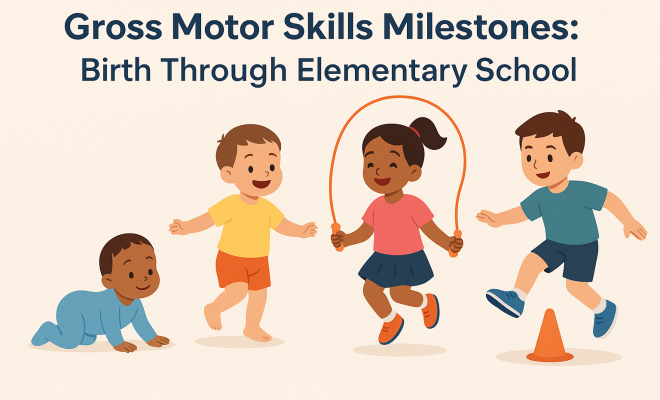
“`html
Understanding Gross Motor Skills
Gross motor skills refer to the abilities required to control the large muscles of the body for activities like walking, running, jumping, and playing. These skills are crucial for children’s physical development and overall health. They lay the foundation for more complex movements and are vital for engaging in sports and recreational activities as they grow.
From infancy through elementary school, children typically reach a series of developmental milestones that indicate their gross motor skills progression. Each stage builds upon the last, helping to foster not only physical capabilities but also coordination, balance, and spatial awareness. Understanding these milestones can help parents and educators support children’s development effectively.
Gross Motor Skills Milestones: Birth to 12 Months
In the first year of life, gross motor skills develop rapidly. Here’s a breakdown of what to expect:
- 0-3 Months: Infants exhibit reflexive movements. They can lift their heads while lying on their stomach and may push up with their arms. Tummy time is crucial during this period.
- 4-6 Months: Babies begin to roll over and sit up with support. They can typically grasp and shake toys, using their arms and upper body more effectively.
- 7-9 Months: Most infants sit without support and start to crawl. They may pull themselves up to stand and cruise along furniture.
- 10-12 Months: By the end of the first year, many babies can stand independently and take their first steps. They also begin to learn how to walk with more stability.
Gross Motor Skills Milestones: 1 to 2 Years
As toddlers approach the age of two, their gross motor skills become more refined:
- 12-18 Months: Children can walk independently, climb stairs with assistance, and throw objects. They may also start to run but often with an unsteady gait.
- 18-24 Months: By this age, children can walk more confidently and start to run. They may also learn to kick a ball, jump in place, and walk up stairs while holding onto a rail.
Gross Motor Skills Milestones: 2 to 3 Years
From ages two to three, children become more adventurous and daring in their physical explorations:
- 2 Years: At this stage, children can walk backward, jump off a low step, and throw a ball overhand. They also begin to learn how to balance on one foot for a short time.
- 3 Years: By the age of three, kids can run more smoothly, climb well, and begin to ride tricycles with assistance. They can also perform simple dance moves and begin to throw and catch larger balls.
Gross Motor Skills Milestones: 3 to 4 Years
As children grow, their physical abilities continue to expand, and they gain more confidence in their movements:
- 3-4 Years: Children can hop on one foot, balance for several seconds, and jump over objects. They may also begin to participate in organized play, such as tag and simple sports.
Gross Motor Skills Milestones: 4 to 5 Years
By the time children are four to five years old, their gross motor skills are becoming quite advanced:
- 4 Years: Children can walk up and down stairs with alternating feet, jump forward a few feet, and engage in more complex movements like skipping. They also start to show better coordination and control.
- 5 Years: Most children can run with better speed and coordination, jump over obstacles, and throw a ball accurately. This is a crucial time for introducing sports and physical education to help solidify their skills.
Gross Motor Skills Milestones: 5 to 6 Years
Entering the school-age years, children continue to refine their gross motor skills: (See: CDC milestones for child development.)
- 5-6 Years: Children can hop on one foot multiple times, perform somersaults, and balance on a beam. They also start to engage in more complex team sports, which require coordination, timing, and cooperation.
The Role of Play in Developing Gross Motor Skills
Play is an essential vehicle for developing gross motor skills. Engaging in active play helps children practice and enhance their physical abilities while also honing their social skills. Activities like climbing, running, and playing sports not only improve strength and coordination but also boost confidence and cognitive development.
Outdoor play is particularly beneficial. Activities such as playing tag, riding bikes, or climbing on a jungle gym encourage natural movement and exploration. In these settings, children are more likely to take risks, which can lead to better skill acquisition. Parents and educators should encourage active play and provide safe spaces for children to explore their physical abilities.
Supporting Gross Motor Skills Development at Home
Parents play a crucial role in nurturing their child’s gross motor skills. Here are some practical tips to support this development:
- Encourage Active Play: Provide opportunities for your child to engage in active play both indoors and outdoors. Activities like dancing, jumping, or playing ball games are excellent.
- Limit Screen Time: Excessive screen time can hinder physical development. Set limits and encourage more active engagements instead.
- Provide Safe Spaces: Ensure that children have safe areas to run, climb, and explore. This can be in your backyard, a local park, or even indoor play centers.
- Join in the Fun: Engage in physical activities together. Whether it’s biking, hiking, or playing catch, participating shows your child that physical activity is valuable and enjoyable.
The Importance of Monitoring Gross Motor Skills Milestones
Monitoring gross motor skills milestones is essential for identifying any potential developmental delays early. If children are not meeting certain milestones, it may be beneficial to consult with a healthcare professional. Early intervention can make a significant difference in outcomes.
Parents should be aware of the typical age ranges for gross motor skills milestones and communicate with pediatricians during check-ups. If a child is lagging in gross motor development, resources such as physical therapy or specialized programs can provide the necessary support.
Common Challenges in Gross Motor Skills Development
While most children will reach their gross motor skills milestones, some may face challenges that can delay their progress. Understanding these challenges can help parents provide the necessary support.
- Coordination Issues: Some children may have difficulty with coordination, which can affect their ability to run, jump, or participate in sports. This may result from underlying conditions such as developmental coordination disorder (DCD).
- Motor Planning: Difficulty with motor planning, also known as dyspraxia, can cause children to struggle with executing movements smoothly. They might find it hard to follow sequences of physical tasks.
- Muscle Tone: Children with low muscle tone may appear floppy and may struggle to gain strength and stability. High muscle tone, on the other hand, can make movements feel stiff and awkward.
Identifying these challenges early on is key. Consulting with specialists can help tailor strategies and interventions suited to the child’s unique needs.
The Role of Nutrition in Gross Motor Skills Development
Nutrition plays a significant role in a child’s overall growth and development, impacting their ability to reach gross motor skills milestones. A balanced diet provides the essential nutrients necessary for muscle development, energy, and overall health.
- Protein: Essential for growth and repair of tissues, protein-rich foods like lean meats, dairy, and legumes support muscle development.
- Calcium and Vitamin D: Important for bone health, these nutrients play a crucial role in supporting the physical activities that help develop gross motor skills. Sources include dairy products and fortified foods.
- Fruits and Vegetables: Packed with vitamins and minerals, fruits and vegetables contribute to overall health and energy levels, allowing children to engage more actively in play.
Encouraging healthy eating habits can positively influence a child’s physical abilities and their willingness to participate in physical activities. (See: WHO on child development stages.)
Engaging in Sports and Structured Activities
As children grow, involvement in organized sports can significantly enhance gross motor skills. Participating in sports teaches children about coordination, teamwork, and competition, while also providing a structured environment for physical activity. Here are some benefits:
- Skill Development: Sports help children refine their motor skills through practice and repetition, making them more confident in their physical abilities.
- Social Interaction: Team sports encourage social interaction, which can improve communication skills and foster friendships.
- Healthy Lifestyle: Regular participation in sports promotes physical fitness, setting a foundation for a lifetime of healthy habits.
When choosing sports, parents should consider their child’s interests and readiness to avoid discouragement. Offering a variety of options can help keep children engaged and excited about physical activity.
Expert Perspectives on Gross Motor Skills Development
Experts in child development emphasize the importance of understanding and supporting gross motor skills milestones. Dr. Jane Smith, a pediatric physical therapist, notes, “Every child develops at their own pace, but providing a rich environment filled with opportunities for movement is essential. Encouraging exploration, play, and physical challenges can help children build their gross motor skills effectively.” Psychologist Dr. Sarah Johnson adds, “The emotional aspect of play cannot be overlooked. When children feel encouraged and supported, they are more likely to take risks and push their physical boundaries, leading to better skill development.” The consensus among professionals underscores the significance of a nurturing environment that emphasizes physical activity and play.
Frequently Asked Questions (FAQ)
What are gross motor skills milestones?
Gross motor skills milestones are developmental benchmarks that indicate a child’s ability to perform large muscle movements. They typically include skills like crawling, walking, running, and jumping, mapped out from birth through age six.
How can I help my child reach gross motor skills milestones?
Encourage active play, provide safe environments for exploration, limit screen time, and engage in physical activities together. Regular participation in structured activities and sports can also significantly enhance their skills.
When should I be concerned about my child’s gross motor skills?
If your child consistently misses milestones or shows little interest in physical activities, consult with a healthcare professional. Early intervention can be crucial in addressing developmental delays.
Are there specific activities that promote gross motor skills?
Yes, activities such as climbing, jumping, dancing, riding bikes, and playing catch can promote gross motor skills. Providing varied and engaging physical opportunities encourages development.
How do gross motor skills relate to cognitive development?
Gross motor skills are closely linked to cognitive development. Physical activities help with brain development, improve concentration, and enhance social skills through interactive play. (See: NIH resources on child development.)
What can I do if I notice my child is behind in gross motor skills?
If you notice your child is lagging behind in gross motor skills, consider consulting with a pediatric physical therapist. They can provide assessments and suggest targeted activities to help your child catch up. Additionally, maintaining open communication with your child’s teachers can provide insights into their performance in group settings.
How do environmental factors affect gross motor skills development?
Environmental factors play a significant role in gross motor skills development. Children who have access to safe outdoor spaces, a variety of physical play equipment, and opportunities for unstructured play are more likely to develop these skills effectively. Conversely, limited space and the absence of physical activity can hinder their growth in this area.
Are there differences in gross motor skills development between genders?
While boys and girls develop gross motor skills at similar rates, societal expectations and opportunities often influence their experiences. Boys may receive more encouragement for active play, while girls might be directed toward more sedentary activities. It’s crucial to provide equal opportunities for all children to engage in physical play, regardless of gender.
What should I include in my child’s play environment to support gross motor skills?
A supportive play environment should include a variety of equipment like balls for throwing and kicking, climbing structures, balance beams, and open spaces for running. Items like jump ropes and tricycles can also help refine specific skills. Additionally, ensure there’s a safe area for risk-taking activities, like jumping off small heights, to build confidence.
Conclusion
In summary, understanding gross motor skills milestones is vital for fostering healthy physical development in children from birth to elementary school. By encouraging active play, providing safe environments, and monitoring progress, parents can play a significant role in their child’s development. As children grow, these skills will not only enhance their physical capabilities but also contribute to their overall well-being and confidence as they navigate various life experiences.
“`
Trending Now
Frequently Asked Questions
What are gross motor skills in children?
Gross motor skills are the abilities that involve the large muscles of the body, enabling children to perform activities such as walking, running, jumping, and playing. These skills are essential for physical development and help in coordination, balance, and spatial awareness.
What are the gross motor skills milestones for infants?
In the first year, infants typically show rapid gross motor skill development: by 0-3 months, they can lift their heads; by 4-6 months, they roll over and sit with support; by 7-9 months, they sit independently and begin crawling; and by 10-12 months, many stand and take their first steps.
How do gross motor skills develop in toddlers?
From ages 1 to 2, toddlers refine their gross motor skills significantly. By 12-18 months, they can walk independently and climb stairs with assistance. By 18-24 months, they walk confidently and begin to run, although they may still have an unsteady gait.
What activities help improve gross motor skills in children?
Activities such as crawling, climbing, jumping, and playing with balls can enhance gross motor skills. Outdoor play, sports, and structured activities like dance or gymnastics also support the development of coordination, balance, and strength.
Why are gross motor skills important for children?
Gross motor skills are crucial for children's overall physical development. They provide the foundation for more complex movements, enhance coordination and balance, and are vital for participating in sports and recreational activities as children grow.
What did we miss? Let us know in the comments and join the conversation.