Kilauea Volcano: What’s Next After June 2026 Eruption?
“`html
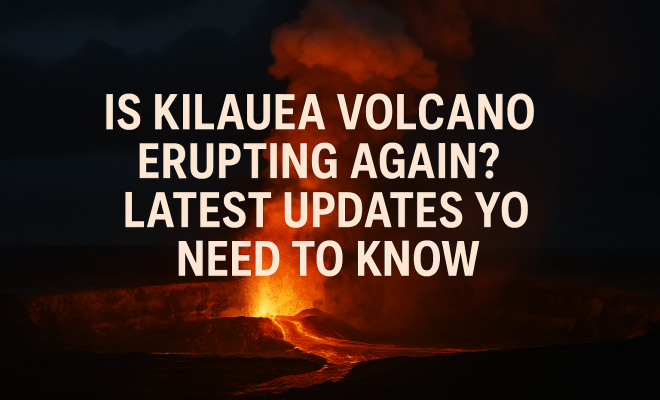
Kilauea Volcano News is buzzing with excitement and urgency following the recent developments surrounding the Halemaʻumaʻu eruption. On June 27, 2026, this spectacular event came to an abrupt halt after just seven hours of continuous lava flow. This sudden pause has left many curious about the volcano’s future, its activity, and what lies ahead for those eager to witness nature’s raw power.
A Brief Overview of Kilauea’s Recent Eruptions
Kilauea, one of the most active volcanoes in the world, has been captivating scientists and travelers alike for decades. The recent eruption at its summit, which began just hours before it ended, was labeled as Episode 50. The brief but powerful display of lava flow ignited excitement among the public, and when it halted so unexpectedly, it left many people wondering what would happen next.
This episode was not only significant for its geological implications but also because of its accessibility. Visitors to Hawaii have often been able to witness Kilauea’s eruptions up close, making it a bucket-list destination for adventure seekers and nature enthusiasts. The end of this episode, however, has shifted the focus to the volcano’s alert status and what that means for future activity.
The Current Alert Level and What It Means
Kilauea’s alert level currently stands at WATCH, with an Aviation Color Code of ORANGE. This indicates that the volcano is exhibiting signs of potential eruptive activity, although no active eruptions are occurring at present. Such designations are crucial for safety and travel advisories, as they help guide decisions for both locals and tourists.
According to the latest reports, summit tiltmeters have shown inflationary tilt, suggesting that magma is accumulating beneath the surface. This could indicate that the volcano may reignite in the near future. For those in the vicinity or planning a trip, understanding these levels can provide valuable context for when to explore the area and how to remain safe.
The Emotional Charge of Witnessing an Eruption
The very nature of volcanic eruptions stirs a range of emotions in people. The awe-inspiring sight of lava flowing from a volcano is something many have described as life-changing. The sudden end of the recent eruption has only heightened the emotional stakes for those who witnessed it. Videos flooded social media platforms showing the mesmerizing glow from the north and south vents, each post serving as a reminder that such phenomena can be fleeting.
This emotional charge drives a compelling narrative, as those who were unable to witness the eruption live are filled with a sense of urgency to experience it next time. The fear of missing out (FOMO) is real, and it’s spurring many to stay updated on the latest Kilauea volcano news so they can seize the opportunity when it arises.
Social Media’s Role in Disseminating Volcano News
Social media has played a transformative role in how we receive and share Kilauea volcano news. Users on platforms like Twitter, Instagram, and TikTok have shared their experiences and footage, helping to democratize access to volcanic events. This immediate sharing not only spreads excitement but also provides vital information that can inform visitors about safety and timing.
The impact of this digital sharing is immense. The vibrant, real-time updates allow for a more engaged audience. Travelers planning their trips can tap into these resources to gauge when the best time might be to visit Kilauea. They can learn from firsthand accounts and adjust their plans based on the latest updates. It’s this interconnectedness that enriches the overall experience of visiting such a dynamic geological site.
Understanding the Science Behind Eruptions
Every eruption at Kilauea is a scientific event that offers insights into the workings of our planet. The geological processes behind these eruptions involve complex interactions between magma, gas, and the Earth’s crust. When pressure builds up, the magma rises to the surface, leading to eruptions like the one that just occurred.
Scientists monitor various indicators, such as seismic activity, ground deformation, and gas emissions, to predict when and how a volcano may erupt. The recent inflationary tilt observed at Kilauea is one of the critical signs that can help researchers determine the potential for future activity. Understanding these patterns not only informs safety measures but also enriches the knowledge base related to volcanology. (See: Kilauea Volcano overview on Wikipedia.)
What Travelers Should Consider
If you’re planning a trip to witness Kilauea in action, there are several considerations to keep in mind. First, always check the official alerts and updates from the U.S. Geological Survey (USGS) or Hawaii Volcanoes National Park before traveling. These resources provide the most accurate and timely information available.
- Flexible Itineraries: Given the unpredictable nature of volcanic activity, having a flexible travel plan can help you make the most of your visit.
- Safety First: Always prioritize safety. Pay attention to designated viewing areas and follow all guidelines provided by park rangers.
- Stay Informed: Regularly monitor social media and news updates to catch any changes in the volcano’s activity.
By staying informed and adaptable, your chances of experiencing a Kilauea eruption firsthand increase significantly.
The Cultural Significance of Kilauea
Kilauea holds profound cultural significance for Native Hawaiians. The volcano is considered the home of Pele, the Hawaiian goddess of fire and volcanoes. Her presence is a vital part of local mythology and worldview, influencing both cultural practices and community gatherings. For many locals, witnessing an eruption is more than just a spectacle; it’s a spiritual experience that connects them to their heritage.
This cultural context adds an extra layer of depth for visitors. When you visit Kilauea, it’s crucial to approach the site with respect and understanding. Learning about the legends and stories associated with the volcano can enrich your experience and provide a sense of connection to the land and its people.
Future Prospects and Speculations
As Kilauea sits in a state of relative calm after the recent eruption, many wonder what the future holds. Will it erupt again soon? Experts are divided on predictions. Some believe that the signs of inflation could very well lead to another eruption, while others caution that volcanic activity can be unpredictable.
For travelers, this uncertainty presents both an opportunity and a challenge. The excitement of possibly witnessing another active eruption is palpable, but it’s also essential to remain patient and cautious. By understanding the science and monitoring Kilauea volcano news, visitors can position themselves for the best chance to see this natural wonder in action.
The Impact of Tourism on Kilauea
Tourism plays a significant role in the economics surrounding Kilauea, but it also brings a unique set of challenges. The constant influx of visitors can lead to increased wear and tear on the surrounding environment. Officials must find a balance between allowing people to experience the volcano’s beauty and preserving the area for future generations.
According to recent statistics, tourism to Hawaii contributes over $17 billion annually to the state’s economy. Kilauea is a major draw, with thousands of visitors each month. However, local organizations and the National Park Service emphasize the importance of responsible tourism practices, which include staying on marked trails and minimizing litter. These practices help ensure that the natural beauty of Kilauea is preserved while still allowing people to enjoy its majesty.
Emergency Preparedness for Visitors
Understanding the nature of volcanic eruptions is essential for all visitors to Hawaii. The State of Hawaii has developed comprehensive guidelines for emergency preparedness in case of natural disasters, including volcanic eruptions. Here are some tips for visitors to stay safe:
- Know the Evacuation Routes: Familiarize yourself with local evacuation routes and protocols. Make sure to check in with park rangers upon arrival.
- Have an Emergency Kit: If you’re staying in the area, consider having a small emergency kit with essentials like water, snacks, a flashlight, and a first aid kit.
- Stay Informed: Make it a habit to check the USGS website and local news for updates on volcanic activity and any potential hazards.
By preparing adequately, you can enjoy your visit while also prioritizing your safety and that of the local community.
Frequently Asked Questions about Kilauea Volcano
1. How often does Kilauea erupt?
Kilauea has been in a state of almost continuous eruption since 1983, with notable pauses and changes in activity levels. While some eruptions are short-lived, others can last for months or years.
2. Is it safe to visit Kilauea during an eruption?
Visiting during an eruption can be safe, but it’s crucial to follow safety guidelines provided by the National Park Service and local authorities. Always stay in designated areas and be mindful of air quality, especially regarding volcanic gases. (See: USGS Kilauea Volcano information.)
3. What should I wear when visiting Kilauea?
Wear sturdy shoes, preferably hiking boots, and dress in layers. Conditions can change rapidly, and being prepared for both warm and cool temperatures is essential.
4. Can I get close to the lava flow?
Access to lava flows can be restricted for safety reasons. Always check with park rangers for the latest information on viewing areas and safety protocols.
5. What are the best times to visit Kilauea?
The best time to visit Kilauea for viewing eruptions will depend on volcanic activity. During periods of increased activity, such as an ongoing eruption, you’ll have the best chance of seeing lava flows. Check the USGS website for real-time updates.
6. What environmental issues are associated with Kilauea’s eruptions?
Kilauea’s eruptions can lead to air quality issues, especially with the emission of sulfur dioxide. It’s essential for visitors to be aware of volcanic smog, or “vog,” which can affect health, particularly for those with respiratory issues.
Understanding the History of Kilauea Volcano
Kilauea is not just known for its recent eruptions. It has a long and fascinating history that dates back centuries. The Hawaiian Islands were formed from volcanic activity, and Kilauea is one of the most active volcanoes on Earth, with a continuous eruption history that stretches back over 30 years. The volcano’s last eruptive cycle began in 1983 and lasted until 2018, marking one of the longest periods of continuous eruption.
During this cycle, Kilauea produced both explosive and effusive eruptions, creating new land and reshaping the landscape. The 2018 eruption was particularly devastating, resulting in the evacuation of thousands and the destruction of homes. This eruption produced dramatic changes in topography and even created a new vent, which has since become an iconic feature of the volcano.
As Kilauea continues to evolve, researchers are constantly studying its past to learn more about volcanic behavior and the impacts on the environment and local communities. Understanding this history provides critical context for interpreting current volcanic activity and anticipating future eruptions.
The Role of Technology in Monitoring Kilauea
With the advancements in technology, monitoring Kilauea has become more sophisticated than ever before. The U.S. Geological Survey (USGS) employs various tools and techniques to track volcanic activity. These include satellite imagery, seismic sensors, and gas analyzers that measure volcanic gases like sulfur dioxide.
Satellite imagery allows scientists to observe changes in the landscape and thermal anomalies that indicate the presence of magma near the surface. Seismic sensors detect earthquakes that often precede eruptions, providing crucial data on the movement of magma underground. Gas analyzers help assess air quality and can indicate changes in volcanic activity based on gas emissions.
This technology not only helps scientists understand Kilauea’s behavior but also plays a critical role in public safety. By providing timely alerts and warnings, authorities can ensure that locals and visitors are well-informed about potential hazards, allowing them to take necessary precautions. (See: Hawai'i Volcanoes National Park site.)
Visitor Experiences: Testimonials and Stories
The experiences of visitors to Kilauea can vary widely, from those who have seen the volcano in full eruption to those who have arrived during calm periods. Many travelers report that witnessing an eruption is a bucket-list experience that lives up to the hype. They often describe the vivid colors of the lava and the unique sounds associated with volcanic activity as mesmerizing.
One traveler shared, “I was fortunate enough to see Kilauea erupt at night. The glow of the lava against the dark sky was something I’ll never forget. It felt so primal and alive.” Such testimonials emphasize the emotional connection that people have with Kilauea.
Conversely, some visitors arrive during quieter periods, leaving them eager for the next eruption. A recent visitor expressed, “Even though I didn’t see lava, learning about the volcano’s history and significance was still incredible. It’s a powerful reminder of nature’s strength.” These varied experiences highlight that Kilauea has much to offer, regardless of its current activity level.
Future Developments and Research at Kilauea
Research at Kilauea is ongoing, with scientists dedicated to understanding the complexities of volcanic activity. New studies are continually being published that contribute to the knowledge of how eruptions affect climate, ecology, and human communities. For example, researchers are examining how ash from eruptions impacts air quality and the local environment, including water sources.
Furthermore, interdisciplinary collaborations are emerging, combining volcanology with fields like meteorology and ecology. These partnerships allow for a more comprehensive understanding of the effects of Kilauea’s eruptions on both the environment and the inhabitants of Hawaii.
As scientists continue to monitor Kilauea, the insights gained from this research will not only help predict future eruptions but also inform policies regarding land use and disaster preparedness, ensuring that communities are better equipped to handle the impacts of volcanic activity.
Conclusion: Embrace the Adventure
The recent developments at Kilauea remind us of the planet’s dynamic nature and the fleeting beauty of volcanic activity. If you’re a travel enthusiast or a nature lover, keeping up with Kilauea volcano news is essential for making the most of your adventures. Be prepared, stay safe, and embrace the thrill of witnessing one of nature’s most powerful displays.
As Kilauea continues to capture the imagination of many, the anticipation for its next eruption remains high. Whether you’ve witnessed it firsthand or are simply following along from afar, the story of Kilauea is one that continuously unfolds, inviting exploration and discovery.
“`
Trending Now
Frequently Asked Questions
Is Kilauea volcano erupting right now?
As of now, Kilauea is not actively erupting. The latest eruption, known as Episode 50, occurred on June 27, 2026, but it ended after just seven hours. The volcano is currently on alert status, indicating potential eruptive activity may occur.
What is the alert level for Kilauea volcano?
Kilauea's current alert level is set to WATCH, with an Aviation Color Code of ORANGE. This status signifies that while no eruptions are happening at the moment, there are signs of potential eruptive activity, such as inflationary tilt detected by summit tiltmeters.
Can visitors still see Kilauea volcano activity?
While Kilauea is not currently erupting, it remains a popular destination for visitors. The volcano's alert status and previous eruptions make it an exciting location for nature enthusiasts, although caution is advised due to the potential for future activity.
What happened during the last Kilauea eruption?
The last eruption at Kilauea, known as Episode 50, began on June 27, 2026, and lasted for only seven hours, showcasing a brief but impressive lava flow. This sudden end to the eruption has raised questions about the volcano's future activity.
What does it mean if Kilauea is on alert?
When Kilauea is on alert, it indicates that the volcano is showing signs of potential eruptive activity. The WATCH status helps inform both locals and tourists about safety measures and travel advisories, ensuring they are prepared for any changes in the volcano's behavior.
Have you experienced this yourself? We’d love to hear your story in the comments.