Empowering Dyslexic Students in AP Classes: A Guide
“`html
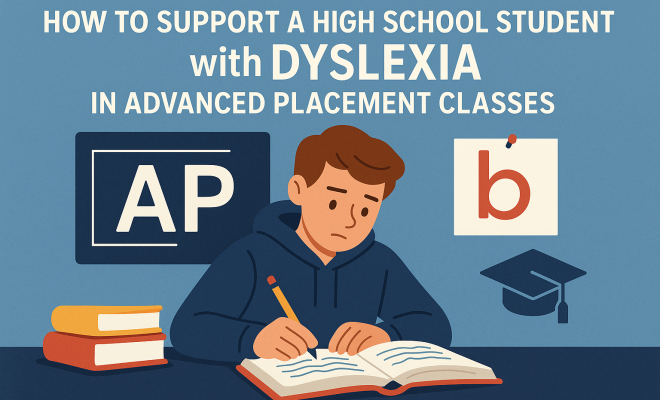
As the demand for rigorous coursework in high school increases, many students, including those with dyslexia, are eager to take Advanced Placement (AP) classes. However, the unique challenges dyslexic students face can make navigating these advanced courses daunting. Understanding how to support dyslexic students in AP classes is essential for educators, parents, and peers alike. This article outlines seven effective strategies to ensure that these students thrive in a challenging academic environment.
1. Understand the Nature of Dyslexia
Dyslexia is a specific learning disability that primarily affects reading and language processing. Contrary to common misconceptions, dyslexia is not related to intelligence; in fact, many dyslexic individuals are exceptionally bright and creative. They often think outside the box, which can be an asset in advanced classes. However, the difficulties with decoding, fluency, and comprehension can lead to struggles, particularly in rigorous academic settings like AP courses.
Educators and parents must recognize that dyslexia manifests differently in each individual. While some students may struggle primarily with reading, others might find it challenging to organize their thoughts when writing essays or synthesizing information from multiple sources. Understanding these specific challenges can help tailor support strategies to meet each student’s needs effectively.
2. Incorporate Multi-Sensory Learning Techniques
Multi-sensory learning techniques combine visual, auditory, and kinesthetic approaches, making information more accessible for dyslexic students. For example, when teaching literature, educators can employ audio recordings of texts, visual aids like graphic organizers, and hands-on activities that reinforce concepts. This approach not only aids comprehension but also enhances retention.
For instance, when studying historical events, teachers can use videos, interactive timelines, and role-playing exercises to help students grasp complex narratives. By catering to different learning styles, educators can create a more inclusive classroom environment where dyslexic students feel empowered to participate actively.
3. Provide Accommodations and Modifications
Accommodations are essential for supporting dyslexic students in AP classes. These adjustments can include extended time on tests, access to technology such as speech-to-text software, and alternative formats for assignments. For example, allowing students to use audiobooks instead of traditional texts can significantly ease the reading burden.
Moreover, teachers should also consider modifying assignments to align with students’ strengths. For example, if a student struggles with written essays, they could be allowed to present their understanding of the material through a multimedia project. Such modifications help ensure that dyslexic students can demonstrate their knowledge without being hindered by their learning disability.
4. Create an Inclusive Classroom Environment
An inclusive classroom atmosphere is crucial for fostering confidence in dyslexic students. Teachers can cultivate this environment by promoting an open dialogue about learning differences. When students feel comfortable discussing their challenges, it can lead to greater peer support and understanding.
Encouraging collaboration among students also helps create a sense of community. Group projects allow dyslexic students to share their strengths while learning from their peers. By fostering positive relationships and teamwork, students can help each other navigate the complexities of AP coursework more effectively.
5. Encourage Self-Advocacy
Empowering dyslexic students to advocate for themselves is a vital skill that will benefit them throughout their academic and professional careers. Teachers and parents should encourage students to articulate their needs and seek assistance when necessary. This could involve discussing specific accommodations with instructors or simply asking for clarification on assignments.
Workshops or counseling sessions that focus on self-advocacy skills can be immensely helpful. Teaching students to recognize their strengths, understand their challenges, and articulate their needs not only fosters independence but also enhances their confidence in academic settings. (See: Understanding dyslexia and its challenges.)
6. Utilize Technology and Resources
In today’s digital age, a wealth of resources is available to support dyslexic students. Various software programs can assist with reading, writing, and organization. For instance, applications like Grammarly and Co:Writer offer spelling and grammar assistance, while tools like Read&Write provide text-to-speech functionalities.
Additionally, many educational platforms now incorporate features designed specifically for students with learning disabilities. Schools should ensure that students are aware of these resources and provide training on how to use them effectively. Providing access to assistive technology can level the playing field in AP classes and help dyslexic students succeed.
7. Foster Communication Between Home and School
Regular communication between parents and educators is essential for supporting dyslexic students in AP classes. Parents can offer insights into their child’s specific needs and effective strategies that have worked at home. Conversely, teachers can provide updates on academic progress and areas where the student may require additional support.
Establishing a structured communication plan, such as regular check-ins or progress reports, can keep both parties informed and engaged in the student’s education. This collaborative approach creates a supportive network for students, enabling them to flourish in their academic pursuits.
8. Understanding the AP Curriculum and Its Challenges
The AP curriculum is designed to be challenging and to prepare students for the rigors of college. However, this level of difficulty can be particularly daunting for dyslexic students. The fast pace and volume of content can exacerbate their difficulties with reading comprehension and time management. Research shows that dyslexic students may require different approaches to effectively engage with the AP coursework.
One study from the National Center for Learning Disabilities indicated that students with dyslexia often take longer to complete reading assignments and may struggle with the dense texts typically found in AP classes. This highlights the necessity for educators to adapt their teaching methods and provide additional support tailored to these students. For instance, breaking down complex texts into manageable chunks can help dyslexic students better understand and retain the information.
9. Implementing Peer Support Programs
Peer support programs can play a significant role in helping dyslexic students navigate AP classes. Pairing students with understanding peers can create a mentorship dynamic that encourages collaboration and support. These programs can be as simple as study groups or more structured mentoring systems where older students guide younger dyslexic students through the challenges of AP coursework.
For example, schools can implement a buddy system where students with dyslexia are paired with peers who excel in AP classes. This allows for shared learning experiences, providing dyslexic students with strategies and insights from those who are successfully managing the coursework. Moreover, it fosters a sense of community and belonging that can boost confidence and motivation.
10. Engagement with Specialized Educators
Many schools employ specialized educators who have training in supporting students with learning disabilities. Engaging with these experts can provide additional resources and strategies tailored specifically for dyslexic students in AP classes. Specialized educators can offer focused instruction and support in areas where dyslexic students may struggle the most.
It’s worth noting that individualized education plans (IEPs) or 504 plans can also play a critical role in providing necessary accommodations. Educators should work closely with these specialists to ensure that dyslexic students receive the appropriate support to thrive in AP courses. Regular meetings to review and adjust these plans can help maintain a focus on the student’s evolving needs.
11. Statistics on Dyslexia and Academic Performance
Statistics reveal the challenges faced by dyslexic students, especially in high-achieving academic environments. According to the International Dyslexia Association, approximately 15-20% of the population has some symptoms of dyslexia, and about 5-10% have a more severe form that can significantly impact their academic performance.
A recent survey indicated that dyslexic students are less likely to enroll in AP classes compared to their neurotypical peers, often due to a lack of confidence in their abilities. In fact, a study conducted by the National Center for Learning Statistics found that only 2% of dyslexic students enrolled in AP classes despite showing the potential to excel. This statistic underscores the need for effective support systems that encourage and guide these students into advanced coursework. (See: National Institutes of Health on dyslexia.)
12. Frequently Asked Questions (FAQ)
Q1: How can I identify if a student is struggling in an AP class due to dyslexia?
A1: Look for signs such as difficulty with reading comprehension, slow reading speed, or challenges in organizing written work. Teachers should also communicate with parents and utilize assessments to gauge the student’s abilities and challenges.
Q2: What are some specific accommodations that can be made in AP classes?
A2: Common accommodations include extra time on tests, the use of audio materials, and alternative formats for assignments. Allowing the use of technology like speech-to-text software can also be beneficial.
Q3: Are there specific study strategies that can help dyslexic students in AP classes?
A3: Yes! Strategies such as breaking down assignments into smaller tasks, using graphic organizers, and engaging in multi-sensory learning can greatly aid in comprehension and retention.
Q4: How can teachers encourage dyslexic students to participate in class discussions?
A4: Creating a safe and supportive environment is key. Teachers can use inclusive questioning techniques, provide wait time for responses, and encourage group work to build confidence in sharing ideas.
Q5: What role do parents play in supporting their dyslexic child in AP classes?
A5: Parents can advocate for their child’s needs, support their learning at home, and maintain open communication with teachers. They are crucial in reinforcing self-advocacy skills and providing emotional support.
Q6: How can technology be integrated effectively for dyslexic students?
A6: Technology can be integrated through the use of specialized software, educational apps, and online resources that cater to different learning styles. Training sessions on utilizing these tools can empower students.
13. Additional Strategies for Supporting Dyslexic Students
While the previously discussed strategies are crucial, there are additional approaches that can further bolster the educational experience of dyslexic students in AP classes.
13.1 Utilizing Graphic Organizers
Graphic organizers can be invaluable tools for dyslexic students. These visual aids help break down complex information into more digestible parts, allowing students to see relationships and hierarchies within the material. For instance, using a mind map can help students organize their thoughts before writing essays. This can reduce anxiety and enhance clarity in their writing process, enabling them to express their ideas more effectively.
13.2 Creating a Structured Study Schedule
Having a structured study schedule can be particularly beneficial for dyslexic students who may struggle with time management. Educators and parents can work together to create a timetable that breaks down study sessions into manageable chunks, interspersed with breaks. This approach not only helps prevent burnout but also allows students to focus more intently during their study periods, leading to better retention of information.
13.3 Encouraging a Growth Mindset
Fostering a growth mindset can significantly impact how dyslexic students perceive their abilities. Encouraging students to view challenges as opportunities for growth rather than insurmountable obstacles can enhance their resilience. Teachers can integrate discussions about famous individuals with dyslexia who have succeeded in their fields, illustrating that with perseverance, they too can overcome challenges and achieve their goals. (See: CDC resources on dyslexia.)
14. Real-Life Success Stories
To inspire dyslexic students and reinforce the importance of support, sharing success stories can be powerful. Numerous well-known figures, including Richard Branson, Agatha Christie, and Steven Spielberg, have publicly shared their experiences with dyslexia and how they overcame obstacles to achieve great success.
For instance, Richard Branson, the founder of Virgin Group, has spoken about how his dyslexia fueled his entrepreneurial spirit. He emphasizes that his learning difference forced him to think creatively and approach problems from unique angles. Such narratives can serve as motivation for students, showing them that dyslexia doesn’t define their capabilities.
15. The Role of Teacher Training
Effective teacher training is crucial in equipping educators with the skills to support dyslexic students in AP classes. Professional development programs that focus on learning disabilities can provide teachers with strategies and insights into the unique needs of these students. Training can include how to implement accommodations effectively, utilize assistive technology, and create inclusive lesson plans that cater to diverse learning styles.
Additionally, ongoing training ensures that teachers stay informed about the latest research and best practices in the field of special education. This ongoing professional growth can lead to improved teaching outcomes for dyslexic students and foster a more inclusive educational environment overall.
16. Building a Support Network
Creating a support network that includes teachers, parents, specialists, and peers can provide dyslexic students with the guidance and encouragement they need to succeed in AP classes. This network can share resources, strategies, and emotional support, making the educational journey more collaborative and less isolating for the student.
Schools can facilitate the formation of these networks through workshops and meetings that bring together parents and educators. Open discussions about the challenges and successes of dyslexic students can lead to more tailored support and shared strategies that work across different settings.
17. Conclusion: Committing to Support
Supporting dyslexic students in AP classes is a multifaceted endeavor that requires understanding, resources, and collaboration. By implementing these strategies, along with fostering communication and specialized support, educators, parents, and peers can create a nurturing environment where dyslexic students not only survive but thrive in challenging academic settings. It’s crucial to remember that with the right support, these students can excel and bring their unique perspectives and talents to the table, enriching the educational experience for everyone involved.
“`
Trending Now
Frequently Asked Questions
How can I help my dyslexic child succeed in AP classes?
To support a dyslexic child in AP classes, understand their unique challenges and incorporate multi-sensory learning techniques. Use audio recordings, visual aids, and hands-on activities to make content more accessible. Additionally, provide tailored strategies for reading, writing, and organizing thoughts.
What are effective strategies for teaching students with dyslexia?
Effective strategies for teaching students with dyslexia include using multi-sensory learning methods, providing clear and structured instructions, and offering additional time for assignments. Encouraging the use of technology, such as text-to-speech tools, can also enhance their learning experience.
Can students with dyslexia take Advanced Placement classes?
Yes, students with dyslexia can absolutely take Advanced Placement classes. With the right support, such as understanding their specific challenges and utilizing multi-sensory learning techniques, they can thrive in these rigorous academic environments.
What is dyslexia and how does it affect learning?
Dyslexia is a specific learning disability that primarily affects reading and language processing. It can lead to difficulties in decoding, fluency, and comprehension, which may pose challenges in advanced courses like AP classes. However, many dyslexic individuals are highly creative and intelligent.
What resources are available for students with dyslexia in high school?
Resources for high school students with dyslexia include specialized tutoring, access to assistive technology, and multi-sensory learning tools. Schools may also provide accommodations such as extended time on tests and assignments to help these students succeed academically.
What did we miss? Let us know in the comments and join the conversation.