2026 Midterms: Political Ad Spending to Hit Record $11.6 Billion
“`html
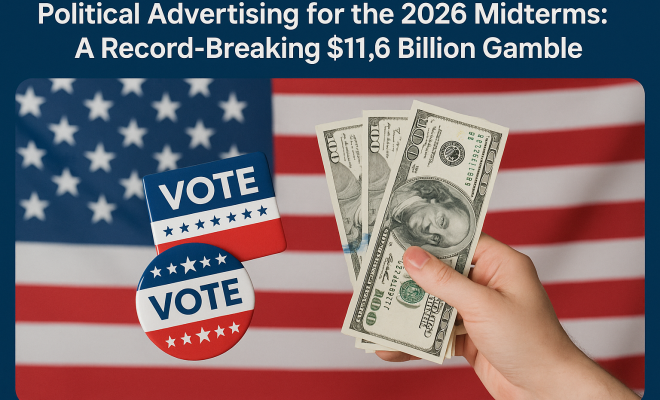
The stakes are high as we approach the 2026 midterm elections, with political advertising expenditures projected to reach an astonishing $11.6 billion. This figure not only dwarfs previous midterm totals but also surpasses the anticipated spending for the 2024 presidential election, setting the stage for a campaign environment fueled by an unprecedented amount of money. Understanding the implications of this spending spree requires a closer look at how it shapes the political landscape, influences candidates, and impacts voters.
The Landscape of Political Advertising
Political advertising serves as the battleground where candidates vie for attention, support, and ultimately, the votes that will determine their electoral fates. In recent years, the costs associated with campaigning have surged, resulting in staggering figures that can easily boggle the mind. The projected $11.6 billion for the 2026 midterms marks a significant escalation in spending habits, reflecting both the high stakes involved and the ever-evolving nature of campaigning in the digital age.
One of the critical drivers behind this increase is the rapid growth of digital advertising platforms. Social media giants like Facebook, Instagram, and Twitter have become essential tools for political campaigns, allowing candidates to directly reach voters in ways that traditional media cannot. This shift not only amplifies the reach of political messages but also contributes to the overall spike in advertising costs.
Why Such a Dramatic Increase?
Several factors contribute to the anticipated record spending for 2026 midterm elections advertising. First and foremost, the polarization of American politics cannot be overlooked. Voter engagement has surged, particularly among younger demographics who are more likely to consume political content online. According to research from the Pew Research Center, nearly 70% of Americans use social media to engage with political content, creating a fertile ground for campaigns to invest heavily in advertising.
Additionally, the stakes are incredibly high for both parties. Control of Congress could hinge on a handful of battleground states, prompting candidates to pour resources into advertising campaigns that can sway undecided voters. The 2026 midterms will be pivotal in determining the future direction of U.S. policy on a range of important issues, from healthcare to climate change, making every campaign dollar spent potentially transformative.
Impact on Candidates and Campaign Strategies
In the face of mounting advertising costs, candidates are adapting their strategies to maximize their reach and impact. Many campaigns are expanding their digital outreach, focusing on targeted ads that speak directly to specific demographics. This approach allows candidates to tailor their messages and engage voters on issues that matter most to them.
Moreover, the sheer volume of advertising can create both opportunities and challenges for candidates. On one hand, increased spending can elevate lesser-known candidates to prominence, providing them with a chance to compete against more established rivals. On the other hand, the overwhelming noise can drown out individual messages, leading candidates to adopt more aggressive and innovative tactics to capture voter attention.
The Role of Media Buying in 2026 Midterm Elections Advertising
The media buying landscape is evolving alongside the changing dynamics of political advertising. As campaigns allocate unprecedented budgets toward media buys, there is a growing competition for advertising slots across various platforms. Traditional forms of media, such as television and radio, remain crucial, but digital platforms are rapidly gaining ground.
In essence, candidates must now consider a multi-channel approach to their advertising strategies. This includes a mix of television spots, radio ads, social media campaigns, and digital displays. The key will be for candidates to identify where their target voters consume information and to allocate resources accordingly. The most successful campaigns will likely be those that effectively blend traditional advertising with innovative digital strategies, creating a cohesive message that resonates across platforms.
Social Media’s Influence on Political Advertising
Social media continues to be a game changer in the world of political advertising. With platforms like Facebook and Twitter providing candidates with direct access to voters, the dynamics of campaigning have shifted dramatically. The ability to engage with constituents, respond to criticisms, and rally support in real-time has made social media an indispensable tool for political campaigns.
However, this trend also presents challenges. Misinformation can spread rapidly on these platforms, complicating the advertising landscape. In response, platforms have implemented measures to ensure transparency, such as labeling political ads and requiring disclosures about funding sources. Despite these efforts, the effectiveness of such measures remains a topic of debate, particularly as the complexities of digital advertising continue to evolve. (See: impact of political advertising.)
Who Stands to Benefit from Increased Advertising Spending?
The influx of cash into the 2026 midterm elections advertising landscape raises important questions about who will benefit most from this spending spree. Established candidates with robust fundraising networks are likely to dominate the airwaves, but there remains potential for underdogs to make unexpected gains.
Moreover, political action committees (PACs) and super PACs are expected to play a significant role in shaping the outcome of the elections. With their ability to raise unlimited funds, these entities can amplify candidate messages and fund advertising campaigns that might otherwise be out of reach for lesser-known candidates.
Additionally, media companies and technology platforms are poised to profit handsomely from this spending surge. As campaigns vie for prime advertising slots, the revenue generated by these platforms could reach unprecedented heights. This means that while candidates may be fighting for votes, the media landscape stands to gain significantly from their escalating expenditures.
Voter Engagement and Public Sentiment
As advertising spending skyrockets, voter engagement will undoubtedly play a crucial role in determining the outcome of the elections. High-profile campaigns often lead to increased turnout, particularly among young voters who may feel more inclined to participate when they see their issues prominently featured in advertisements.
However, it’s essential to consider the potential backlash that can arise from over-saturation of political ads. As voters are bombarded with messages, they may become fatigued or disillusioned, which could have a counterproductive effect on turnout. Striking the right balance between visibility and resonance will be paramount for candidates hoping to galvanize support.
The Future of Political Advertising
Looking ahead, it’s clear that the landscape of political advertising will continue to evolve. As technology advances and voter preferences shift, candidates will need to adapt their strategies to remain relevant and effective. The projected $11.6 billion spending for the 2026 midterm elections is just a glimpse into what the future holds.
Emerging technologies like artificial intelligence (AI) and data analytics will likely play a significant role in shaping the next generation of political advertising. Campaigns that leverage these tools to better understand voter behavior and preferences will be better positioned to craft targeted messages that resonate with constituents.
The Broader Implications of Escalating Political Advertising
The explosion of spending in political advertising isn’t just a financial issue; it has profound implications for democracy and public discourse. The amount of money flowing into campaigns raises questions about the influence of money in politics, the potential for corruption, and the accessibility of the electoral process for ordinary citizens.
In an environment where candidates are often beholden to their donors and super PACs, it’s essential to scrutinize the relationship between campaign financing and policy decisions. As the 2026 midterms approach, voters must remain vigilant about who is backing their candidates and how that might impact their governance.
Ad Spending by State: An In-Depth Look
Understanding where the vast amount of advertising dollars will be spent is crucial for grasping the landscape of the 2026 midterm elections. Key battleground states like Pennsylvania, Arizona, Georgia, and Michigan are expected to see the highest levels of spending. For instance, analysts predict that Arizona could attract upwards of $1 billion in advertising expenditures alone, as both parties scramble to capture this crucial swing state.
In Pennsylvania, the stakes are equally high. With its rich electoral votes and diverse population, candidates will likely pour resources into both television and digital ads to sway voters in urban centers like Philadelphia and Pittsburgh. A recent study from the Center for Political Communication at the University of Delaware indicates that battleground states are expected to account for nearly two-thirds of the total advertising spend for the midterms, illustrating how concentrated the competition will be in these regions.
Impact of Digital Advertising Trends
As the political advertising landscape shifts toward digital platforms, it’s essential to examine the types of ads that resonate most with voters. Video content is becoming increasingly popular, capturing the attention of younger audiences who prefer engaging, dynamic visuals over static images or text-based ads.
Campaigns are also experimenting with interactive formats such as polls, quizzes, and live Q&A sessions on platforms like Instagram and TikTok. According to a report from the Digital Advertising Alliance, campaigns that utilize interactive content see a 50% increase in engagement rates compared to traditional advertisements. This trend indicates that candidates will need to invest in not just visibility but in creating meaningful interactions with potential voters. (See: 2022 political advertising trends.)
The Role of Data Analytics in Targeted Advertising
Data analytics is transforming how campaigns approach voter outreach. By analyzing voter demographics, online behavior, and even social media interactions, campaigns can better target their advertisements. For example, a candidate may choose to run ads highlighting environmental policies in districts where climate change is a top concern, while focusing on healthcare in areas with higher elderly populations.
This level of targeting can lead to more effective use of advertising dollars. According to research conducted by the National Democratic Institute, targeted ads can yield conversion rates as high as 15% when directed toward specific audiences, compared to an overall average of 2-3% for general ads. This illustrates not only the importance of data in campaign strategy but also the competitive edge that can be gained through proper analysis.
Engaging the Youth Vote
Younger voters are a significant demographic in the 2026 midterm elections, and campaigns are increasingly recognizing the importance of engaging this group through digital advertising. A recent report from CIRCLE at Tufts University found that 18-24-year-olds are more likely to engage with political content that feels authentic and relatable. Campaigns that prioritize storytelling, humor, and real-life impact in their ads may have a better chance of resonating with this demographic.
Additionally, platforms like TikTok, which cater predominantly to a younger audience, are becoming critical for outreach. Successful campaigns may leverage influencers and user-generated content to create viral moments that can amplify their messages and increase turnout among young voters.
FAQs about 2026 Midterm Elections Advertising
What is the projected total spending for the 2026 midterm elections advertising?
Political advertising expenditures for the 2026 midterm elections are projected to reach approximately $11.6 billion, surpassing previous midterm totals and even the expected spending for the 2024 presidential election.
How will spending vary across different states?
Spending is expected to be concentrated in battleground states such as Arizona, Pennsylvania, Georgia, and Michigan, where candidates will invest heavily in both traditional and digital advertising to sway undecided voters.
What role does social media play in political advertising?
Social media platforms like Facebook, Instagram, and Twitter have become essential tools for political campaigns. They allow candidates to engage with voters directly, target specific demographics, and respond to criticisms in real-time.
How do PACs and super PACs influence election outcomes?
PACs and super PACs can raise unlimited funds and contribute significantly to candidate campaigns. They amplify candidate messages and support advertising efforts that might be out of reach for lesser-known candidates, potentially swaying election outcomes.
What challenges do candidates face with increased advertising spending?
While increased spending can elevate lesser-known candidates, it can also lead to advertising saturation, which may cause voter fatigue and disillusionment. Candidates must find a balance between visibility and meaningful engagement with voters.
How is data analytics changing the landscape of political advertising?
Data analytics enables campaigns to target their advertising more effectively by analyzing voter demographics and behavior. This allows for tailored messages that resonate, improving engagement rates and optimizing advertising spend.
What types of content are most effective in digital political ads?
Engaging video content tends to be the most effective in reaching voters, particularly younger audiences. Interactive formats, such as quizzes and live Q&As, also boost engagement by creating a more personal connection with voters.
Are there regulations governing political advertising?
Yes, there are regulations that govern political advertising, including disclosure requirements for funding sources and limits on contributions from certain entities. However, enforcement can vary, and loopholes often exist.
How can voters protect themselves from misinformation in political ads?
Voters can protect themselves by seeking information from multiple reliable sources, fact-checking claims made in ads, and being aware of the motivations behind the advertising campaigns they encounter.
The Economic Impact of Advertising on Local Markets
The surge in advertising spending for the 2026 midterm elections is not just a candidate-centric phenomenon; it also has broader economic implications. Local markets in battleground states can experience significant boosts as candidates and their supporters pour money into advertising, event spaces, and related services. Economists estimate that for every dollar spent on political advertising, local economies can see a multiplier effect that stimulates growth in sectors such as hospitality, retail, and media. For example, local television stations may see increased revenues from ad buys, allowing them to invest in community initiatives or hire more staff.
Case Studies: Successful Political Campaigns in Previous Elections
To better understand the impact of advertising on election outcomes, examining successful campaigns from previous elections can provide valuable insights. The 2020 presidential election saw Joe Biden’s campaign effectively utilize digital advertising to target specific demographics, particularly in crucial swing states. By focusing on issues like the pandemic response and social justice, they managed to resonate with younger voters and suburban women, leading to a strong voter turnout.
On the other hand, the 2016 election highlighted the effectiveness of micro-targeting in political advertising. Donald Trump’s campaign used data analytics to identify and appeal to niche voter segments, successfully swaying key demographics in battleground states. These case studies underline the importance of strategic advertising spending and the need for campaigns to adapt to the changing dynamics of voter behavior.
The Ethical Considerations of Political Advertising
As political advertising spending skyrockets, ethical considerations become increasingly relevant. Advertisements can sometimes blur the line between persuasion and manipulation, raising concerns about the integrity of the electoral process. Factors such as the use of negative campaigning, which can create an atmosphere of fear and distrust, should be carefully considered. Candidates must navigate the fine line between being assertive in their messaging and engaging in unethical practices that may undermine democratic principles.
Preparing Voters for the Upcoming Midterms
As we gear up for the 2026 midterm elections, it’s essential for voters to remain informed and engaged. Understanding the impact of advertising can help voters critically analyze the messages they encounter. Organizations and civic groups are working tirelessly to educate voters about their candidates and the issues at stake. Voter education campaigns can empower individuals to make informed choices, encouraging participation and fostering a healthier democratic process.
Conclusion: Preparing for a Record-Setting Election Cycle
The 2026 midterm elections are set to be a record-setting cycle not just in terms of spending but also in the intensity and stakes involved. With $11.6 billion projected to be poured into political advertising, each campaign will be a high-stakes battle for hearts and minds, making it crucial for voters to stay informed and engaged. As we move closer to this pivotal moment in American politics, the implications of this spending will resonate far beyond the election results, shaping the future of how campaigns are conducted and how democracy functions in an increasingly complex world.
“`
Trending Now
- this guide on how social pragmatics role play can revolutionize middle school learning
- this guide on 7 reasons students with adhd struggle with pragmatic language skills
- this guide on understanding pragmatics challenges in english language learners: key insights for teachers
- read the full story
Frequently Asked Questions
How much is being spent on political advertising for the 2026 midterms?
Political advertising expenditures for the 2026 midterms are projected to reach a staggering $11.6 billion, surpassing previous midterm totals and even the anticipated spending for the 2024 presidential election.
What factors are driving the increase in political advertising costs?
The increase in political advertising costs is driven by factors such as the polarization of American politics, heightened voter engagement, particularly among younger demographics, and the rise of digital advertising platforms like social media.
How does digital advertising impact political campaigns?
Digital advertising significantly impacts political campaigns by allowing candidates to reach voters directly through platforms like Facebook and Twitter, which amplifies their messages and contributes to the overall spike in advertising costs.
What role does social media play in political advertising?
Social media plays a crucial role in political advertising by enabling candidates to engage directly with voters and share content in real-time, which has become essential in modern campaigning and has led to increased spending.
How has voter engagement changed in recent elections?
Voter engagement has surged in recent elections, especially among younger demographics, with nearly 70% of Americans using social media to engage with political content, influencing both campaign strategies and advertising expenditures.
What did we miss? Let us know in the comments and join the conversation.