America’s Democracy Crisis: A Bipartisan Discontent
“`html
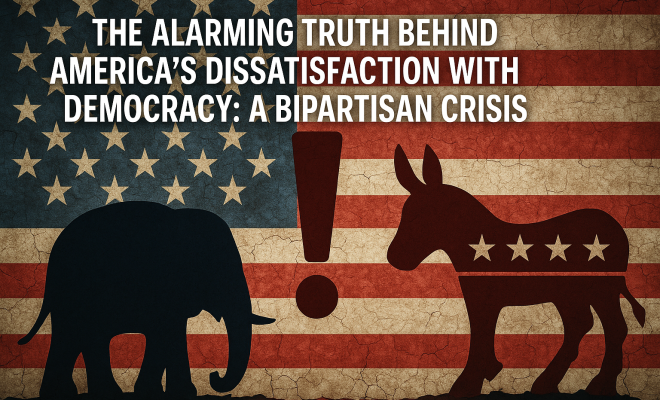
The United States is at a crossroads, and the pulse of the nation is palpable. Recent findings from the Pew Research Center reveal a stark reality: dissatisfaction with democracy is not just a passing sentiment; it’s a deep-seated concern shared by a significant portion of the American populace. According to the report, an overwhelming 86% of Democrats and 51% of Republicans express dissatisfaction with the current state of American democracy. This alarming statistic underscores a political landscape fraught with discontent, bridging divides across party lines and illuminating profound frustrations that resonate widely among citizens.
Understanding the Landscape of Dissatisfaction
To grasp the magnitude of this issue, one must delve into the reasons behind this dissatisfaction with democracy. The Pew Research Center’s study highlights that the disillusionment stems from various factors—including governance, institutional trust, and the perceived efficacy of political leaders. While the motivations may vary between parties, the shared sentiment of frustration is a critical indicator of current political health.
For Democrats, the dissatisfaction may be tied to perceptions that the party in power is not delivering on promises, particularly regarding social justice, healthcare reform, and climate change initiatives. Conversely, many Republicans may voice discontent due to feelings of being sidelined or ignored in political discourse, especially during a time when their party is not in the White House. Nevertheless, the alarming rates of dissatisfaction reveal a broader issue: Americans, regardless of political affiliation, are increasingly skeptical about the effectiveness of their democracy.
The Emotional Underpinning of Discontent
Dissatisfaction with democracy is not merely a statistic; it taps into a complex emotional landscape that encompasses identity, fear, and conflict. This emotional undercurrent is what drives political discussions and shapes public opinion. When you consider how deeply personal political beliefs are tied to one’s identity, the anger and frustration become more understandable.
For many, voting is not just a civic duty—it’s a reflection of core values, ideologies, and visions for the future. When citizens feel that their voices are not being heard or that the system is rigged against them, it breeds a sense of betrayal. As trust in political leaders and institutions wanes, the natural reaction is to express dissatisfaction, often venting frustrations on social media platforms where these discussions gain traction and can go viral.
The Role of Media in Shaping Perspectives
The amplification of dissatisfaction with democracy has been exacerbated by the 24-hour news cycle and the rise of social media. Information—whether factual or misleading—spreads rapidly, shaping perceptions and often inflaming tensions. Daily reports on political turmoil, congressional gridlock, and electoral controversies fuel narratives of dysfunction.
Journalists and media outlets play a significant role in framing the conversation around democracy. Sensational headlines and polarized reporting can contribute to a toxic cycle of discontent. It’s not uncommon for individuals to feel overwhelmed by the barrage of negative news, which can overshadow positive developments and narratives. This phenomenon underscores the importance of responsible journalism and the need for balanced reporting in an era of sensationalism.
The Impact of Polarization on Governance
Another critical factor contributing to dissatisfaction with democracy is the growing polarization in American politics. A recent study found that a significant number of Americans view the opposing party as a threat to the nation rather than simply as adversaries with differing viewpoints. This shift in perception has profound implications for governance.
With rising polarization, cooperation between parties has become increasingly rare. The reluctance to engage in bipartisan discussions or compromise is evident in legislative processes, often resulting in gridlock. When politicians put party loyalty above the needs of the people, it fosters further disillusionment among voters. Citizens expect their leaders to work together, and when that expectation is unmet, it only deepens the chasm of dissatisfaction.
Institutional Trust: A Key Component of Democracy
Trust in institutions is a cornerstone of a functional democracy. However, the Pew Research Center’s findings indicate a troubling trend: institutional trust has sharply declined among the American populace. When citizens don’t trust their government, the legitimacy of democratic processes is called into question.
Factors contributing to this decline in trust include perceived corruption, inefficiency, and a lack of transparency in governance. High-profile scandals, such as the ongoing investigations into the actions of public officials, serve as reminders of the fragility of trust in democracy. This erosion of faith not only impacts how individuals view their leaders but also how they engage with the democratic process. Voter turnout, civic participation, and engagement in community initiatives may suffer as a result of this waning trust. (See: BBC coverage on US democracy.)
The Consequences of Discontent
The consequences of widespread dissatisfaction with democracy can be dire. When citizens lose faith in the electoral process, the very foundation of democracy is jeopardized. Low voter turnout, increased apathy, and radicalization can emerge as individuals feel their voices no longer matter.
Moreover, dissatisfaction can lead to the emergence of populist movements, which, while offering an outlet for frustration, often eschew democratic norms in favor of more authoritarian approaches. This paradox poses a serious threat to democratic institutions and principles, as populist leaders may exploit discontent to undermine checks and balances in governance.
Addressing the Crisis: Pathways to Rebuild Trust
So, what can be done to address this burgeoning dissatisfaction with democracy? Rebuilding trust in democratic institutions is imperative and requires a multi-faceted approach. First, transparency is essential. Government agencies must prioritize clear communication with citizens, ensuring that policies and decisions are made openly and understood by the public.
Engaging in electoral reforms can also help restore faith in the democratic process. Initiatives like ranked-choice voting or automatic voter registration may encourage greater participation and inclusivity in elections, allowing citizens to feel that their voices carry weight. Additionally, fostering a political culture that values bipartisanship and collaboration over divisive rhetoric is crucial for restoring respect and trust among the electorate.
The Role of Education in Fostering Democratic Engagement
Education plays a vital role in creating an informed citizenry capable of engaging with democratic processes. A curriculum focused on civic education can empower individuals to understand their rights and responsibilities, encouraging active participation in democracy. By providing resources and tools for critical thinking, young people can be equipped to navigate complex political landscapes and engage constructively with divergent viewpoints.
Moreover, fostering discussions about democracy and its challenges on college campuses, in community organizations, and within families can help bridge divides and cultivate a culture of engagement and respect for differing opinions. The more individuals can engage in civil discourse, the more likely they are to feel connected to the democratic process.
The Future of American Democracy
As we look ahead, the future of American democracy remains uncertain. The growing dissatisfaction isn’t just a fleeting moment; it reflects deeper structural issues that require urgent attention. It’s crucial for all stakeholders—politicians, citizens, and the media—to acknowledge and address the underlying causes of discontent.
While the challenge is significant, it is not insurmountable. By prioritizing transparency, fostering civic engagement, and encouraging education, there is a chance to rebuild trust in democratic institutions and rekindle faith in the political process. The hope is that as Americans confront the challenges of dissatisfaction with democracy, they will find common ground and work toward a future that honors the principles of democracy and serves the interests of all citizens.
Exploring Global Perspectives on Dissatisfaction with Democracy
While dissatisfaction with democracy is a pressing issue in the United States, it’s essential to acknowledge that similar sentiments are echoed in many other democracies worldwide. Recent surveys conducted by organizations like the International Institute for Democracy and Electoral Assistance (IDEA) reveal that citizens in various countries, including several in Europe and Latin America, share feelings of discontent regarding their democratic systems. For instance, in Brazil, a significant portion of the population expressed cynicism about their representatives, leading to widespread protests demanding more accountability.
This global perspective is crucial because it indicates a shared experience in the struggle for democratic satisfaction. Issues such as government responsiveness, corruption, and social inequality are prevalent themes that cross international borders. Understanding how other nations respond to these challenges can provide valuable insights for American policymakers and citizens alike.
Statistics and Data on Global Dissatisfaction with Democracy
According to a 2022 survey conducted by IDEA, 55% of respondents from 40 democracies reported feeling dissatisfied with the way democracy works in their country. This statistic is alarming and indicates that the problem of democratic dissatisfaction is not unique to the United States. Furthermore, a significant number of respondents cited issues such as a lack of political representation and government corruption as primary reasons for their discontent.
Comparing these findings to the U.S., where over 60% of respondents expressed similar concerns, it becomes clear that dissatisfaction with democracy spans various political landscapes. Such data can prompt a reevaluation of strategies to enhance democratic engagement and transparency across the globe, not just in the U.S.
The Importance of Civic Participation and Grassroots Movements
One avenue for addressing dissatisfaction is through increased civic participation and the mobilization of grassroots movements. These movements have the potential to reinvigorate democratic engagement by giving citizens a platform to express their concerns and advocate for change. The rise of organizations like Indivisible and March for Our Lives in the United States exemplifies how grassroots initiatives can effectively mobilize citizens disenchanted with the current political climate. (See: New York Times on democracy dissatisfaction.)
These movements often focus on specific issues—such as gun control, climate change, or immigration reform—that resonate deeply with citizens. By organizing protests, campaigns, and outreach initiatives, they empower individuals to take an active role in shaping their democracy. Moreover, grassroots organizations often emphasize inclusivity, ensuring that diverse voices are heard and represented. This inclusivity can help bridge the widening divides that contribute to dissatisfaction with democracy.
Expert Perspectives on Rebuilding Trust in Democracy
To explore solutions to the crisis of dissatisfaction with democracy further, it can be beneficial to look to experts in the fields of political science, sociology, and public policy. Renowned political scientists like Robert Putnam have pointed to the importance of social capital in fostering trust and engagement within communities. Putnam’s research emphasizes that strong community ties can significantly enhance civic participation, thereby revitalizing democracy.
Experts also suggest that creating platforms for dialogue and deliberation can help bridge the partisan divide. Initiatives such as citizen assemblies and town hall meetings encourage discussions among citizens with differing views, fostering understanding and collaboration. By promoting these forms of engagement, communities can work towards a more cohesive society that values democratic principles.
Frequently Asked Questions (FAQ)
What are the primary causes of dissatisfaction with democracy in the United States?
The primary causes include perceived government inefficiency, corruption, a lack of representation, and increasing polarization among political factions.
How does dissatisfaction with democracy impact voter turnout?
Dissatisfaction can lead to lower voter turnout as citizens may feel disillusioned about the electoral process, believing that their vote does not make a difference.
Are there any successful examples of restoring trust in democracy?
Yes, several countries have implemented reforms such as participatory budgeting and enhanced electoral transparency that have successfully increased public trust and engagement.
How can education systems help combat dissatisfaction?
By incorporating civics education into curricula, schools can equip students with the knowledge and skills necessary to engage in democratic processes and understand their rights and responsibilities.
What role does social media play in shaping public dissatisfaction?
Social media amplifies both positive and negative sentiments towards democracy. It can serve as a platform for mobilization and information sharing, but it can also spread misinformation and foster division.
What are some potential reforms that could improve democracy?
Potential reforms include ranked-choice voting, campaign finance reform, improved voter access, and policies promoting bipartisanship in Congress.
Is dissatisfaction with democracy a global issue?
Yes, dissatisfaction with democracy is a global issue, experienced in various forms across multiple countries, reflecting systemic challenges in democratic governance worldwide.
How can individuals contribute to rebuilding trust in democracy?
Individuals can engage in community volunteering, participate in local governance, educate themselves and others about political issues, and hold leaders accountable through advocacy and activism.
What is the role of political leaders in addressing dissatisfaction?
Political leaders must prioritize transparency, accountability, and bipartisanship to rebuild trust. They should actively engage with constituents and address their concerns to demonstrate a commitment to democratic principles.
The Effects of Economic Factors on Dissatisfaction with Democracy
Another critical aspect influencing dissatisfaction with democracy is economic conditions. Economic inequality, stagnating wages, and rising living costs contribute to a pervasive sense of disenfranchisement among many citizens. When people feel that the system is rigged in favor of the wealthy or those with political connections, their faith in democratic processes erodes. Recent studies indicate that economic insecurity often correlates with lower satisfaction rates with democracy, as individuals grapple with financial uncertainty alongside political disillusionment.
A survey conducted by the Economic Policy Institute found that nearly 75% of respondents believed that economic inequality undermines democracy. This feeling is particularly acute in areas where high unemployment rates and declining industries have created an environment of hopelessness. As these economic factors compound the emotional and political issues at play, addressing them becomes essential in restoring faith in democratic institutions.
The Role of Youth in Shaping Democratic Engagement
The youth demographic is increasingly pivotal in shaping the future of democracy. With growing discontent around the status quo, younger Americans are expressing their dissatisfaction through activism, social movements, and participation in elections. Organizations like Rock the Vote and Vote.org focus on mobilizing young voters by emphasizing the importance of their engagement in the democratic process. This generation not only seeks change in policies but also demands a more representative political system.
According to a 2020 study from CIRCLE (The Center for Information & Research on Civic Learning and Engagement), voter turnout among 18- to 29-year-olds increased significantly from previous elections, demonstrating a commitment to shaping their democratic future. This trend is encouraging and suggests that, while dissatisfaction may be widespread, it also serves as a catalyst for a new generation eager to voice their concerns and enact change. By harnessing this energy and directing it towards constructive participation, the youth could very well be the key to revitalizing democracy in America.
Community Engagement and Local Governance
Another avenue for addressing dissatisfaction with democracy lies in enhancing community engagement at the local level. When citizens participate in local government decisions, they are more likely to feel their voices matter. Initiatives such as community forums, local councils, and participatory budgeting can empower citizens to take an active role in governance. These platforms foster transparency and accountability, allowing individuals to see the direct impact of their involvement.
Research suggests that communities with high levels of civic engagement tend to report greater satisfaction with their democratic processes. A study by the National Civic League found that cities actively promoting citizen engagement initiatives had a 30% higher approval rating for local government than those that did not. This demonstrates that when citizens feel their input and participation are valued, their overall satisfaction with democracy improves.
Conclusion: A Call to Action
The issue of dissatisfaction with democracy is complex and multifaceted, intertwining emotional, political, economic, and social threads. To address it effectively, a concerted effort from all sectors of society is necessary. Citizens must be encouraged to engage, leaders must prioritize transparency and accountability, and educators must foster a culture of civic responsibility. By creating an inclusive political environment that prioritizes dialogue and understanding, we can begin to heal the fractures within our democracy and move towards a more fulfilling democratic experience for all.
“`
Trending Now
Frequently Asked Questions
Why are Americans dissatisfied with democracy?
Americans are dissatisfied with democracy due to various factors, including governance issues, lack of institutional trust, and perceived ineffectiveness of political leaders. The Pew Research Center highlights that 86% of Democrats and 51% of Republicans express this dissatisfaction, indicating a widespread concern across party lines.
What do recent polls say about American democracy?
Recent findings from the Pew Research Center reveal that a significant portion of Americans, including 86% of Democrats and 51% of Republicans, are dissatisfied with the current state of democracy. These statistics reflect deep-seated concerns shared by many citizens, indicating a bipartisan crisis.
How do political affiliations affect views on democracy?
Dissatisfaction with democracy varies between political affiliations. Democrats often feel the party in power is not fulfilling promises, while Republicans may feel sidelined in political discussions. Despite these differences, both groups share a common frustration regarding the effectiveness of democracy.
What factors contribute to disillusionment with democracy?
Disillusionment with democracy is driven by several factors, including governance failures, lack of trust in institutions, and the perceived ineffectiveness of political leaders. These concerns resonate across the political spectrum, indicating a broader crisis in American democratic satisfaction.
What emotional factors are involved in dissatisfaction with democracy?
Dissatisfaction with democracy is linked to complex emotional factors, including identity, fear, and conflict. These emotions drive political discussions and reflect the underlying frustrations many Americans feel regarding their democratic system and political representation.
What’s your take on this? Share your thoughts in the comments below — we read every one.