ADHD & Emotions: Helping Young Learners Regulate Feelings
“`html
Attention-Deficit/Hyperactivity Disorder (ADHD) is a neurodevelopmental disorder that affects millions of children worldwide. One of the most critical yet often overlooked aspects of ADHD is its impact on emotional regulation, particularly in preschool and elementary students. In this article, we will explore how ADHD emotional regulation manifests in young children, the underlying mechanisms, and practical strategies for parents, educators, and caregivers to support these children effectively.
What is ADHD?
ADHD is characterized by patterns of inattention, hyperactivity, and impulsivity that interfere with functioning or development. According to the Centers for Disease Control and Prevention (CDC), approximately 6 million children in the United States have been diagnosed with ADHD. The symptoms typically present before the age of 12, and they can persist into adolescence and adulthood. While many people think of ADHD as simply an issue with attention or hyperactivity, it is essential to understand that emotional dysregulation is a core component of the disorder.
The Connection Between ADHD and Emotional Regulation
Emotional regulation refers to the ability to manage and respond to emotional experiences in a socially acceptable and adaptive manner. For preschool and elementary students with ADHD, emotional regulation can be particularly challenging. Research indicates that children with ADHD often struggle to regulate their emotions, leading to difficulties in various areas of their lives, including academic performance, peer relationships, and family dynamics.
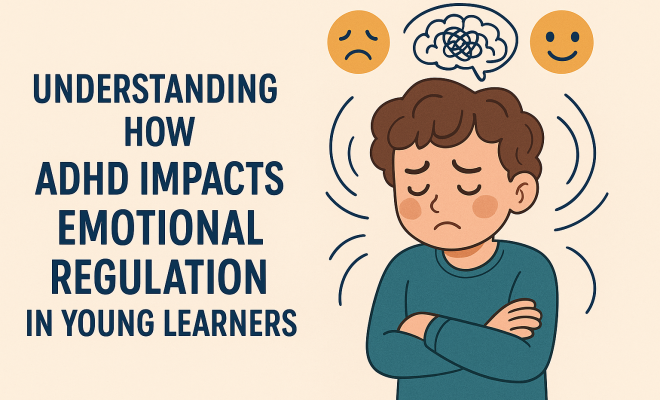
Children with ADHD may experience intense emotional responses to seemingly minor events, such as losing a game or receiving corrective feedback from a teacher. These intense emotions can lead to outbursts, meltdowns, or withdrawal, making it difficult for them to navigate social interactions and academic challenges. In a classroom setting, their emotional dysregulation may manifest as frustration, irritability, or refusal to participate in activities, which can significantly impact their learning experience.
How ADHD Affects Emotional Regulation in Preschoolers
Preschoolers are at a stage of development where they’re just beginning to learn about emotions and how to express them. For children with ADHD, this learning process can be disrupted. Studies show that these children may have difficulties identifying their emotions, understanding the emotions of others, and employing appropriate strategies to manage their feelings.
One study published in the journal Child Development found that preschoolers with ADHD were more likely to exhibit externalizing behaviors, such as tantrums and aggression, in response to frustration. This can create a cycle where their emotional outbursts lead to negative feedback from peers and adults, further exacerbating their difficulties with emotional regulation.
Challenges in Elementary School
As children with ADHD transition into elementary school, the challenges associated with emotional regulation often become more pronounced. The academic environment demands greater self-control, patience, and social interaction skills, which can be daunting for these children.
In elementary settings, children with ADHD may struggle with:
- Frustration Tolerance: Tasks such as learning new concepts or following instructions can lead to immediate frustration, resulting in emotional outbursts.
- Peer Relationships: Difficulty interpreting social cues can lead to misunderstandings with peers and increased feelings of isolation.
- Behavioral Issues: Emotional dysregulation can manifest as disruptive behaviors, leading to disciplinary actions or social ostracism.
- Academic Struggles: Poor emotional regulation can hinder focus and persistence, leading to difficulties completing assignments or participating in class discussions.
Understanding the Neuroscience Behind Emotional Regulation
To grasp the challenges faced by children with ADHD in terms of emotional regulation, it’s helpful to have a basic understanding of the neuroscience involved. The brain areas responsible for regulating emotions, such as the prefrontal cortex and the amygdala, may function differently in children with ADHD.
The prefrontal cortex is crucial for executive functions, including decision-making, impulse control, and emotional regulation. Research suggests that children with ADHD may have reduced activity in this region, making it harder for them to manage their emotional responses effectively. Meanwhile, the amygdala, which is involved in emotional processing, can become overactive, leading to heightened emotional responses. This imbalance can create a perfect storm for emotional dysregulation.
Practical Strategies for Supporting Children with ADHD Emotional Regulation
While ADHD emotional regulation poses significant challenges, various strategies can help children and their caregivers manage these difficulties. Here are some practical approaches: (See: CDC ADHD facts and statistics.)
1. Create a Structured Environment
Children with ADHD often thrive in structured environments because predictability can help reduce anxiety and emotional outbursts. Establishing a routine for daily activities, including school, homework, and downtime, can provide a sense of security for children.
2. Teach Emotional Awareness
Helping children recognize and label their emotions is a vital step in improving emotional regulation. Parents and educators can use tools like emotional charts or books that discuss feelings to facilitate conversations about emotions. This practice can empower children to express their feelings verbally rather than through outbursts.
3. Model Healthy Emotional Responses
Children learn a great deal through observation. By modeling healthy emotional responses when faced with challenges, parents and educators can provide children with examples of appropriate ways to handle frustration or disappointment. This could involve taking deep breaths, using calming techniques, or discussing feelings openly.
4. Utilize Positive Reinforcement
Positive reinforcement can motivate children to manage their emotions better. Acknowledge and reward efforts to regulate emotions, even if results are not perfect. This could be as simple as verbal praise or using a sticker chart to track progress.
5. Encourage Physical Activity
Physical activity has been shown to have a positive effect on emotional regulation. Encouraging children to engage in regular physical activities, whether it’s sports, dance, or outdoor play, can help them expend energy, reduce anxiety, and improve their overall mood. We covered strategies for emotional regulation in more detail.
Collaboration Between Home and School
Effective management of ADHD emotional regulation often requires collaboration between parents, teachers, and healthcare providers. Open lines of communication help ensure that everyone involved understands the child’s needs and can work together to support emotional regulation strategies.
For instance, if a teacher notices a child struggling emotionally in the classroom, they should communicate these observations to the parents, who can then reinforce positive behaviors at home. Conversely, parents should inform teachers about any emotional challenges their child is facing outside of school. This partnership can create a more cohesive support system for the child.
Current Relevance and Future Directions
As awareness of ADHD and its impact on emotional regulation continues to grow, so too does the need for effective interventions. Recent research has focused on developing programs specifically designed to address emotional dysregulation in children with ADHD. These programs often incorporate cognitive-behavioral techniques and mindfulness practices.
Moreover, technology has begun to play a significant role in supporting emotional regulation. Mobile applications that promote mindfulness, emotional awareness, and self-regulation skills are becoming increasingly popular among children and parents alike.
Understanding ADHD and Emotional Regulation in Different Contexts
It’s important to recognize that ADHD emotional regulation doesn’t exist in a vacuum. Different contexts can influence how children manage their emotions. For instance, home environments may differ significantly from school settings, with varying expectations and social dynamics. A chaotic home life can exacerbate emotional dysregulation, while a supportive and stable environment may help mitigate some challenges.
Research indicates that children with ADHD may exhibit different behavioral patterns based on their surroundings. For example, while a child might have a meltdown at home, they may be able to hold it together in a structured school environment. Understanding these nuances can help parents and educators tailor their approaches to emotional regulation based on context.
Examples of Effective Programs and Interventions
Several programs have been developed with a focus on emotional regulation for children with ADHD. One notable example is the Incredible Years Program, which aims to improve social-emotional competence and reduce problem behaviors in young children. This program uses a combination of parent training, teacher training, and child training to create a supportive environment for emotional growth.
Another example is the Mindfulness-Based Cognitive Therapy (MBCT), which has shown promising results in helping children with ADHD enhance their emotional awareness and regulation. Programs that incorporate mindfulness practices encourage children to stay present and become more aware of their emotional triggers, thereby improving their ability to manage reactions. (See: NIH understanding of ADHD.)
Statistics on ADHD and Emotional Regulation
Understanding the prevalence and impact of ADHD emotional regulation challenges can guide effective interventions. According to recent studies, children with ADHD are significantly more likely to experience emotional dysregulation compared to their peers without the disorder. For instance, approximately 50-80% of children with ADHD show signs of emotional dysregulation in various forms, including explosive anger, frustration, and mood swings.
Additionally, a survey conducted by the National Institute of Mental Health (NIMH) revealed that around 35% of parents report their children with ADHD have frequent emotional outbursts that interfere with family life. This statistic highlights the urgent need for effective emotional regulation strategies and support systems.
Expert Perspectives on ADHD Emotional Regulation
Experts in the field of child psychology emphasize the importance of addressing emotional regulation in children with ADHD. Dr. Lisa K. M. Gallo, a clinical psychologist specializing in ADHD, notes, “Understanding emotional regulation in ADHD is crucial. Children with this disorder often feel overwhelmed by their emotions, which can lead to severe behavioral issues if not addressed early on.” Her work emphasizes the need for early interventions that focus on both emotional and behavioral strategies.
Furthermore, Dr. Mark Stein, an ADHD researcher, advocates for integrating emotional regulation training into standard ADHD treatment protocols. “It’s not enough to manage attention and hyperactivity; we need to equip children with the tools to handle their emotional responses as well,” he explains. These expert insights underline the growing recognition of emotional regulation as a fundamental aspect of ADHD management.
FAQ: ADHD Emotional Regulation
What is emotional regulation in the context of ADHD?
Emotional regulation refers to the ability to manage and respond to emotional experiences in ways that are socially acceptable and constructive. For children with ADHD, this can be particularly challenging due to impulsivity and difficulties with self-control.
How can I help my child with emotional regulation?
Implementing structured routines, teaching emotional awareness, modeling appropriate responses, and encouraging physical activity can all promote better emotional regulation in children with ADHD.
Are there specific therapies for emotional regulation in ADHD?
Yes, therapies like Cognitive Behavioral Therapy (CBT), Mindfulness-Based Cognitive Therapy (MBCT), and programs like the Incredible Years have been designed to help children with ADHD improve their emotional regulation skills.
Can emotional regulation improve academic performance?
Absolutely. Better emotional regulation can lead to improved focus, persistence, and overall academic engagement, enabling children to perform better in school.
How does emotional regulation impact social relationships?
Children with ADHD who struggle with emotional regulation may find it challenging to maintain friendships or navigate social interactions due to their impulsive reactions and misunderstandings of social cues. Improving emotional regulation can enhance their social skills and relationships.
Future Challenges and Directions in ADHD Emotional Regulation
As we continue to advance our understanding of ADHD emotional regulation, it’s imperative to stay informed about the evolving landscape of research and interventions. Future studies may delve deeper into how coexisting conditions, such as anxiety or depression, interact with ADHD and emotional regulation challenges. Many children with ADHD also face additional mental health issues that can complicate their emotional regulation efforts, making it essential to have integrated treatment plans that address multiple aspects of their well-being.
Another area of exploration is the role of parental involvement and family dynamics. Research suggests that the emotional regulation skills of parents can significantly influence their children’s ability to manage emotions. By enhancing parental skills in emotional regulation, we may see improvements in children’s emotional responses. Parent training programs tailored to promote emotional awareness and regulation can not only benefit the child but also improve the overall family environment.
Interventions Tailored to Individual Needs
A critical aspect of managing ADHD emotional regulation is recognizing that each child’s experience is unique. Interventions should be personalized based on the child’s specific challenges and strengths. Using comprehensive assessment tools can help professionals identify a child’s emotional triggers, coping styles, and effective strategies. This tailored approach can lead to more successful outcomes.
For example, some children may respond well to visual aids and structured worksheets that help them process their emotions, while others may thrive in group settings where they can practice social skills and emotional regulation with peers. The combination of individualized strategies and group therapy can create a well-rounded support system.
Community Support and Resources
Community resources also play a vital role in supporting children with ADHD and their families. Local support groups can provide a safe space for parents to share experiences, resources, and coping strategies. Workshops on emotional regulation techniques, offered by community centers or schools, can benefit both children and caregivers by providing practical tools and fostering a sense of community.
Additionally, involving children in extracurricular activities that focus on teamwork and emotional learning, such as drama, art, or sports, can be beneficial. These activities not only promote emotional regulation but also help improve social skills by providing a context for children to practice interacting with others in a supportive environment.
Building Resilience Through Emotional Regulation
In the long term, teaching emotional regulation skills to children with ADHD can lead to enhanced resilience. Resilience, defined as the ability to bounce back from adversity, is crucial for emotional and psychological health. Children who learn to navigate their emotions effectively are better equipped to face challenges, setbacks, and stressors in life. (Dr. Matt Lynch's insights)
Research shows that emotional regulation is linked to various positive outcomes such as better mental health, improved relationships, and increased academic success. By investing in emotional regulation skills early on, we can help children with ADHD build a stronger foundation for their futures, enabling them to thrive not only academically but also socially and emotionally.
Conclusion: Moving Forward with Hope and Understanding
ADHD emotional regulation is a complex issue that presents unique challenges for preschool and elementary students. Understanding the emotional difficulties faced by these children, and implementing effective strategies can lead to improved outcomes in their emotional and academic lives.
As we move forward, it’s essential to maintain an informed and compassionate approach to ADHD, recognizing the importance of emotional regulation as a core aspect of the disorder. By supporting children through tailored strategies, collaboration, and a deeper understanding of their needs, we can foster environments where they can thrive both emotionally and academically.
“`
Trending Now
Frequently Asked Questions
How does ADHD affect emotional regulation in children?
ADHD significantly impacts emotional regulation in children, making it difficult for them to manage their emotional responses. They often experience intense emotions triggered by minor events, leading to outbursts or withdrawal, which affects their social interactions and academic performance.
What are the signs of emotional dysregulation in children with ADHD?
Signs of emotional dysregulation in children with ADHD include frequent outbursts, difficulty calming down after being upset, intense reactions to minor frustrations, and challenges in maintaining peer relationships due to emotional responses.
How can parents help children with ADHD manage their emotions?
Parents can support children with ADHD by teaching emotional regulation strategies, such as deep breathing techniques, providing a structured environment, reinforcing positive behavior, and encouraging open communication about feelings to help them navigate their emotional experiences.
What role do educators play in supporting students with ADHD?
Educators can play a crucial role by creating an understanding classroom environment, implementing individualized strategies to support emotional regulation, providing consistent feedback, and fostering social skills to help students with ADHD manage their emotions effectively.
Is emotional dysregulation a common issue in children with ADHD?
Yes, emotional dysregulation is a common issue in children with ADHD. Many experience difficulties in managing their emotions, which can lead to challenges academically and socially, highlighting the need for targeted support and intervention strategies.
Have you experienced this yourself? We’d love to hear your story in the comments.