Boost Preschoolers’ EQ: 7 Strategies for Parents
“`html
In today’s fast-paced world, the ability to navigate emotions and understand oneself and others is crucial for success and well-being. Emotional intelligence in preschoolers lays the foundation for healthy relationships, academic success, and resilience. But how can parents effectively nurture this vital skill in their young children? In this comprehensive guide, we will explore the significance of emotional intelligence, provide actionable strategies, and discuss the current relevance of fostering these skills in preschoolers.
Understanding Emotional Intelligence
Emotional intelligence (EI) refers to the capacity to recognize, understand, and manage one’s own emotions while also being adept at recognizing, understanding, and influencing the emotions of others. Daniel Goleman, a prominent psychologist, identifies five key components of emotional intelligence: self-awareness, self-regulation, motivation, empathy, and social skills. For preschoolers, developing these skills is crucial as they begin to navigate social interactions and express emotions.
Children as young as two can start exhibiting emotional intelligence by recognizing their feelings and those of others. Research indicates that children with higher emotional intelligence are more likely to succeed academically, manage stress effectively, and form healthier relationships. Thus, instilling these skills from an early age is vital for their future well-being.
The Importance of Emotional Intelligence in Preschoolers
As preschoolers engage socially, their emotional intelligence becomes a primary driver of their experiences. Here are a few reasons why nurturing emotional intelligence is particularly important for this age group:
- Social Interaction: Preschoolers spend significant time with peers, making social skills essential. Understanding emotions helps them form friendships and interact positively.
- Behavior Management: Children with high emotional intelligence are better equipped to express their needs and frustrations, reducing the likelihood of tantrums and aggressive behavior.
- Academic Readiness: Emotional intelligence promotes a love for learning, as emotionally aware children are more engaged and less likely to feel overwhelmed by challenges.
Fostering emotional intelligence should be seen as equally important as academic readiness, as it encourages a well-rounded development approach.
Key Strategies for Parents to Foster Emotional Intelligence
Creating an emotionally intelligent preschooler doesn’t require a degree in psychology. Here are seven practical strategies that parents can implement in their everyday interactions:
1. Model Emotional Awareness
Children learn significantly by observing their parents. By openly discussing your emotions, labeling them, and expressing how you manage them, you provide a framework for your child to understand their feelings. For example, if you feel stressed, explain it to your child, say, “I’m feeling a bit overwhelmed because I have a lot to do today. I’m going to take a few deep breaths to calm down.” This not only teaches emotional awareness but also effective coping strategies.
2. Encourage Emotional Expression
Encouraging children to express their emotions helps them understand and manage their feelings. Provide them with various outlets such as art, storytelling, or role-playing games. Ask open-ended questions about their feelings, such as, “How did that make you feel?” or “What do you think your friend felt when that happened?” This promotes reflection and deepens their emotional vocabulary.
3. Teach Empathy
Empathy is a cornerstone of emotional intelligence. To nurture this in preschoolers, encourage them to consider other people’s perspectives. Use scenarios from books or their experiences to ask questions like, “How do you think that made her feel?” Role-play different situations to help them practice responding empathetically. Praise them when they show understanding towards others’ feelings, reinforcing this behavior.
4. Create a Safe Environment for Feelings
Building a safe emotional space allows children to express themselves without fear of judgment. Validate their feelings, whether they’re happy, sad, or frustrated. Instead of dismissing their emotions, acknowledge them by saying, “It’s okay to feel upset. Let’s talk about it together.” This affirmation encourages children to share their emotions in the future and fosters a healthy emotional climate.
5. Utilize Books and Stories
Literature can be a powerful tool for teaching emotional intelligence. Choose books that depict various emotions and life situations. Discuss the characters’ feelings and choices, asking your child how they would feel in similar situations. This not only enhances emotional understanding but also encourages critical thinking as they analyze the characters’ decisions and their outcomes. (See: Emotional intelligence in children.)
6. Practice Problem-Solving Skills
Helping preschoolers tackle challenges can strengthen their emotional resilience. When your child faces a problem, instead of immediately offering a solution, encourage them to think through potential solutions. Ask questions like, “What do you think we can do about this?” This promotes critical thinking and gives them the confidence to tackle future challenges on their own.
7. Reinforce Positive Social Interactions
Teach your preschooler the importance of cooperation and sharing. Facilitate playdates or group activities where they can practice social skills. Use praise to reinforce positive interactions, such as when they share toys or help a friend. Celebrating small victories in social settings helps them link positive outcomes to emotionally intelligent behaviors.
Measuring Emotional Intelligence in Preschoolers
Understanding how to assess emotional intelligence in preschoolers can help parents identify areas for growth. While there are formal assessments available, many parents can observe their child’s emotional responses and social interactions to gauge their emotional intelligence. Here are some indicators to look for:
- Recognition of Emotions: Can your child identify and label their emotions or those of others?
- Conflict Resolution: How does your child handle disagreements with peers? Are they able to resolve conflicts amicably?
- Empathetic Responses: Does your child show understanding and care for others when they are upset or in need?
By observing these indicators, parents can tailor their approaches to focus on areas requiring additional support, thereby enhancing their child’s emotional intelligence.
The Role of Early Childhood Education
Preschool is a critical environment for developing emotional intelligence. Early childhood educators play a significant role in fostering emotional skills through structured activities and social interactions. Here are ways that preschool programs can enhance emotional intelligence:
- Social-Emotional Learning (SEL): Many preschools incorporate SEL curricula, which teach children to recognize emotions, develop empathy, and understand social dynamics.
- Group Activities: Collaborative tasks and group play encourage sharing, teamwork, and negotiation skills, all of which are vital for emotional intelligence.
- Emotional Check-Ins: Some programs incorporate daily emotional check-ins, allowing children to express how they feel and understand their peers’ emotions.
The partnership between parents and educators is essential in reinforcing these skills both at home and in school, ensuring a consistent nurturing environment.
Challenges and Considerations
While promoting emotional intelligence is beneficial, several challenges may arise. Some children may naturally struggle with emotional expression due to personality traits or developmental differences. Here are some considerations to keep in mind:
- Every Child is Unique: Recognize that each child develops at their own pace. Patience and understanding are key, as pushing a child too hard can lead to frustration.
- Parental Stress: Parents must also manage their emotional well-being. Role modeling emotional regulation is important, as children mirror their parents’ emotional responses.
- Professional Support: If a child consistently struggles with emotional regulation or social interactions, seeking help from a child psychologist or counselor can provide additional strategies and support.
By navigating these challenges with empathy and understanding, parents can create a supportive environment that fosters emotional growth.
Current Relevance and Future Implications
Today’s world is more interconnected and complex than ever, underscoring the importance of emotional intelligence. As children transition into an increasingly digital age filled with social media and global interactions, developing emotional intelligence will be crucial for their ability to navigate relationships effectively.
Furthermore, as mental health awareness grows, the importance of emotional intelligence in preventing mental health issues and promoting resilience cannot be overstated. Equipping preschoolers with these skills ensures that they are better prepared for the challenges of adolescence and adulthood.
Conclusion: The Path Forward
Building emotional intelligence in preschoolers is not merely an option; it is an essential endeavor for parents and educators alike. By implementing practical strategies and creating a supportive environment, parents can help their children develop the emotional skills necessary for a successful and fulfilling life. As we continue to prioritize emotional intelligence in early childhood education, we pave the way for a generation that values empathy, understanding, and effective communication.
By unlocking the potential of emotional intelligence in preschoolers, we are not only shaping individuals but also fostering a more compassionate and emotionally aware society. (See: Teaching emotional skills to preschoolers.)
Additional Insights on Emotional Intelligence Development
While the previous sections covered the fundamental aspects of emotional intelligence, it is equally important to delve deeper into the nuances that facilitate its development in preschool-aged children. Here are some additional insights and considerations:
Understanding the Different Dimensions of Emotional Intelligence
Emotional intelligence encompasses various dimensions, including recognition, understanding, and management of emotions. For preschoolers, these dimensions can manifest differently:
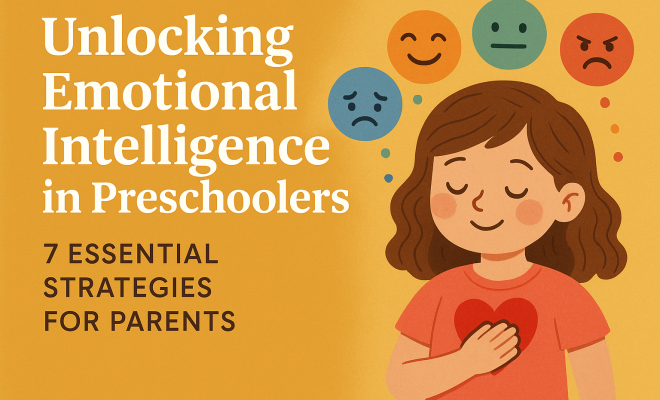
- Emotional Recognition: This is often the first step in developing EI. Children learn to identify basic emotions like happiness, sadness, anger, and fear through facial expressions, tone of voice, and body language.
- Emotional Understanding: Once children can recognize emotions, the next step is understanding the reasons behind those feelings. This involves discussing scenarios where emotions are involved and exploring the causes of those emotions.
- Emotional Management: This is about teaching children how to cope with their feelings and respond appropriately. It may include techniques such as mindfulness practices, deep breathing, or counting to ten before reacting.
The Impact of Culture on Emotional Intelligence
Cultural background significantly influences how emotions are expressed and understood. Different cultures may place varying importance on emotional expression. For instance, in some cultures, expressing emotions openly is encouraged, while in others, emotional restraint is valued.
Parents should be mindful of their cultural perspectives when teaching emotional intelligence. Understanding these cultural nuances can help create an environment where children feel comfortable exploring their emotions without feeling constrained by cultural expectations.
The Role of Play in Developing Emotional Intelligence
Play is a natural way for preschoolers to explore their emotions and learn social skills. Engaging in play enables children to practice emotional responses in a safe environment. Here are ways in which play contributes to emotional intelligence development:
- Role-Playing: By assuming different roles during play, children can explore various perspectives, which fosters empathy. For example, playing house or pretending to be superheroes allows children to consider how others might feel in different situations.
- Conflict Resolution through Play: During play, conflicts may arise, providing opportunities for children to practice negotiation and resolution skills. Guiding them through these moments helps them learn how to express their feelings and resolve disagreements constructively.
- Expressive Play: Activities like drawing, dancing, or acting can serve as outlets for children to express their emotions creatively. These forms of expression can be instrumental in helping them process their feelings.
Expert Perspectives on Emotional Intelligence in Early Childhood
Experts in child development consistently emphasize the importance of emotional intelligence. For instance, Dr. John Gottman, a renowned psychologist, highlights that children who develop emotional intelligence early on tend to perform better academically and socially throughout their lives. In interviews, he notes that parents who teach their children emotional intelligence skills are actively investing in their future success.
Additionally, Dr. Marc Brackett, the founding director of the Yale Center for Emotional Intelligence, advocates for the integration of emotional intelligence education into schools. His research underscores the connection between emotional knowledge and improved academic performance, demonstrating that emotionally intelligent children are more likely to be engaged learners who achieve higher grades.
Statistics Highlighting the Importance of Emotional Intelligence
Recent studies underscore the critical role emotional intelligence plays in various aspects of a child’s development: For more on this, see top preschooler backpacks.
- A study published in the journal Child Development found that children with higher emotional intelligence scored better in school and had better social relationships.
- According to research from the organization Collaborative for Academic, Social, and Emotional Learning (CASEL), schools implementing social-emotional learning programs have seen a 11% increase in academic performance compared to those that do not.
- Data from a survey by the National Center for Education Statistics indicates that 90% of parents believe that emotional intelligence is crucial for their child’s success in school and life.
Frequently Asked Questions (FAQ) about Emotional Intelligence in Preschoolers
What age should I start teaching emotional intelligence to my child?
It’s never too early to start! Children can begin recognizing basic emotions as early as 2 years old. Parents can incorporate emotional discussions and recognition into daily interactions from this age onwards.
How can I tell if my child has a high emotional intelligence?
Indicators of high emotional intelligence include the ability to express feelings appropriately, demonstrate empathy towards others, resolve conflicts amicably, and recognize and understand their emotions as well as those of others.
Is emotional intelligence more important than IQ for preschoolers?
While IQ can predict academic success to some extent, emotional intelligence is increasingly recognized as a vital component of overall success in life. Many researchers advocate that emotional intelligence might be a better predictor of success in relationships and emotional well-being than IQ.
What are some common challenges in developing emotional intelligence in preschoolers?
Common challenges include children being naturally inclined to suppress emotions, cultural differences in emotional expression, and the fact that some children may require more time to develop these skills than others. It’s crucial for parents to exercise patience and understanding.
Can emotional intelligence be improved later in life?
Yes, emotional intelligence can be developed at any age. However, early childhood is a critical period for fostering these skills. Improvements can be made through education, self-awareness practices, and social-emotional learning throughout one’s life.
Final Thoughts on the Importance of Emotional Intelligence in Preschoolers
As we recognize the profound impact of emotional intelligence on life outcomes, it becomes clear that nurturing these skills in preschoolers should be a priority. By integrating emotional intelligence training into parenting and education, we can equip our children with the tools they need to thrive emotionally and socially. The future of our society may very well depend on how we guide the emotional development of the next generation.
Future Directions for Research on Emotional Intelligence
As the understanding of emotional intelligence evolves, further research is needed to explore its long-term impacts on individuals. Future studies could focus on:
- The Role of Emotional Intelligence in Academic Success: Investigating how emotional intelligence contributes to academic performance across different age groups can provide insights into curriculum development that prioritizes emotional learning.
- Cultural Variations in Emotional Intelligence Development: Understanding how various cultural contexts influence the development and expression of emotional intelligence can help in creating culturally responsive educational practices.
- The Impact of Technology on Emotional Intelligence: As children increasingly engage with technology, research could explore how digital interactions affect their emotional skills and social behavior.
Case Studies of Successful Emotional Intelligence Programs
Examining successful implementations of emotional intelligence programs can provide valuable lessons for parents and educators. For example:
- Pathways to Success: This program integrates emotional intelligence training into early childhood education, resulting in improved social skills and emotional regulation among participating children.
- The RULER Approach: Developed by the Yale Center for Emotional Intelligence, this program teaches children to Recognize, Understand, Label, Express, and Regulate emotions. Schools adopting this curriculum have reported enhanced emotional climate and better student relationships.
The Lifelong Benefits of Emotional Intelligence
Investing in emotional intelligence during preschool years not only benefits children in their formative years but also sets the stage for lifelong success. Studies indicate that individuals with high emotional intelligence tend to have better mental health, more robust relationships, and greater professional success. For instance:
- Research shows that adults with high emotional intelligence are more likely to excel in leadership roles, demonstrating the long-term career advantages of early emotional skill development.
- Individuals with well-developed emotional intelligence report higher levels of satisfaction in their personal relationships, leading to healthier family dynamics and community involvement.
Conclusion on the Journey of Emotional Intelligence
The journey of developing emotional intelligence in preschoolers is both an essential task and an enriching opportunity for families and educators. As we delve into future research and program implementations, we can foster an environment where emotional intelligence is valued and nurtured. By prioritizing these skills now, we are not just preparing children for their future but also enhancing the emotional fabric of society as a whole.
“`
Trending Now
Frequently Asked Questions
What is emotional intelligence in preschoolers?
Emotional intelligence in preschoolers refers to their ability to recognize, understand, and manage their own emotions, as well as to recognize and influence the emotions of others. It includes key components such as self-awareness, self-regulation, motivation, empathy, and social skills, which are essential for their social interactions and overall development.
Why is emotional intelligence important for young children?
Emotional intelligence is crucial for young children as it lays the foundation for healthy relationships, academic success, and resilience. Children with higher emotional intelligence tend to manage stress better, form positive friendships, and navigate social situations more effectively, contributing to their overall well-being.
How can parents nurture emotional intelligence in preschoolers?
Parents can nurture emotional intelligence in preschoolers by engaging in conversations about feelings, modeling emotional regulation, encouraging empathy through play, and providing opportunities for social interaction. Specific strategies include reading books that focus on emotions and practicing emotional expression in safe environments.
At what age can children start developing emotional intelligence?
Children can start developing emotional intelligence as early as two years old. At this age, they begin to recognize their own feelings and those of others. Early interventions and support from parents can significantly enhance their emotional understanding and social skills.
What are the benefits of high emotional intelligence in preschoolers?
High emotional intelligence in preschoolers leads to numerous benefits, including improved academic performance, better stress management, and healthier relationships. These children are also more likely to exhibit positive social behaviors, understand social cues, and navigate conflicts effectively, setting the stage for lifelong emotional health.
What did we miss? Let us know in the comments and join the conversation.