Reddit Reveals Shifting Mental Health Trends: 14M Posts Analyzed
“`html
The Evolution of Online Mental Health Discussion
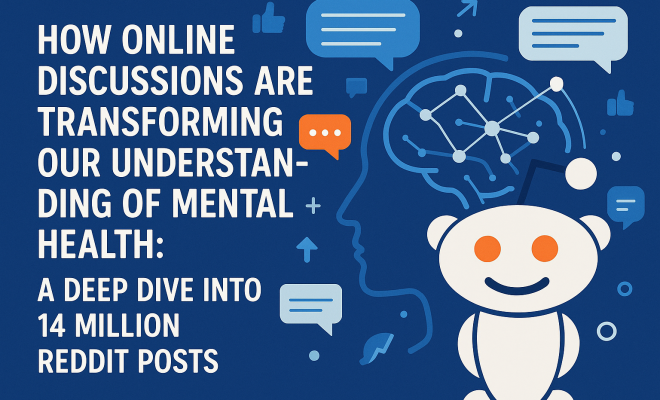
In an era where mental health awareness is paramount, a recent analysis of 14 million Reddit posts has unveiled a remarkable evolution in how we engage with mental health discussions online. The findings reveal that specific mental health conditions are experiencing a surge in visibility, while others are becoming less prominent. This shift not only reflects individual concerns but also highlights broader societal trends, making it imperative to understand the implications of these changes.
Social Media as a Reflection of Public Sentiment
Social media platforms, particularly Reddit, serve as a unique lens through which we can observe public sentiment surrounding various issues, including mental health. Reddit’s vast array of communities, known as subreddits, provides users with spaces to share experiences, seek advice, and engage in discussions about their mental health journeys. The sheer scale of this data offers a real-time snapshot of what individuals are worrying about, talking about, and searching for in terms of mental health.
This analysis is significant because it captures a dynamic landscape where mental health discussions can evolve rapidly. As discussions shift, they can reflect societal changes, emerging trends in mental health awareness, and the impact of cultural narratives on individual experiences. The question arises: Are these discussions amplifying genuine suffering, or are they merely reflecting a societal trend toward increased visibility and social media engagement?
The Findings: Conditions on the Rise
The analysis revealed a striking increase in discussions surrounding certain mental health conditions. For instance, anxiety and depression have seen a notable uptick in mentions, suggesting that more individuals are recognizing these issues, seeking help, and openly discussing their experiences. This increase can be attributed to various factors, including a growing societal acceptance of mental health issues and the increasing availability of resources online.
Moreover, the visibility of anxiety and depression on platforms like Reddit has fostered a sense of community among those affected. Users are more willing to share their stories, offer support, and seek guidance from others who have faced similar challenges. This phenomenon not only normalizes the conversation around these conditions but also encourages individuals to prioritize their mental well-being.
Conditions on the Decline
Conversely, the analysis identified certain mental health conditions that are experiencing a decline in discussion. Conditions such as bipolar disorder and schizophrenia have seen reduced mentions on Reddit, leading to questions about the factors contributing to this trend. One possibility is that these conditions are often misunderstood or stigmatized, resulting in fewer individuals feeling comfortable discussing them publicly.
This decline raises important concerns about the visibility of these mental health issues and the potential ramifications for those who are affected. If fewer people are discussing these conditions, it could lead to a lack of awareness and understanding, further perpetuating stigma and isolation for individuals struggling with these disorders.
The Role of Social Media Behavior in Mental Health Awareness
The relationship between social media behavior and mental health discussion is intricate. On one hand, platforms like Reddit provide a valuable space for individuals to express their feelings and seek support. On the other hand, the way these discussions unfold can influence perceptions and understanding of mental health disorders. The analysis indicates that as certain conditions gain traction in discussions, they may overshadow others, leading to an imbalanced representation of mental health issues.
Furthermore, the viral nature of social media can amplify specific narratives, potentially leading to sensationalism or misinformation. It is essential for both users and mental health advocates to approach these discussions critically, ensuring that information shared is accurate and beneficial.
FOMO and Mental Health Trends
The fear of missing out (FOMO) is a powerful motivator in the realm of social media. As certain mental health conditions gain visibility, individuals may feel compelled to participate in discussions to stay informed and connected. This phenomenon can lead to increased engagement but also has the potential to create pressure to conform to trending topics, even if they do not resonate personally.
For example, the rise of anxiety discussions on platforms like Reddit may encourage individuals who are experiencing anxiety to share their experiences, but it may also lead others who do not struggle with anxiety to feel overwhelmed or excluded from the conversation. Understanding the dynamics of FOMO in mental health discussions is crucial for fostering inclusive and supportive environments online. (See: World Health Organization on mental health.)
The Impact of Cultural Narratives
Cultural narratives play a significant role in shaping mental health discussions. The way mental health is portrayed in media, literature, and public discourse can influence how individuals perceive their own experiences and the experiences of others. The analysis of Reddit posts suggests that changing cultural attitudes toward mental health may be driving the increase in discussions about anxiety and depression.
As society becomes more open about mental health issues, individuals may feel more empowered to share their stories and seek help. However, it is essential to recognize that cultural narratives can also perpetuate stigma around certain conditions, particularly those that are less understood, such as schizophrenia or personality disorders. This builds on Autumn Brown on somatic healing.
Expert Perspectives on the Shift in Mental Health Discussion
To gain a deeper understanding of the implications of this shift in mental health discussion, we consulted mental health experts who provided valuable insights into the trends observed in the Reddit analysis. Dr. Emily Jones, a clinical psychologist, emphasized the importance of acknowledging the complexities of mental health conversations. “While it’s encouraging to see increased discussions about anxiety and depression, we must not overlook the needs of individuals with other conditions that are becoming less visible,” she stated.
Dr. Jones further noted that mental health professionals need to adapt their approaches to reflect the interests and concerns of the online community. “As discussions evolve, we must ensure that our resources and support systems align with the current landscape, addressing the needs of all individuals, regardless of the specific conditions they face,” she advised.
Addressing the Imbalance in Mental Health Discussions
Recognizing the disparity in mental health discussions is crucial for fostering an inclusive environment. Mental health advocates and organizations must work collaboratively to ensure that all conditions are represented and discussed openly. This includes providing resources, education, and support for individuals affected by less visible conditions.
One approach could involve leveraging the power of social media to raise awareness about underrepresented mental health conditions. Campaigns aimed at educating the public about the experiences of those with bipolar disorder, schizophrenia, or other lesser-discussed conditions can help to balance the narrative and reduce stigma. By sharing personal stories and expert insights, advocates can encourage open conversations and promote understanding.
Conclusion: The Future of Mental Health Discussion
The analysis of 14 million Reddit posts paints a complex picture of the current landscape of mental health discussion. While certain conditions are gaining prominence, others are becoming less visible, prompting important questions about representation, stigma, and the role of social media in shaping our understanding of mental health. As we move forward, it is essential to embrace the evolving nature of these discussions, recognizing the importance of inclusivity and sensitivity in fostering a supportive environment for all individuals affected by mental health issues.
Ultimately, our approach to mental health discussion must reflect the diverse experiences of individuals grappling with various conditions. By prioritizing open dialogue, education, and understanding, we can work toward a future where all mental health issues receive the attention and support they deserve.
The Importance of Diverse Mental Health Representation
One of the critical aspects of the mental health discussion is the need for diverse representation. Not all experiences with mental health conditions are the same, and individuals from different backgrounds may face unique challenges and stigmas. This variance can be influenced by factors such as ethnicity, gender identity, socioeconomic status, and geographical location. Acknowledging this diversity is essential for creating a comprehensive understanding of mental health issues.
For example, studies have shown that racial and ethnic minorities often have less access to mental health resources and may experience cultural stigma that prevents them from seeking help. According to the National Alliance on Mental Illness, African Americans are less likely to receive mental health care than their white counterparts. This underrepresentation can lead to a lack of tailored resources and support, making it vital for online discussions to include voices from these communities.
Statistics on Online Mental Health Discussions
Understanding trends in mental health discussion can be enhanced through statistics. According to a report by Statista, about 37% of individuals aged 18-29 have shared their mental health struggles on social media platforms. This figure indicates a growing willingness among younger generations to discuss mental health openly, and platforms like Reddit serve as important spaces for these conversations.
Additionally, the American Psychological Association reports that 1 in 5 adults experience mental illness in a given year. This statistic further emphasizes the need for online platforms to promote awareness and support for various mental health conditions, as millions seek information and community online. It is essential for mental health advocates to harness these statistics to inform their outreach and advocacy efforts.
Strategies for Fostering Healthy Online Mental Health Discussions
Creating a supportive environment for mental health discussions online requires intentional strategies from both platform moderators and users. Here are several actionable strategies: (See: CDC resources on mental health.)
- Establish Guidelines: Platforms should have clear guidelines about respectful communication, encouraging users to share experiences without judgment.
- Highlight Diverse Voices: Curating content that features diverse perspectives can help ensure all conditions are represented fairly.
- Promote Mental Health Literacy: Educational resources should be readily available to help users better understand various mental health conditions and promote empathy and support.
- Encourage Professional Involvement: Collaborations with mental health professionals can enhance discussions, ensuring that accurate information and support are provided to users.
Frequently Asked Questions (FAQ) about Mental Health Discussion
1. What is the significance of mental health discussion on social media?
Mental health discussion on social media helps to destigmatize mental health issues, fosters community support, and provides individuals with access to information and resources. These discussions can lead to increased awareness and understanding of various mental health conditions.
2. Why are some mental health conditions less discussed than others?
Some mental health conditions may be less discussed due to stigma, misunderstanding, and a lack of representation in media. Conditions like schizophrenia or personality disorders often face societal misconceptions, which can discourage open conversation.
3. How can individuals participate in mental health discussions online responsibly?
Individuals can engage responsibly by sharing personal stories, providing support to others, and ensuring that they do not spread misinformation. It’s also important to respect others’ experiences and opinions while maintaining a focus on empathy and understanding.
4. What role do hashtags play in mental health discussions on social media?
Hashtags can help organize conversations, making it easier for users to find relevant discussions. They can also amplify messages and increase visibility for particular issues, helping to unite communities around shared experiences.
5. How can mental health professionals contribute to online discussions?
Mental health professionals can contribute by sharing expert insights, providing evidence-based information, and engaging in discussions that promote understanding and empathy. Their involvement can help ensure that conversations are informed and supportive.
6. What should I do if I encounter harmful or triggering content online?
If individuals come across harmful or triggering content, it is advisable to disengage from the discussion, seek support from trusted friends or professionals, and report the content to platform moderators for review. It’s essential to prioritize one’s mental well-being in online spaces.
Looking Ahead: The Future of Mental Health Discussions
The future of mental health discussions online must prioritize inclusivity, representation, and accurate information. As societal attitudes toward mental health continue to evolve, so too must the platforms where these conversations take place. Engaging diverse voices in discussions, utilizing technology to enhance support, and fostering a culture of open dialogue will be crucial in shaping a healthier online environment.
In conclusion, as we reflect on current trends and challenges in the mental health discourse, it is essential to work collectively to ensure that all individuals feel supported and understood. The rise of online mental health discussions presents an opportunity to create meaningful change, break down barriers, and promote comprehensive mental well-being for everyone.
Understanding Mental Health Stigma
Mental health stigma remains a significant barrier to effective communication and discussion about mental health topics. Stigma can manifest in various ways, including negative stereotypes, discrimination, and a general reluctance to openly discuss mental health issues. According to a study published in the journal Psychiatric Services, individuals who perceive stigma around mental health are less likely to seek help or engage in discussions about their experiences.
Addressing this stigma is crucial for encouraging more open dialogue around mental health. Education and awareness initiatives can play a vital role in reducing stigma. For instance, campaigns that feature personal stories from individuals who have experienced mental health struggles can help humanize the issues and combat stereotypes. (See: National Institute of Mental Health statistics.)
The Influence of Online Support Groups
Online support groups have emerged as a critical component of mental health discussions. These platforms offer individuals a safe space to share their experiences and receive support from others who understand their struggles. Research indicates that participation in online support groups can lead to improved mental health outcomes, as individuals often feel less isolated and more validated in their feelings.
Moreover, the anonymity provided by online platforms can encourage individuals who may feel uncomfortable discussing their mental health in face-to-face settings to open up. This anonymity can be particularly beneficial for individuals dealing with less visible conditions, allowing them to connect with others without fear of judgment.
Case Studies of Successful Mental Health Campaigns
Several notable campaigns have successfully raised awareness and fostered discussions around mental health issues. One example is the #BellLetsTalk campaign in Canada, which aims to reduce stigma and encourage conversations about mental health. The campaign promotes a day of action where every tweet, Facebook post, or text message sent using the hashtag results in a donation to mental health initiatives. This campaign has raised millions of dollars and stimulated vital discussions across social media platforms.
Another successful initiative is the Time to Change campaign in the UK, which focuses on changing attitudes towards mental health. Through various media outreach efforts, including public service announcements and community events, the campaign encourages individuals to share their stories and engage in conversations about mental health, ultimately leading to a decrease in stigma over time.
The Role of Technology in Mental Health Discussions
Technology continues to play an increasingly significant role in mental health discussions. Telehealth services have gained traction, allowing individuals to access mental health care from the comfort of their homes. According to a report from the American Psychological Association, the use of teletherapy increased by over 50% during the COVID-19 pandemic, highlighting the demand for accessible mental health resources.
Furthermore, mobile apps designed for mental health support, such as meditation guides, mood tracking, and cognitive behavioral therapy (CBT) tools, have become popular. These resources empower individuals to take charge of their mental health and provide easy access to strategies for managing stress and anxiety.
The Intersection of Mental Health and Social Justice
It is essential to acknowledge the intersectionality of mental health and social justice issues. Marginalized communities often face greater mental health challenges due to systemic inequities, such as poverty, lack of access to resources, and discrimination. Conversations about mental health must include discussions around these social determinants to create a more equitable and just society.
For instance, the impact of racism on mental health has been increasingly recognized, with research indicating that experiences of discrimination can lead to higher rates of anxiety, depression, and other mental health disorders in racial and ethnic minorities. By incorporating social justice into mental health discussions, advocates can better address the root causes of mental health disparities and work toward solutions that benefit all individuals.
“`
Trending Now
- read the full story
- read the full story
- this guide on how ai marketing tools are revolutionizing the digital advertising landscape
- this guide on the ultimate guide to watching thunder vs spurs live stream: everything you need to know
- Google Employee Insider Trading: The Shocking $1.2 Million Bet on Search Trends Revealed
Frequently Asked Questions
How has online discussion changed our understanding of mental health?
Online discussions, particularly on platforms like Reddit, have transformed our understanding of mental health by increasing visibility for certain conditions like anxiety and depression. Analyzing 14 million posts reveals evolving conversations that reflect both individual experiences and broader societal trends in mental health awareness.
What are the trends in mental health discussions on Reddit?
The analysis of Reddit posts shows a significant rise in discussions about anxiety and depression, indicating heightened awareness and willingness to seek help. This shift mirrors societal changes and highlights a growing openness to discussing mental health issues in public forums.
Why are certain mental health conditions becoming more visible online?
Certain mental health conditions are becoming more visible online due to increased public awareness and the normalization of discussing mental health issues. Platforms like Reddit provide users with a space to share experiences, which contributes to the rise in discussions surrounding conditions like anxiety and depression.
What role does social media play in mental health awareness?
Social media plays a crucial role in mental health awareness by serving as a platform for individuals to share their experiences and seek support. The vast user base on sites like Reddit allows for real-time discussions that can reflect and influence public sentiment regarding mental health.
Are online discussions helping or harming mental health awareness?
Online discussions can both help and harm mental health awareness. They provide visibility and support for individuals, but they may also amplify certain narratives that could lead to misunderstanding. Analyzing these discussions helps to assess their overall impact on public perception and individual experiences. For more on this, see recent payout for mental health issues.
Have you experienced this yourself? We’d love to hear your story in the comments.