Supreme Court Ends Executive Liability Shields in 2026
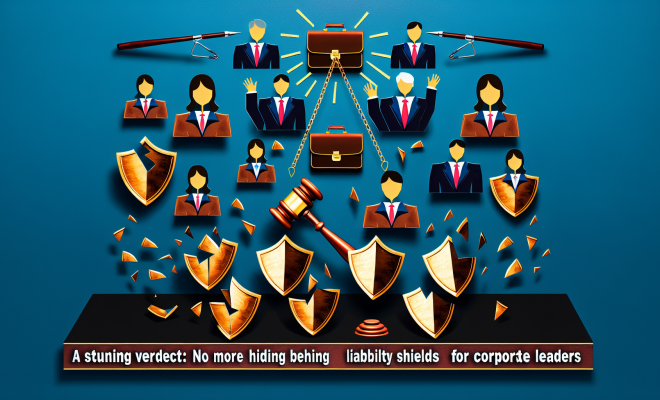
The U.S. Supreme Court made a momentous decision on May 8, 2026, that sent shockwaves through the corporate world. In a 6-3 ruling, the justices invalidated a longstanding legal precedent that had shielded corporate executives from personal liability in cases of environmental disasters. This landmark ruling comes against the backdrop of a significant case involving the oil giant ExxonMobil, where CEO Darren Woods was directly implicated.
The Background of the Case
The Supreme Court’s decision arose from a catastrophic oil spill associated with ExxonMobil, one of the largest and most influential corporations in the world. The incident drew widespread public outrage, particularly among environmental activists and concerned citizens who have long criticized the corporate culture of impunity. For years, executives have operated under the belief that their positions shielded them from personal accountability, a notion now fundamentally challenged by the Court’s ruling.
Justice Kagan’s Rationale
The opinion authored by Justice Elena Kagan highlighted a staggering reality: over 500 corporate environmental disasters had occurred since 2010 without a single executive facing charges or convictions. This alarming statistic served as a key focal point for the Court, which argued that the absence of accountability undermines public trust and safety. Kagan emphasized that allowing executives to evade responsibility for such disasters is contrary to the principles of justice and accountability.
Implications of the Ruling
The ramifications of the Supreme Court’s ruling are far-reaching, and they signal a potential shift in how corporate liability is treated in the United States. With the legal barrier protecting corporate executives now dismantled, there are several critical implications to consider:
- Increased Accountability: The ruling ensures that executives can no longer hide behind their corporate structures, making them personally liable for their actions, especially in cases of environmental negligence.
- Impact on Corporate Culture: Companies may need to rethink their internal policies and ethics, as the fear of personal repercussions might lead to more responsible decision-making at the executive level.
- Investor Confidence: Shareholders are likely to demand more stringent corporate governance and transparency, driving an agenda for change within large corporations.
- Regulatory Changes: This ruling may pave the way for more robust environmental regulations and stricter enforcement mechanisms against corporations.
Public Reaction and Activism
The public’s response to the ruling has been overwhelmingly positive, particularly among environmental activists who have long campaigned for corporate accountability. Social media platforms erupted with discussions and debates, fueling a viral movement around corporate reform. Twitter alone saw over two million shares related to the verdict within a mere 24 hours, highlighting the urgency and significance of the ruling in the public consciousness.
Prominent environmental organizations have hailed the decision as a victory for justice and accountability. Activists who orchestrated protests against corporate negligence expressed their hope that this ruling would discourage future environmental misconduct and improve corporate responsibility across the board.
Corporate Response to the Ruling
In the aftermath of the Supreme Court ruling, corporate leaders and organizations have expressed a mix of concern and determination. Many executives have voiced apprehension regarding the implications for their operations, fearing increased scrutiny and potential legal battles. On the other hand, some corporations view this as an opportunity to rebuild public trust by adopting more sustainable and responsible practices.
For instance, major corporations are now reevaluating their environmental policies and corporate governance structures to align with the new legal landscape. This could lead to a broader shift in corporate America, where executives prioritize ethical conduct and corporate social responsibility.
The Future of Corporate Liability
The Supreme Court’s decision to dismantle the “too big to jail” doctrine raises critical questions about the future of corporate liability in America. As society grapples with pressing issues like climate change and environmental degradation, the demand for accountability is likely to intensify. The ruling may serve as a catalyst for further legal and regulatory reforms, pushing for more stringent environmental protections.
In conclusion, the Supreme Court’s ruling on corporate liability marks a significant departure from previous legal norms, establishing a new framework for accountability. As the implications of this decision unfold, it will be essential to monitor its impact on corporate governance, investor expectations, and environmental activism. The public’s growing demand for corporate accountability may very well reshape the landscape of corporate America for years to come.
Key Takeaways
- The Supreme Court ruling invalidates protections previously afforded to corporate executives from personal liability in environmental disasters.
- Justice Elena Kagan’s opinion highlighted the lack of accountability for corporate executives in environmental harms.
- The decision is expected to foster a more responsible corporate culture and influence regulatory changes.
- Public reaction has been overwhelmingly positive, sparking viral discussions on social media.
- Corporations are likely to reevaluate their practices in light of the new legal framework.
The Supreme Court corporate liability ruling is a pivotal moment in the ongoing struggle for corporate accountability, emphasizing the need for responsible practices in an era where environmental sustainability must take precedence.