Is Your Next Hire a Fake? The Alarming Rise of Fake Job Candidates
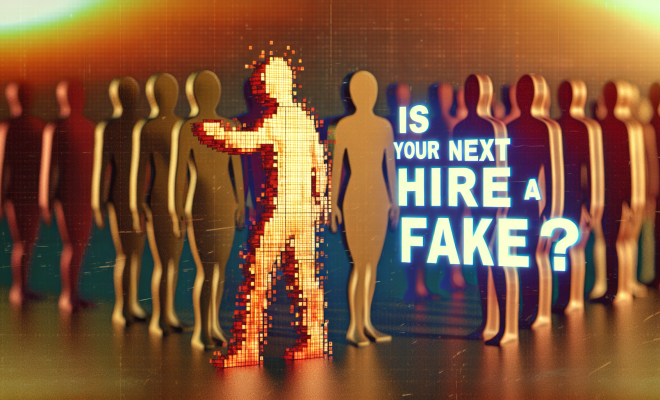
The world of recruitment is undergoing a seismic shift as the threat of fake job candidates becomes increasingly prevalent. With technological advancements in artificial intelligence (AI), employment fraud is not just a future concern; it is happening right now, and it’s escalating at an alarming rate. Recent predictions from Gartner have revealed that by 2028, a staggering 1 in 4 job applicants globally could be fake. This shocking statistic raises significant concerns for hiring managers, HR professionals, and businesses across all industries.
The Rise of Employment Fraud
Employment fraud is no longer just a minor inconvenience. It has evolved into a sophisticated threat that poses serious risks to organizations. Threat actors, including state-sponsored regimes, are leveraging advanced tools—most notably deepfakes and synthetic identities—to create convincing fake job candidates capable of passing real-time interviews. The ramifications of this trend are dire, leading to compromised hiring processes and increased vulnerability in organizational security.
Understanding Deepfakes and Their Impact
Deepfakes are a product of cutting-edge technology that allows for the creation of highly realistic synthetic media, which can include video, audio, and images. These tools can generate hyper-tailored resumes that make fake candidates appear legitimate. When combined with AI-driven chatbots, these candidates can convincingly interact with hiring teams during interviews, making it exceedingly difficult for recruiters to identify fraudulent applicants.
According to a report from Experian, deepfakes rank as the second-highest threat to organizations today. With the shift towards remote work environments—once thought to be a progressive move—these AI imposters now have unprecedented access to companies, often infiltrating them undetected. The growing ease of creating and deploying deepfakes has made it simpler than ever for malicious actors to attempt employment fraud, aggravating the already precarious landscape of hiring security.
The Psychological Effects of Fake Job Candidates
The emergence of fake job candidates has ignited viral engagement across professional networks. Many individuals are suddenly questioning the authenticity of applicants, leading to growing anxiety within the job market. The uncertainty surrounding whether candidates are real or fabricated can be distressing for job seekers and hiring managers alike.
This anxiety is further fueled by the realization that as AI technology improves, distinguishing between real candidates and sophisticated deepfake candidates becomes increasingly challenging. The fear of being misled by fake candidates can lead to a reluctance to hire or even a complete overhaul of hiring strategies. For HR professionals and employers, navigating this new terrain requires both vigilance and adaptability.
Generative AI Tools: The Driving Force Behind Fake Candidates
One of the most significant contributors to the rise of fake job candidates is the advent of generative AI tools. These tools can create resumes, cover letters, and even respond to interview questions with a level of sophistication that can be convincingly human-like. This capability presents a unique challenge for recruiters who must now consider the possibility that a seemingly qualified candidate could be entirely fabricated.
- Tailored Resumes: Generative AI can produce resumes that are customized to fit specific job descriptions, making it difficult to distinguish between a genuine applicant and a fake.
- Realistic Interviews: AI-driven avatars can perform interviews, utilizing deepfake technology to simulate human interaction convincingly.
- Mass Application Submissions: These tools can automate the application process, flooding companies with fake applications that can overwhelm hiring processes.
The implications of these generative tools are profound. They fundamentally change the landscape of recruitment, requiring organizations to rethink how they evaluate job applicants.
Preventing the Infiltration of Fake Job Candidates
As the threat of fake job candidates continues to grow, organizations must take proactive steps to protect themselves and their hiring processes. Here are several strategies that can help:
1. Enhanced Verification Techniques
Implementing robust verification methods can help organizations identify fake candidates. This can include:
- Background Checks: Conduct comprehensive background checks to verify the employment history and credentials of applicants.
- Video Interviews: Using live video interviews can help recruiters gauge the authenticity of a candidate. AI-generated deepfakes may struggle to maintain consistency during live interactions.
- Reference Checks: Always reach out to references provided by candidates to verify their claims.
2. Training HR Teams
It’s crucial to train HR professionals and hiring managers on the evolving threats posed by fake job candidates. This training should cover:
- Recognizing AI-generated resumes and cover letters.
- Identifying red flags during interviews.
- Understanding the technology behind deepfakes.
3. Leveraging Technology
To combat the rise of fake job candidates, organizations can also leverage technology. This can involve:
- AI Screening Tools: Utilize advanced AI tools that can analyze applicants’ submissions for signs of authenticity.
- Behavioral Analysis Software: Implement software that analyzes patterns in candidate behavior during interviews, helping identify inconsistencies.
Conclusion: Navigating the Future of Recruitment
The threat of fake job candidates is a complex issue that requires immediate attention from employers and HR professionals. As the job market evolves with the integration of AI and deepfake technology, organizations must stay ahead of the curve by adopting strategies that promote security and authenticity in the hiring process. The implications of failing to address these threats can be catastrophic, leading to compromised company integrity and significant financial losses.
Understanding the risks associated with fake job candidates is not just a matter of protecting an organization’s bottom line; it’s also about fostering trust and integrity in the employment process. As we move forward, it will be essential for businesses to adapt their hiring strategies to combat the growing threat of employment fraud, ensuring that the workforce of the future remains diverse, qualified, and, most importantly, authentic.