The Edvocate

Top Menu

Main Menu

  • Start Here
    • Our Brands
    • Governance
      • Lynch Education Consulting, LLC.
      • Dr. Lynch’s Personal Website
      • Careers
    • Write For Us
    • Books
    • The Tech Edvocate Product Guide
    • Contact Us
    • The Edvocate Podcast
    • Edupedia
    • Pedagogue
    • Terms and Conditions
    • Privacy Policy
  • PreK-12
    • Assessment
    • Assistive Technology
    • Best PreK-12 Schools in America
    • Child Development
    • Classroom Management
    • Early Childhood
    • EdTech & Innovation
    • Education Leadership
    • Equity
    • First Year Teachers
    • Gifted and Talented Education
    • Special Education
    • Parental Involvement
    • Policy & Reform
    • Teachers
  • Higher Ed
    • Best Colleges and Universities
    • Best College and University Programs
    • HBCU’s
    • Diversity
    • Higher Education EdTech
    • Higher Education
    • International Education
  • Advertise
  • The Tech Edvocate Awards
    • The Awards Process
    • Finalists and Winners of The 2026 Tech Edvocate Awards
    • Finalists and Winners of The 2025 Tech Edvocate Awards
    • Finalists and Winners of The 2024 Tech Edvocate Awards
    • Finalists and Winners of The 2023 Tech Edvocate Awards
    • Finalists and Winners of The 2021 Tech Edvocate Awards
    • Finalists and Winners of The 2022 Tech Edvocate Awards
    • Finalists and Winners of The 2020 Tech Edvocate Awards
    • Finalists and Winners of The 2019 Tech Edvocate Awards
    • Finalists and Winners of The 2018 Tech Edvocate Awards
    • Finalists and Winners of The 2017 Tech Edvocate Awards
    • Award Seals
  • Apps
    • GPA Calculator for College
    • GPA Calculator for High School
    • Cumulative GPA Calculator
    • Grade Calculator
    • Weighted Grade Calculator
    • Final Grade Calculator
  • The Tech Edvocate
  • Post a Job
  • AI Powered Personal Tutor

logo

The Edvocate

  • Start Here
    • Our Brands
    • Governance
      • Lynch Education Consulting, LLC.
      • Dr. Lynch’s Personal Website
        • My Speaking Page
      • Careers
    • Write For Us
    • Books
    • The Tech Edvocate Product Guide
    • Contact Us
    • The Edvocate Podcast
    • Edupedia
    • Pedagogue
    • Terms and Conditions
    • Privacy Policy
  • PreK-12
    • Assessment
    • Assistive Technology
    • Best PreK-12 Schools in America
    • Child Development
    • Classroom Management
    • Early Childhood
    • EdTech & Innovation
    • Education Leadership
    • Equity
    • First Year Teachers
    • Gifted and Talented Education
    • Special Education
    • Parental Involvement
    • Policy & Reform
    • Teachers
  • Higher Ed
    • Best Colleges and Universities
    • Best College and University Programs
    • HBCU’s
    • Diversity
    • Higher Education EdTech
    • Higher Education
    • International Education
  • Advertise
  • The Tech Edvocate Awards
    • The Awards Process
    • Finalists and Winners of The 2026 Tech Edvocate Awards
    • Finalists and Winners of The 2025 Tech Edvocate Awards
    • Finalists and Winners of The 2024 Tech Edvocate Awards
    • Finalists and Winners of The 2023 Tech Edvocate Awards
    • Finalists and Winners of The 2021 Tech Edvocate Awards
    • Finalists and Winners of The 2022 Tech Edvocate Awards
    • Finalists and Winners of The 2020 Tech Edvocate Awards
    • Finalists and Winners of The 2019 Tech Edvocate Awards
    • Finalists and Winners of The 2018 Tech Edvocate Awards
    • Finalists and Winners of The 2017 Tech Edvocate Awards
    • Award Seals
  • Apps
    • GPA Calculator for College
    • GPA Calculator for High School
    • Cumulative GPA Calculator
    • Grade Calculator
    • Weighted Grade Calculator
    • Final Grade Calculator
  • The Tech Edvocate
  • Post a Job
  • AI Powered Personal Tutor
  • 7 Unprecedented Reasons Why College Is More Vital Than Ever in the Age of AI

  • These Fractured Fairy Tales Help Students Understand Setting

  • Mind-Blowing: Google’s AI Ultimatum Could Decimate Academic Freedom in Schools

  • Explosive Student Loan Class Action Lawsuit: Public Servants Allege Forgiveness ‘Scam’

  • The Microsoft AFT School AI Standard: What It Means for Your Kids’ Data

  • 8 Disturbing Ways Student AI Use Could Be Harming Kids’ Minds

  • The AI Revolution on Campus: Your Urgent Blueprint for University Success

  • 900 Jobs at Risk: The Kent School District Levy’s Urgent Deadline

  • The Unseen Force Behind Affordable AI MBAs: You Won’t Believe the Price Tag!

  • Win Everything You Need to Start a Classroom Garden

Uncategorized
Home›Uncategorized›Massive Phishing Attack Hits 35,000 Users in 48 Hours (2026)

Massive Phishing Attack Hits 35,000 Users in 48 Hours (2026)
By Matthew Lynch
May 6, 2026
0
Spread the love

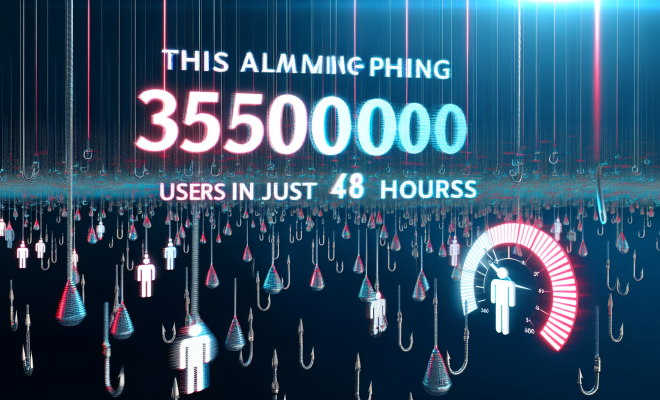
The landscape of cybersecurity is rapidly evolving, and one of the most frightening trends observed in recent years is the surge in phishing campaigns. A staggering incident occurred between April 14 and April 16, 2026, during which over 35,000 users across more than 13,000 organizations in 26 countries were targeted. The scale and sophistication of this attack have generated significant concern, particularly among professionals in the healthcare, financial services, and technology sectors.

The Anatomy of the Attack

This particular phishing campaign was characterized by its highly targeted approach. Microsoft Defender Research reported that a staggering 92% of the victims were located in the United States. The attackers utilized a strategy that not only impersonated legitimate organizations but also leveraged compliance and regulatory communications, which are often seen as routine and trustworthy by recipients. (cybersecurity reshaping insights)

Familiar Faces in the Inbox

To enhance the credibility of the phishing emails, the attackers used organization-specific details and impersonated well-known services like Paubox. This tactic is particularly alarming, as it indicates a level of sophistication that makes detecting these malicious emails increasingly difficult for the average user.

Sector-Specific Targeting

During this incident, the attackers primarily focused on three sectors:

  • Healthcare: 19% of the targeted organizations
  • Financial Services: 18% of the targeted organizations
  • Technology: A significant portion of the remaining targets

These sectors are often seen as lucrative targets for cybercriminals due to the sensitive data they handle and the regulatory pressures they face.

Multiple Waves of Distribution

One of the most alarming aspects of this phishing campaign was the multiple waves of distribution that occurred throughout the two-day period. Microsoft Defender Research documented how the attackers deployed their emails in a staggered manner, maximizing the chances of successful infiltration. The emails often tricked users into opening personalized attachments under the pretext of reviewing code of conduct policies, a tactic that many employees might overlook as suspicious.

The Rise of AI-Generated Phishing

As we look at the broader context of this incident, it’s essential to acknowledge a disturbing trend. The prevalence of AI-generated phishing campaigns surged by an astonishing 14-fold at the turn of 2025-2026. This development signifies not just a modernization of traditional attack vectors but also an alarming shift towards more sophisticated methods of cyber infiltration.

AI technologies enable attackers to create highly personalized content that can deceive even the most vigilant recipients. This evolution of phishing tactics reflects a grim reality: organizations must continually adapt to stay a step ahead of cybercriminals.

Implications for Cybersecurity

The implications of this phishing campaign extend far beyond the immediate victims. Cybersecurity professionals across various industries are expressing heightened anxiety regarding their organizations’ vulnerabilities. The fear of becoming the next target looms large, prompting companies to reassess their cybersecurity strategies.

Rethinking Cybersecurity Strategies

Organizations are now faced with the urgent need to rethink their cybersecurity protocols. Here are several strategies that companies can implement to bolster their defenses against similar attacks:

  • Employee Training: Regular training sessions can help employees recognize phishing attempts and understand the importance of scrutinizing unexpected emails.
  • Multi-Factor Authentication (MFA): Implementing MFA can significantly reduce the risk of unauthorized access to sensitive information.
  • Incident Response Plans: Every organization should have a clear incident response plan in place to mitigate the damage if a phishing attempt is successful.
  • Email Filtering Technologies: Utilize advanced email filtering solutions to detect and block potential phishing emails before they reach users’ inboxes.

The Role of Technology Providers

Technology providers also play a crucial role in addressing the challenges posed by phishing campaigns. Companies offering email services and cybersecurity solutions must invest in developing technologies that can detect AI-generated phishing attempts effectively. Enhanced algorithms and machine learning models can help identify suspicious patterns and flag potential threats before they can inflict damage.

A Call to Action

The recent phishing campaign that targeted 35,000 users serves as a wake-up call for organizations worldwide. As cybercriminals continue to refine their tactics, it is imperative for businesses across all sectors to prioritize cybersecurity measures. The growing sophistication of phishing attacks, particularly those generated by AI, demands a proactive and vigilant approach.

Engaging Stakeholders

Engaging all stakeholders—employees, management, and IT personnel—within an organization is essential for fostering a culture of cybersecurity awareness. Regular updates and discussions about the latest threats can keep everyone informed and alert to potential risks.

The Future of Phishing Campaigns

As we navigate the increasingly complex digital landscape, the future of phishing campaigns remains uncertain. However, one thing is clear: the need for vigilance is paramount. Organizations must prepare for the possibility of more advanced attacks, and individuals should remain aware of the risks associated with phishing attempts. Related reading: comment period extension details.

Conclusion

The phishing campaign that swept through 26 countries in April 2026 illustrates the ongoing threat posed by cybercriminals. With over 35,000 users targeted in just two days, this incident highlights the urgency for businesses to strengthen their cybersecurity defenses. By adopting proactive measures, prioritizing employee training, and leveraging advanced technologies, organizations can better protect themselves and their users from the ever-evolving tactics of cyber attackers.

As we continue to witness the transformation of phishing tactics, it is vital for everyone to stay informed about the risks and to take action to safeguard their digital environments. Only through collective awareness and proactive measures can we hope to combat the growing trend of phishing campaigns and protect sensitive information from falling into the wrong hands.



Previous Article

Spot Viral Gaming Trends with Google Trends ...

Next Article

Combatting Fake Job Candidates: A 2028 Recruitment ...

Matthew Lynch

Related articles More from author

  • Uncategorized

    Ted Dintersmith: Reforming Education for the AI Future

    April 5, 2026
    By Matthew Lynch
  • Uncategorized

    2026 – 2027 Best Elementary Schools in Pennsylvania

    July 2, 2026
    By Matthew Lynch
  • Uncategorized

    Keyword Research in 2026: New Strategies for Top Rankings

    June 30, 2026
    By Matthew Lynch
  • Uncategorized

    UMSL & Ziplines Education: Tech Skills for Workforce Development

    January 2, 2025
    By Matthew Lynch
  • Uncategorized

    KPMG Tech Report 2026: AI & Startups’ Future

    June 8, 2026
    By Matthew Lynch
  • Uncategorized

    Screen Time Guidelines for Kids Are Evolving: What Parents Need to Know

    July 25, 2026
    By Matthew Lynch

Search

Registration and Login

  • Log in
  • Entries feed
  • Comments feed
  • WordPress.org

Newsletter

Signup for The Edvocate Newsletter and have the latest in P-20 education news and opinion delivered to your email address!

RSS feed: Matthew on Education Week Matthew on Education Week

  • Au Revoir from Education Futures November 20, 2018 Matthew Lynch
  • 6 Steps to Data-Driven Literacy Instruction October 17, 2018 Matthew Lynch
  • Four Keys to a Modern IT Approach in K-12 Schools October 2, 2018 Matthew Lynch
  • What's the Difference Between Burnout and Demoralization, and What Can Teachers Do About It? September 27, 2018 Matthew Lynch
  • Revisiting Using Edtech for Bullying and Suicide Prevention September 10, 2018 Matthew Lynch

About Us

The Edvocate was created in 2014 to argue for shifts in education policy and organization in order to enhance the quality of education and the opportunities for learning afforded to P-20 students in America. What we envisage may not be the most straightforward or the most conventional ideas. We call for a relatively radical and certainly quite comprehensive reorganization of America’s P-20 system.

That reorganization, though, and the underlying effort, will have much to do with reviving the American education system, and reviving a national love of learning.  The Edvocate plans to be one of key architects of this revival, as it continues to advocate for education reform, equity, and innovation.

Newsletter

Signup for The Edvocate Newsletter and have the latest in P-20 education news and opinion delivered to your email address!

Contact

The Edvocate
910 Goddin Street
Richmond, VA 23230
(601) 630-5238
[email protected]
  • situs togel online
  • dentoto
  • situs toto 4d
  • situs toto slot
  • toto slot 4d
Copyright (c) 2026 Matthew Lynch. All rights reserved.