
India’s Tourism Surge: A New Era of Travel from the US, UK, Canada, and Australia
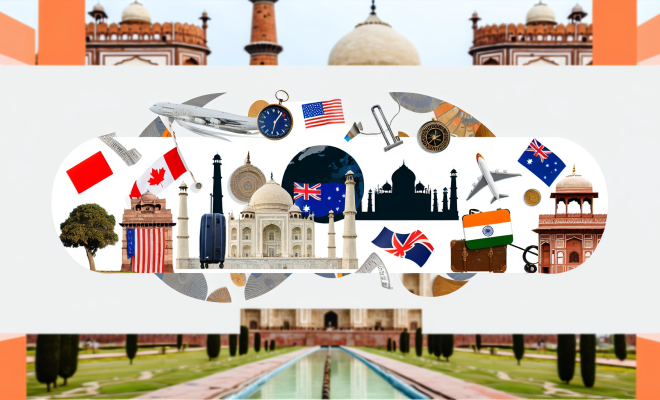
In a remarkable turn of events, India’s tourism sector is experiencing an unprecedented boom, largely fueled by a surge in travelers from the United States, United Kingdom, Canada, and Australia. This influx is not just a coincidence; it is intricately linked to a series of strategic expansions and partnerships that have redefined how the world perceives India as a prime travel destination.
The Rising Interest in India
As global travel rebounds post-pandemic, India has emerged as a preferred destination for many international travelers. The country’s rich cultural heritage, diverse landscapes, and culinary delights are capturing the attention of tourists from across the globe. The surge in visitors from key English-speaking countries reflects a growing desire to explore India’s historical landmarks, vibrant cities, and serene natural beauty.
Key Drivers of the Tourism Boom
Several factors are contributing to this remarkable growth in India’s tourism sector:
- Post-Pandemic Recovery: As restrictions ease worldwide, travelers are venturing out to explore new destinations, and India is high on their list.
- Increased Flight Connectivity: Airlines are ramping up their services to India, making it more accessible than ever for international travelers.
- Infrastructure Development: Investments in hospitality and tourism infrastructure, led by major hotel chains like Marriott, are enhancing the overall travel experience.
- Digital Marketing Campaigns: The Indian government and tourism boards have launched campaigns promoting the country as a safe and attractive destination.
Marriott’s Expansion and Its Impact
One of the most significant catalysts for this tourism boom is the expansion of Marriott International in India. The hotel chain’s strategy focuses on enhancing its presence in key tourist destinations across the country.
Strategic Investments in Hospitality
Marriott’s commitment to India involves opening new properties in both urban and rural settings, catering to a diverse range of travelers. From luxury resorts in Goa to business hotels in Delhi, Marriott’s expansion aligns with the growing demand for high-quality accommodations.
This expansion not only provides more lodging options for tourists but also supports local economies by creating jobs and promoting tourism-related businesses.
Enhanced Connectivity Through Airlines
In tandem with Marriott’s growth, major airlines such as Delta, British Airways, and Qantas are stepping up their efforts to increase flight frequencies to India. This strategic move is essential for accommodating the rising number of travelers eager to experience the subcontinent’s wonders.
Flight Expansions
With increased flight options, travelers can enjoy greater flexibility and convenience. For instance, Delta Airlines has introduced additional direct flights from major U.S. cities to Indian hubs like Mumbai and Delhi. Similarly, British Airways and Qantas have expanded their routes to cater to the growing demand from their respective markets.
What Travelers Can Expect
The combination of increased flight connectivity and new hotel openings means that travelers can expect a seamless experience when visiting India. Here’s what visitors can look forward to:
- Diverse Accommodations: With Marriott’s expansion, visitors can choose from a wide range of accommodations that suit varying budgets and preferences.
- Improved Access to Attractions: Enhanced flight routes make it easier to access popular tourist destinations like the Taj Mahal, Jaipur’s forts, and Kerala’s backwaters.
- Cultural Experiences: Tourists can immerse themselves in India’s rich culture through local festivals, cuisine, and traditions.
- Adventure Opportunities: From trekking in the Himalayas to exploring the deserts of Rajasthan, India offers adventure enthusiasts various options.
Focus on Sustainability
As the tourism sector evolves, there is a growing emphasis on sustainability. Both the Indian government and hospitality providers are focusing on eco-friendly practices to protect the nation’s rich natural and cultural heritage.
Marriott, for instance, has committed to sustainability initiatives, including reducing water usage and carbon emissions across its properties. This effort not only aligns with global sustainability goals but also appeals to environmentally conscious travelers.
Challenges Ahead
Despite the promising growth in tourism, several challenges remain that could impact the sector’s trajectory:
- Infrastructure Strain: An influx of tourists can strain existing infrastructure, leading to congestion and inadequate services in popular destinations.
- Health and Safety Concerns: Ongoing concerns about health and safety, particularly in the wake of the pandemic, may deter some travelers.
- Competition from Other Destinations: Countries in Southeast Asia and the Middle East are also vying for the attention of international travelers, requiring India to maintain its competitive edge.
The Future of Tourism in India
Looking ahead, the future of tourism in India appears bright, driven by a collaborative effort between the government, airlines, hotel chains, and local businesses. The synergistic relationship between these entities is critical in addressing challenges and maximizing opportunities.
Government Initiatives
The Indian government is actively promoting tourism through initiatives aimed at enhancing visitor experiences and improving infrastructure. Programs like the Swadesh Darshan and PRASAD schemes focus on developing theme-based tourist circuits and pilgrimage sites, respectively.
Moreover, the government is working to simplify visa processes and promote e-visa facilities to encourage more international travelers to explore the country.
Conclusion
The convergence of increased interest from travelers in the U.S., U.K., Canada, and Australia, coupled with Marriott’s expansion and enhanced airline connectivity, is setting the stage for a significant tourism boom in India. The country is poised to welcome millions of visitors eager to experience its diverse offerings, indicating a promising future for the tourism sector.
As India continues to build on this momentum, it will be essential to address challenges proactively while enhancing the travel experience for all visitors. With its rich cultural tapestry and breathtaking landscapes, India is firmly establishing itself as a must-visit destination on the global travel map.

