Little Caesars Leverages AI for Smarter Pizza Demand Forecasting
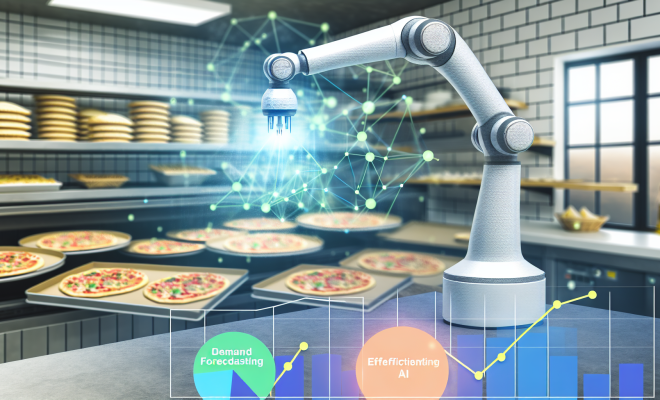
In the competitive landscape of fast food, Little Caesars, the beloved Detroit-based pizza chain, is taking a significant leap forward with innovative technology. The company has developed an AI-powered pizza forecaster designed to predict demand across various ordering channels, including walk-in customers, app orders, and third-party delivery services. This technological advancement is set to not only reduce food waste but also enhance labor scheduling while maintaining the chain’s iconic Hot-N-Ready promise.
The Birth of the AI-Powered Pizza Forecaster
The inception of this AI initiative was born from a unique competition known as a “bake-off” among hyperscalers – large cloud computing providers that offer data storage and processing services. This strategic approach allowed Little Caesars to evaluate and select the optimal AI solution tailored to their operational needs.
During this process, store managers played a crucial role in training the AI system. They compared the forecasts generated by the AI with actual sales and food waste statistics. This hands-on involvement ensured that the AI was fine-tuned to reflect real-world scenarios, making it a more reliable tool for the franchise.
A Partnership Approach to AI Implementation
According to IT leader Mike Klopfenstein, Little Caesars adopted a partnership approach to implementing AI technology, emphasizing the importance of collaboration between technology providers and restaurant operations. This partnership model aims to disrupt existing processes in a way that enhances efficiency without compromising the daily operations of the restaurants.
“We wanted to ensure that any technological disruption would not affect our ability to serve customers effectively,” Klopfenstein stated. This careful consideration of operational integrity is crucial in a fast-paced environment where customer satisfaction is paramount.
How the AI Forecaster Works
The AI pizza forecaster utilizes historical sales data, current market trends, and other relevant factors to generate accurate demand predictions. By analyzing patterns in customer ordering behavior, it can forecast how many pizzas to prepare at different times throughout the day.
- Walk-in Orders: The AI assesses peak times for walk-in customers, ensuring that stores are adequately stocked without over-preparing, which can lead to food waste.
- App Orders: With the growing trend of mobile ordering, the forecaster helps anticipate app orders, allowing for timely preparation and delivery.
- Third-Party Orders: As more customers opt for delivery through platforms like DoorDash and Uber Eats, the AI provides insights into expected demand from these channels.
This comprehensive forecasting capability not only supports better inventory management but also aligns with Little Caesars’ commitment to sustainability. By reducing food waste, the company can lessen its environmental impact while also improving its bottom line.
Enhancing Labor Scheduling
In addition to optimizing food preparation, the AI system also plays a vital role in improving labor scheduling. By accurately predicting customer demand, store managers can schedule staff more effectively, ensuring that peak hours are adequately staffed while minimizing labor costs during slower periods.
This approach not only increases operational efficiency but also improves employee satisfaction, as staff can have a more predictable work schedule. Klopfenstein emphasized that the goal is to create a win-win situation for both the franchise and its employees.
Future Prospects and Expansion of AI Capabilities
As Little Caesars continues to refine its AI-powered pizza forecaster, the company is exploring additional capabilities that this technology can bring to their operations. The potential for further integration of AI into various aspects of the business could lead to enhanced customer experiences, more personalized marketing strategies, and even better resource management.
Looking ahead, Klopfenstein and his team are committed to leveraging data-driven insights to stay ahead of industry trends and consumer preferences. This proactive approach positions Little Caesars not just as a fast-food pizza provider, but as a leader in technological innovation within the food service sector.
Conclusion
Little Caesars’ initiative to implement an AI-powered pizza forecaster marks a significant step forward in the fast-food industry. By harnessing the power of artificial intelligence, the chain is setting a new standard for demand forecasting, inventory management, and labor scheduling. As the company continues to innovate, it remains dedicated to delivering on its Hot-N-Ready promise, ensuring that customers receive quality service while minimizing waste and enhancing operational efficiency.