Unprecedented Wildfire Surge in Tropical Peatlands Alarms Scientists
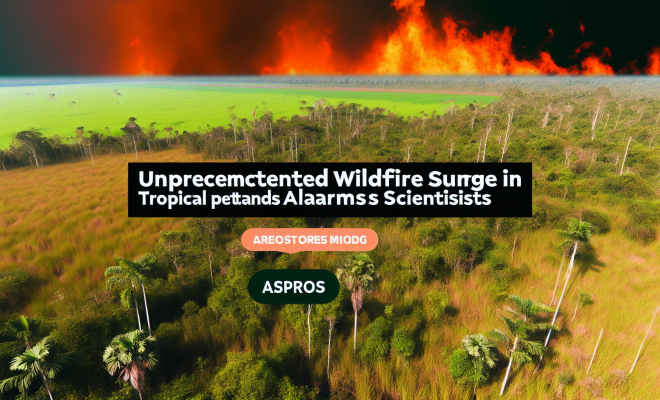
The fragile ecosystems of tropical peatlands, known for their rich carbon storage, are experiencing a catastrophic surge in wildfires, reaching levels not observed in the past 2,000 years. Researchers from the University have recently published findings that illustrate a striking reversal of the historical decline in such wildfires, highlighting the alarming implications for global carbon emissions and climate change.
The Rise of Tropical Peatland Wildfires
On March 19, 2026, the research team released a comprehensive study detailing how human activities have driven the increase in wildfires within these carbon-rich regions. Over the last two millennia, wildfires in tropical peatlands had steadily decreased, but recent trends indicate a dramatic uptick, largely attributed to anthropogenic factors.
Understanding Tropical Peatlands
Tropical peatlands are unique ecosystems formed from the accumulation of partially decayed organic matter, primarily in waterlogged conditions. These environments are crucial for biodiversity, serving as habitats for numerous species, and they play a significant role in carbon storage. According to the researchers, peatlands globally store approximately 550 gigatons of carbon, making them one of the most significant terrestrial carbon sinks.
The Current Crisis
The findings indicate that the number of wildfires in these regions has surged, with researchers documenting levels of fire activity that exceed any seen in the last two millennia. This trend can be linked to several key factors:
- Land Use Change: The expansion of agriculture, logging, and infrastructure development has led to the draining of peatlands, making them more susceptible to fires.
- Climate Change: Increasing temperatures and changing precipitation patterns due to climate change create drier conditions, further exacerbating the risk of wildfires.
- Human Ignition Sources: Many wildfires are ignited intentionally for land clearing or accidentally through agricultural practices.
Environmental Impact of Peatland Wildfires
The surge in wildfires poses dire environmental consequences. When peatlands burn, they release significant amounts of carbon dioxide (CO2) into the atmosphere, contributing to global warming. The researchers emphasize that these emissions can negate years of carbon sequestration efforts, amplifying the greenhouse effect and accelerating climate change.
Health and Biodiversity Risks
Beyond climate implications, the wildfires threaten local biodiversity. The destruction of habitats can lead to the decline of various plant and animal species that depend on these unique ecosystems. Furthermore, the smoke and particulate matter released during wildfires can severely impact air quality, posing health risks to nearby communities.
Call to Action
The research team advocates for immediate action to mitigate the ongoing crisis. They urge governments and organizations to implement stringent regulations on land use practices, promote sustainable agriculture, and enhance conservation efforts for peatlands. The team believes that:
- Restoration Initiatives: Investing in peatland restoration can help revive these ecosystems and their carbon storage capabilities.
- Fire Management Strategies: Developing comprehensive fire management plans is crucial to prevent the ignition and spread of wildfires.
- Community Engagement: Educating local communities about the importance of peatlands can foster better stewardship and sustainable practices.
The Role of Global Policies
International collaboration is essential to address the challenges posed by peatland wildfires. Policies that link climate change mitigation with biodiversity conservation can pave the way for more effective management of these ecosystems. The researchers emphasize that global commitments to reduce greenhouse gas emissions must consider the critical role of peatlands in the carbon cycle.
Conclusion
The recent surge in wildfires in tropical peatlands marks a concerning shift in the environmental landscape. As these ecosystems become increasingly vulnerable due to human activities and climate change, the implications for global carbon emissions and biodiversity are profound. The findings from the University researchers serve as a clarion call for immediate action to protect these vital ecosystems and ensure a sustainable future.